

Paper
- +3
Rajesh Bansal, Anirudh Burman, Rudra Chaudhuri, …
{
  "authors": [
    "Srinath Raghavan"
  ],
  "type": "legacyinthemedia",
  "centerAffiliationAll": "",
  "centers": [
    "Carnegie Endowment for International Peace",
    "Carnegie India"
  ],
  "collections": [],
  "englishNewsletterAll": "",
  "nonEnglishNewsletterAll": "",
  "primaryCenter": "Carnegie India",
  "programAffiliation": "",
  "programs": [],
  "projects": [
    "Security Studies"
  ],
  "regions": [
    "Pakistan",
    "India"
  ],
  "topics": [
    "Foreign Policy"
  ]
}
Source: Getty
The Pakistan government’s decision to release the captured Indian pilot as a ‘gesture of peace’ opens a window of opportunity to defuse the ongoing crisis.
Source: Print
The Pakistan government’s decision to release the captured Indian pilot as a ‘gesture of peace’ opens a window of opportunity to defuse the ongoing crisis. Prime Minister Narendra Modi should seize it. Meanwhile, as the country awaits the return of Wing Commander Abhinandan Varthaman, we could usefully ponder the choices—strategic and political—that have brought us to this juncture.
The core strategic challenge for India over the past two decades has been to deter Pakistan from fomenting terrorism while standing behind the shield of its nuclear weapons. Previous governments learnt the difficulties of doing so over time and through serious crises. Recall that soon after the Indian nuclear tests of May 1998, then Home Minister L.K. Advani proclaimed India’s willingness to carry out ‘hot pursuit’ of terrorists beyond the Line of Control. Pakistan’s nuclear test put paid such ideas and forced New Delhi to reckon with the new reality.

Nonresident Senior Fellow
Srinath Raghavan is a nonresident senior fellow at Carnegie India. His primary research focus is on the contemporary and historical aspects of India’s foreign and security policies.
Recent Work


Rajesh Bansal, Anirudh Burman, Rudra Chaudhuri, …
Srinath Raghavan
Carnegie does not take institutional positions on public policy issues; the views represented herein are those of the author(s) and do not necessarily reflect the views of Carnegie, its staff, or its trustees.

The EU can impose sanctions but struggles to enforce them without the United States. With Washington increasingly disinterested in backing European interests, the bloc must now fend for itself.


Nicu Popescu, Tiago Antunes
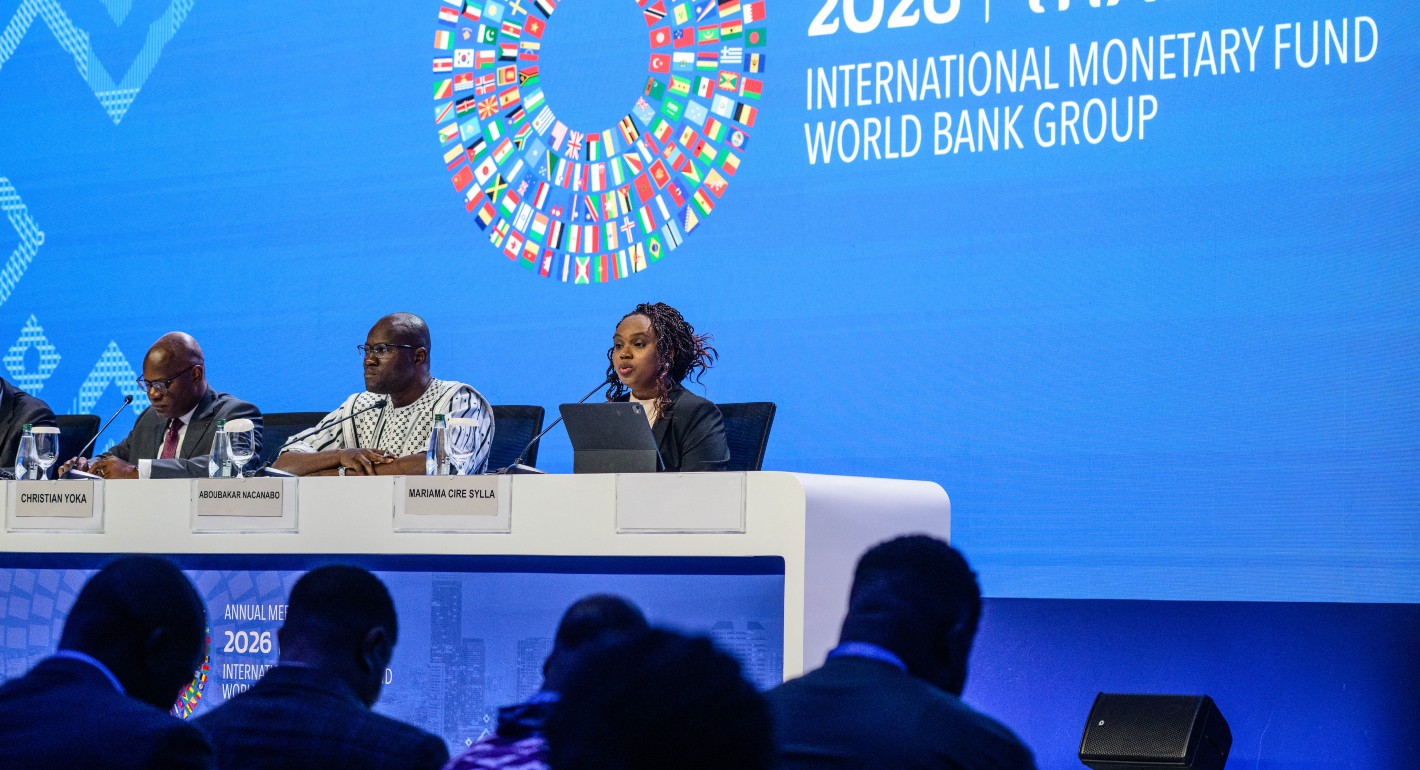
Global and rising powers will need to engage with Africa’s priorities and agency in order to secure the continent’s increasingly attractive partnerships.
Fonteh Akum

Rubio’s recent visit brought welcome attention, but more capital requires governance changes that may be a hard sell for regional governments.

Jennifer B. Murtazashvili

America’s foreign-policy objectives have grown more demanding while Americans have demanded greater focus on their own affairs.

Stephen Wertheim

Japan’s long-term security policy is driven by concerns about China, and there is little appetite for (or interest in) pursuing a confrontation with Moscow.

James D.J. Brown