

Commentary
If the succession process can be carried out as Khamenei intended, it will likely bring a hardliner into power.
{
  "authors": [
    "Eric Lob"
  ],
  "type": "commentary",
  "blog": "Emissary",
  "centerAffiliationAll": "dc",
  "centers": [
    "Carnegie Endowment for International Peace"
  ],
  "collections": [
    "The Iran War’s Global Reach"
  ],
  "englishNewsletterAll": "menaTransitions",
  "nonEnglishNewsletterAll": "",
  "primaryCenter": "Carnegie Endowment for International Peace",
  "programAffiliation": "MEP",
  "programs": [
    "Middle East"
  ],
  "regions": [
    "Iran",
    "Israel",
    "United States",
    "Middle East"
  ],
  "topics": [
    "Domestic Politics",
    "Foreign Policy",
    "Energy",
    "Economy",
    "Security"
  ]
}
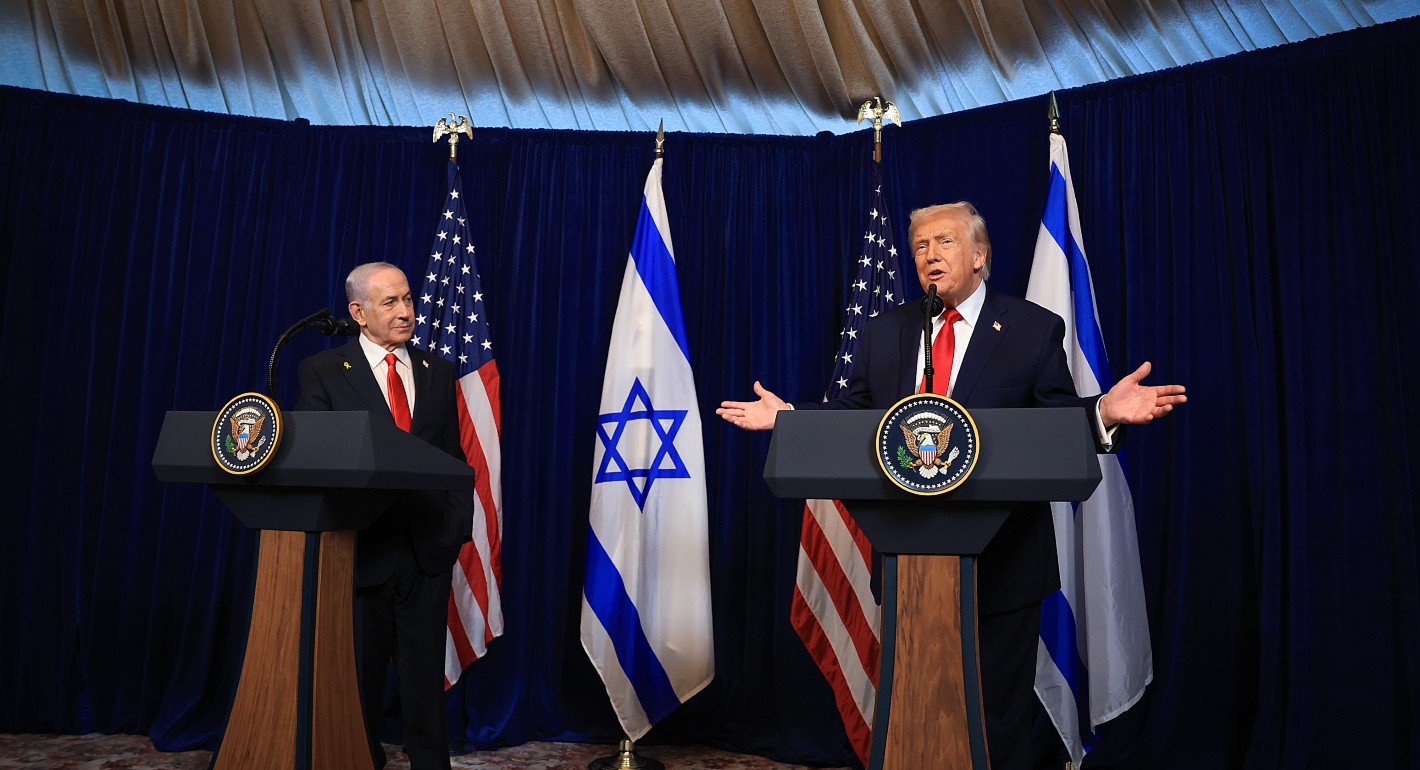
Trump and Netanyahu at Mar-a-Lago on December 29, 2025. (Photo by Joe Raedle/Getty Images)
Three weeks into the Iran war, the endgames of Israel and the United States appear to be diverging.
Until now, the United States and Israel have closely coordinated their targets and plans, as they did during the twelve-day war in June. They have attacked military and civilian sites inside Iran, bombed strategic energy and gas sites, and assassinated several of its top political leaders and senior security officials, including Ayatollah Ali Khamenei and Ali Larijani.
Throughout the war and particularly on the part of U.S. President Donald Trump, the military objectives—not to mention the overall timeline—have continually shifted and remain unclear. They have ranged from regime change and unconditional surrender to military incapacitation and nuclear nonproliferation. For this reason, among others, U.S. allies and partners in Europe and elsewhere have been reluctant to intervene in the conflict, isolating the United States and Israel.
But in recent days, cracks have started to appear between Trump and Israeli Prime Minister Benjamin Netanyahu—particularly over energy and leadership targets. On one side, Trump appears to be interested in the Venezuela model in Iran, which is predicated on aligning with a pragmatic regime insider and accessing vast oil reserves and other resources. On the other side, Netanyahu seems to prefer a mowing-the-grass method that weakens Iran and continues the conflict. Both approaches are at odds with each other, especially as Israel increasingly attempts to dictate the terms of the war.
On January 3, as popular protests raged in Iran, Trump ordered the U.S. military to capture Tehran’s longtime ally, Venezuelan President Nicolás Maduro, and bring him to the United States to stand trial.
After decapitating the Venezuelan leadership, Washington did not pursue the risky and messy path of full-fledged regime change that Trump had campaigned against as a candidate. Instead, it kept the rest of the regime intact, with Vice President Delcy Rodríguez as the interim leader. Trump pressured her to release political prisoners through an amnesty law and prioritized deals pertaining to petroleum and mining. Venezuela has the largest oil reserves in the world (Iran ranks third), and the largest gold reserves in Latin America.
During the current conflict with Iran, Trump has been fixated on replicating the Venezuela model inside the country. After the United States and Israel had assassinated Khamenei on the first day of the war, Trump reportedly sought out so-called moderates with whom he could work inside the regime, even as he encouraged Iranians to rise up against it and “take back their country.”
Such figures could have included the current reformist president, Masoud Pezeshkian, who also serves on the Interim Leadership Council, and the former centrist president Hassan Rouhani, who negotiated and signed the Iran nuclear deal with the United States and other countries in 2015. Ironically or incidentally, during his first term in 2018, Trump undermined Rouhani and other moderates by withdrawing from the deal and reimposing sanctions against Iran.
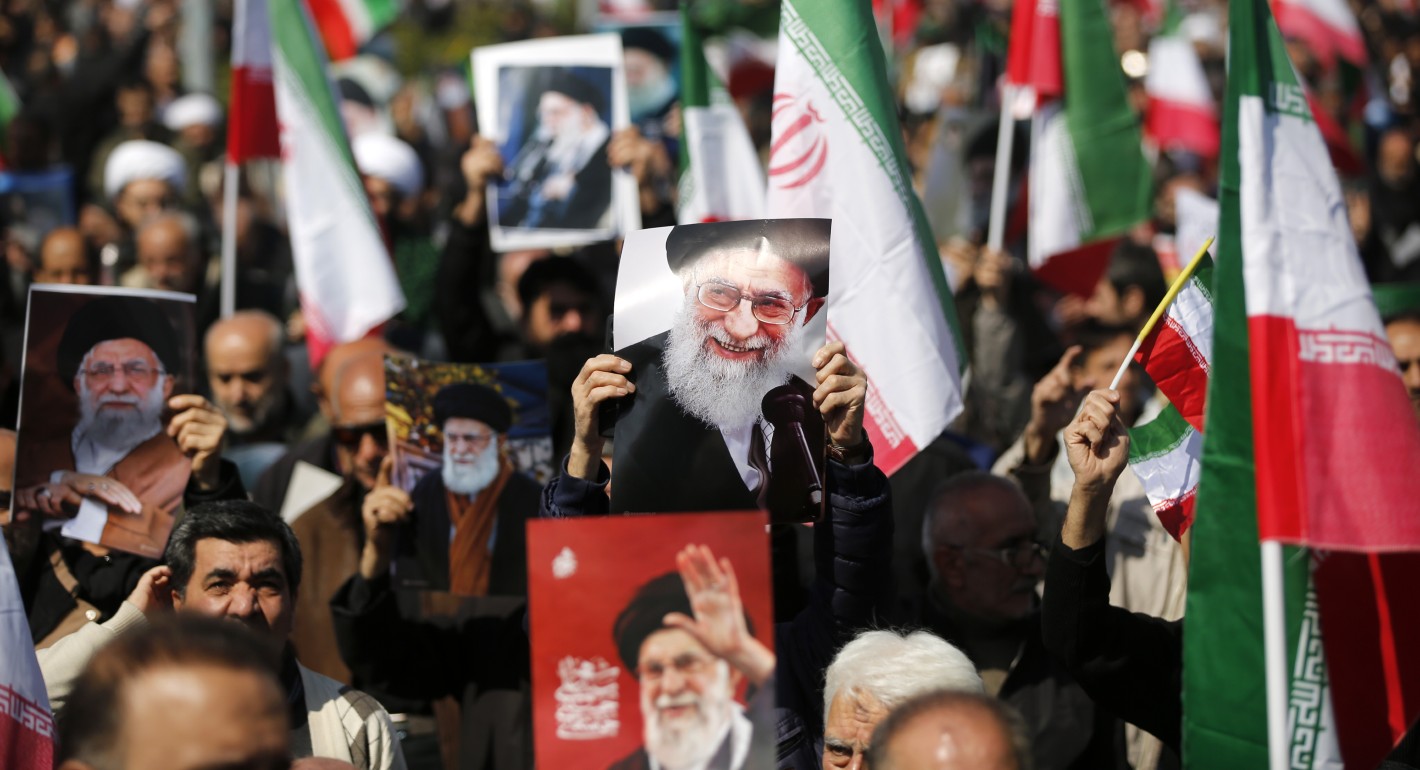
If the succession process can be carried out as Khamenei intended, it will likely bring a hardliner into power.
Following Khamenei’s assassination, Trump insisted that he be involved in selecting the next supreme leader, as he did with Rodríguez in Venezuela. However, his demands were met with Iranian defiance. Although the Assembly of Experts (the eighty-eight-member body that elects the supreme leader) had its building bombed by Israel, it subsequently selected Mojtaba Khamenei to succeed his father, even though the elder Khamenei had criticized the hereditary or dynastic succession of the shah. Due to the new supreme leader’s hardline posture and his proximity to the Revolutionary Guard, along with his family name, Trump considered the choice unacceptable and threatened to assassinate him.
Additionally, and unlike Venezuela, Iran has been able to impose an economic and political cost on Trump for taking military action. It has done so by closing the Strait of Hormuz (the site of a fifth of global oil traffic) and targeting oil tankers and other commercial vessels in the Persian Gulf. Tehran has also been striking the energy infrastructure of Arab Gulf states, which are among the largest producers and exporters of oil and gas in the world. In the process, it has driven up the price of petroleum when the United States already has high inflation and an affordability crisis during an election year. Iranian missiles and drones also have depleted or strained the significantly more expensive stockpiles of American and Israeli interceptors. On March 19, the Department of Defense asked Congress for an additional $200 billion to fund the war.
Contrary to Trump, Netanyahu has consistently communicated that the central objective of the conflict is regime change. That said, since the second week of the war, he has dialed down his discourse on that objective, though not completely.
Regardless of what Israel can actually achieve—and as it has done to Hamas in Gaza and Hezbollah in Lebanon—Israel has opted for its modus operandi of “mowing the grass” in Iran. In other words, it has sought to manage its conflict with Tehran by hitting the maximum number of targets. It has carried out strikes on Iran’s military infrastructure, including its air defense systems and ballistic missile launchers. It has also struck civilian ones, including houses, hospitals, schools, and cultural landmarks, and killed at least 1,354 civilians. With American assistance, it has assassinated military commanders and political leaders such as Khamenei and Larijani.
For Israel, the assassinations have aimed to disrupt and disable the command-and-control structure as well as political and strategic decisionmaking at the highest levels. However, for Trump, they could complicate, if not compromise, the Venezuela model, much less a diplomatic offramp and end to the conflict, by killing potential interlocuters inside the regime.
While far from being a moderate, Larijani was well-positioned or poised to be that person, with his deep and diverse experience and expertise as a longtime politician, seasoned diplomat, and savvy strategist. (That said, Larijani played a prominent role in the killing of thousands of protestors in January.) Notably, shortly after Larijani’s assassination, the U.S. counterterrorism chief, Joseph Kent, suddenly stepped down. In his resignation letter, Kent stated that Trump had started the war against Iran—which had “posed no imminent threat”—“due to pressure from Israel and its powerful American lobby.” The White House denied Kent’s allegations, but the resignation letter hinted at cracks in the administration’s approach.
There’s another major reason why Netanyahu favors a fragmented and weakened Iran that can no longer challenge Israel and can be subjected to continuous intervention. Politically and personally, he is incentivized to continue the conflict to avoid confronting corruption charges and a national inquiry into the colossal security failure that facilitated the Hamas-led attacks against Israel on October 7, 2023. He has also been issued an ICC arrest warrant for allegedly committing war crimes against civilians in Gaza with American military support.
The mowing-the-grass approach could set Iran back militarily and economically for the foreseeable future. If sustained over time, it could cause state collapse and societal chaos, even if it generates greater regional and international instability. Regardless of the timeline or ultimate outcome, this method—particularly the targeting of civilians, including a devastating missile attack on an Iranian elementary school the first day of the war—could further tarnish the international reputation of the United States and Israel. Rather than being concerned about the consequences, Israel raised the stakes of the conflict by striking Iran’s energy installations.
On March 8, Israel expanded its civilian targets to encompass Iran’s water and energy infrastructure, including its desalination plant, oil storage facilities, and fuel depots. The Israeli strikes exacerbated Iran’s pre-existing environmental crisis and exposed its population to water insecurity and airborne disease.
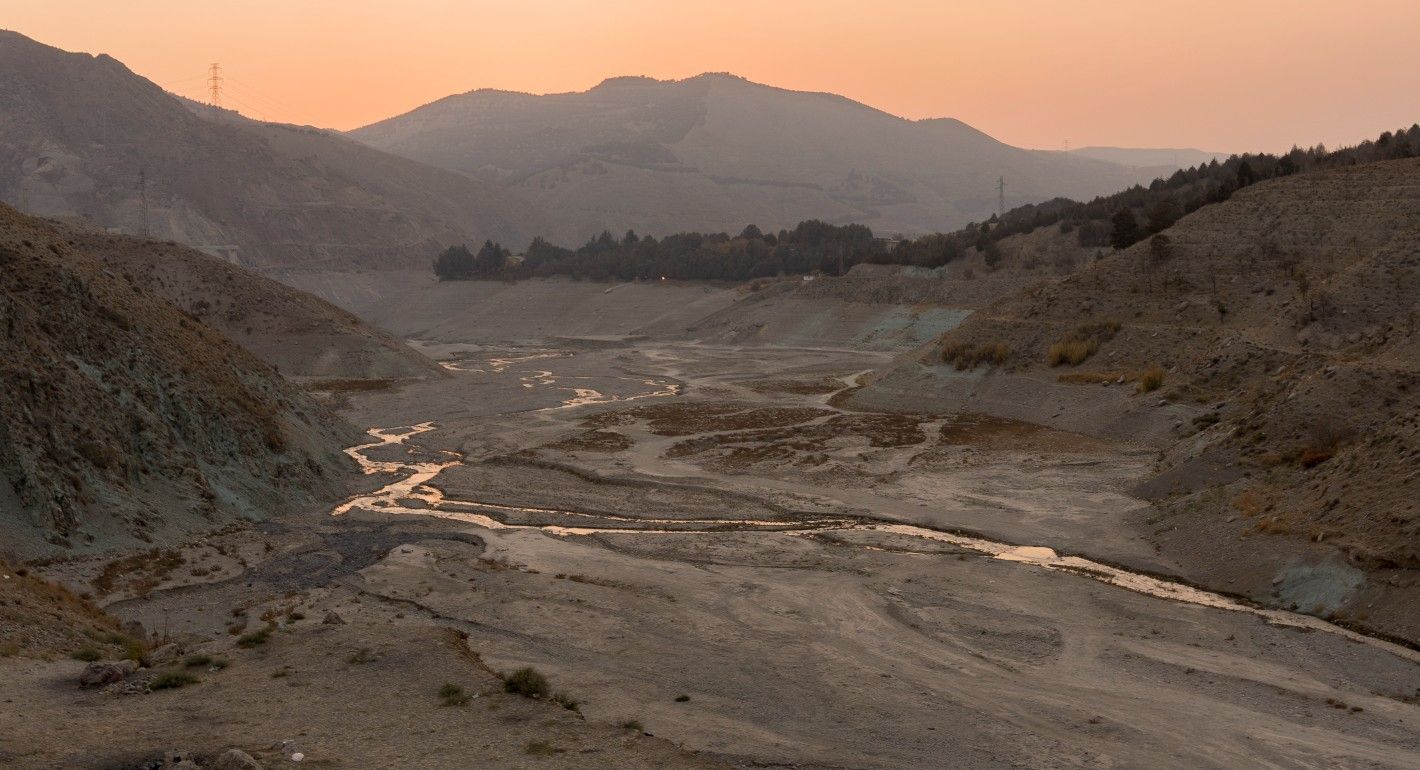
Without addressing the worsening issue’s root causes, any mitigation efforts will likely fall short. States in similar situations should take note.
The strikes also caused consternation among Trump administration officials concerned about rising petroleum prices. To reduce those prices on March 11, Trump coordinated with other countries in the International Energy Agency to release a record 400 million barrels of oil. The following day, Trump temporarily removed sanctions on Russian oil exports to the dismay of America’s European allies and partners that remain concerned about the conflict in Ukraine and refuse to join the war against Iran.
Two days later, on March 14, the United States attacked Kharg Island, where Iran exports 90 percent of its petroleum, but only struck military installations and spared oil facilities to prevent prices from rising further. Meanwhile, Tehran has continued exporting oil to other countries, including on tankers transporting it from Russia with American acquiescence.
On March 18, the United States contradicted its previous position on energy by authorizing and coordinating with Israel on its strikes against Iran’s South Pars natural gas field (one of the largest in the world)—which further increased petroleum prices. The next day, Iran retaliated by expanding its attacks against energy installations across the Persian Gulf and further driving up the price of petroleum. Later that day, Netanyahu insisted that Israel had acted alone and would refrain from attacking the field again.
While the United States and Israel are closely coordinating in this conflict, their ultimate endgames appear to be diverging. In Iran, Trump’s Venezuela model has encountered stiff resistance and ensnared him in an escalation trap that has been a liability economically, politically, and reputationally. Meanwhile, Netanyahu’s mowing-the-grass method has weakened Iran—at the cost of increasing regional instability and international isolation.
Despite Netanyahu’s rhetoric regarding regime change, his method will pay off if he intends to indefinitely prolong the conflict for political and personal reasons. Compared with Hamas and Hezbollah, Iran has greater depth geographically to absorb American and Israeli attacks, as well as institutionally to replace assassinated individuals. Even Hamas and Hezbollah have similar hydra-like tendencies, which is why Israel continues to wage war against both groups in Gaza and Lebanon with no end in sight.
The latest from Carnegie scholars on the world’s most pressing challenges, delivered to your inbox.

Nonresident Scholar, Middle East Program
Eric Lob is a nonresident scholar in the Carnegie Middle East Program and an associate professor of politics and international relations at Florida International University.
Recent Work


Amr Hamzawy, Andrew Leber, Eric Lob, …
Eric Lob
Carnegie does not take institutional positions on public policy issues; the views represented herein are those of the author(s) and do not necessarily reflect the views of Carnegie, its staff, or its trustees.

The conflict has sent economic and political shock waves through a country with no representation at the negotiating table—and Kenya is not alone.
Georgia Schaefer-Brown, Jane Munga
The targeting of Damietta Port appears to be more than a mere security message.
Amr Hamzawy
Despite the agreement’s uncertainty, it’s still a significant development in regional and nuclear policy.

Andrew Leber, Jane Darby Menton
By burying disagreements in imprecision, the new deal risks same fate as its predecessors.

James M. Acton
The United States and Israel may have unwittingly revived the Islamic Republic’s “zombie regime.”


Suzanne Maloney, Aaron David Miller, Karim Sadjadpour