

Commentary
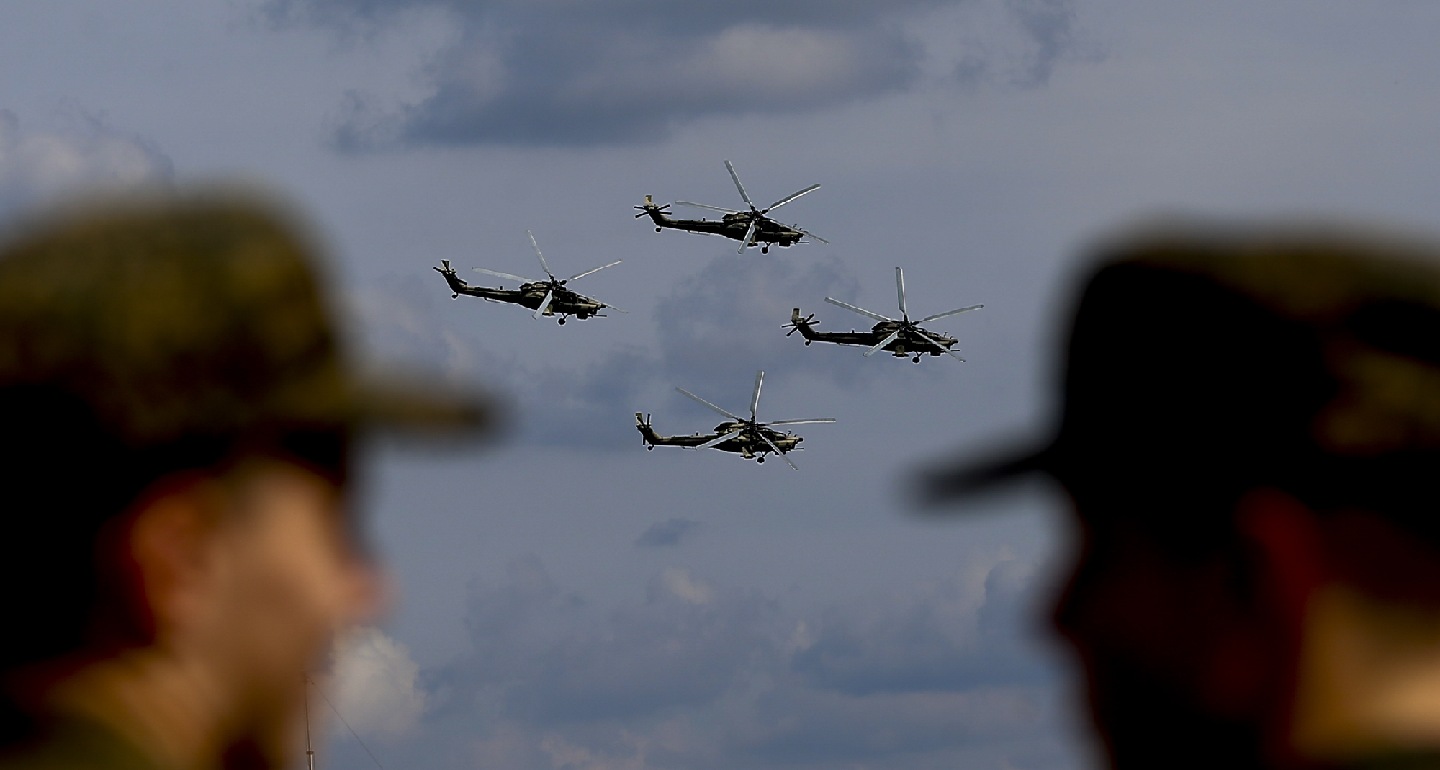
Arms supplies from Russia to Iran will not only continue, but could grow significantly if Russia gets the opportunity.
Nikita Smagin
{
  "authors": [
    "Raghuveer Nidumolu"
  ],
  "type": "legacyinthemedia",
  "centerAffiliationAll": "",
  "centers": [
    "Carnegie Endowment for International Peace",
    "Carnegie India"
  ],
  "collections": [],
  "englishNewsletterAll": "",
  "nonEnglishNewsletterAll": "",
  "primaryCenter": "Carnegie India",
  "programAffiliation": "",
  "programs": [],
  "projects": [],
  "regions": [
    "South Asia",
    "Pakistan",
    "India"
  ],
  "topics": [
    "Foreign Policy"
  ]
}
Source: Getty
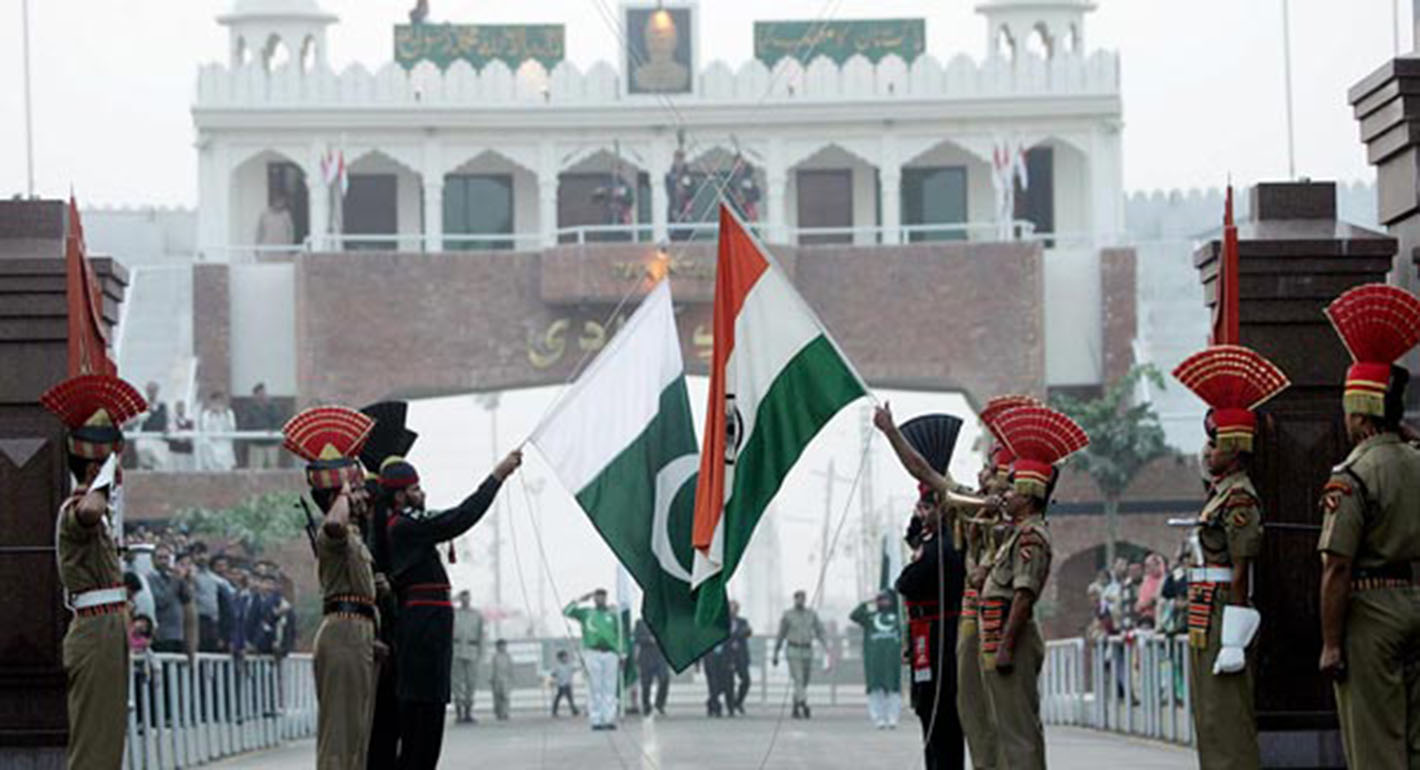
In the aftermath of the military crisis between India and Pakistan this year, news of a Pakistani crackdown on anti-India terrorists has come out.
Source: East Asia Forum
In the aftermath of the military crisis between India and Pakistan this year, news of a Pakistani crackdown on anti-India terrorists has come out. There were reports which mentioned that India may ‘give Pakistan its due for action against terror groups’. Most recently, diplomatic relations between both countries deteriorated after the Indian government’s scrapping of special status to the state of Jammu and Kashmir. On the whole, a certain ‘ad hoc-ism’ seems to guide India’s policy towards Pakistan.
Even as India has maintained the rhetoric that ‘terror and talks cannot go together’, India’s approach to talks seems reactionary, with barely any trace of a guiding strategy towards engagement with Pakistan.
The presence of nuclear weapons imposes certain constraints on how India can militarily coerce Pakistan to rein in the anti-India terrorists harboured in the country. However, Pakistan’s present economic difficulties give India an opportunity to compel it to do more to combat anti-India terrorism.
Back in September 2018, Pakistan’s Chief of Army Staff, General Qamar Javed Bajwa, secretly reached out to the Indian army to hold talks, but the attempt fell through owing to a ‘systemic mismatch’. In India, the army is entirely subordinate to civilian rule, unlike in Pakistan where the military holds sway over the conduct of defence and foreign policy. After Modi’s re-election, Pakistani Prime Minister Imran Khan wrote two letters calling for talks ‘with New Delhi on all important matters’.
India’s response to Pakistan’s outreach has been lukewarm at best. There has been no revival of bilateral dialogues after their cessation in the aftermath of the Pathankot and Uri attacks in 2016.
While some on the Pakistani side blame India’s stubbornness and lack of enthusiasm for the stalling of diplomacy, New Delhi maintains that the biggest problem with Pakistan is its active support for terrorism against India. Past attempts at establishing peace unravelled due to terrorist acts committed by non-state Pakistani proxies. Those efforts included the Agra summit of 2001, the 2003 ceasefire agreement, the Composite Dialogue Process of 2004–07 and the Ufa meeting of 2015.
In April 2019, Khan made a statement where he agreed to rein in anti-India militants. In May, General Bajwa also expressed a willingness to end the policy of proxy warfare involving the use of jihadi groups against India. In June, it was reported that Pakistan had begun a crackdown on terror organisations and other religious centres of indoctrination that are directly responsible for anti-India terrorism.
While such efforts might be necessary for talks, they are certainly not sufficient. India is a dominant power, so it has no need to jump at the opportunity to hold talks with Pakistan, as Ashley Tellis points out. Still, an article published in Asian Survey suggests that India should try and directly engage with the Pakistani military given that the military in Pakistan called the shots when it came to questions of policy towards India for decades. Talking to the Pakistani military could lead to prolonged peace, or so follows the logic.
But it is a misplaced assumption that India has a good chance at achieving peace by engaging in talks directly with the Pakistani military. The argument is built on the supposition that the proxies are under the complete control of the military–intelligence apparatus. This overestimates the amount of control that the military or Inter-Services Intelligence can exert over the behaviour of non-state actors, even if they are in cahoots. These terrorist groups have acted against the military in the past and are funded by external actors, so they cannot be considered reliably under the control of the Pakistani military.
Pakistani jihadists opposed the direction of the military in the aftermath of the 9/11 attacks, when Pakistan’s then president Pervez Musharraf, a military man, joined the United States in the ‘war on terror’. Terrorists belonging to the very organisations that were assiduously nurtured by the security establishment attempted several assassination attempts against Musharraf. They saw Musharraf as a US ally and an ‘apostate’ who opposed the cause of jihad. If non-state actors perceive the military to be acting against the jihadist ideological program, they may not hesitate to retaliate. Therefore, the Pakistani state forces need to do more than just arrest leaders of anti-India terrorist groups or erect financial barriers towards their funding, as they have recently done.
Additionally, the funding that these terrorist outfits receive — not just from the Pakistani security apparatus, but also other national and international sources — points towards their increased independence. Rather than being pawns waiting in the barracks to be deployed, the heads of many of these organisations enjoy active political support from local populations. Consequently, any offers of peace from Pakistan must come with strong, demonstrable and credible measures against anti-India elements.
India must approach the situation with cautious pessimism. It should wait it out, while keeping quiet diplomacy going. The impetus for talks from the Pakistani side comes from its present state of economic turmoil. India should leverage this opportunity to compel Pakistan to act against terrorists in more substantial ways. India should, for the time being, prioritise security over initiating any kind of overt peace process with Pakistan, as there is little reason to expect that this time around will yield new results.
This article was originally published in the East Asia Forum.
Raghuveer Nidumolu
Raghuveer Nidumolu is the Knowledge Transfer program coordinator at Carnegie India.
Carnegie does not take institutional positions on public policy issues; the views represented herein are those of the author(s) and do not necessarily reflect the views of Carnegie, its staff, or its trustees.
Arms supplies from Russia to Iran will not only continue, but could grow significantly if Russia gets the opportunity.

Nikita Smagin
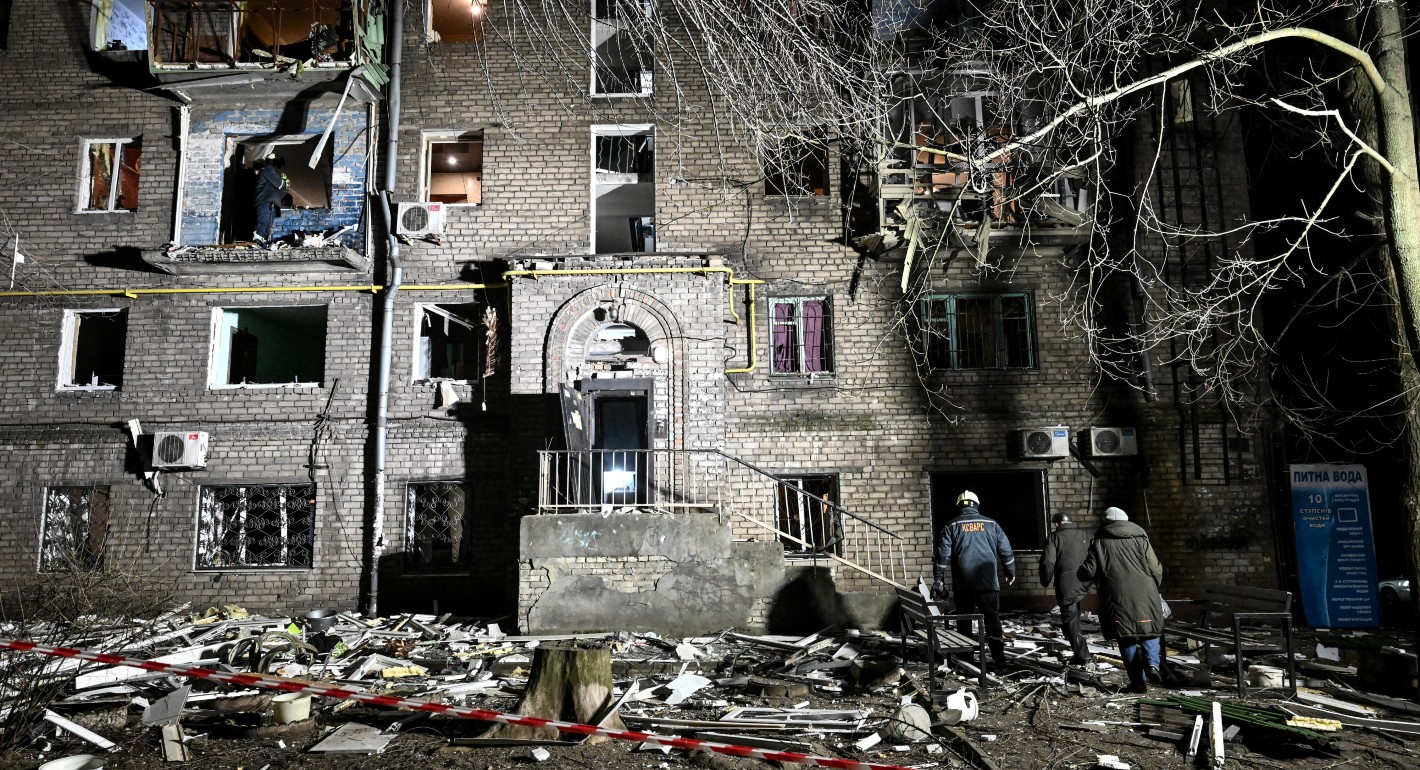
On the fourth anniversary of Russia’s full-scale invasion, Carnegie experts discuss the war’s impacts and what might come next.


Eric Ciaramella, Aaron David Miller, Alexandra Prokopenko, …
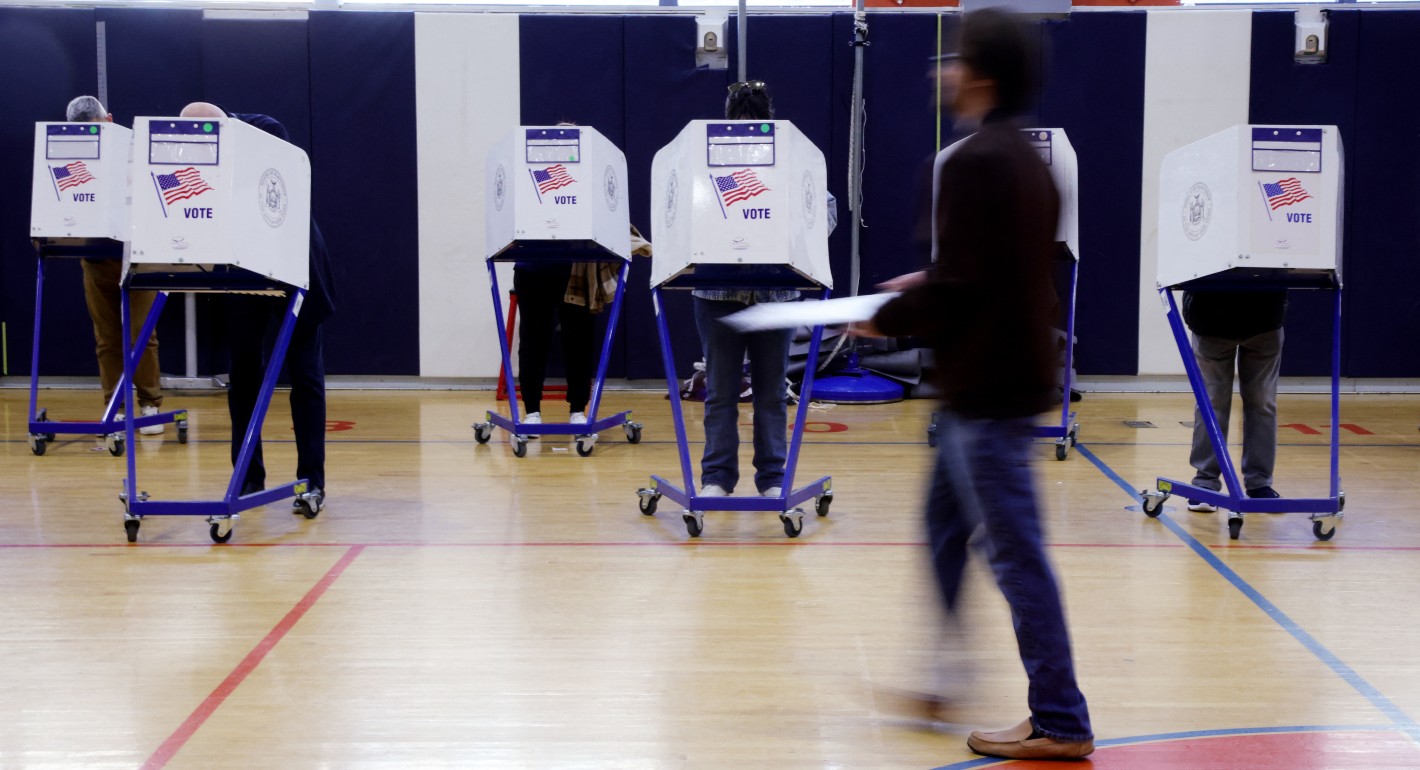
New data from the 2026 Indian American Attitudes Survey show that Democratic support has not fully rebounded from 2020.
Sumitra Badrinathan, Devesh Kapur, Andy Robaina, …
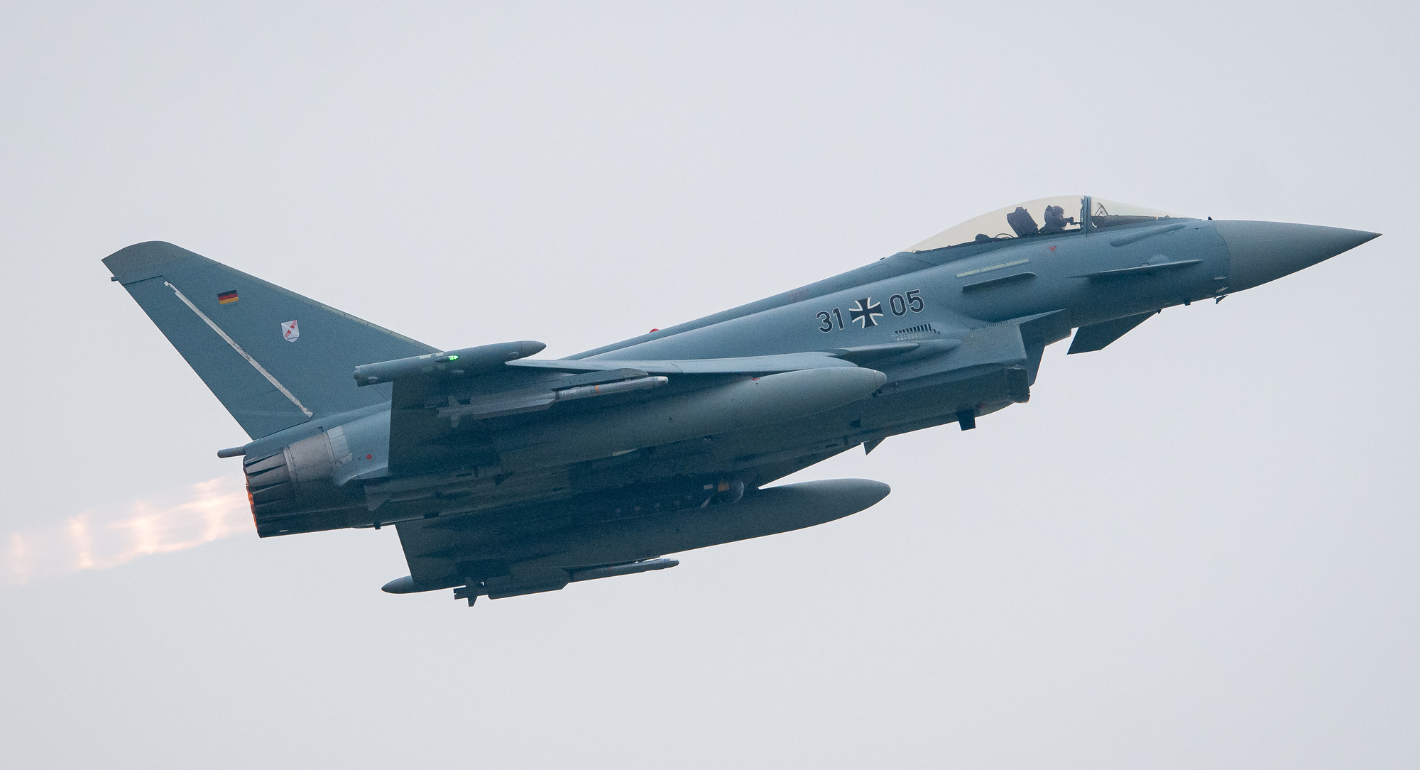
France and Germany’s failure to agree on the Future Combat Air System (FCAS) raises questions about European defense. Amid industrial rivalries and competing strategic cultures, what does the future of European military industrial projects look like?

Rym Momtaz, ed.
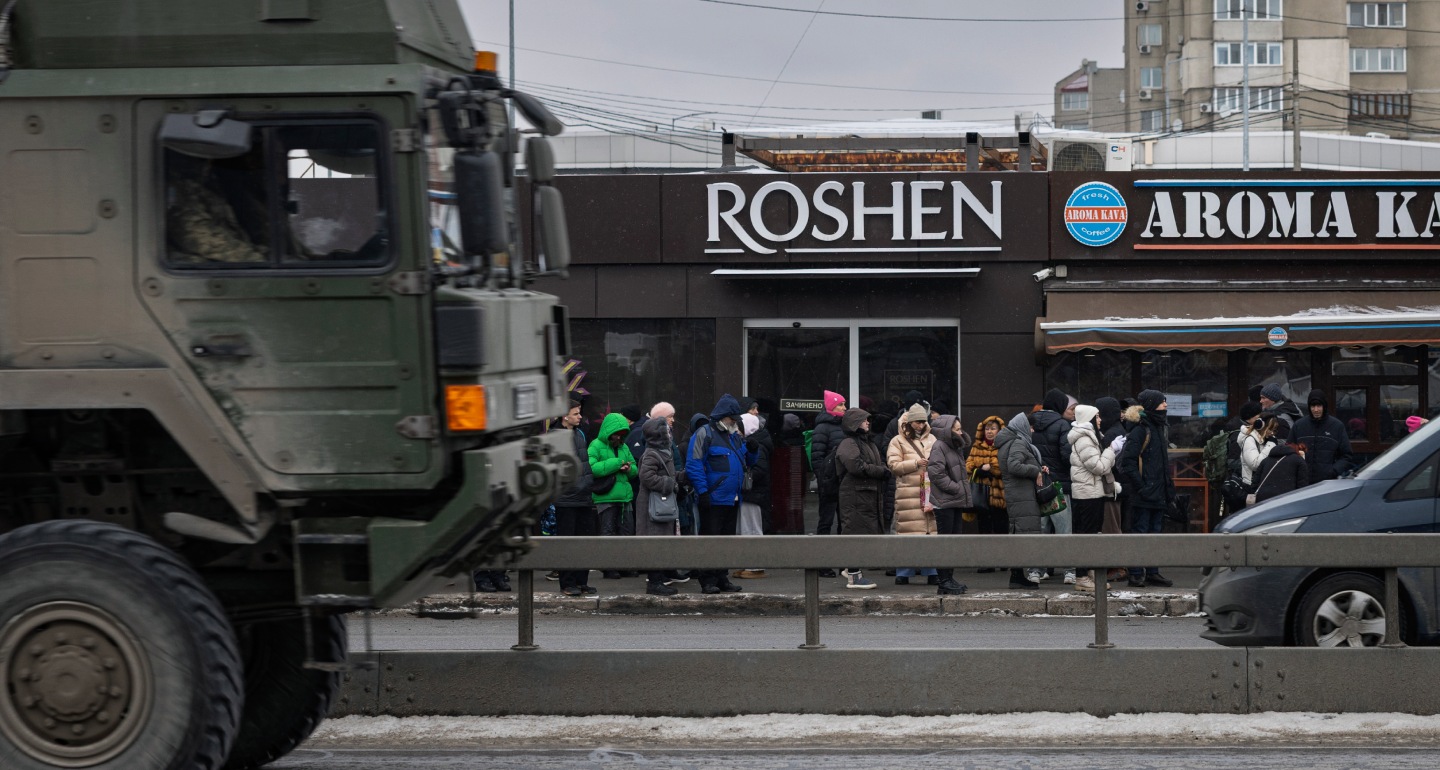
Putin is stalling, waiting for a breakthrough on the front lines or a grand bargain in which Trump will give him something more than Ukraine in exchange for concessions on Ukraine. And if that doesn’t happen, the conflict could be expanded beyond Ukraine.

Alexander Baunov