

Commentary
In the discussions made possible by the State Duma election campaign, one question is being asked more and more loudly. “What next?”
Andrey Pertsev
{
  "authors": [
    "Christophe Jaffrelot",
    "Pradyumna Jairam"
  ],
  "type": "legacyinthemedia",
  "centerAffiliationAll": "dc",
  "centers": [
    "Carnegie Endowment for International Peace"
  ],
  "collections": [],
  "englishNewsletterAll": "ctw",
  "nonEnglishNewsletterAll": "",
  "primaryCenter": "Carnegie Endowment for International Peace",
  "programAffiliation": "SAP",
  "programs": [
    "South Asia"
  ],
  "projects": [],
  "regions": [
    "South Asia",
    "India"
  ],
  "topics": [
    "Political Reform"
  ]
}
Source: Getty
BJP governments at the state and federal level are altering Indian history textbooks to conform with Hindu nationalist doctrine.
Source: Indian Express
Will the Congress government re-rewrite the history textbooks of Rajasthan, or is the Hindu nationalist version bound to prevail? And if one more version of India’s history is produced, in the context of the political narrative in India today, will it have any impact on the next generation of learners?
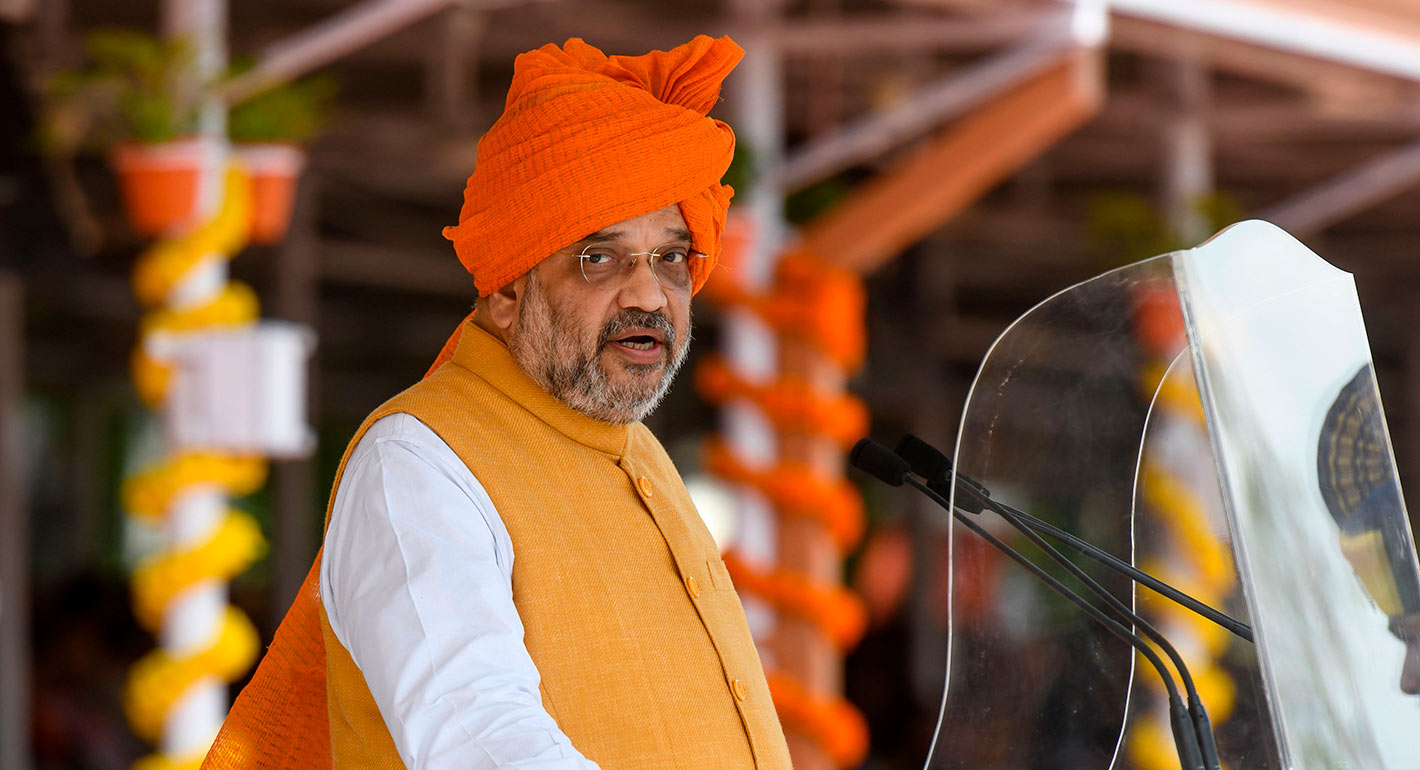
Union Home Minister Amit Shah, while speaking at a recent seminar in Banaras Hindu University on the 5th century emperor, Skandagupta, declared: “Putting together our history, embellishing it and rewriting it is the responsibility of the country, its people and historians”, suggesting that there are different ways to write the history of India and that professional historians had not done their job properly so far.
One of the government spheres in which the sangh parivar has always shown interest is the teaching of history, not only because it contributes to defining the national identity, but also because the parivar believes the version of the past portrayed by secularists does not reflect reality.
Shortly after Narendra Modi’s rise to power, in August 2014, the RSS formed a committee, the Bharatiya Shiksha Niti Aayog, to “Indianise” the education system. It was headed by Dinanath Batra, who had specialised in rewriting Indian history according to the canons of Hindu nationalism. In 2010, he had filed a civil suit to ban Wendy Doniger’s The Hindus, which he felt gave Hinduism a bad image. Batra also pressured the University of Delhi to remove from its syllabus an essay by A K Ramanujan — Three Hundred Ramayanas — that contradicted the Hindu nationalist idea that there was a single version of the epic.
At the same time, Batra, long-time general secretary of the sangh parivar’s Vidya Bharati, devoted most of his energy to combating perceived errors in history textbooks written by secular authors. In his 2001 book, The Enemies of Indianisation: The Children of Marx, Macaulay and Madrasa, he listed 41 major flaws that reflected the historic tropisms of the Hindu nationalists: First, the idea that the Aryans came from another part of the world in ancient times because the Hindus could only be sons of the soil; second, all the glories attributed to ancient India in its epic poems are an accurate reflection of historical reality; third, the Muslim invasions opened the darkest chapter in Indian history, starting with the destruction of Nalanda University in the 12th century up until the end of the Mughal empire; and fourth, the standard account of the freedom movement ascribes too much importance to Gandhi and Nehru to the detriment of Hindu nationalist heroes. These serious flaws have all been attributed to the secularist or Westernised nature of history textbook authors.
The second point was particularly emphasised by the leading Hindu nationalist historian, Y Sudershan Rao, who was appointed by the Narendra Modi government in summer 2014 to head the Indian Council of Historical Research. Rao views history and mythology as being the same thing and believes that historiographic research should focus on identifying the locations where the “events” described in the epics took place. This mixing up of history and mythology has become common since 2014. The then culture minister Mahesh Sharma said in 2018: “I worship Ramayana and I think it is a historical document.”
The textbooks put out by the National Council of Educational Research and Training (NCERT), which can be used in schools affiliated with the Central Board of Secondary Education (CBSE), have been extensively rewritten. According to The Indian Express, between 2014 and 2018 1,334 changes were made to 182 textbooks put out by the NCERT between 2005 and 2009.
However, the scale on which Hindu nationalists are rewriting history can be most clearly gauged at the state government level. Take Rajasthan, where the revision of the history curriculum, and changing of narratives formed an integral part of policy at the highest levels of government. In fact, when the BJP was in power, the education minister, Vasudev Devnani, was quite candid on how he wanted the history textbooks to be re-written. For him, the focus of teaching should be on imparting nationalism, and he asserted that the textbooks “would remove the chapters on the greatness of Akbar and include the heroics of Maharana Pratap”. This led to a process of regionalising the history of the nation, wherein Pratap would become the central protagonist of the Medieval period. Devnani went a step further when he had the textbooks change the outcome of the Battle of Haldighati, fought between Pratap and Akbar. As the historical record points to a stalemate, the BJP narrative “altered” this, to portray a victory for Pratap, in Devnani’s eyes “fixing an aberration”.
Devnani’s opinions reflected in the textbooks released in 2017. He remarked that the new textbooks would ensure “no more Kanhaiyas are born in the state”, a reference to the former JNUSU president who had been accused of sedition. Thus, nationalism became the cornerstone of the new Rajasthan history textbooks. This was depicted through a hagiographical account of Hindu rulers, which focused on their early lives, territorial exploits, and differences in personal demeanour from their Muslim enemies.
Besides, these textbooks revisited the prioritisation of individuals associated with the freedom struggle. For instance, the first prime minister of the nation, Jawaharlal Nehru, has been omitted from the class 8 textbook, while B R Ambedkar is classified as a ‘Hindu social reformer’, in a bid to sanitise his fight against caste. In fact, the textbooks argue that Ambedkar’s efforts were similar to those of Dayanand Saraswati, Mahatma Gandhi and RSS founder K B Hedgewar. Ambedkar’s more radical contributions such as the Mahad Satyagraha, or his conversion to Buddhism are omitted altogether.
Finally, the most celebrated “freedom fighter” is Vinayak Damodar Savarkar, the founder of the Hindutva ideology. He figures in every history textbook from class 8 to 12 as someone “whose contribution to the cause of independence cannot be described in words”. Deified status is further exemplified by describing him as a “great patriot, great revolutionary and great organiser”. The usage of the term “great” is thus once again the monopoly of certain protagonists in the BJP textbooks.
Thus, for the BJP, the teaching of history is linked to the prioritisation of certain communities and individuals in order to foster a particular spirit of nationalism among school students. While Batra has still not yet realised his ambitions at the national level, in the states, the party has been most effective in transmitting its version of Indian history to the next generation of learners.
Will the Congress government re-rewrite the history textbooks of Rajasthan, or is the Hindu nationalist version bound to prevail? And if one more version of India’s history is produced, in the context of the political narrative in India today, will it have any impact on the next generation of learners?
This article first appeared in the print edition on November 16, 2019 under the title ‘Education, ours and theirs’. Jaffrelot is senior research fellow at CERI-Sciences Po/CNRS, Paris, and Professor of Indian Politics and Sociology at King‘s India Institute, London. Jairam is a research scholar at King‘s College, London.
This article was originally published in the Indian Express.

Former Nonresident Scholar, South Asia Program
Jaffrelot’s core research focuses on theories of nationalism and democracy, mobilization of the lower castes and Dalits (ex-untouchables) in India, the Hindu nationalist movement, and ethnic conflicts in Pakistan.
Pradyumna Jairam
King's College
Author is a research scholar at King's College, London.
Carnegie does not take institutional positions on public policy issues; the views represented herein are those of the author(s) and do not necessarily reflect the views of Carnegie, its staff, or its trustees.

In the discussions made possible by the State Duma election campaign, one question is being asked more and more loudly. “What next?”

Andrey Pertsev

As AI grows more sophisticated, as the supply chains that power it become more contested, and as access to frontier models becomes geopolitically charged, India must begin to ask a different set of questions. Not what applications it can build on someone else’s infrastructure but what the world needs.

Konark Bhandari
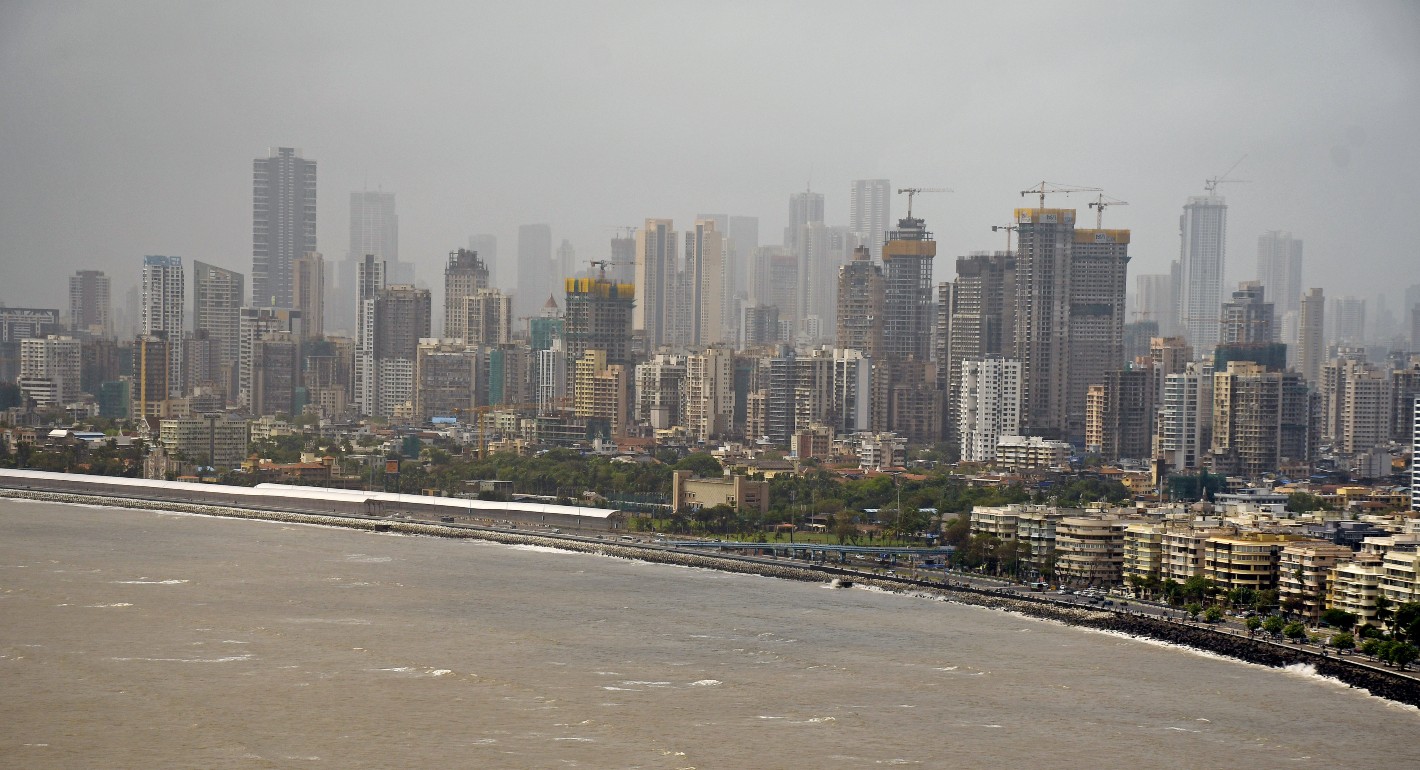
As India undergoes a demographic transition, its cities will be its economic powerhouse—but only if it accurately captures city growth and empowers cities to support their citizens.
Apoorva Jadhav
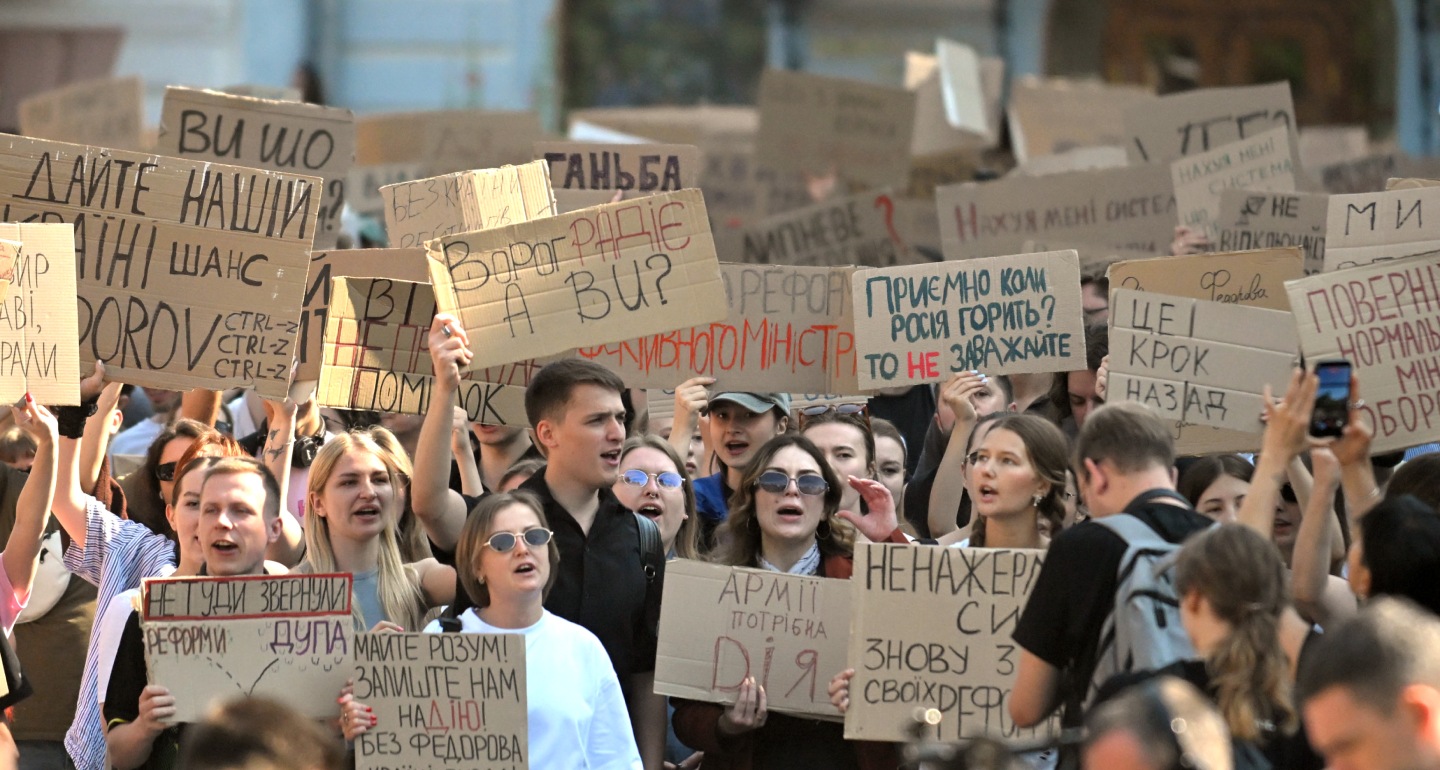
Even if the terms of a ceasefire or peace settlement are satisfactory to most Ukrainians, the country’s democracy will face its fair share of challenges.
Petro Burkovskyi, Olexiy Haran
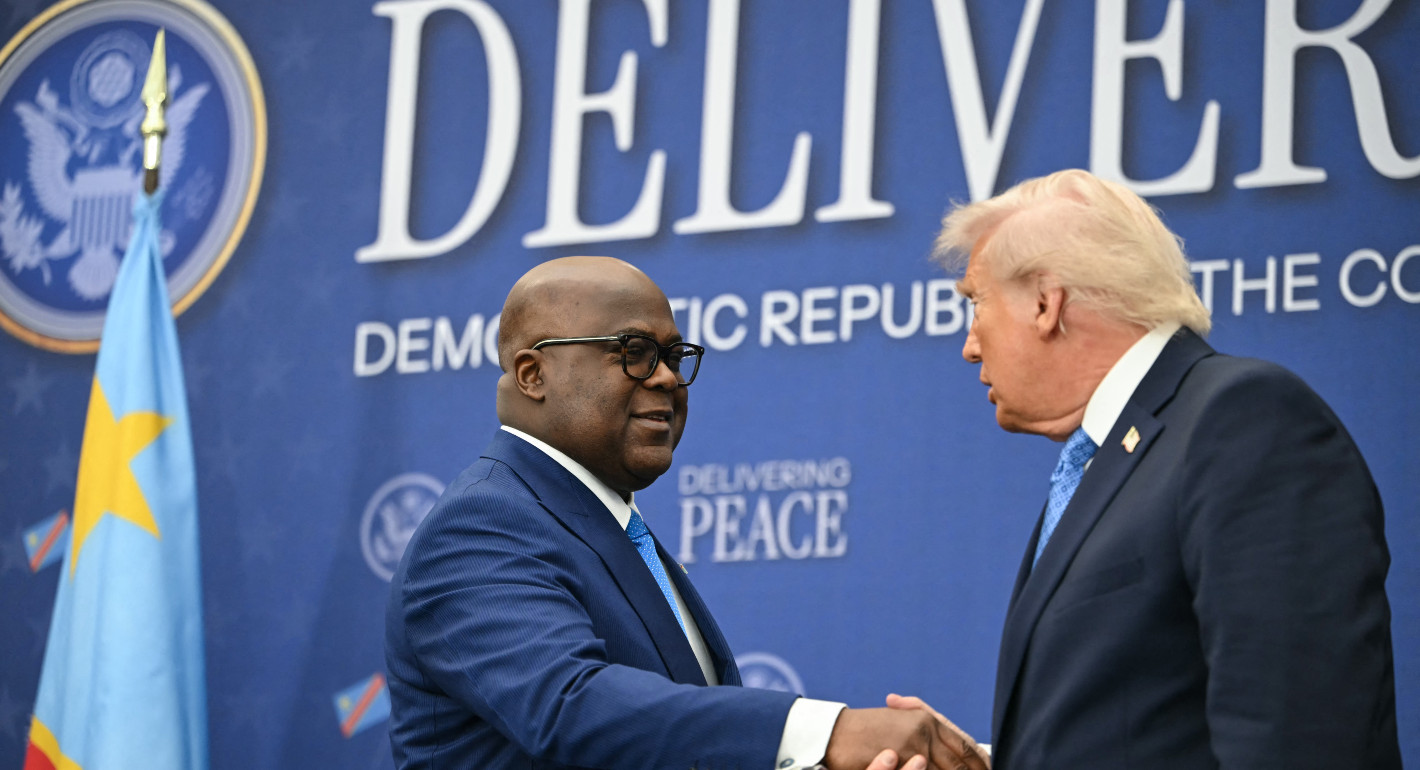
President Tshisekedi is implicating Washington in his pursuit of a third term. Staying silent may prove detrimental to the United States in the long run.
Christian-Géraud Neema