

Article
Suyash Rai, Anirudh Burman
{
  "authors": [
    "Suyash Rai"
  ],
  "type": "legacyinthemedia",
  "centerAffiliationAll": "",
  "centers": [
    "Carnegie Endowment for International Peace",
    "Carnegie India"
  ],
  "collections": [],
  "englishNewsletterAll": "",
  "nonEnglishNewsletterAll": "",
  "primaryCenter": "Carnegie India",
  "programAffiliation": "",
  "programs": [],
  "projects": [
    "Political Economy"
  ],
  "regions": [
    "South Asia",
    "India"
  ],
  "topics": [
    "Economy"
  ]
}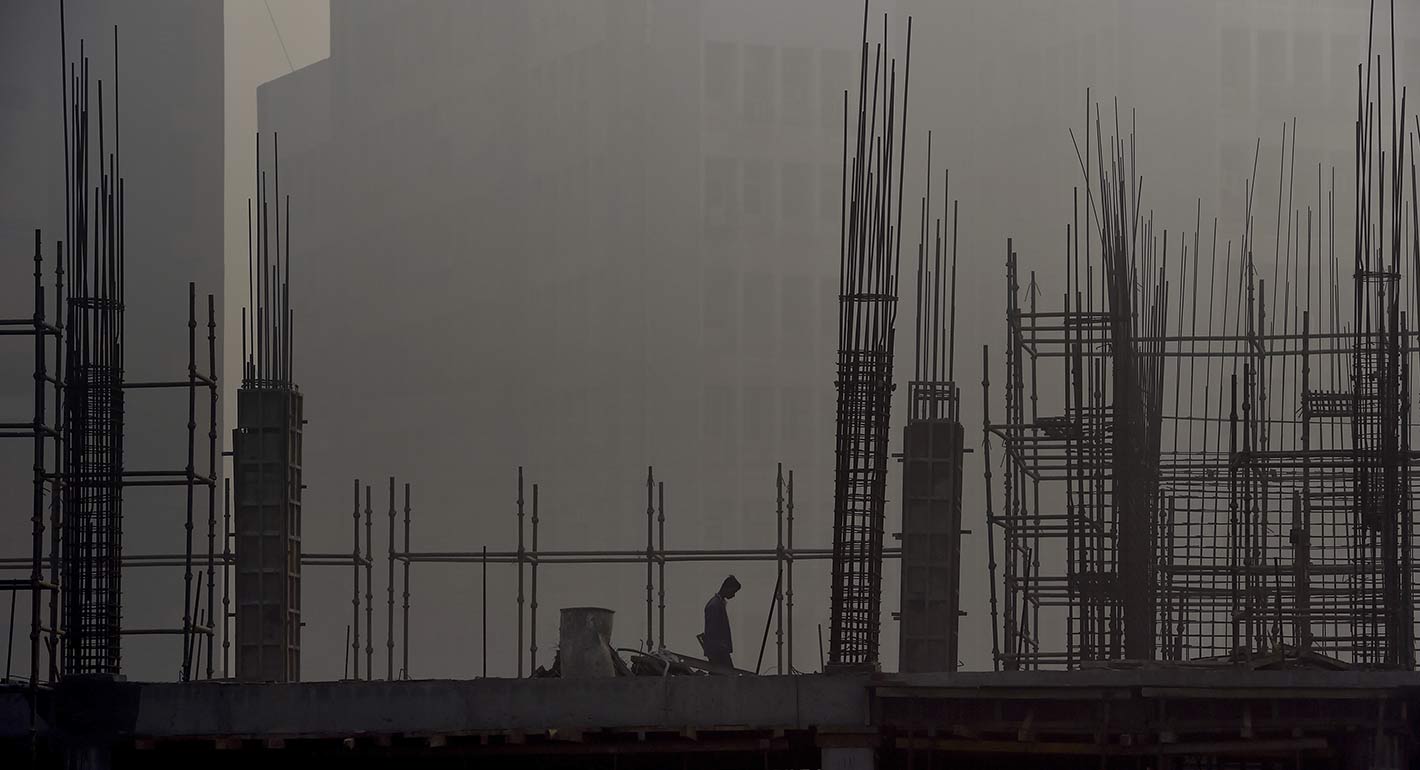
Source: Getty
In early 2016, the Indian government announced that it would start strategic disinvestment of central public sector enterprises (CPSEs).
Source: Hindustan Times
The Cabinet Committee on Economic Affairs (CCEA) has given an in-principle approval for strategic disinvestment of Bharat Petroleum Corporation Limited (BPCL), Shipping Corporation of India (SCI), and Container Corporation of India (CCI), and for sale of two power sector enterprises to National Thermal Power Corporation.
In early 2016, the government announced that it would start strategic disinvestment of central public sector enterprises (CPSEs). The CCEA had approved 28 CPSEs for this purpose. Five transactions were completed, but all these were sales of CPSEs to other CPSEs.
This article was originally published in the Hindustan Times.

Former Fellow, Carnegie India
Suyash Rai was a fellow at Carnegie India. His research focuses on the political economy of economic reforms, and the performance of public institutions in India.
Recent Work

Suyash Rai, Anirudh Burman


Shruti Sharma, Suyash Rai, Konark Bhandari, …
Carnegie does not take institutional positions on public policy issues; the views represented herein are those of the author(s) and do not necessarily reflect the views of Carnegie, its staff, or its trustees.

Rubio’s recent visit brought welcome attention, but more capital requires governance changes that may be a hard sell for regional governments.

Jennifer B. Murtazashvili

China has showcased its engineering prowess with small modular reactor demonstration projects. But turning these technological achievements into commercial success will be a greater challenge.

Tong Zhao

Despite public disputes over trade and immigration, the strategic partnership’s foundations remain sturdy.

Sameer Lalwani

With its public finances in shambles, the far right polling at 35 percent ahead of the 2027 presidential election, and a growing protest movement, is France’s crisis a threat to the EU’s geopolitical awakening?

Rym Momtaz, ed.

Russian strikes are weakening the economy sustaining Ukraine’s war effort. Closing the growing funding gap will require more European support and politically contentious reforms in Kyiv.

Balázs Jarábik