

Commentary
Alexander Baunov
{
  "authors": [
    "Alexander Baunov"
  ],
  "type": "legacyinthemedia",
  "centerAffiliationAll": "",
  "centers": [
    "Carnegie Endowment for International Peace",
    "Carnegie Russia Eurasia Center"
  ],
  "collections": [],
  "englishNewsletterAll": "",
  "nonEnglishNewsletterAll": "",
  "primaryCenter": "Carnegie Endowment for International Peace",
  "programAffiliation": "",
  "programs": [],
  "projects": [],
  "regions": [
    "Russia"
  ],
  "topics": [
    "Political Reform"
  ]
}
Source: Getty
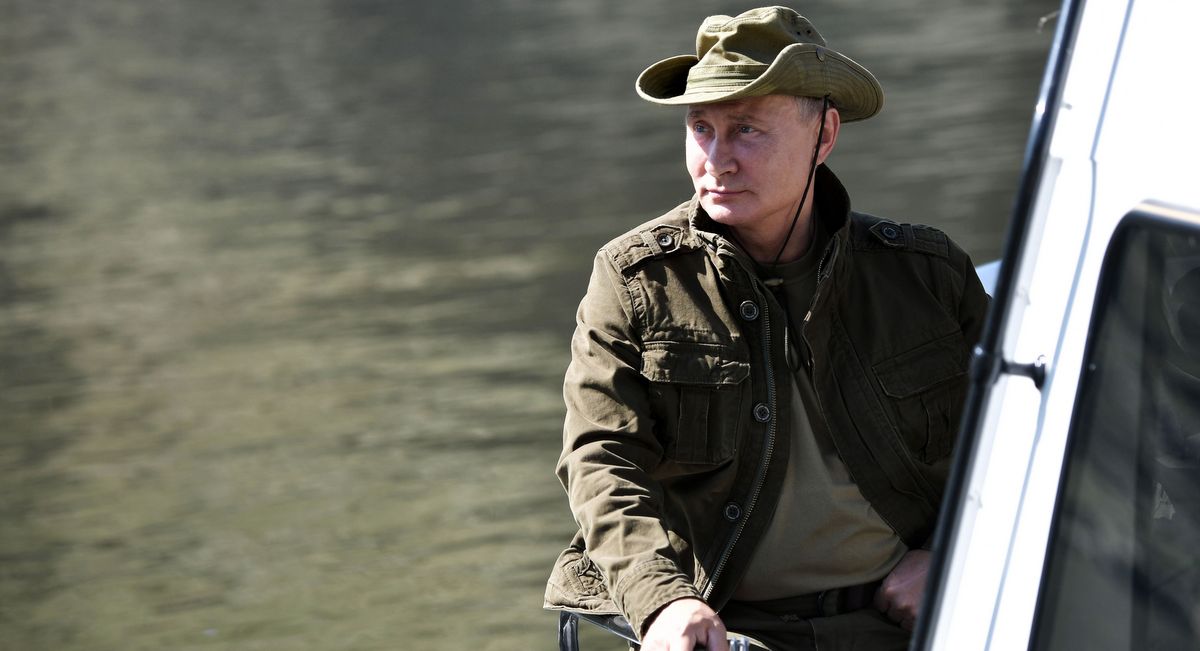
The Russian president may never leave the political stage—but he's now ready to take a step back.
Source: Foreign Policy
There will be no second Vladimir Putin. The Russian president sent out many messages in his State of the Nation address on Jan. 15, some of them unclear and instantly debated by present-day Kremlinologists. But one takeaway was clear. No one individual will have the vast range of constitutional powers that Putin has enjoyed since the year 2000 in his four terms as Russian leader—or indeed be able to serve four terms as Putin has done.
Putin has now set out the road map for the transition he wants Russia to make in 2024, the year he finishes his current and almost certainly last presidential term. It is a picture of continuity, in which Putin can still keep a pivotal role, even if not necessarily the most prominent one in public. Planned changes to the constitution will limit the power of the Russian presidency and also mean that Putin himself will not be eligible to run for president in 2024.
This will not be a repeat of the years 2008 to 2012, when Putin took the job of prime minister and Dmitry Medvedev served four years as president. Putin was evidently displeased with the experience of that “tandemocracy,” as it was sometimes called, and how he was unable fully to control his protégé, Medvedev.
Under the planned changes unveiled on Wednesday, Russia’s parliament will now appoint the prime minister and government. The president will have the power to reject the nomination. Basically, the holders of the two other main jobs of state, that of president and prime minister, will have their wings clipped, neither being as powerful as they are at the moment. All this will be approved in a referendum, giving the changes a stamp of public legitimacy.
A third force, the State Council—currently a little-noticed advisory body in the Kremlin—is set to have a new enhanced role above everyone, although Putin was a little coy about what its new powers will be. “It would make sense to strengthen the status and role of the State Council in the Constitution of Russia,” was all that Putin said on Wednesday. So it seems more than likely that Putin will take the job of head of the council, having served out his last constitutionally permitted presidential term.
Russia will still need a presidential figurehead, a new head of state with considerable powers, especially in foreign and security policy. Who does Putin and his team intend to fill that role in 2024? Probably not the new prime minister, Mikhail Mishustin, who is widely thought of as a mere technocrat. Mishustin may grow into the role of presidential heir, however, as Putin himself did more than 20 years ago, when he was also more bureaucrat than politician. (It’s important to note here that Mishustin, having successfully run Russia’s tax service, a body that is devoted both to revenue collection and law enforcement, is half-economist, half-security official.)
Another change announced on Wednesday was that the governors of Russia’s regions will get increased powers. It is more likely that the candidate to be the next president will emerge from among their ranks. Several contenders are already being mentioned, among them two security officials who served Putin in the Kremlin and are now governors: Alexey Dumin, who heads the Tula region, and Dmitry Mironov, the governor of Yaroslavl.
At first glance, Wednesday’s announcement was a humiliation for Medvedev, the perpetual No. 2 in Russian politics, who served four years as president after Putin had completed his first two terms, and who has now completed a further eight as prime minister. His new job, deputy head of the Security Council, looks like a significant demotion. But in actual fact the head of the security council is no one other than Putin himself, so Medvedev is just keeping his No. 2 role in another capacity.
In the new more complex constitutional configuration, the Kremlin Security Council (not to be confused with the State Council) is set to have a more important role as arbiter of disputes and center of strategic decision-making. Staffed by Putin’s inner circle, it is likely to be his personal Politburo over the next four years. So by being Putin’s deputy in that body, Medvedev keeps the job of being a fallback option for president—a known quantity and reliable option for the succession if, as so often happens in Russian court politics, things go awry. Medvedev is a safe but not very inspiring option as far as Putin is concerned, lacking public popularity.
Russia’s main opposition leader, the anti-corruption activist Alexei Navalny, was also given a message: that he won’t even be permitted to compete. Another proposed constitutional amendment stipulates that any future president needs to have lived in Russia for 25 years without a break and have never had a foreign passport or residency permit. That looks set to push Alexei Navalny, who studied in the United States at Yale University in 2010, out of the running. What’s more, it will exclude other pro-Western figures in the Russian elite who have studied or worked in the West. The Russian patriots who make up Putin’s base will like that.
Overall, Putin’s speech is supposed to set the tone for the remaining swan song years of his presidency. The message delivered to the public is that Putin’s titanic efforts to rebuild Russia after the collapse of the Soviet Union have accomplished their goal, and that no other single person is required to bear this burden of leadership. The executive roles will be shared out. If we are looking for a parallel in Russian history, we need to go back to 1953, when a collective leadership was in charge of the Soviet Union for a few years after the death of Joseph Stalin.
Moreover, the newly amended constitution will make Russian law preeminent, which means the country will no longer be bound by foreign legal constraints from the European Court of Human Rights and the Council of Europe, which has been an irritant for the Russian government in many years in upholding human rights complaints from Chechnya in particular. That means an end, the Kremlin is telling Russians, to the practice of foreigners instructing the Russian government to change its behavior toward its citizens.
Russia is imagined here as a kind of gilded cage: tightly defended on the outside, but strong and healthy within. The security elite, the so-called siloviki with backgrounds in the KGB and other intelligence services like Putin himself, keep their role of defending the state against foreign intervention. Capitalism and the market are maintained, but the goals of economic growth and technological modernization are entrusted to government technocrats.
In 1999, Boris Yeltsin, beset by domestic opponents, got the better of them and named a comparatively unknown figure, Vladimir Putin, as his prime minister and then eventual successor. Yeltsin resigned earlier than anticipated, and Putin won a smooth victory. Now Putin himself sees no threat domestically but fears enemies abroad. His inner circle still fears that the West could use the remaining political institutions as a weapon against him. By setting the rules of the 2024 transition and announcing these constitutional changes so early, he is trying to stay ahead of the game and wrong-foot his top enemy: the West.

Senior Fellow, Editor-in-Chief, Carnegie Russia Eurasia Center
Baunov is a senior fellow and editor-in-chief at the Carnegie Russia Eurasia Center.
Recent Work
Alexander Baunov
Alexander Baunov
Carnegie does not take institutional positions on public policy issues; the views represented herein are those of the author(s) and do not necessarily reflect the views of Carnegie, its staff, or its trustees.
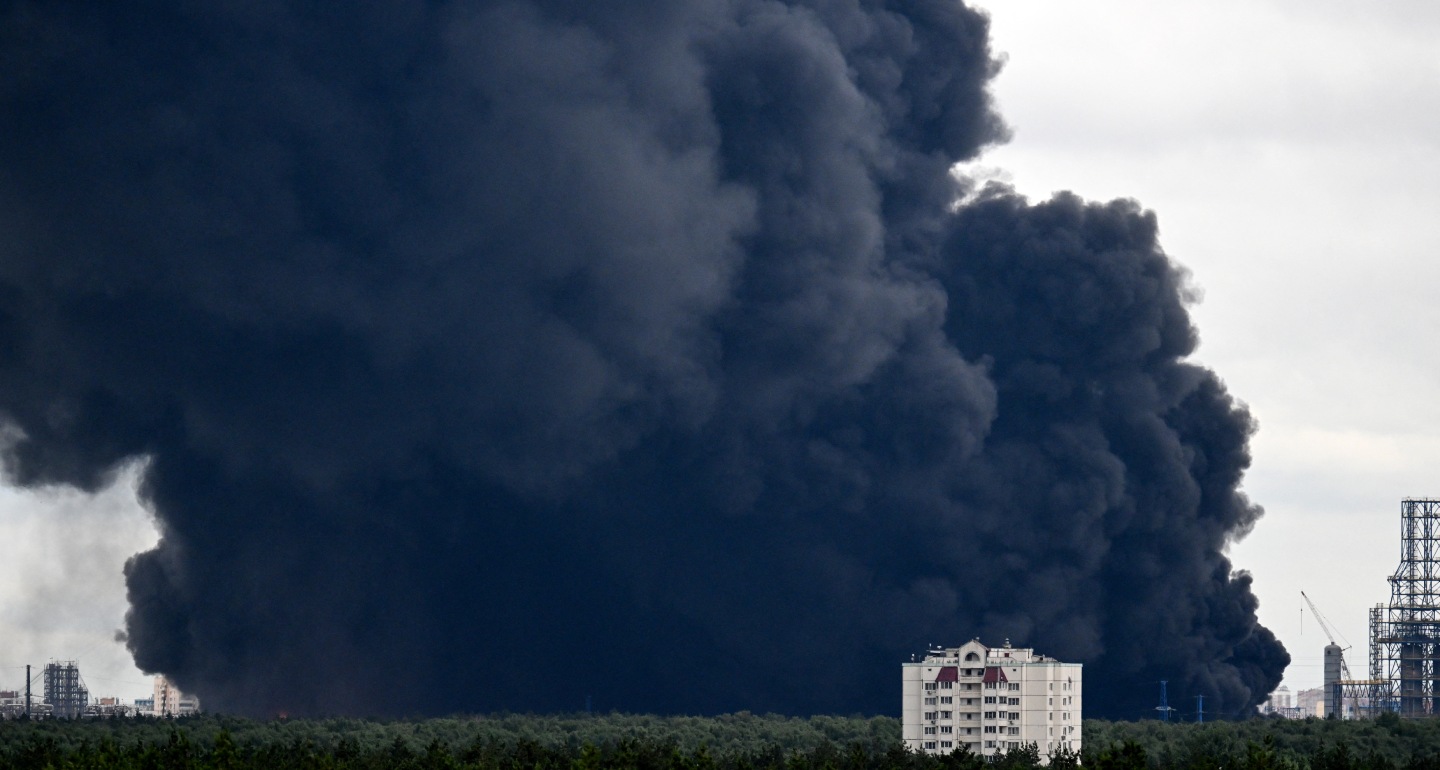
If it proves impossible for the Russian authorities to avoid a gasoline deficit, the question then becomes how they will organize the distribution of a scarce resource.

Sergey Vakulenko
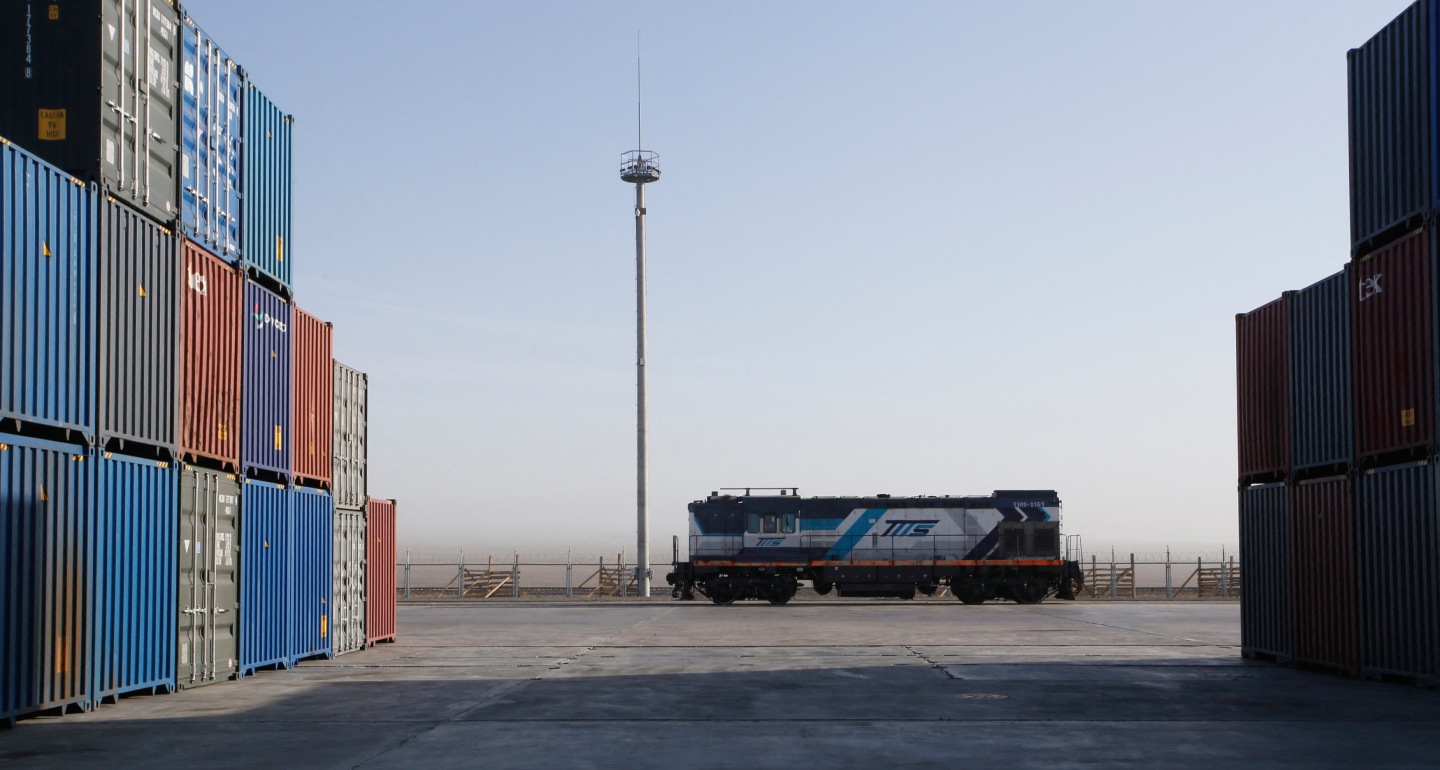
This year’s wars have made alternative routes to transit through Russia no less risky for Central Asian countries.

Galiya Ibragimova
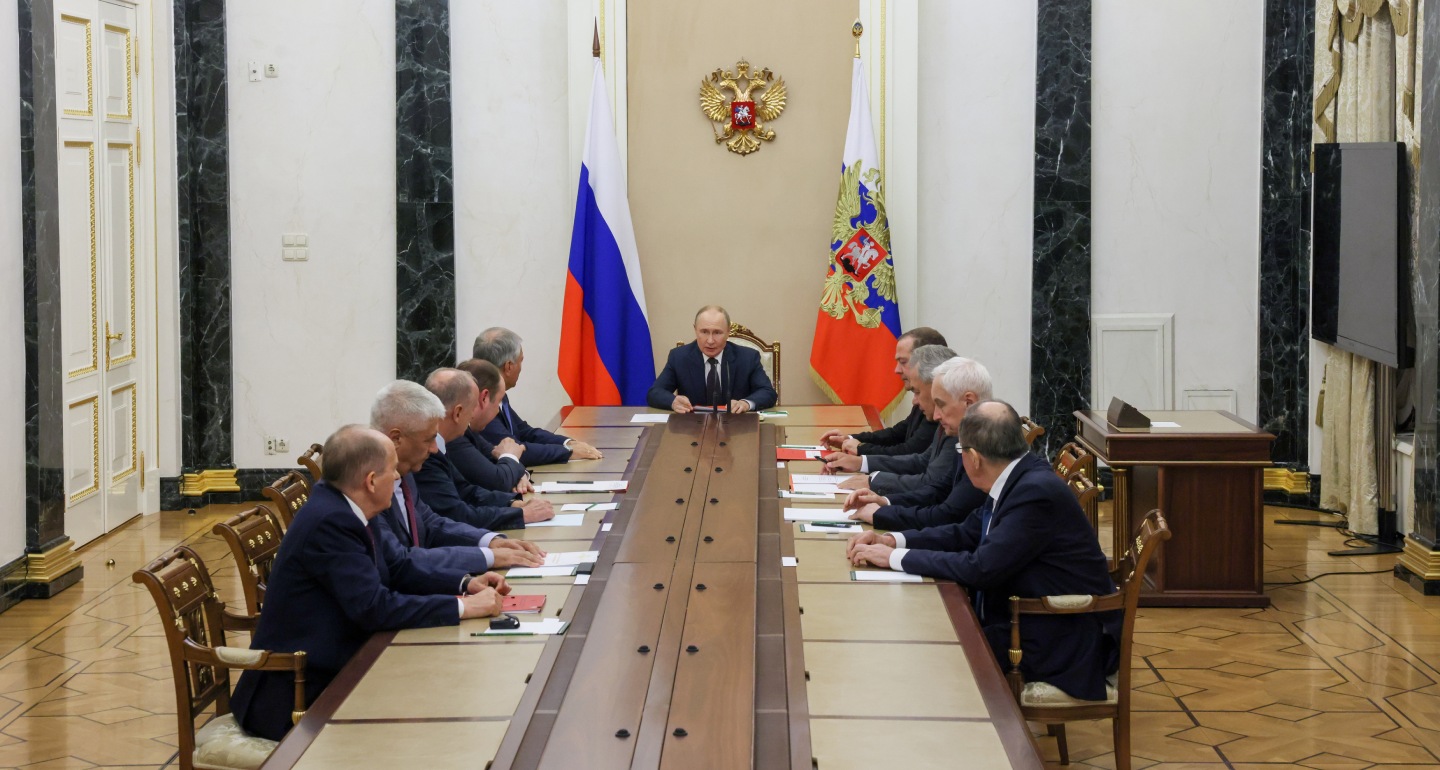
The ruling elites in contemporary Russia are not a political class, but a community of managers who are not subject to competition or public accountability. The state is becoming an operating apparatus without any internal autonomy.

Alexandra Prokopenko
Pashinyan’s pro-European party has been re-elected with a decisive victory. But the pro-Russian opposition could still slow Armenia’s progress toward peace with Azerbaijan and rapprochement with Europe.
Mikayel Zolyan
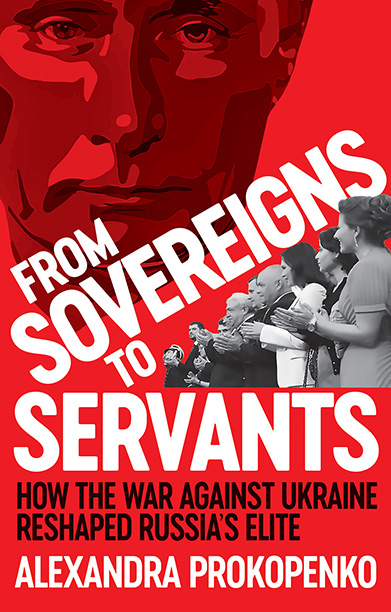
How did Putin co-opt Russia’s political and economic elites, ensuring no more than fitful resistance to the regime’s war on Ukraine?
Alexandra Prokopenko