

Commentary
It should address the shortcomings of previous crisis communication efforts and adapt to the demands of frontier AI.
Lucy Luo
{
  "authors": [
    "Wyatt Hoffman",
    "Duncan Hollis",
    "Christian Ruhl"
  ],
  "type": "legacyinthemedia",
  "centerAffiliationAll": "dc",
  "centers": [
    "Carnegie Endowment for International Peace"
  ],
  "collections": [],
  "englishNewsletterAll": "ctw",
  "nonEnglishNewsletterAll": "",
  "primaryCenter": "Carnegie Endowment for International Peace",
  "programAffiliation": "TIA",
  "programs": [
    "Technology and International Affairs"
  ],
  "projects": [],
  "regions": [
    "North America",
    "United States",
    "Iran"
  ],
  "topics": [
    "Technology"
  ]
}
Source: Getty
Rather than process fragmentation, the key challenges for cyber norms development derive from the structure of the cyber domain itself and the current alignment of incentives for state behavior.
Source: Lawfare Blog
In October 2019, a major cyberattack on the Republic of Georgia disrupted thousands of government, media and private websites in the country, highlighting the escalating scope of cyber aggression. The following day, the University of Pennsylvania’s Perry World House and the Carnegie Endowment for International Peace convened key stakeholders from academia, industry and policy for a workshop to assess the state of global cyber norms processes. We’ve compiled the takeaways from the workshop, which was held under Chatham House Rules, in a new report. The discussions indicated that while the splintering of cyber norms processes in recent years raises cause for concern, fragmented initiatives provide reason for optimism that norms will eventually solidify.
Last week, the United States, United Kingdom, Australia and a number of European states publicly condemned Russia for the Oct. 28 cyberattacks against Georgia, reportedly attributed to Russia’s military intelligence service, the GRU. A rare example of collective attribution, the condemnation follows a joint statement signed by the U.S. and 26 other states in September 2019 pledging to hold states accountable for “bad behavior in cyberspace.” While this response is a welcome development, such accusations remain a modest response to increasingly flagrant cyber aggression: Indiscriminate cyberattacks like NotPetya, malware targeting critical infrastructure and large-scale cyber-enabled disinformation campaigns all demonstrate the acute need to solidify rules of the road for cyber operations.
Former Senior Research Analyst, Cyber Policy Initiative
Wyatt Hoffman was a senior research analyst with the Nuclear Policy Program and the Cyber Policy Initiative at the Carnegie Endowment for International Peace.
Duncan Hollis
Duncan B. Hollis is James E. Beasley Professor of Law at Temple University Law School. He is editor of the award-winning Oxford Guide to Treaties (Oxford University Press, 2012) as well as various articles on securing cyberspace, including (with Martha Finnemore) Constructing Norms for Global Cybersecurity, 110 American J. Int’l Law 425 (2016). Professor Hollis is a Non-Resident Scholar at the Carnegie Endowment for International Peace, an elected member of the American Law Institute, and a member of the OAS Inter-American Juridical Committee.
Christian Ruhl
Christian Ruhl is the program associate for Global Order at Perry World House, the University of Pennsylvania's hub for global affairs.
Carnegie does not take institutional positions on public policy issues; the views represented herein are those of the author(s) and do not necessarily reflect the views of Carnegie, its staff, or its trustees.

It should address the shortcomings of previous crisis communication efforts and adapt to the demands of frontier AI.

Lucy Luo
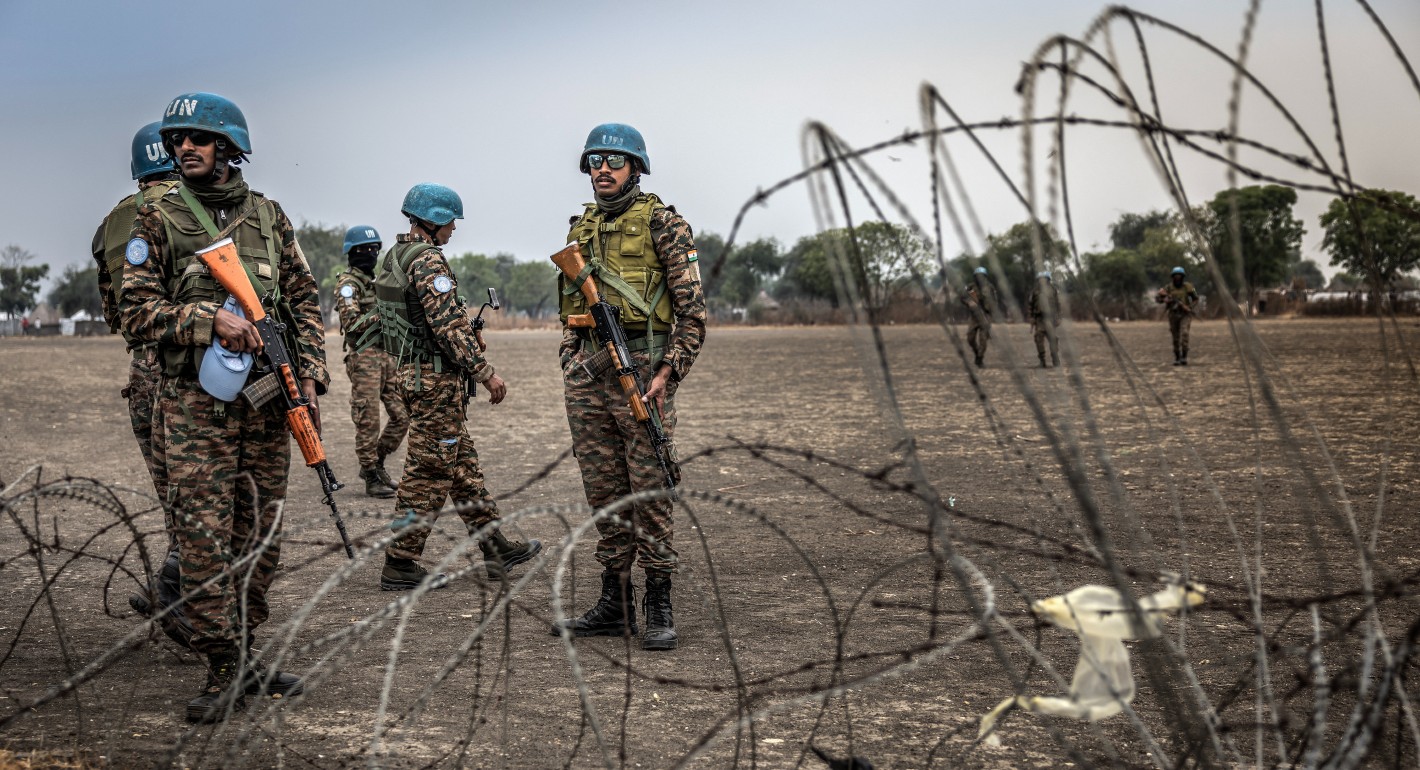
Washington’s decision to support some UN functions while letting others wither is pulling the organization apart at the seams.

Stewart Patrick, Theodore Zaritsky

While there are notable demographic, economic, and geographic divides over AI, there is also substantial alignment between Republicans and Democrats.



Ian Klaus, Mark Baldassare, Rachel George, …

AI capabilities are moving fast. Most institutions—including governments—can’t keep up.


Anton Leicht, Scott Singer

The Bureau of Industry and Security needs to adjust its focus and practices to maintain its position as the U.S. government’s primary champion of international technological competition.

Geoffrey Irving