


France has stopped clinging to notions of being a great power and is embracing the middle power moment. But Emmanuel Macron has his work cut out if he is to secure his country’s global standing before his term in office ends.
Rym Momtaz
{
"authors": [
"Toby Dalton",
"George Perkovich"
],
"type": "legacyinthemedia",
"centerAffiliationAll": "dc",
"centers": [
"Carnegie Endowment for International Peace"
],
"collections": [
"Korean Peninsula",
"Renovating the Nuclear Order"
],
"englishNewsletterAll": "",
"nonEnglishNewsletterAll": "",
"primaryCenter": "Carnegie Endowment for International Peace",
"programAffiliation": "NPP",
"programs": [
"Nuclear Policy"
],
"projects": [],
"regions": [
"East Asia",
"North Korea"
],
"topics": [
"Nuclear Policy",
"Arms Control"
]
}Source: Getty
What model for nuclear disarmament might a nuclear-armed state demand of its adversaries and accept for itself? If states were to commit to dismantle their nuclear arsenals, what would be the key benchmarks for assessing the progressive implementation of such a commitment?
Center for Global Security Research, Lawrence Livermore National Laboratory
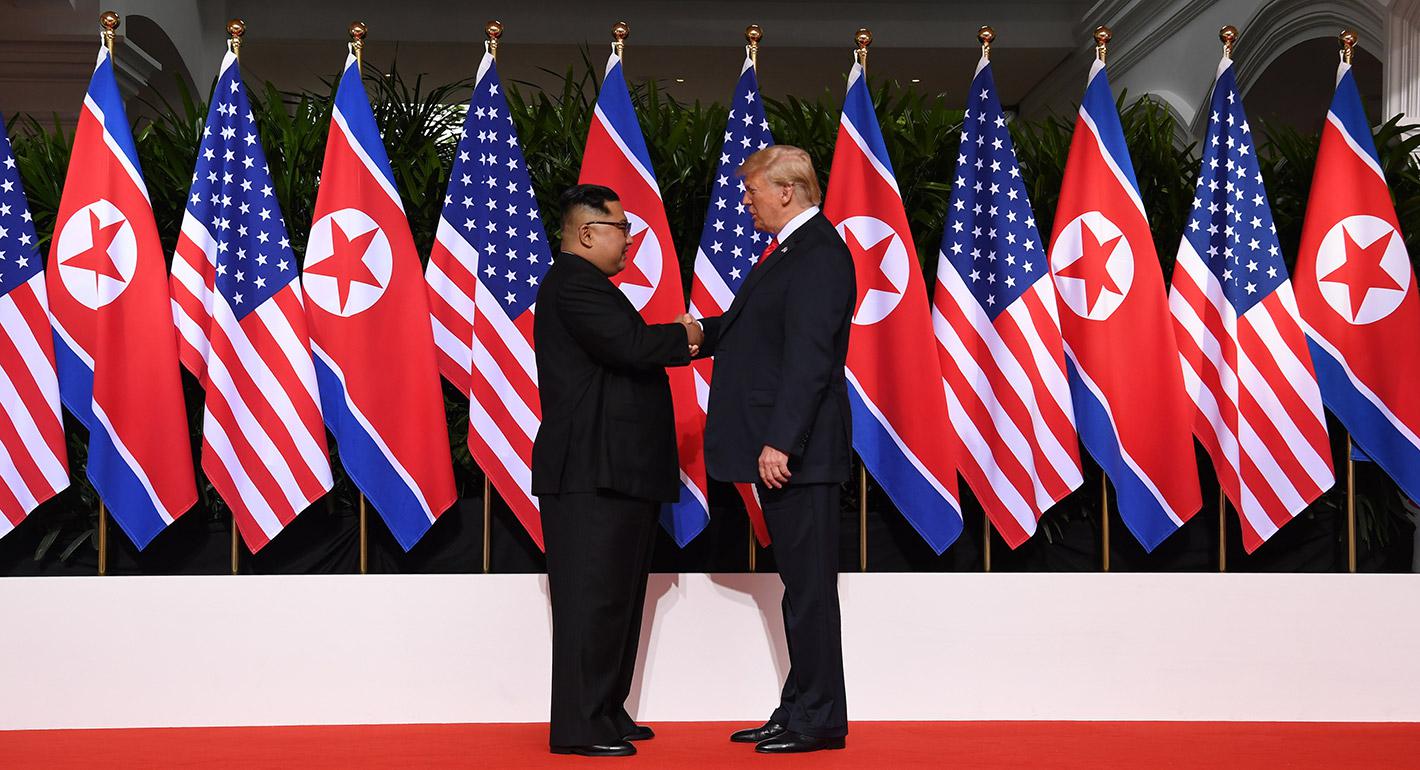
Neither the governments attempting to negotiate with North Korea, nor the drafters of the UN Treaty on the Prohibition of Nuclear Weapons, define what verifiable elimination of nuclear weapons and associated infrastructure would entail, whether in one country or in all.
What model for nuclear disarmament might a nuclear-armed state demand of its adversaries and accept for itself? If states were to commit to dismantle their nuclear arsenals, what would be the key benchmarks for assessing the progressive implementation of such a commitment?
Designing sustainable, effective nuclear disarmament—of North Korea or any other nuclear-armed state—requires much more than dismantling warheads and controlling fissile material stocks. Disarming states would need to collectively agree what types and numbers of delivery systems (especially missiles) would be permissible. Both nuclear-armed and non-nuclear-weapon states would need to determine what peaceful nuclear and space activities may remain during and after nuclear disarmament, and under what reassurance/monitoring conditions. At least some states would press for monitored limits on research and development activities vital to building or reconstituting nuclear arsenals.
The paper starts from a logic that could inform a denuclearization agreement with North Korea and how to manage its retention of nuclear weapons-related capabilities, including nuclear energy production, conventionally armed ballistic missiles, and a space launch program, among others. The paper then explores comparable political and technical choices that would need to be made in the disarmament of other nuclear-armed states, focusing on six challenges that will shape negotiations on dual-use capabilities and activities that would remain during and after disarmament. Finally, the paper examines challenges in verifying compliance and surveys the often-avoided problem of enforcing disarmament agreements.
The authors do not pretend that a particular disarmament roadmap could be charted today; rather they suggest how progress toward disarmament could be defined and assessed in light of challenges that are likely to exist. Thinking through and debating what would be involved in nuclear disarmament—and how it could be done in ways that would not make major warfare between states more likely—can constructively inform policy decisions that states are making now.
Senior Fellow and Co-director, Nuclear Policy Program
Toby Dalton is a senior fellow and co-director of the Nuclear Policy Program at the Carnegie Endowment. An expert on nonproliferation and nuclear energy, his work addresses regional security challenges and the evolution of the global nuclear order.
Japan Chair for a World Without Nuclear Weapons, Senior Fellow
George Perkovich is the Japan Chair for a World Without Nuclear Weapons and a senior fellow in the Carnegie Endowment for International Peace’s Nuclear Policy Program. He works primarily on nuclear deterrence, nonproliferation, and disarmament issues, and is leading a study on nuclear signaling in the 21st century.
Carnegie does not take institutional positions on public policy issues; the views represented herein are those of the author(s) and do not necessarily reflect the views of Carnegie, its staff, or its trustees.
France has stopped clinging to notions of being a great power and is embracing the middle power moment. But Emmanuel Macron has his work cut out if he is to secure his country’s global standing before his term in office ends.
Rym Momtaz
An exploration into how India and Pakistan have perceived each other’s manipulations, or lack thereof, of their nuclear arsenals.
Rakesh Sood
For Putin, upgrading Russia’s nuclear forces was a secondary goal. The main aim was to gain an advantage over the West, including by strengthening the nuclear threat on all fronts. That made growth in missile arsenals and a new arms race inevitable.
Maxim Starchak
A close study of five crises makes clear that Cold War logic doesn’t apply to the South Asia nuclear powers.
Moeed Yusuf, Rizwan Zeb
As states without nuclear weapons develop nuclear-powered submarines, can NWFZ regimes adapt to manage new technical, legal, procedural, and normative challenges?
Jamie Kwong, ed., Toby Dalton, ed., Celia McDowall, ed.