

Research
Steve Feldstein, Shreya Joshi
{
  "authors": [
    "Steve Feldstein"
  ],
  "type": "legacyinthemedia",
  "centerAffiliationAll": "dc",
  "centers": [
    "Carnegie Endowment for International Peace"
  ],
  "collections": [],
  "englishNewsletterAll": "democracy",
  "nonEnglishNewsletterAll": "",
  "primaryCenter": "Carnegie Endowment for International Peace",
  "programAffiliation": "DCG",
  "programs": [
    "Democracy, Conflict, and Governance"
  ],
  "projects": [],
  "regions": [
    "North America",
    "United States"
  ],
  "topics": [
    "Political Reform",
    "Democracy",
    "Foreign Policy"
  ]
}
Source: Getty
The crisis has badly damaged global opinion about American competence.
Source: MIT Technology Review
By late July, most rich countries had brought their covid-19 infection rates down far below their initial peaks. In the US, however, the number of daily new cases was at record highs and still climbing.
The crisis has badly damaged global opinion about American competence. A report in June from survey company Dalia Research revealed a broad consensus that China has handled covid-19 far better than the US. Of the 53 countries surveyed, ranging from Denmark to Iran, only two thought the US had responded better than China: Japan and the US itself. The Dalia survey also found that across the board, public perceptions of US global influence have markedly deteriorated. Nearly as many people believe that America’s impact on democracy has been negative as positive. People in stalwart democracies such as Canada, Germany, and the UK are particularly critical.
This article was originally published by the MIT Technology Review.

Director and Senior Fellow, Democracy, Conflict, and Governance Program
Steve Feldstein is a senior fellow and director of the Democracy, Conflict, and Governance Program at the Carnegie Endowment for International Peace. His research focuses on technology, national security, the global context for democracy, and U.S. foreign policy.
Recent Work
Steve Feldstein, Shreya Joshi
Steve Feldstein
Carnegie does not take institutional positions on public policy issues; the views represented herein are those of the author(s) and do not necessarily reflect the views of Carnegie, its staff, or its trustees.

Despite a new textbook, an influx of Russian teachers and managers, and an end to the teaching of Ukrainian, the Kremlin is unlikely to have “reprogrammed” locals.

Konstantin Skorkin
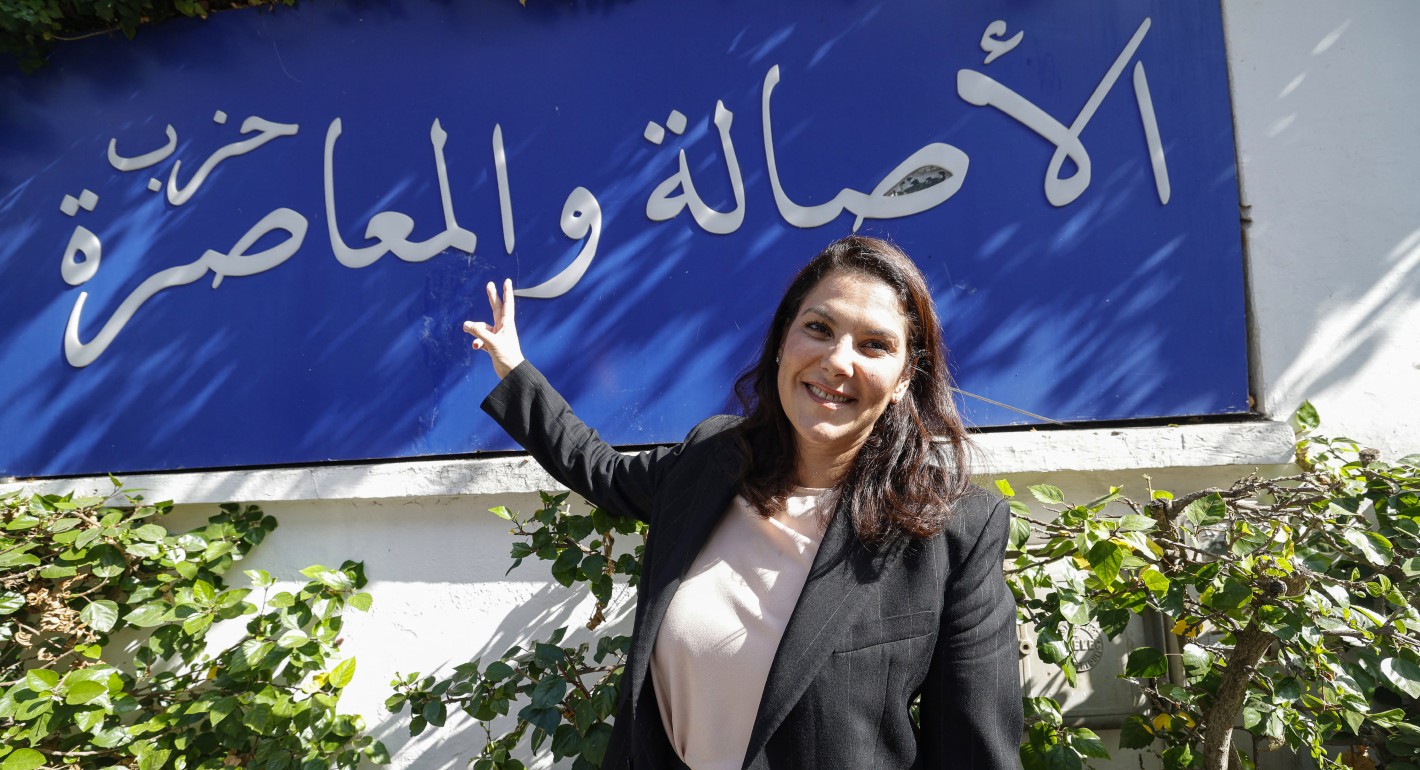
Fatima El Mansouri is the country’s first female prime minister. She’s also a privileged insider in a largely ceremonial position.

Sarah Yerkes

The acknowledgment has sparked fears of a new arms race with China and Russia.

Chris O’Meara

Smaller powers cannot go it alone, but Canadian history shows that integration with the United States will not always be benign.
Paul Samson

The European Commissioner for Trade is headed to China. But after President Xi’s bridge-building visit to Washington, can a more isolated EU overcome Beijing’s stranglehold on critical raw materials? Who will blink first?

Rym Momtaz, ed.