

The country’s strategy is no longer focused on deterrence and diplomacy, it’s about dominance and degradation.
Nathan J. Brown
{
"authors": [
"Rachel Kleinfeld",
"Amanda Ripley"
],
"type": "legacyinthemedia",
"centerAffiliationAll": "dc",
"centers": [
"Carnegie Endowment for International Peace"
],
"collections": [],
"englishNewsletterAll": "democracy",
"nonEnglishNewsletterAll": "",
"primaryCenter": "Carnegie Endowment for International Peace",
"programAffiliation": "DCG",
"programs": [
"Democracy, Conflict, and Governance"
],
"projects": [],
"regions": [
"North America",
"United States"
],
"topics": [
"Political Reform",
"Democracy",
"Civil Society"
]
}Source: Getty
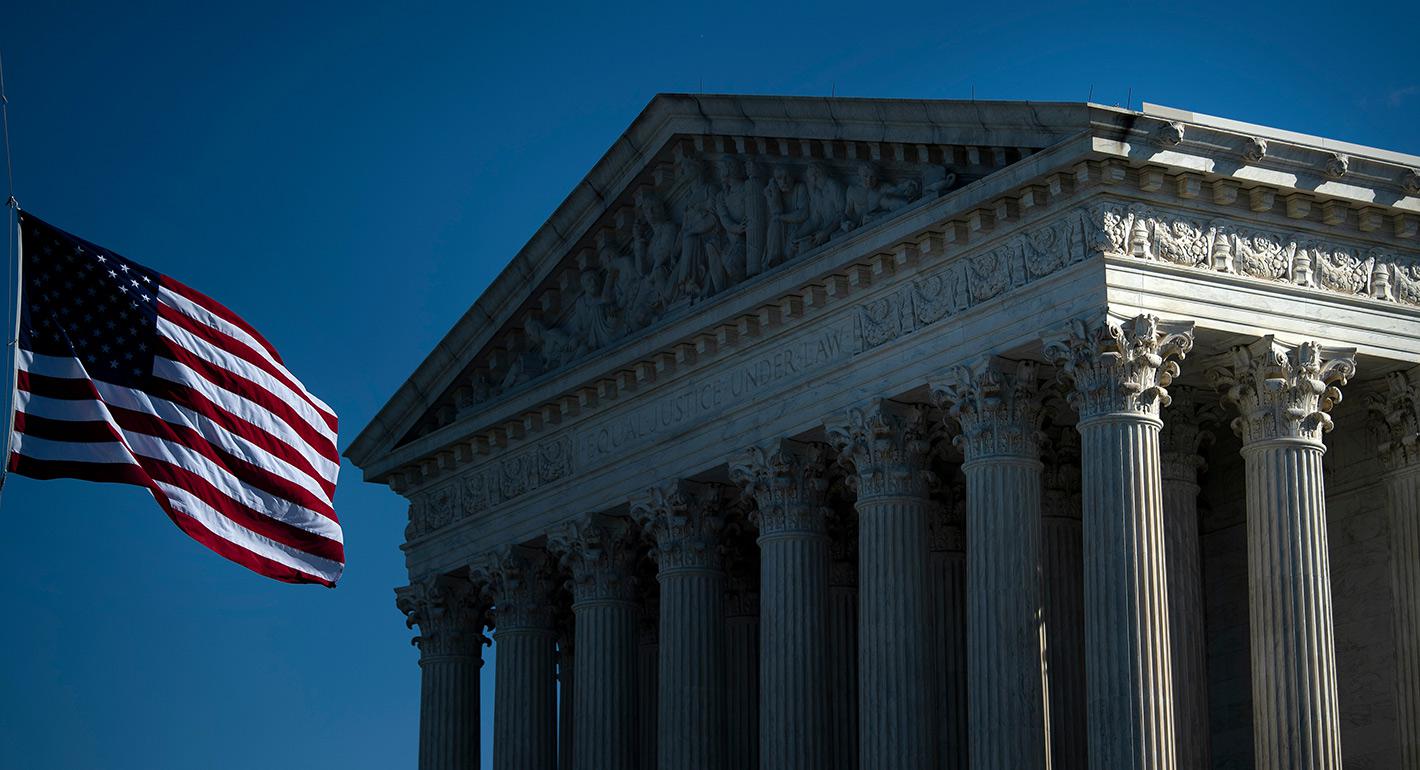
The United States is different from other countries in many ways. But polarized people tend to be have similarly, all over the world. And in this context, the usual traditions of journalism will not work—and can do enormous harm
Source: Election SOS
The 2020 election feels unprecedented in the United States. Nearly three out of four Americans are worried there will be widespread violence in response to the results, according to More in Common. Protests, racial discord and the pandemic have aggravated anxiety and suspicion in a nation already under strain
But journalists have covered elections similar to this, all over the world, for many years. They’ve agonized over their mistakes and learned from their best coverage. They’ve created playbooks for covering contested elections in frayed societies.
Senior Fellow, Democracy, Conflict, and Governance Program
Rachel Kleinfeld is a senior fellow in Carnegie’s Democracy, Conflict, and Governance Program, where she focuses on issues of rule of law, security, and governance in democracies experiencing polarization, violence, and other governance problems.
Amanda Ripley
Carnegie does not take institutional positions on public policy issues; the views represented herein are those of the author(s) and do not necessarily reflect the views of Carnegie, its staff, or its trustees.
The country’s strategy is no longer focused on deterrence and diplomacy, it’s about dominance and degradation.
Nathan J. Brown
The countries in the region are managing the fallout from Iranian strikes in a paradoxical way.
Angie Omar
French President Emmanuel Macron has unveiled his country’s new nuclear doctrine. Are the changes he has made enough to reassure France’s European partners in the current geopolitical context?
Rym Momtaz, ed.
The drone strike on the British air base in Akrotiri brings Europe’s proximity to the conflict in Iran into sharp relief. In the fog of war, old tensions in the Eastern Mediterranean risk being reignited, and regional stakeholders must avoid escalation.
Marc Pierini
In an interview, Hassan Mneimneh discusses the ongoing conflict and the myriad miscalculations characterizing it.
Michael Young