

Article
Paul Staniland
{
  "authors": [
    "Paul Staniland"
  ],
  "type": "legacyinthemedia",
  "centerAffiliationAll": "dc",
  "centers": [
    "Carnegie Endowment for International Peace"
  ],
  "collections": [],
  "englishNewsletterAll": "ctw",
  "nonEnglishNewsletterAll": "",
  "primaryCenter": "Carnegie Endowment for International Peace",
  "programAffiliation": "SAP",
  "programs": [
    "South Asia"
  ],
  "projects": [],
  "regions": [
    "North America",
    "United States"
  ],
  "topics": [
    "Political Reform",
    "Democracy",
    "Security",
    "Military",
    "Civil Society"
  ]
}
Source: Getty
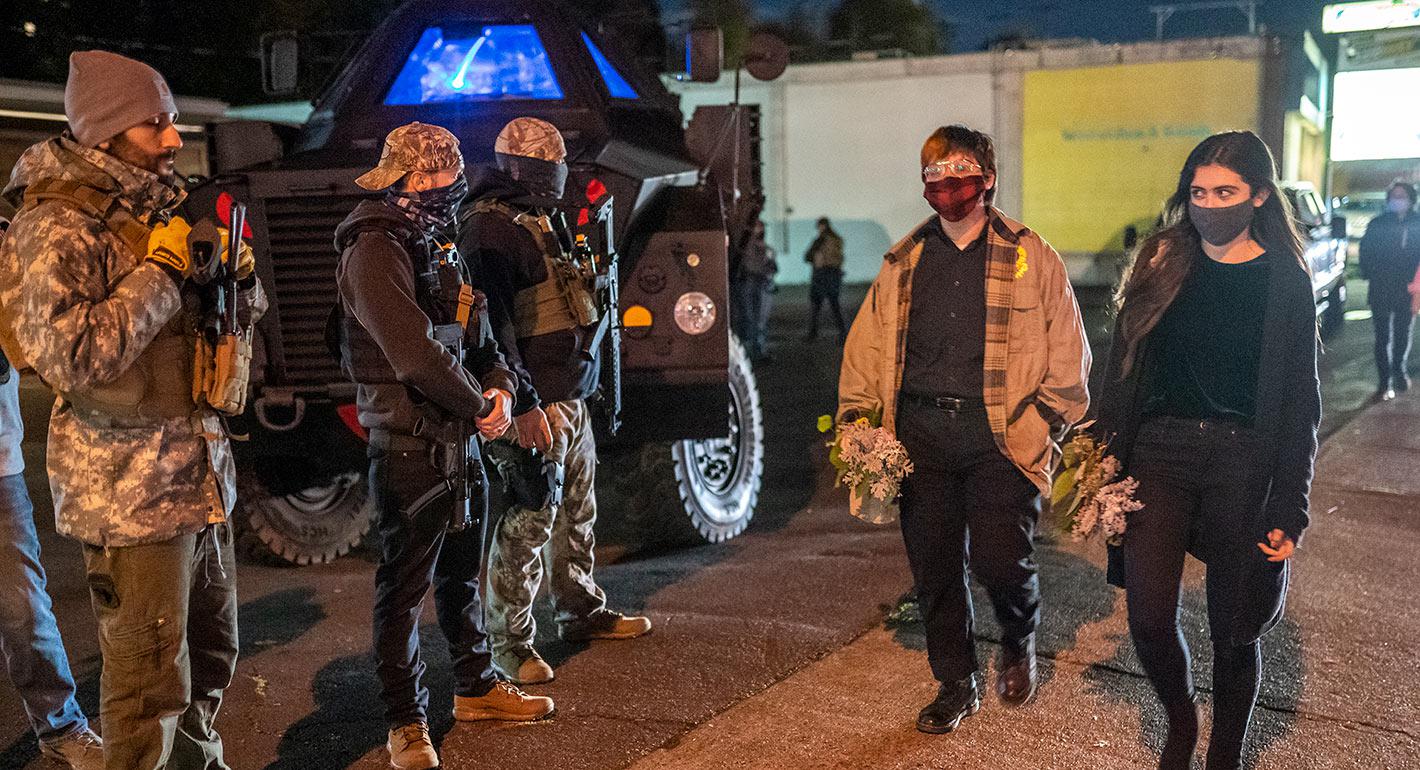
The Trump administration has reportedly pressured law enforcement agencies to downplay the threat posed by these organizations, allowing nonstate violence to creep back into the political mainstream to a degree not seen since the 1960s and 1970s.
Source: Foreign Affairs
Over the last four years, U.S. President Donald Trump has shown more sympathy for far-right groups, many of them armed, than any president in recent memory. At the same time, his administration has reportedly pressured law enforcement agencies to downplay the threat posed by these organizations, allowing nonstate violence to creep back into the political mainstream to a degree not seen since the 1960s and 1970s. Just last month, a group of antigovernment extremists was arrested for plotting to kidnap Michigan’s Democratic governor, Gretchen Whitmer, after she defied Trump’s demand to “LIBERATE MICHIGAN” from COVID-19 restrictions. More violence could erupt ahead of next week’s presidential election, as well as in its aftermath.

Nonresident Scholar, South Asia Program
Paul Staniland is a nonresident scholar in the South Asia Program at the Carnegie Endowment for International Peace.
Recent Work
Paul Staniland
Paul Staniland
Carnegie does not take institutional positions on public policy issues; the views represented herein are those of the author(s) and do not necessarily reflect the views of Carnegie, its staff, or its trustees.

Ex-president Gurbanguly Berdimuhamedov remains interested in politics, but his son Serdar, Turkmenistan’s current president, is becoming increasingly independent and willing to break with his father’s legacy. If their covert rivalry goes too far, both risk losing power.

Galiya Ibragimova

Europe is facing rising populism internally as well as external pressures from Russia, China, Turkey, and the United States.

Dimitar Bechev

A notable degree of participative democracy has firmly arrived in Europe. But to have more far-reaching impact, democratic deliberation needs to move into a radically new phase.

Richard Youngs
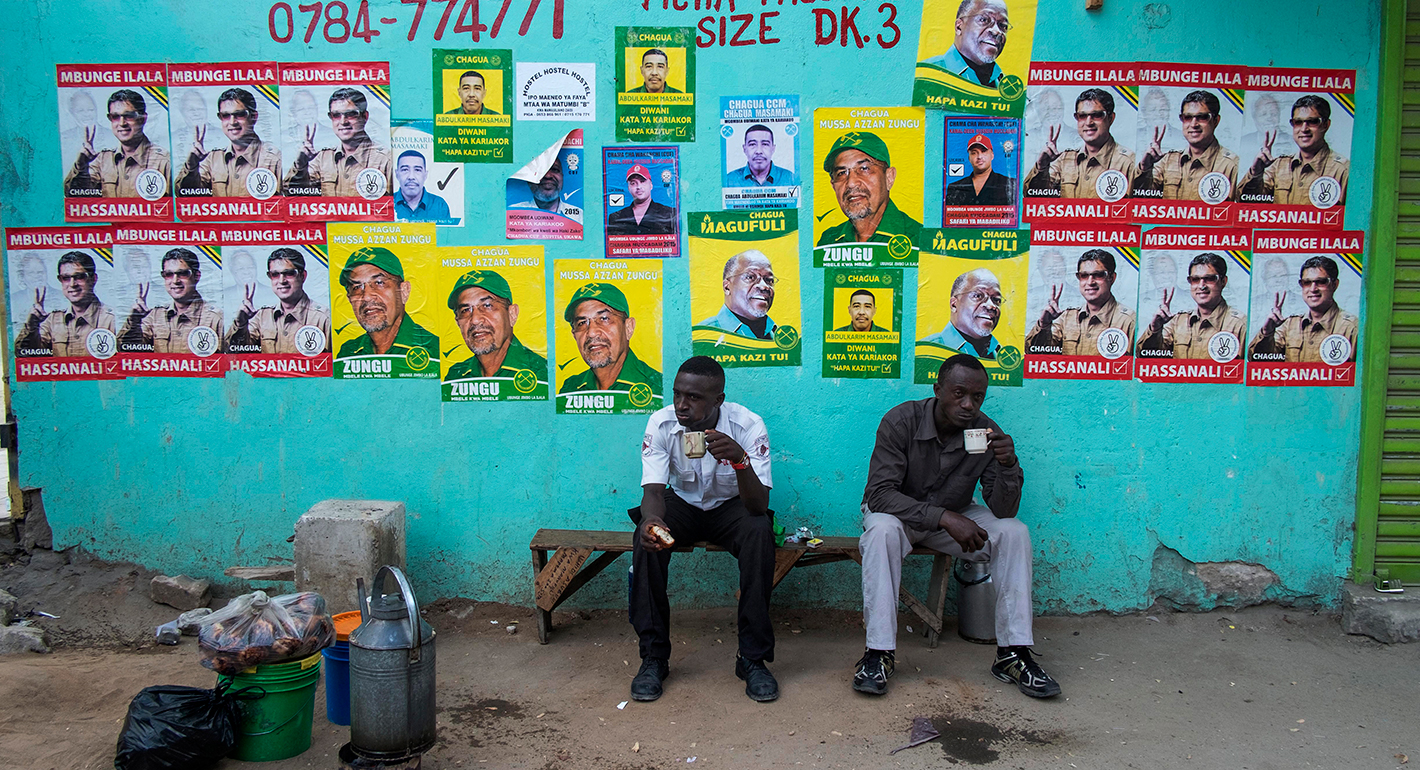
Today’s global democratic recession is partly rooted in a common perception that democracies have a delivery problem, with many citizens in both autocracies and democracies alike now believing that strongmen can achieve better governance outcomes. But a study of four countries in Africa reveals that democratic-leaning governments have demonstrated better governance performance than autocratic governments.


Sarah Yerkes, Natalie Triche, Amr Hamzawy
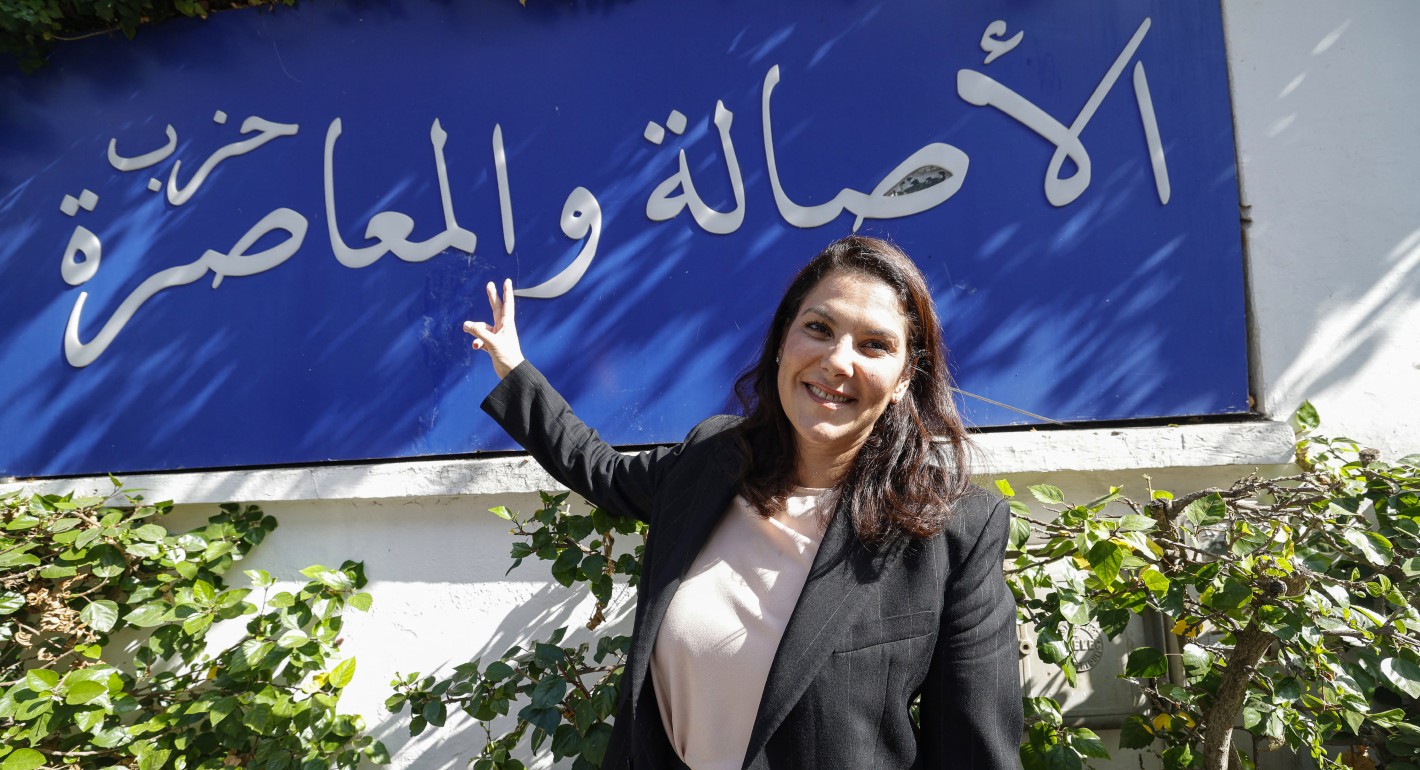
Fatima El Mansouri is the country’s first female prime minister. She’s also a privileged insider in a largely ceremonial position.
Sarah Yerkes