

Commentary
Ankit Panda
{
  "authors": [
    "Ankit Panda"
  ],
  "type": "legacyinthemedia",
  "centerAffiliationAll": "dc",
  "centers": [
    "Carnegie Endowment for International Peace"
  ],
  "collections": [
    "Korean Peninsula"
  ],
  "englishNewsletterAll": "ctw",
  "nonEnglishNewsletterAll": "",
  "primaryCenter": "Carnegie Endowment for International Peace",
  "programAffiliation": "NPP",
  "programs": [
    "Nuclear Policy"
  ],
  "projects": [],
  "regions": [
    "East Asia",
    "North Korea"
  ],
  "topics": [
    "Nuclear Policy",
    "Arms Control"
  ]
}
Source: Getty
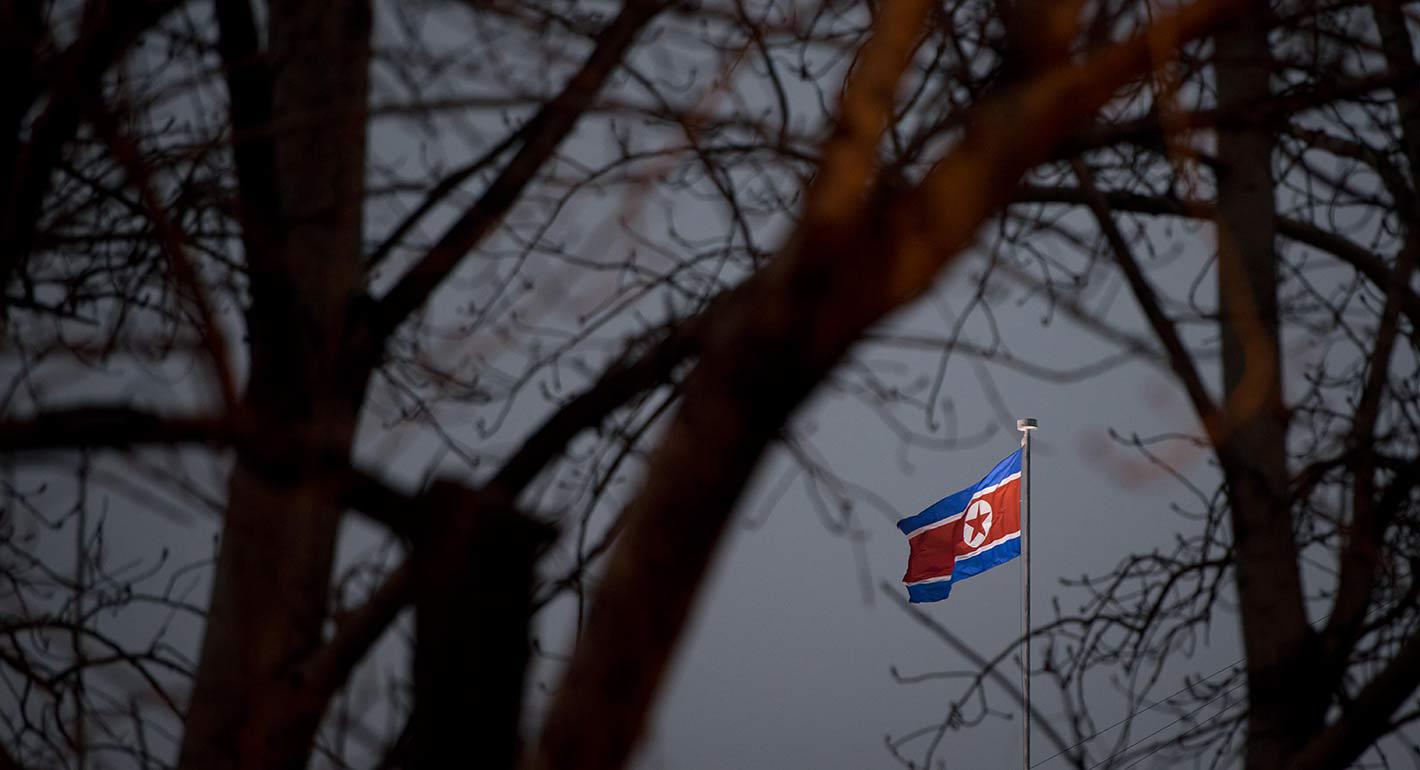
Preventing an inadvertent nuclear disaster on the Korean Peninsula will depend not only on Kim Jong Un upgrading his nuclear software but on the United States better understanding the choices and circumstances that have driven North Korea’s nuclear posture.
Source: Wall Street Journal
As Americans mark Thanksgiving this year amid the pandemic, North Korea will be recalling a special anniversary of its own. On Nov. 28, 2017, dictator Kim Jong Un oversaw the launch of the largest missile ever flight-tested by the world’s last Stalinist country. Called the Hwasong (or “Mars”) 15, the missile showed that North Korea is capable of striking any part of the continental U.S.—from Los Angeles to New York—with a thermonuclear weapon.
This article was originally published in the Wall Street Journal.

Stanton Senior Fellow in the Nuclear Policy Program at the Carnegie Endowment for International Peace
Ankit Panda is the Stanton Senior Fellow in the Nuclear Policy Program at the Carnegie Endowment for International Peace.
Recent Work
Ankit Panda
Frank Aum, Ankit Panda
Carnegie does not take institutional positions on public policy issues; the views represented herein are those of the author(s) and do not necessarily reflect the views of Carnegie, its staff, or its trustees.
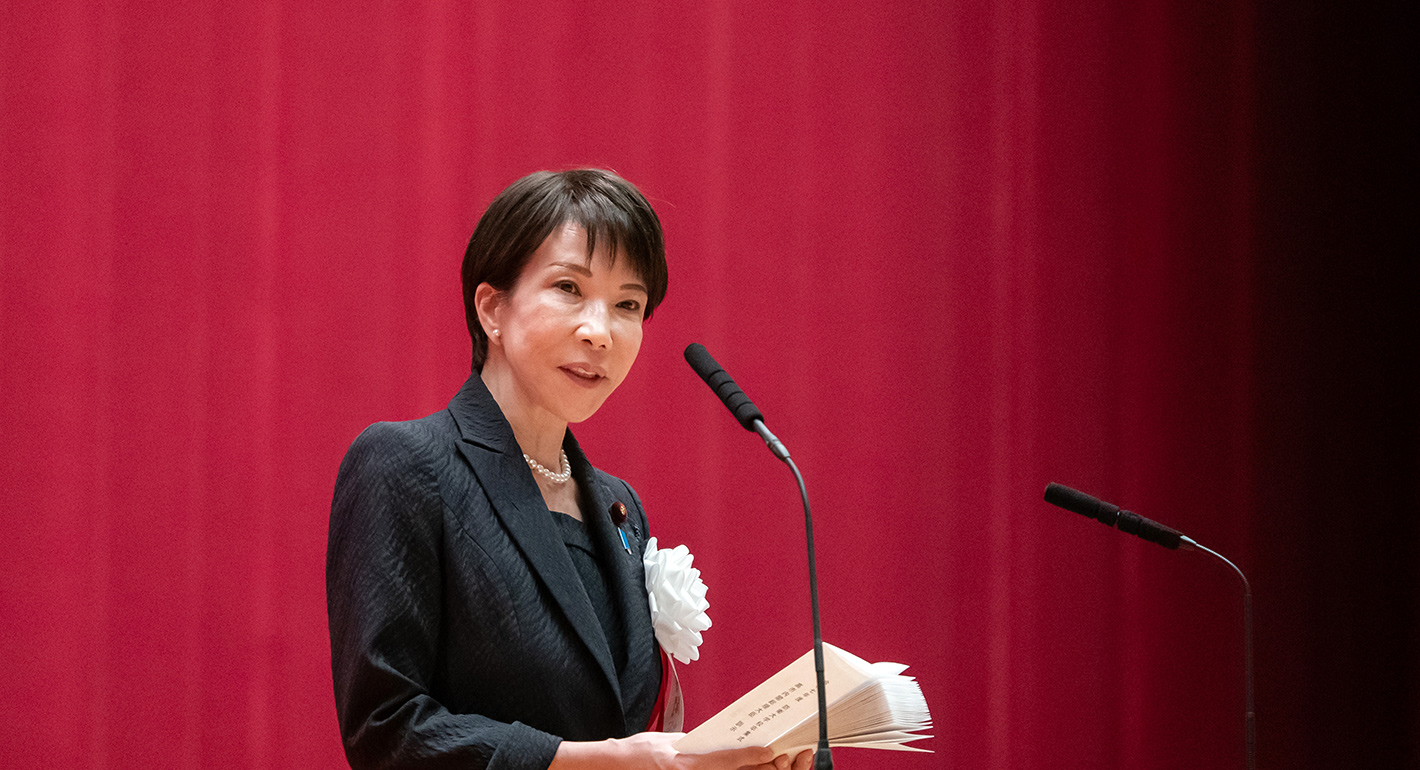
Japan’s prime minister, Takaichi Sanae, may kickstart a discussion on Japan’s non-nuclear principles.
Shizuka Kuramitsu
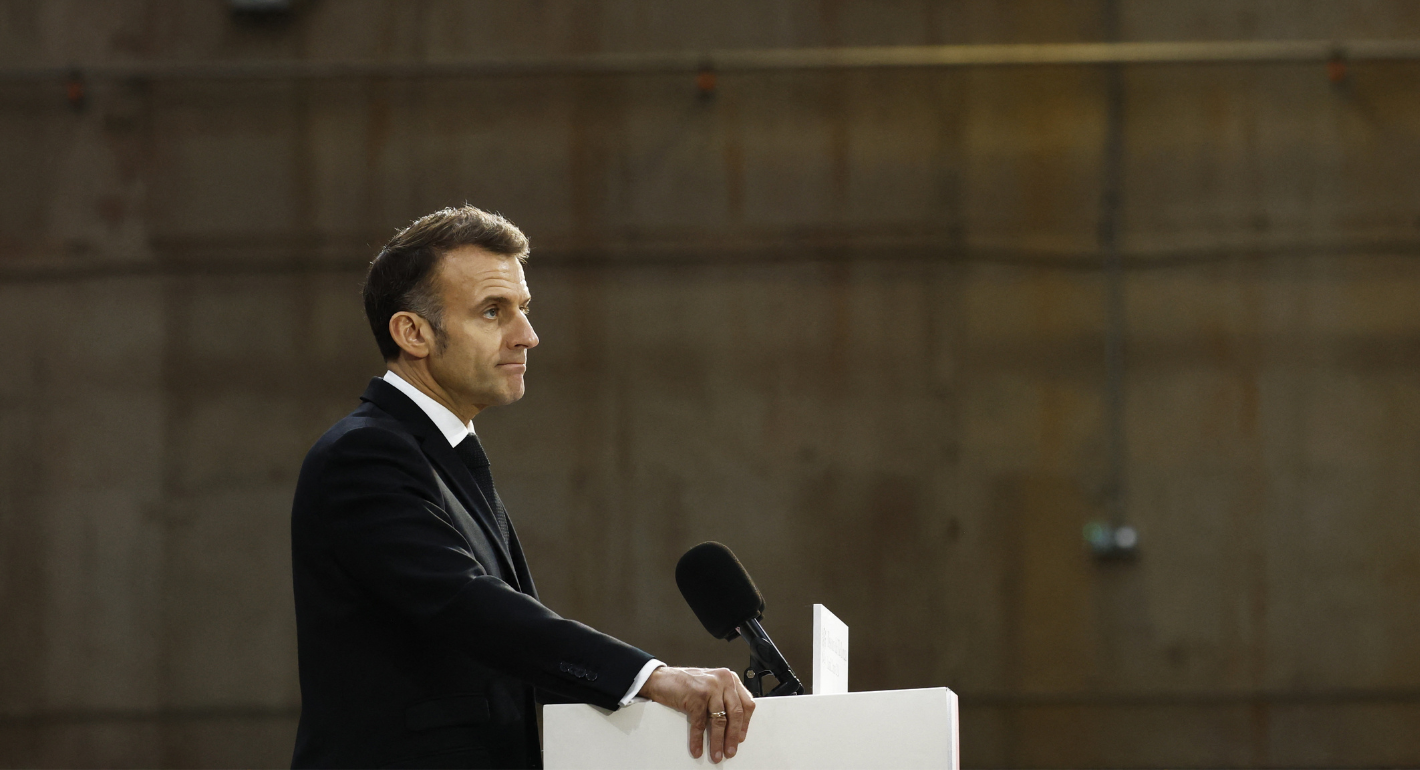
French President Emmanuel Macron has unveiled his country’s new nuclear doctrine. Are the changes he has made enough to reassure France’s European partners in the current geopolitical context?

Rym Momtaz, ed.

Censorship in China spans the public and private domains and is now enabled by powerful AI systems.
Nathan Law

Europe’s reaction to the war in Iran has been disunited and meek, a far cry from its previously leading role in diplomacy with Tehran. To avoid being condemned to the sidelines while escalation continues, Brussels needs to stand up for international law.

Pierre Vimont

South Korea’s rapid demographic transition previews governance challenges many advanced and middle-income economies will face. This paper argues that aging is not only a care issue but a structural governance challenge—reshaping welfare, productivity, and fiscal sustainability, and reorganizing responsibilities across the state, private sector, and society.

Darcie Draudt-Véjares