In an extraordinary year, the coronavirus pandemic did not deter protesters around the world—despite restrictions on protest rights and the danger of gathering in groups.
The year 2020 highlighted the resilience of protests around the globe. Despite the greatest public health challenge in over a century—and the viral threat, lockdowns, and increasingly repressive environment it triggered—protests remained an integral part of the global political landscape.
In early 2020, when little was known about the virus and it seemed like a localized problem, the protest surge that had marked the second half of 2019 continued. Huge demonstrations kept roiling politics in places as diverse as Chile, Hong Kong, and Lebanon, and new, shorter protests—like those over the downing of an airliner in Iran—erupted regularly.
A Brief Pause, Then a Surge of Protests
However, the rapid globalization of the coronavirus in February and March drastically reduced the number and size of protests. Some observers wondered if the global protest wave had met its match. But the lull did not hold: just a few weeks after lockdowns were widely imposed, protests began to reemerge. Data from Carnegie’s Global Protest Tracker show that already in April, the number of new protests rose to a high level: approximately one new significant anti-government protest every four days. As the chart below shows, the rapid proliferation of new protests continued for the rest of the year.
Familiar Grievances Drove Protests
Many of these new protests centered around the core issues that have driven the global protest wave of recent years, such as corruption, electoral manipulation, and police brutality. Corruption remained a powerful mobilizer in both authoritarian and democratic countries. For example, rampant corruption in Bulgaria has sparked months of demonstrations against the government of Prime Minister Boyko Borisov. In Venezuela, systemic corruption and state capture continue to drive protests against President Nicolás Maduro, which have been occurring intermittently since 2014.
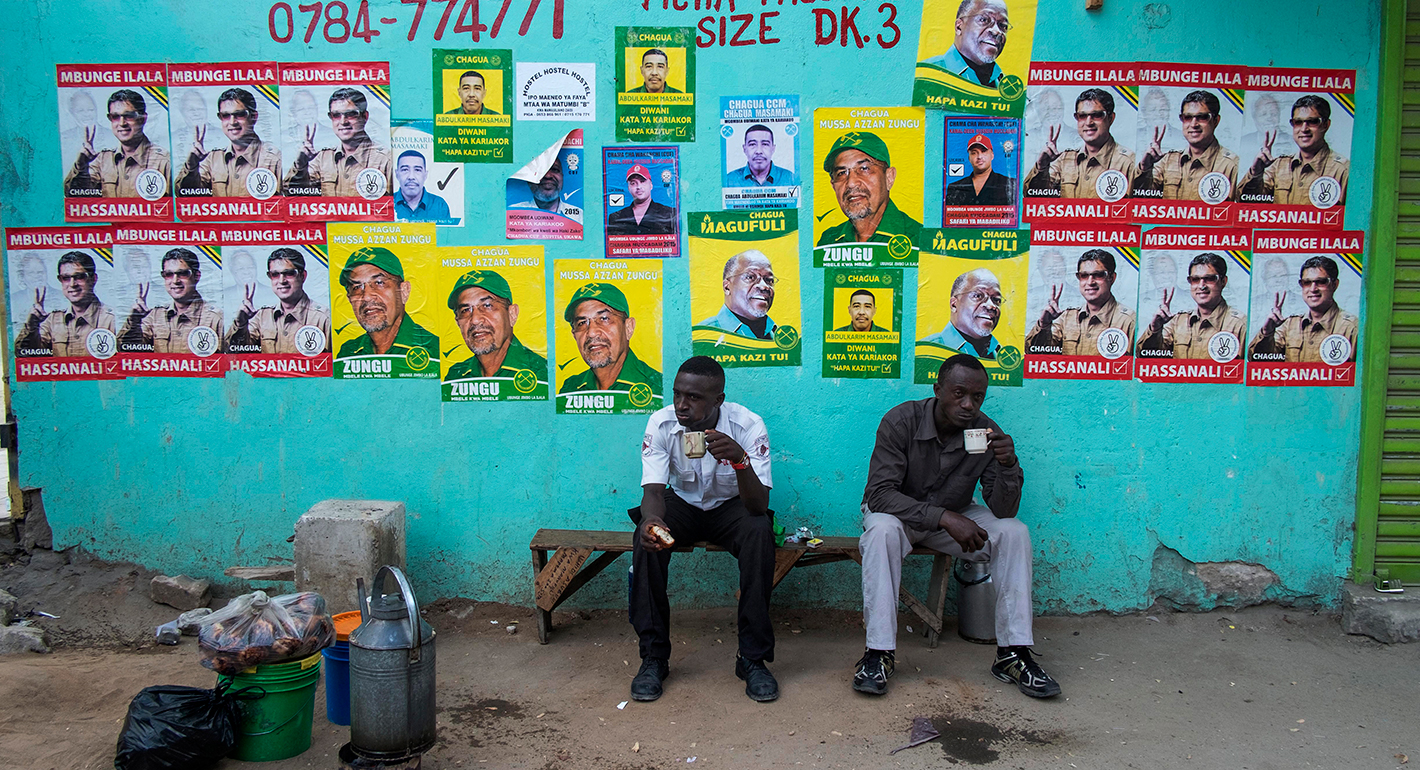
Fraught elections or other political transitions were also a key issue in 2020. Frustrations with the sluggish transition to democracy in Sudan fueled a “Million Man March” movement, which began in mid-2019 and flared up throughout 2020. Meanwhile, in Belarus, the blatant electoral manipulation propping up the decades-old dictatorship of Alexander Lukashenko spurred a massive, sustained “Slipper Uprising” after the country’s August elections. The movement’s name was coined when slipper-wielding protesters labeled the president a household pest to be flattened. Protests about vote rigging and corruption in Kyrgyzstan led to the downfall of President Sooronbay Jeenbekov, while in Peru, demonstrations over an unpopular impeachment forced the interim president to resign after only five days in office.
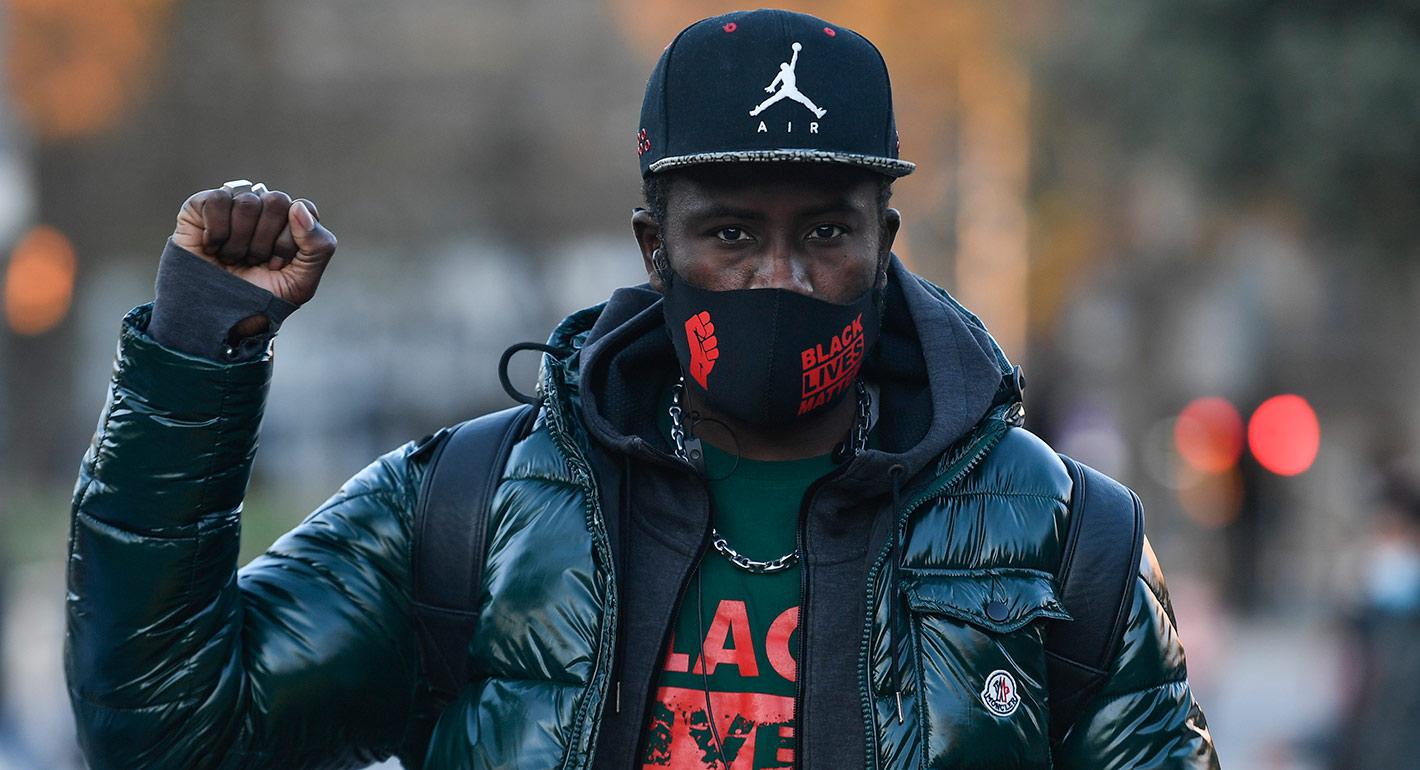
Another prevalent protest theme of 2020 was citizen anger over police brutality. From the Black Lives Matter protests in the United States, to the End SARS protest in Nigeria, and protests in France over a police security bill, ending police abuse and systemic discrimination—issues that have fueled protests in many countries for years—became a more transnational cause.
Impact of the Coronavirus Pandemic
The pandemic was a key protest driver in 2020. It created new protest triggers as public health measures became objects of political contestation, whether in the form of anger over lockdowns, economic displacement, or government mismanagement of the public health crisis. Anti-lockdown protests emerged in at least twenty-six countries, and the perception that political leaders were using restrictions to quash domestic dissent drove protests in Bolivia, Israel, Serbia, and Uganda. Protesters in Brazil condemned President Jair Bolsonaro’s failure to adequately respond to the virus, while in Malawi, street vendors complained that virus-related restrictions would put them out of business.
Though a vaccine is in sight, a reduction in protest levels is not. Although the acute crisis looks likely to gradually ebb in the year ahead, the widespread economic and social devastation it has wrought—as well as citizens’ anger about aggravated economic realities and the legacy of governance failings by many states—will be much slower to fade. Both long-standing and new grievances will continue to inflame public debates, fueling an increase in all confrontational political dynamics (not just protests but also polarization and populism). Having shown remarkable resilience as a political strategy, even under potentially dangerous conditions, surging protests will almost certainly continue to punctuate global politics in the new year—and beyond.
Appendix: New Protest Data
Significant New Protests by Month in 2019 and 2020
Month
2019
2020
January
2
3
February
4
3
March
2
7
April
4
9
May
2
6
June
7
13
July
1
9
August
3
6
September
12
6
October
4
8
November
4
8
December
5
About the Authors
Benjamin Press
Former Nonresident Research Analyst, Democracy, Conflict, and Governance Program
Benjamin Press was a nonresident research analyst in the Democracy, Conflict, and Governance Program.
Harvey V. Fineberg Chair for Democracy Studies; Senior Fellow, Democracy, Conflict, and Governance Program
Thomas Carothers, a senior fellow in the Carnegie Endowment for International Peace’s Democracy, Conflict, and Governance Program, is a leading expert on comparative democratization and international support for democracy.
Carnegie does not take institutional positions on public policy issues; the views represented herein are those of the author(s) and do not necessarily reflect the views of Carnegie, its staff, or its trustees.
More Work from Carnegie Endowment for International Peace
Ex-president Gurbanguly Berdimuhamedov remains interested in politics, but his son Serdar, Turkmenistan’s current president, is becoming increasingly independent and willing to break with his father’s legacy. If their covert rivalry goes too far, both risk losing power.
A notable degree of participative democracy has firmly arrived in Europe. But to have more far-reaching impact, democratic deliberation needs to move into a radically new phase.
Today’s global democratic recession is partly rooted in a common perception that democracies have a delivery problem, with many citizens in both autocracies and democracies alike now believing that strongmen can achieve better governance outcomes. But a study of four countries in Africa reveals that democratic-leaning governments have demonstrated better governance performance than autocratic governments.
The domestic impacts of how long it is taking to end the war in Ukraine have pushed the French electorate to the political extremes and compromised the country’s diplomatic capacity.