• Research
  • Emissary
  • About
  • Experts
Carnegie Global logoCarnegie lettermark logo
DemocracyIran
  • Donate
{
  "authors": [
    "Toby Dalton"
  ],
  "type": "legacyinthemedia",
  "centerAffiliationAll": "dc",
  "centers": [
    "Carnegie Endowment for International Peace"
  ],
  "collections": [
    "Korean Peninsula"
  ],
  "englishNewsletterAll": "ctw",
  "nonEnglishNewsletterAll": "",
  "primaryCenter": "Carnegie Endowment for International Peace",
  "programAffiliation": "NPP",
  "programs": [
    "Nuclear Policy"
  ],
  "projects": [],
  "regions": [
    "East Asia",
    "North Korea"
  ],
  "topics": [
    "Nuclear Policy",
    "Arms Control"
  ]
}
REQUIRED IMAGE

REQUIRED IMAGE

In The Media

The Biden Administration and a New Approach to Denuclearization?

It remains to be seen whether the Biden administration will change tack on North Korea policy and finally jettison “maximum pressure” approach in favor of a more practical attempt to work simultaneously toward peace and denuclearization.

Link Copied
By Toby Dalton
Published on Feb 28, 2021
Program mobile hero image

Program

Nuclear Policy

The Nuclear Policy Program aims to reduce the risk of nuclear war. Our experts diagnose acute risks stemming from technical and geopolitical developments, generate pragmatic solutions, and use our global network to advance risk-reduction policies. Our work covers deterrence, disarmament, arms control, nonproliferation, and nuclear energy.

Learn More

Rinsa Forum

About the Author

Toby Dalton

Senior Fellow and Co-director, Nuclear Policy Program

Toby Dalton is a senior fellow and co-director of the Nuclear Policy Program at the Carnegie Endowment. An expert on nonproliferation and nuclear energy, his work addresses regional security challenges and the evolution of the global nuclear order.

    Recent Work

  • Commentary
    A Nuclear Odyssey at Sea

      Jamie Kwong, Toby Dalton

  • Paper
    Demystifying the Nuclear Threshold

      Ariel (Eli) Levite, Toby Dalton

Toby Dalton
Senior Fellow and Co-director, Nuclear Policy Program
Toby Dalton
Nuclear PolicyArms ControlEast AsiaNorth Korea

Carnegie does not take institutional positions on public policy issues; the views represented herein are those of the author(s) and do not necessarily reflect the views of Carnegie, its staff, or its trustees.

More Work from Carnegie Endowment for International Peace

  • Aerial view of shipping containers at a port
    Commentary
    Emissary
    The Fallout of the U.S.–Canada Trade War Won’t Be Limited to North America

    U.S. trading partners in Asia are closely watching the dispute for signs of how it may affect their own interests.

      • Barbara Weisel

      Barbara Weisel

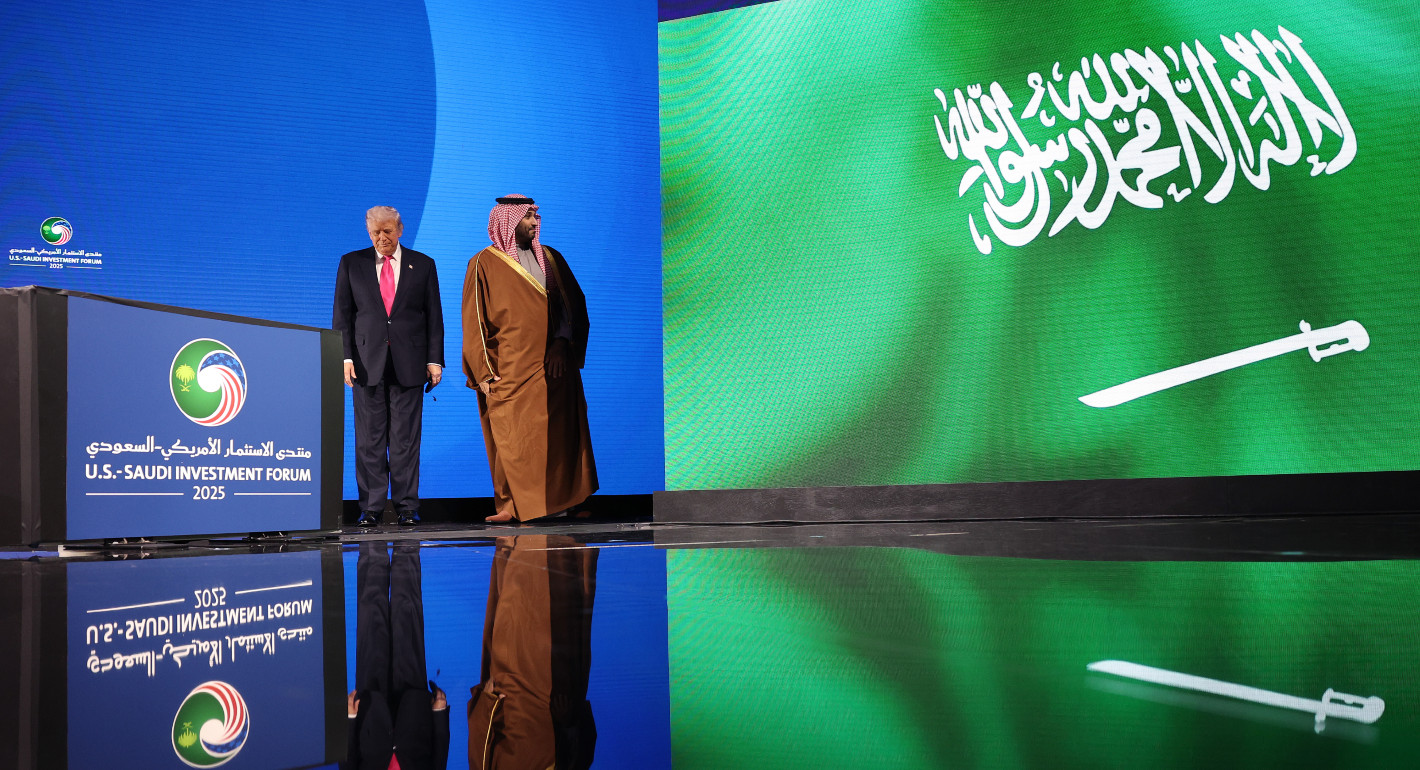
  • Trump and MBS walking across a stage
    Commentary
    Emissary
    Is the U.S.-Saudi Nuclear Deal Moving From the Gold Standard to a Gilded Standard?

    Congress should ask tough questions about the agreement’s more unique features and whether they advance U.S. interests or compromise them.

      • Jane Darby Menton

      Jane Darby Menton

  • Black-and-white photo of the nuclear cargo ship NS Savannah.
    Commentary
    Emissary
    A Nuclear Odyssey at Sea

    Nuclear and maritime communities face a long and challenging journey to deploy commercial nuclear applications at sea. 

      Jamie Kwong, Toby Dalton
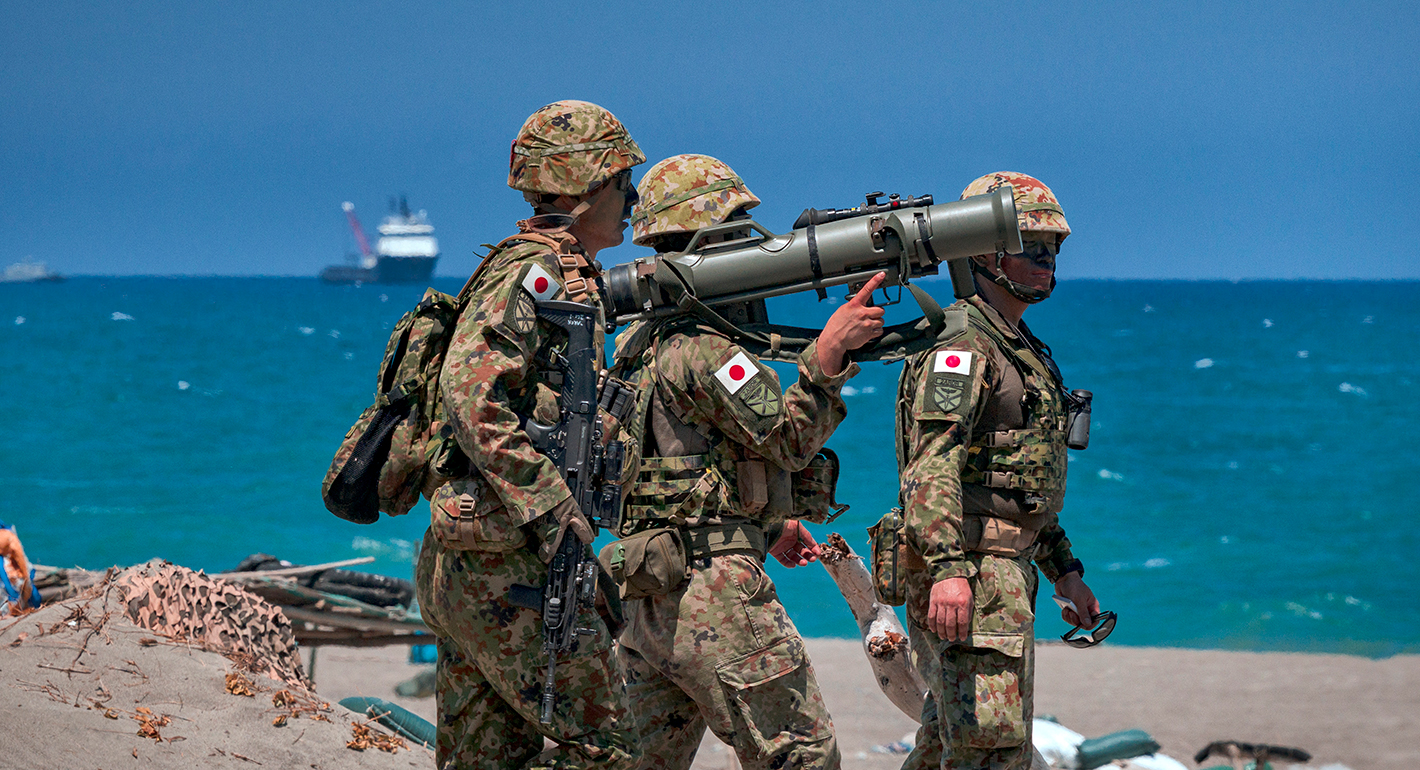
  • Japanese troops take part in a counter-landing live fire exercise as part of the annual Balikatan joint military drills on May 04, 2026 in Laoag, Ilocos Norte province, Philippines.
    Article
    The Two Logics Driving Japan’s Security Policy

    Japan’s revision of its three strategic documents reflects an intention to keep the United States engaged in the region while Japan fills any vacuums of U.S. power to preserve the Indo-Pacific order.

      • Ryo Sahashi

      Ryo Sahashi

  • Robot arm with disposable test tube virus sampling in laboratory
    Commentary
    Caught in the Middle: Chinese Biotech Firms’ Divergent Responses to U.S. Sanctions

    Chinese biotech companies have been on the receiving end of U.S. economic coercion. Yet their responses have differed significantly because firm and state interests are not uniformly aligned. For Washington, treating all Chinese tech firms the same, irrespective of their actual interests, risks pushing them farther into Beijing’s corner.

      Xue Gong

Get more news and analysis from
Carnegie Endowment for International Peace
Carnegie global logo, stacked
1779 Massachusetts Avenue NWWashington, DC, 20036-2103Phone: 202 483 7600
  • Research
  • Emissary
  • About
  • Experts
  • Donate
  • Programs
  • Events
  • Blogs
  • Podcasts
  • Contact
  • Annual Reports
  • Careers
  • Privacy
  • For Media
  • Government Resources
Get more news and analysis from
Carnegie Endowment for International Peace
© 2026 Carnegie Endowment for International Peace. All rights reserved.