• Research
  • Emissary
  • About
  • Experts
Carnegie Global logoCarnegie lettermark logo
DemocracyIran
  • Donate
{
  "authors": [
    "Olivia Lazard"
  ],
  "type": "legacyinthemedia",
  "centerAffiliationAll": "dc",
  "centers": [
    "Carnegie Endowment for International Peace",
    "Carnegie Europe"
  ],
  "collections": [],
  "englishNewsletterAll": "ctw",
  "nonEnglishNewsletterAll": "",
  "primaryCenter": "Carnegie Europe",
  "programAffiliation": "EP",
  "programs": [
    "Europe"
  ],
  "projects": [],
  "regions": [
    "Europe",
    "North America",
    "United States",
    "Western Europe",
    "Iran"
  ],
  "topics": [
    "Security",
    "Climate Change"
  ]
}
REQUIRED IMAGE

REQUIRED IMAGE

In The Media
Carnegie Europe

Sustainable Peace and Security in a Changing Climate: Recommendations for NATO 2030

As the security implications of global climate change are becoming clearer, NATO has invited climate change and security specialists from governments, think tanks, and academia to offer inputs and analyses.
Link Copied
By Olivia Lazard
Published on Apr 30, 2021
Program mobile hero image

Program

Europe

The Europe Program in Washington explores the political and security developments within Europe, transatlantic relations, and Europe’s global role. Working in coordination with Carnegie Europe in Brussels, the program brings together U.S. and European policymakers and experts on strategic issues facing Europe.

Learn More

Brussels Dialogue on Climate Diplomacy

About the Author

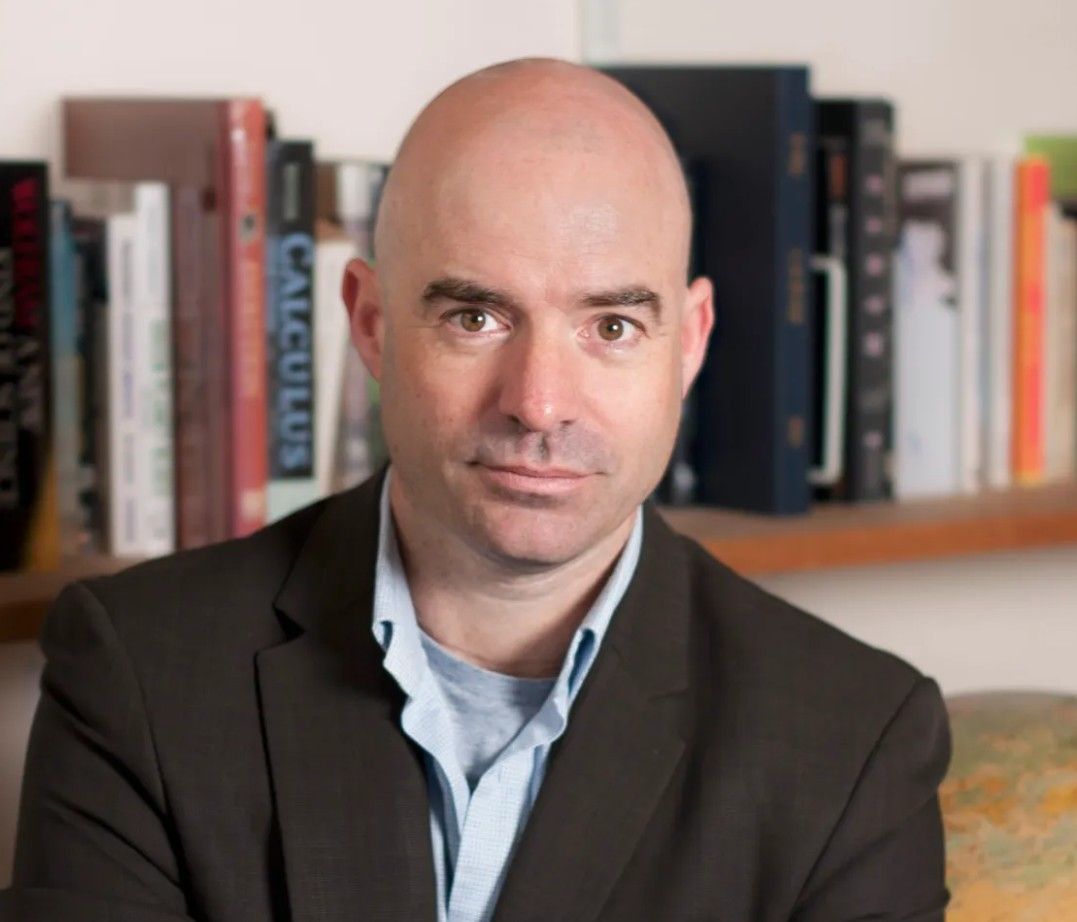
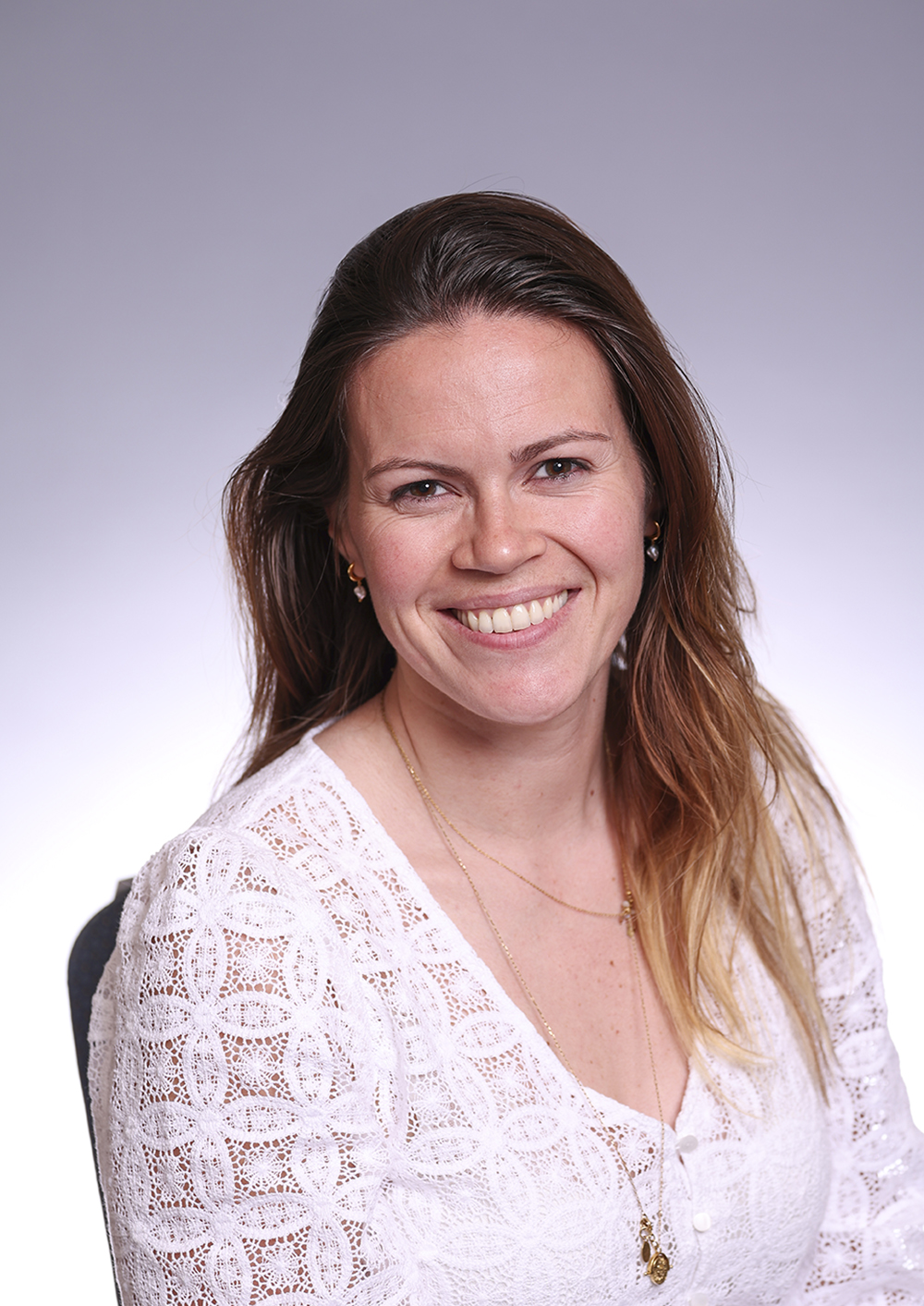
Olivia Lazard

Nonresident Fellow, Carnegie Europe

Lazard is a nonresident fellow at Carnegie Europe. Her research focuses on the geopolitics of climate, the transition ushered by climate change, and the risks of conflict and fragility associated to climate change and environmental collapse.

    Recent Work

  • Paper
    Geoengineering: Assessing Risks in the Era of Planetary Security
      • Mandi Bissett
      • James Dyke headshot

      Olivia Lazard, Mandi Bissett, James Dyke

  • Commentary
    The Day After COP28: The Heat Is On

      Olivia Lazard

Olivia Lazard
Nonresident Fellow, Carnegie Europe
Olivia Lazard
SecurityClimate ChangeEuropeNorth AmericaUnited StatesWestern EuropeIran

Carnegie does not take institutional positions on public policy issues; the views represented herein are those of the author(s) and do not necessarily reflect the views of Carnegie, its staff, or its trustees.

More Work from Carnegie Endowment for International Peace

  • Commentary
    Diwan
    The United States and Iran Have Agreed to a Two-Week Ceasefire

    Spot analysis from Carnegie scholars on events relating to the Middle East and North Africa.

      Michael Young

  • Rutte and Trump are two white men in suits. They look off to the left of the camera and stand in front of a row of other men in suits.
    Commentary
    Emissary
    Europe Cannot Sit Out the Iran War

    The Greenland crisis taught Europe to push back against Washington. In Iran, it must learn how to engage without falling in line.

      Sophia Besch

  • Delegates watch as U.S. President Donald Trump speaks onstage at the World Economic Forum (WEF) on January 21, 2026 in Davos, Switzerland.
    Article
    Unstrategic Ambiguity: Trump’s Erratic Approach Leaves Europe Guessing

    The behaviors, public statements, and policies of Donald Trump’s administration have perverted America’s strategic posture toward Europe.

      Dan Baer, Erik Brown

  • Commentary
    Strategic Europe
    On NATO, Trump Should Embrace France Instead of Bashing It

    Donald Trump’s repudiation of NATO goes against the Make America Great Again vision of a U.S.-centered foreign policy. If the goal is to preserve the alliance by boosting Europe’s commitments, leaning into France’s vision is the most America First way forward.

      • Rym Momtaz

      Rym Momtaz

  • Ukraine's President Volodymyr Zelensky (R) and Poland's Prime Minister Donald Tusk attend a press conference at the Mariinskyi Palace in Kyiv on February 5, 2026, amid the Russian invasion of Ukraine.
    Article
    Kindred Nations, Uneasy Neighbors: Polish-Ukrainian Relations in the Crucible of Russia’s War

    The full-scale invasion cemented Ukraine’s determination to sever its ties with Russia; reimagining the Poland-Ukraine partnership can accelerate Kyiv’s westward alignment and improve the security of both countries.

      Eric Green

Get more news and analysis from
Carnegie Endowment for International Peace
Carnegie global logo, stacked
1779 Massachusetts Avenue NWWashington, DC, 20036-2103Phone: 202 483 7600Fax: 202 483 1840
  • Research
  • Emissary
  • About
  • Experts
  • Donate
  • Programs
  • Events
  • Blogs
  • Podcasts
  • Contact
  • Annual Reports
  • Careers
  • Privacy
  • For Media
  • Government Resources
Get more news and analysis from
Carnegie Endowment for International Peace
© 2026 Carnegie Endowment for International Peace. All rights reserved.