• Research
  • Emissary
  • About
  • Experts
Carnegie Global logoCarnegie lettermark logo
DemocracyIran
  • Donate
{
  "authors": [
    "Erica D. Lonergan"
  ],
  "type": "legacyinthemedia",
  "centerAffiliationAll": "dc",
  "centers": [
    "Carnegie Endowment for International Peace"
  ],
  "collections": [],
  "englishNewsletterAll": "ctw",
  "nonEnglishNewsletterAll": "",
  "primaryCenter": "Carnegie Endowment for International Peace",
  "programAffiliation": "TIA",
  "programs": [
    "Technology and International Affairs"
  ],
  "projects": [],
  "regions": [
    "Iran"
  ],
  "topics": [
    "Technology"
  ]
}
REQUIRED IMAGE

REQUIRED IMAGE

In The Media

Deterrence by Denial in Cyberspace

Cyber deterrence frameworks that draw from the traditional nuclear deterrence literature and the logic of deterrence by punishment are mismatched to deterrence challenges in cyberspace. Instead, a better approach would be deterrence by denial.
Link Copied
By Erica D. Lonergan
Published on Aug 3, 2021
Program mobile hero image

Program

Technology and International Affairs

The Technology and International Affairs Program develops insights to address the governance challenges and large-scale risks of new technologies. Our experts identify actionable best practices and incentives for industry and government leaders on artificial intelligence, cyber threats, cloud security, countering influence operations, reducing the risk of biotechnologies, and ensuring global digital inclusion.

Learn More

Journal of Strategic Studies

About the Author

Erica D. Lonergan

Former Senior Fellow , Technology and International Affairs Program

Dr. Erica D. Lonergan was a senior fellow in the Technology and International Affairs Program at the Carnegie Endowment for International Peace.

    Recent Work

  • Commentary
    What Makes This Attribution of Chinese Hacking Different

      Erica D. Lonergan

Erica D. Lonergan
Former Senior Fellow , Technology and International Affairs Program
Erica D. Lonergan
TechnologyIran

Carnegie does not take institutional positions on public policy issues; the views represented herein are those of the author(s) and do not necessarily reflect the views of Carnegie, its staff, or its trustees.
More Work from Carnegie Endowment for International Peace

  • Research
    Book Review of Enduring Hostility: The Making of America’s Iran Policy

    A review of a detailed account of how antipathy toward Tehran has assumed a life and logic of its own in Washington, DC.

      • Jane Darby Menton

      Jane Darby Menton

  • Commentary
    Carnegie Politika
    Simmering U.S.-Iran Conflict Is Moscow’s Ideal Outcome

    Ongoing uncertainty in the Middle East allows Moscow to both increase its influence in Tehran and continue to enjoy the financial windfall of higher oil prices.

      Nikita Smagin

  • Article
    A Kenya Technology Prosperity Deal Could Help Washington Secure Durable AI Partnerships with Africa

    To carry out its global AI agenda, Washington will need strategic relationships with emerging markets in Africa, starting with Kenya.

      Jane Munga

  • Commentary
    Strategic Europe
    Europe Needs a Strategy for Its Turn to New Defense Tech

    Defense tech innovations will be at the heart of Europe’s new security strategy. But so far, Brussels has been making moves without a broader plan, undermining readiness and credibility.

      Raluca Csernatoni

  • Three people standing outside a fancy building
    Commentary
    Emissary
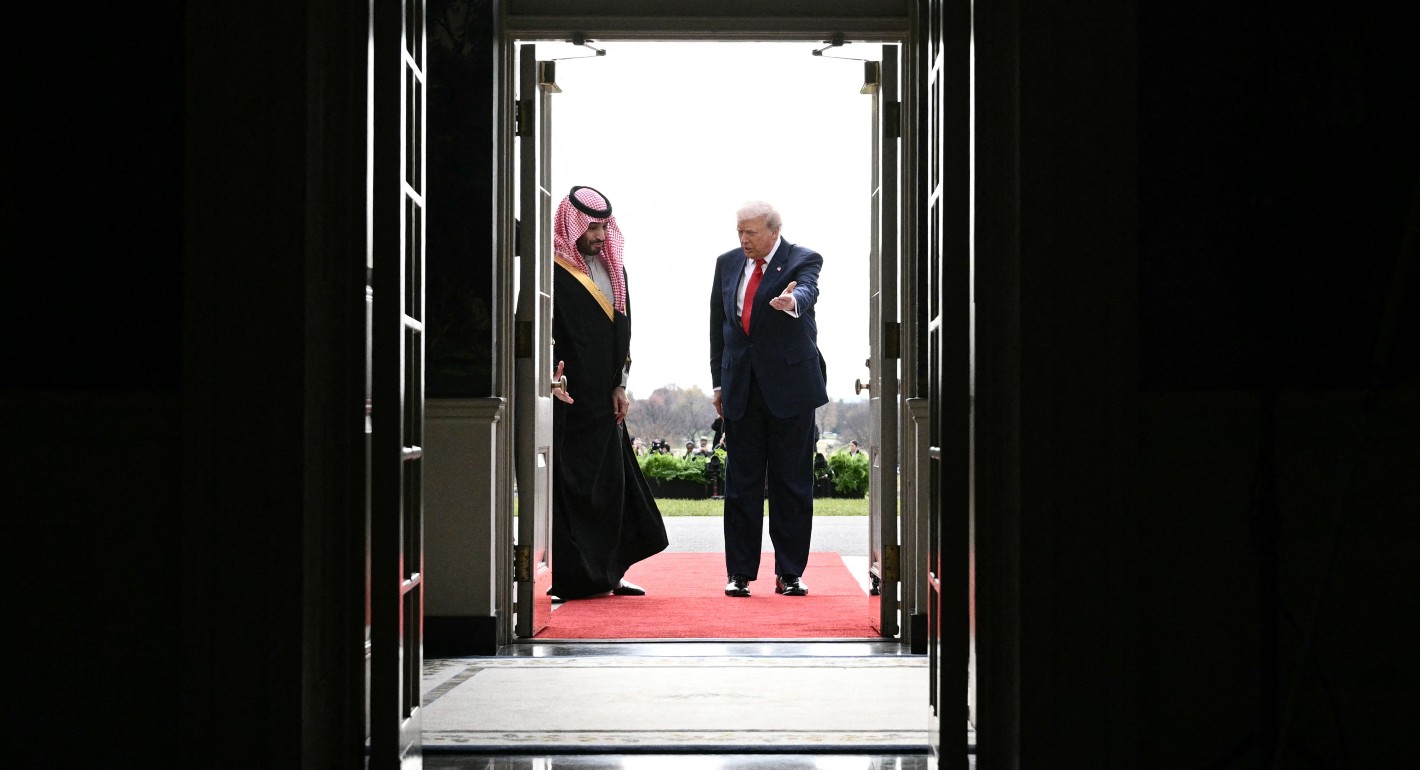
    The Latest Iran Deal Ignores the Lessons of the Past

    By burying disagreements in imprecision, the new deal risks same fate as its predecessors.

      James M. Acton

Get more news and analysis from
Carnegie Endowment for International Peace
Carnegie global logo, stacked
1779 Massachusetts Avenue NWWashington, DC, 20036-2103Phone: 202 483 7600
  • Research
  • Emissary
  • About
  • Experts
  • Donate
  • Programs
  • Events
  • Blogs
  • Podcasts
  • Contact
  • Annual Reports
  • Careers
  • Privacy
  • For Media
  • Government Resources
Get more news and analysis from
Carnegie Endowment for International Peace
© 2026 Carnegie Endowment for International Peace. All rights reserved.