• Research
  • Emissary
  • About
  • Experts
Carnegie Global logoCarnegie lettermark logo
DemocracyIran
  • Donate
{
  "authors": [
    "Marc Pierini"
  ],
  "type": "legacyinthemedia",
  "centerAffiliationAll": "dc",
  "centers": [
    "Carnegie Endowment for International Peace",
    "Carnegie Europe"
  ],
  "collections": [
    "Turkey’s Transformation"
  ],
  "englishNewsletterAll": "ctw",
  "nonEnglishNewsletterAll": "",
  "primaryCenter": "Carnegie Europe",
  "programAffiliation": "EP",
  "programs": [
    "Europe"
  ],
  "projects": [],
  "regions": [
    "Europe",
    "North America",
    "Türkiye",
    "Middle East",
    "Western Europe",
    "Iran"
  ],
  "topics": [
    "Foreign Policy",
    "Democracy"
  ]
}
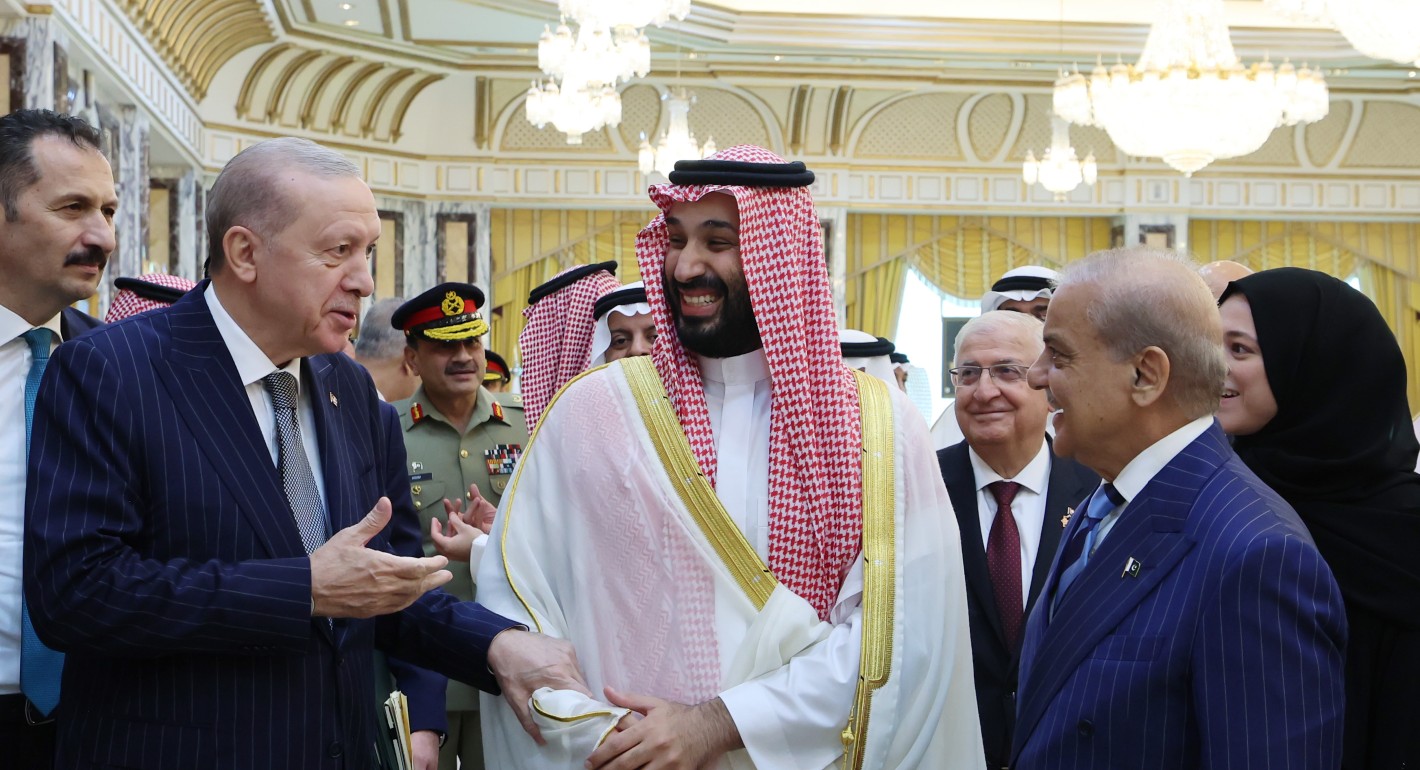
REQUIRED IMAGE

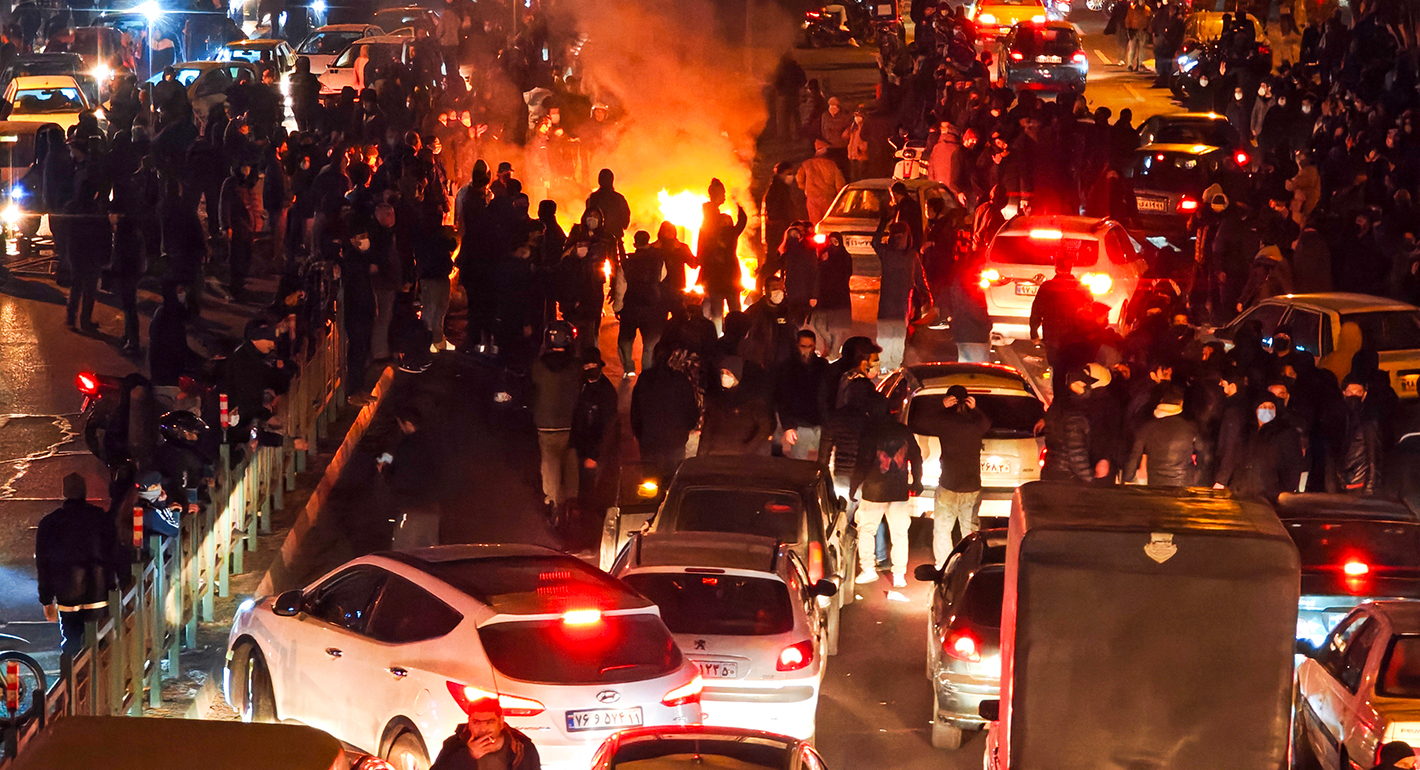
REQUIRED IMAGE

In The Media
Carnegie Europe

The Narrow Path Forward Between the European Union and Turkey

Diplomatic relations between the EU and Turkey have been strained since 2019. To improve them, the EU will have to overcome Ankara's self-contradicting foreign policy by managing its own internal conflicts and coordinating more closely with the United States.

Link Copied
By Marc Pierini
Published on Nov 24, 2021
Program mobile hero image

Program

Europe

The Europe Program in Washington explores the political and security developments within Europe, transatlantic relations, and Europe’s global role. Working in coordination with Carnegie Europe in Brussels, the program brings together U.S. and European policymakers and experts on strategic issues facing Europe.

Learn More

Institut Européen de la Méditerranée

About the Author

Marc Pierini

Senior Fellow, Carnegie Europe

Marc Pierini is a senior fellow at Carnegie Europe, where his research focuses on developments in the Middle East and Turkey from a European perspective.

    Recent Work

  • Commentary
    Deciphering Europe’s Relationship with Turkey

      Marc Pierini

  • Commentary
    Europe Doesn’t Like War—for Good Reasons

      Marc Pierini

Marc Pierini
Senior Fellow, Carnegie Europe
Marc Pierini
Foreign PolicyDemocracyEuropeNorth AmericaTürkiyeMiddle EastWestern EuropeIran

Carnegie does not take institutional positions on public policy issues; the views represented herein are those of the author(s) and do not necessarily reflect the views of Carnegie, its staff, or its trustees.

More Work from Carnegie Endowment for International Peace

  • Two people in blue PPE standing over large metal rolls
    Commentary
    Emissary
    Inside the Global Race to Erode a Battery Manufacturing Monopoly

    Over the past decade, China has moved from marginal player to major producer of all things batteries. The United States, Europe, and others are aiming to balance the market.

      Milo McBride

  • Lee and Lula walking
    Commentary
    Emissary
    Why Korea’s President Skipped Washington for Silicon Valley and Brasília

    Lee’s tour shows how Seoul is reorganizing its diplomacy away from Pyongyang and toward industrial networks and the geography of the compute economy.

      Darcie Draudt-Véjares

  • People standing on rocks in the ocean near the shore, with soldiers in the foreground
    Commentary
    Emissary
    The Migration Wave That Embarrassed Morocco and Rattled Europe

    Most migrants may have left Ceuta, but the effects may linger.

      • Alejandro Rodriguez
      • Sarah Yerkes

      Alejandro Martin Rodriguez, Sarah Yerkes

  • Supporters wave VOX and Spanish flags at the start of Patriots for Europe rally at Marriott Auditorium Hotel on February 08, 2025 in Madrid, Spain
    Paper
    How Populist Middle Powers Are—and Are Not—Reshaping Global Politics

    There is a transnational far-right populist movement that links middle powers in a global movement that extends well beyond Trump.

      • Christopher Chivvis

      Christopher S. Chivvis, Rohan Mukherjee, Milan Vaishnav

  • Commentary
    Carnegie Politika
    Russia Is Exporting Its Fuel Crisis to Central Asia

    When faced with fuel shortages in the past, Central Asian governments could always count on additional supplies from Moscow. That safety net no longer exists.

      Galiya Ibragimova

Get more news and analysis from
Carnegie Endowment for International Peace
Carnegie global logo, stacked
1779 Massachusetts Avenue NWWashington, DC, 20036-2103Phone: 202 483 7600
  • Research
  • Emissary
  • About
  • Experts
  • Donate
  • Programs
  • Events
  • Blogs
  • Podcasts
  • Contact
  • Annual Reports
  • Careers
  • Privacy
  • For Media
  • Government Resources
Get more news and analysis from
Carnegie Endowment for International Peace
© 2026 Carnegie Endowment for International Peace. All rights reserved.