• Research
  • Emissary
  • About
  • Experts
Carnegie Global logoCarnegie lettermark logo
DemocracyIran
  • Donate
{
  "authors": [
    "Milan Vaishnav"
  ],
  "type": "legacyinthemedia",
  "centerAffiliationAll": "dc",
  "centers": [
    "Carnegie Endowment for International Peace"
  ],
  "collections": [],
  "englishNewsletterAll": "ctw",
  "nonEnglishNewsletterAll": "",
  "primaryCenter": "Carnegie Endowment for International Peace",
  "programAffiliation": "SAP",
  "programs": [
    "South Asia"
  ],
  "projects": [],
  "regions": [
    "South Asia",
    "India"
  ],
  "topics": [
    "Democracy"
  ]
}
REQUIRED IMAGE

REQUIRED IMAGE

In The Media

Introduction to E-symposium: Urbanisation, Gender, and Social Change in North India

Urbanisation in India is reshaping established social and economic patterns of behaviour, in ways that scholars are yet to fully comprehend.

Link Copied
By Milan Vaishnav
Published on Dec 26, 2021
Program mobile hero image

Program

South Asia

The South Asia Program informs policy debates relating to the region’s security, economy, and political development. From strategic competition in the Indo-Pacific to India’s internal dynamics and U.S. engagement with the region, the program offers in-depth, rigorous research and analysis on South Asia’s most critical challenges.

Learn More

Ideas For India

About the Author

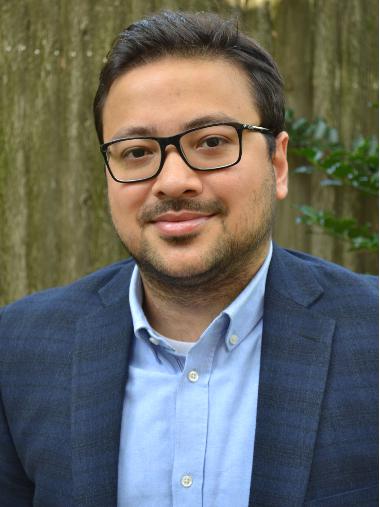
Milan Vaishnav

Director and Senior Fellow, South Asia Program

Milan Vaishnav is a senior fellow and director of the South Asia Program and the host of the Grand Tamasha podcast at the Carnegie Endowment for International Peace. His primary research focus is the political economy of India, and he examines issues such as corruption and governance, state capacity, federalism, and electoral behavior. He also conducts research on the Indian diaspora.

    Recent Work
  • Paper
    How Populist Middle Powers Are—and Are Not—Reshaping Global Politics
      • Christopher Chivvis

      Christopher S. Chivvis, Rohan Mukherjee, Milan Vaishnav

  • Commentary
    Carnegie’s Summer Beach Reads
      • Steve Feldstein
      • +8

      Sophia Besch, Eric Ciaramella, Steve Feldstein, …

Milan Vaishnav
Director and Senior Fellow, South Asia Program
Milan Vaishnav
DemocracySouth AsiaIndia

Carnegie does not take institutional positions on public policy issues; the views represented herein are those of the author(s) and do not necessarily reflect the views of Carnegie, its staff, or its trustees.

More Work from Carnegie Endowment for International Peace

  • Woman flashing a peace sign in front of a blue sign
    Commentary
    Emissary
    Morocco’s Historic Gender Equality Moment That Won’t Move the Needle

    Fatima El Mansouri is the country’s first female prime minister. She’s also a privileged insider in a largely ceremonial position.

      • Sarah Yerkes

      Sarah Yerkes

  • Commentary
    Strategic Europe
    How Le Pen Benefits from the Stalemate in Ukraine

    The domestic impacts of how long it is taking to end the war in Ukraine have pushed the French electorate to the political extremes and compromised the country’s diplomatic capacity.

      • Rym Momtaz

      Rym Momtaz

  • Close-up of Lithium-Ion Battery Pack
    Research
    Battery Ecosystems: A Comparative Analysis of Lithium-Ion Tech Policy

    A deep dive into the policy ecosystems behind battery development in China, South Korea, Japan, the European Union (including some of its member states), the United States, Canada, and India.


      • +5

      Milo McBride, Herbert Crowther, Darcie Draudt-Véjares, …

  • Ukraine Poland Zelensky Tusk Enlargement EU
    Commentary
    Strategic Europe
    The Uncomfortable Truth About EU Enlargement

    Before the next wave of EU enlargement takes place, the union needs to grapple with thorny questions of how power is distributed among its members.


      • Ditte Brasso Sørensen

      Emil Sondaj Hansen, Ditte Brasso Sørensen
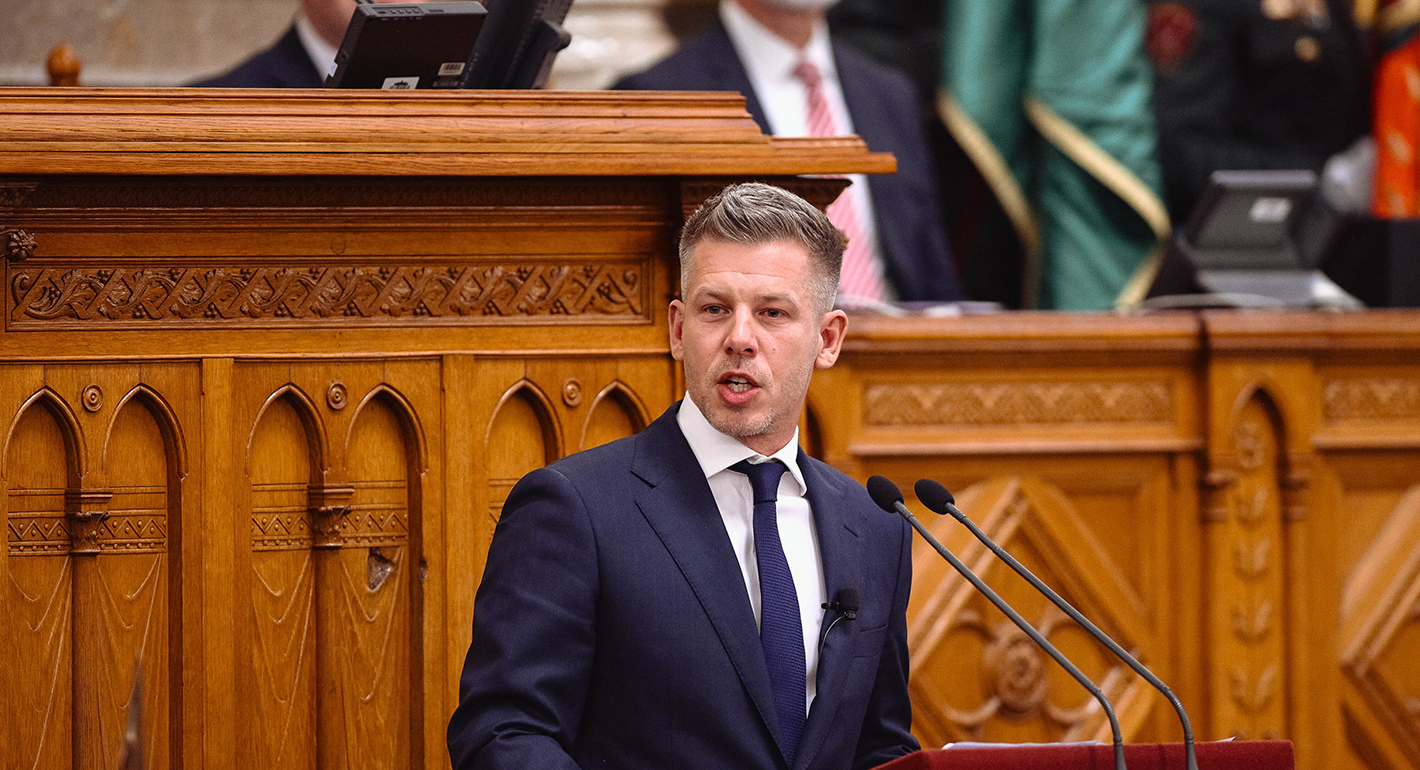
  • Peter Magyar delivers his first official speech after he was sworn into the parliament as the new Prime Minister of Hungary under the TISZA party, during today's inaugural session of the Hungarian Parliament, in Budapest, Hungary on 9 May 2026.
    Article
    How Is Hungary’s New Government Doing?

    Despite myriad challenges and occasional stumbles, the new Hungarian government is moving ahead with energy and conviction to uproot years of illiberalism and corruption and rebuild Hungarian democracy.

      Thomas Carothers

Get more news and analysis from
Carnegie Endowment for International Peace
Carnegie global logo, stacked
1779 Massachusetts Avenue NWWashington, DC, 20036-2103Phone: 202 483 7600
  • Research
  • Emissary
  • About
  • Experts
  • Donate
  • Programs
  • Events
  • Blogs
  • Podcasts
  • Contact
  • Annual Reports
  • Careers
  • Privacy
  • For Media
  • Government Resources
Get more news and analysis from
Carnegie Endowment for International Peace
© 2026 Carnegie Endowment for International Peace. All rights reserved.