

Paper
Diana Sang, Jane Munga, Nanjira Sambuli
{
  "authors": [
    "Nanjira Sambuli"
  ],
  "type": "legacyinthemedia",
  "centerAffiliationAll": "dc",
  "centers": [
    "Carnegie Endowment for International Peace"
  ],
  "collections": [],
  "englishNewsletterAll": "ctw",
  "nonEnglishNewsletterAll": "",
  "primaryCenter": "Carnegie Endowment for International Peace",
  "programAffiliation": "TIA",
  "programs": [
    "Technology and International Affairs"
  ],
  "projects": [],
  "regions": [
    "Iran"
  ],
  "topics": [
    "Global Governance",
    "Technology"
  ]
}
REQUIRED IMAGE
Digital technologies, given their rapid rate of diffusion through globalisation, have become “glocal” in nature. They are becoming a mainstay of society, with their adoption further accelerated by the COVID-19 pandemic.
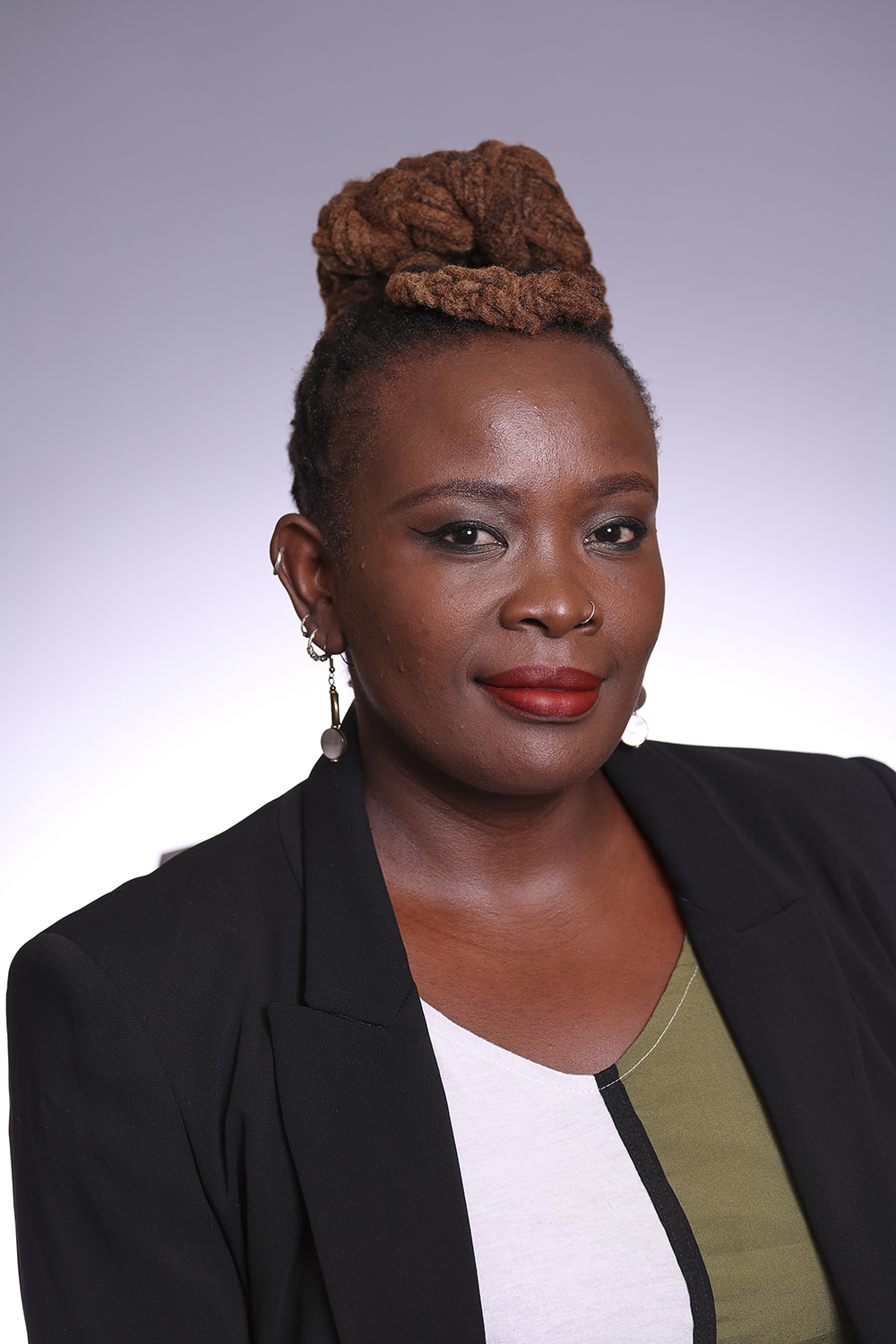
Nonresident Scholar, Technology and International Affairs
Nanjira Sambuli is a nonresident scholar in the Technology and International Affairs Program. She is a researcher, policy analyst and strategist studying the unfolding, gendered impacts of digitalization/ICT adoption on governance, diplomacy, media, entrepreneurship, and culture, especially in Africa.
Recent Work
Diana Sang, Jane Munga, Nanjira Sambuli
Nanjira Sambuli
Carnegie does not take institutional positions on public policy issues; the views represented herein are those of the author(s) and do not necessarily reflect the views of Carnegie, its staff, or its trustees.
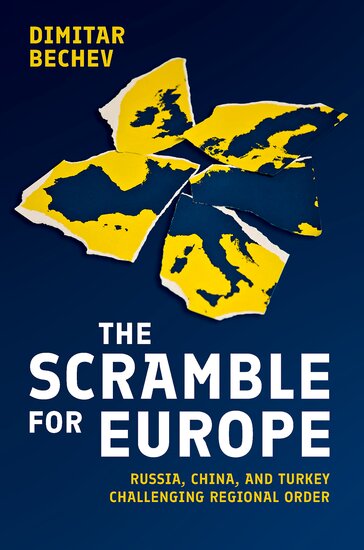
Europe is facing rising populism internally as well as external pressures from Russia, China, Turkey, and the United States.

Dimitar Bechev

Policy proposals on sovereign debt must both match the scale of the challenge and be implementable within existing political constraints.
David McNair
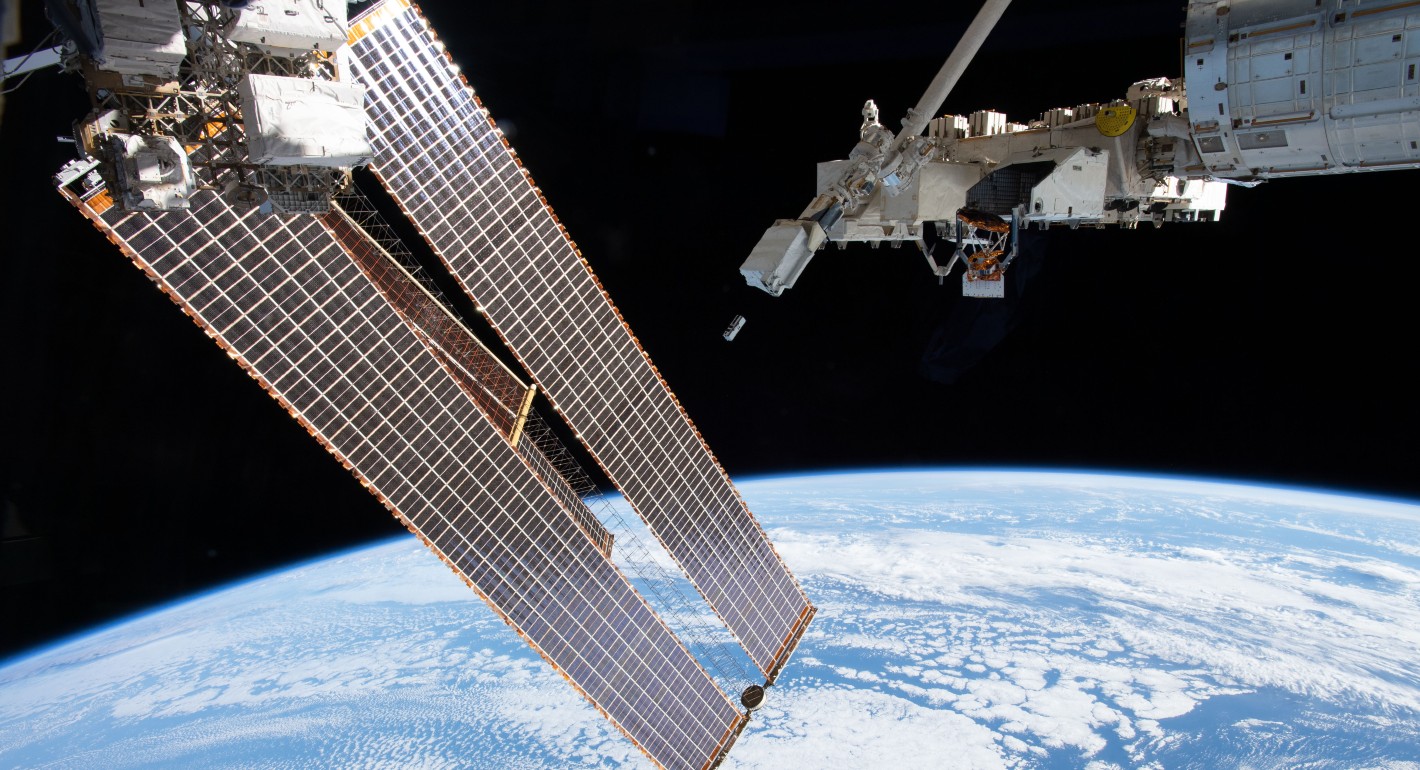
The acknowledgment has sparked fears of a new arms race with China and Russia.

Chris O’Meara
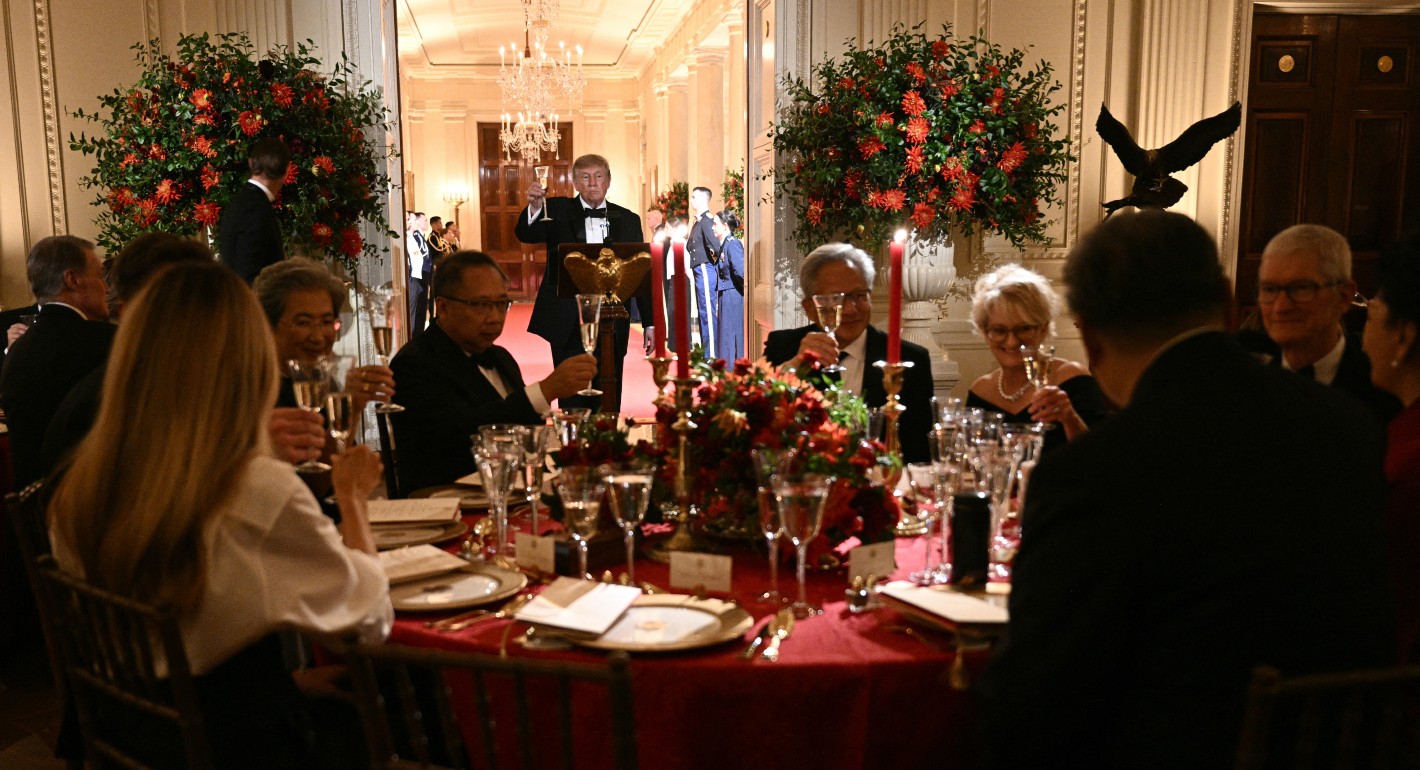
The summit may be remembered as a fatal blunder, when Washington, Beijing, and the AI industry collectively chose ceremony over action.

Jeffrey Prescott
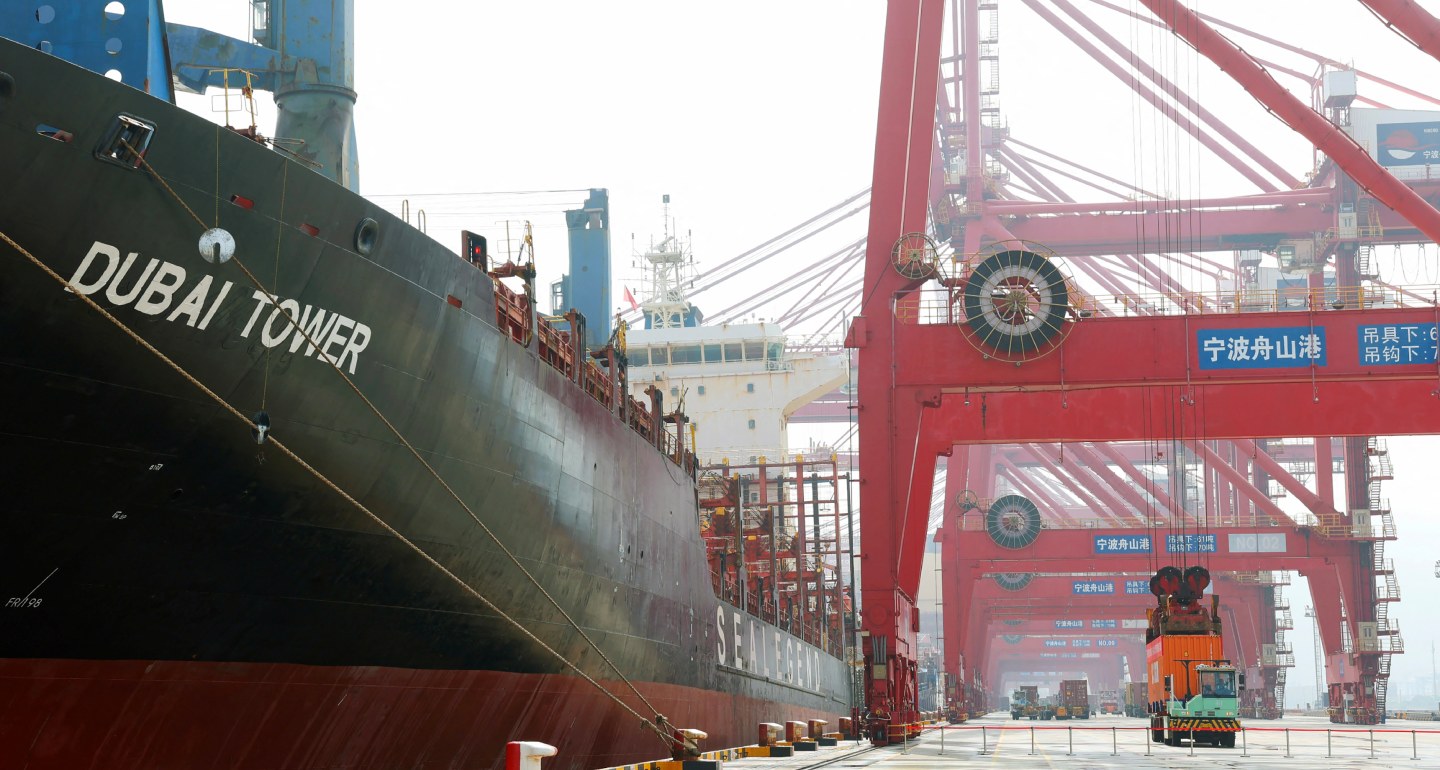
Cargo traffic through Russia’s Northern Sea Route has increased because of the disruption caused by the conflict in the Middle East, the Ukraine war, and U.S.-China tensions.
Mikhail Korostikov