

Commentary
Gwendolyn Sasse
{
  "authors": [
    "Gwendolyn Sasse"
  ],
  "type": "legacyinthemedia",
  "centerAffiliationAll": "dc",
  "centers": [
    "Carnegie Endowment for International Peace",
    "Carnegie Europe"
  ],
  "collections": [
    "Europe’s Eastern Neighborhood"
  ],
  "englishNewsletterAll": "ctw",
  "nonEnglishNewsletterAll": "",
  "primaryCenter": "Carnegie Europe",
  "programAffiliation": "EP",
  "programs": [
    "Europe"
  ],
  "projects": [],
  "regions": [
    "Russia",
    "Europe",
    "Eastern Europe",
    "Ukraine",
    "Iran"
  ],
  "topics": [
    "Foreign Policy",
    "Security"
  ]
}
REQUIRED IMAGE
While we don't know exact figures, it is clear that Russian casualties are high. However, it is also evident that Putin is still completely in control of what is happening. As such, Europe needs to do more, especially as NATO is trying to avoid becoming a direct party to the war.
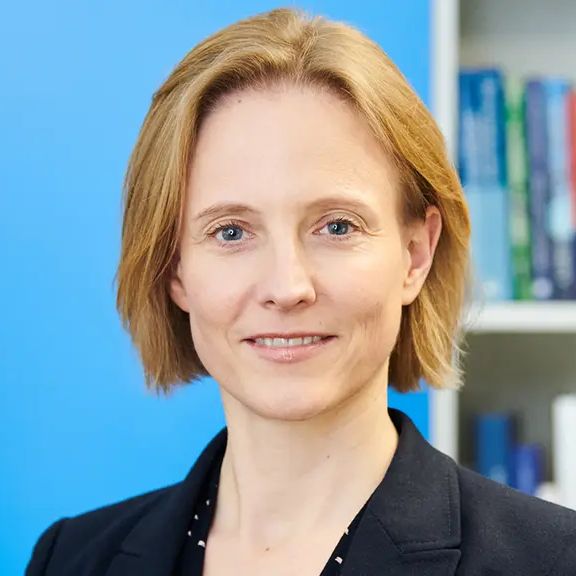
Nonresident Senior Fellow, Carnegie Europe
Gwendolyn Sasse is a nonresident senior fellow at Carnegie Europe. Her research focuses on Eastern Europe, with a particular focus on Ukrainian politics and society, EU enlargement, and comparative democratization.
Recent Work
Gwendolyn Sasse
Gwendolyn Sasse
Carnegie does not take institutional positions on public policy issues; the views represented herein are those of the author(s) and do not necessarily reflect the views of Carnegie, its staff, or its trustees.

The Bureau of Industry and Security needs to adjust its focus and practices to maintain its position as the U.S. government’s primary champion of international technological competition.

Geoffrey Irving
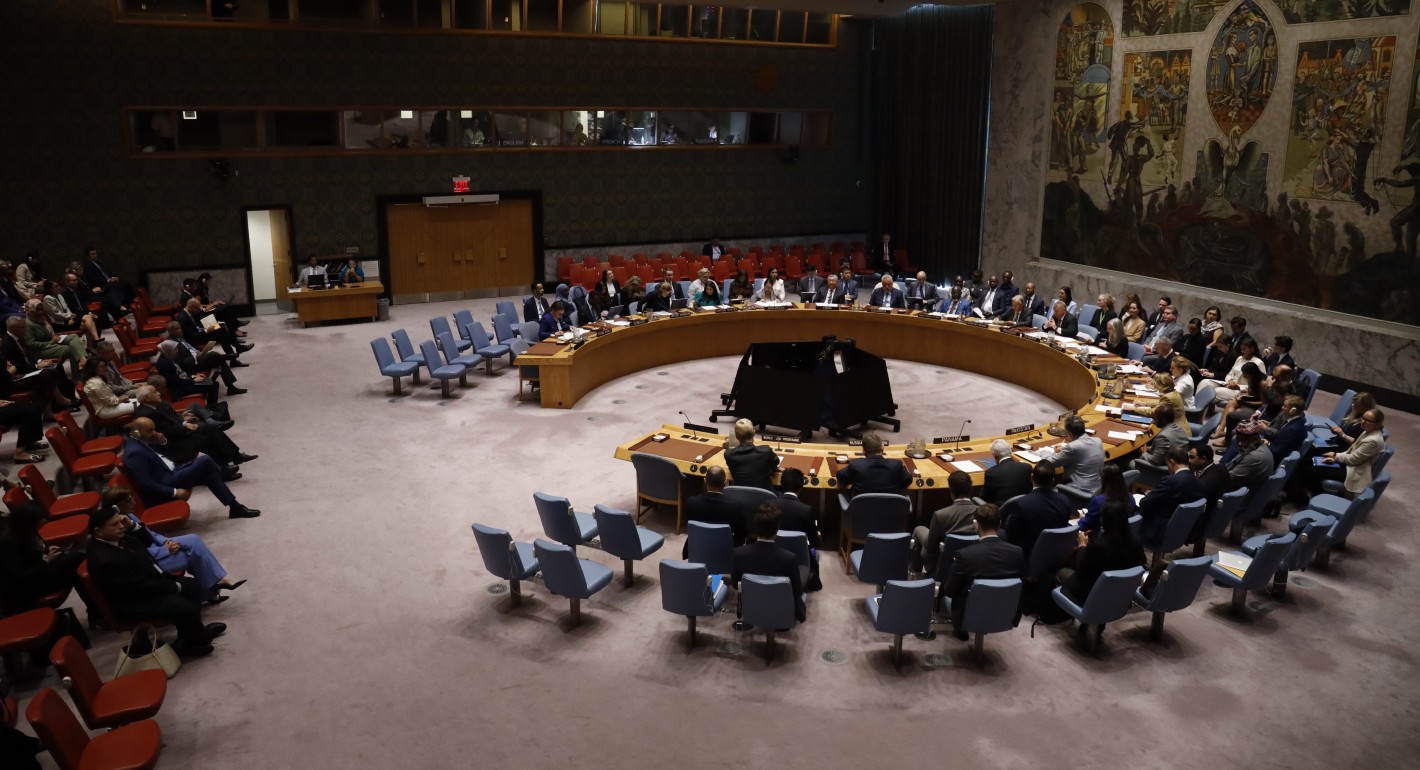
They face an uphill climb, but they could draw on a strategy that other diplomats have used in the past.


Shana Tabak, Alejandro Martin Rodriguez
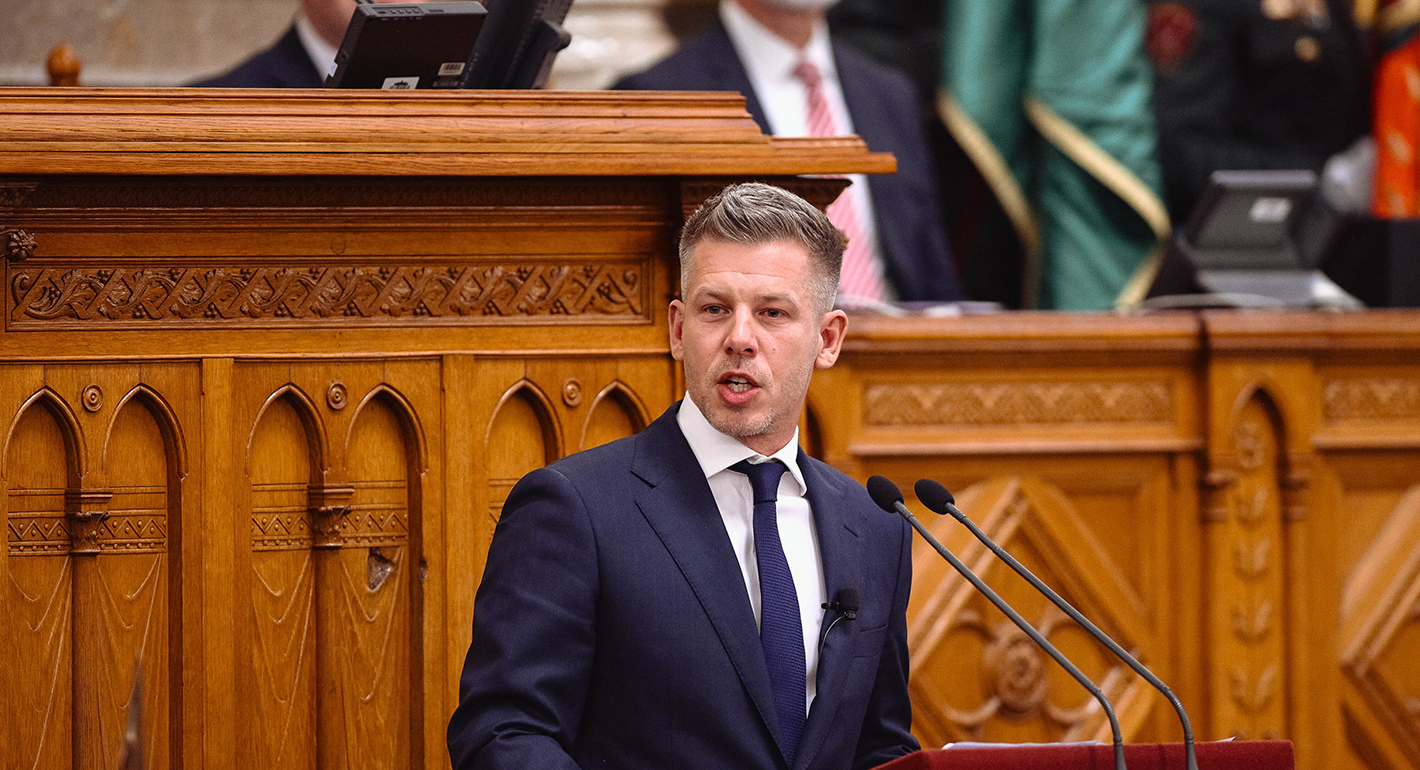
Despite myriad challenges and occasional stumbles, the new Hungarian government is moving ahead with energy and conviction to uproot years of illiberalism and corruption and rebuild Hungarian democracy.

Thomas Carothers

European Commission President Ursula von der Leyen is about to give her annual address on the state of the EU. Here’s what she won’t—but should—say.

Rym Momtaz

Depleted financial reserves and a shrinking tax base mean it is no longer possible to simultaneously deliver high defense spending, price stability, and economic growth.

Alexandra Prokopenko