

Article
Anna Ohanyan
{
  "authors": [
    "Anna Ohanyan"
  ],
  "type": "legacyinthemedia",
  "centerAffiliationAll": "dc",
  "centers": [
    "Carnegie Endowment for International Peace"
  ],
  "collections": [],
  "englishNewsletterAll": "ctw",
  "nonEnglishNewsletterAll": "",
  "primaryCenter": "Carnegie Endowment for International Peace",
  "programAffiliation": "russia",
  "programs": [
    "Russia and Eurasia"
  ],
  "projects": [],
  "regions": [
    "Caucasus",
    "Armenia"
  ],
  "topics": [
    "Political Reform"
  ]
}
REQUIRED IMAGE
This article examines the issue of democratic breakthroughs in highly geopoliticized, fractured regions in the post-Soviet space. While recognizing the political challenges of democratic transitions in such regions, it investigates specific conditions conducive to effective democratic openings in such regions.
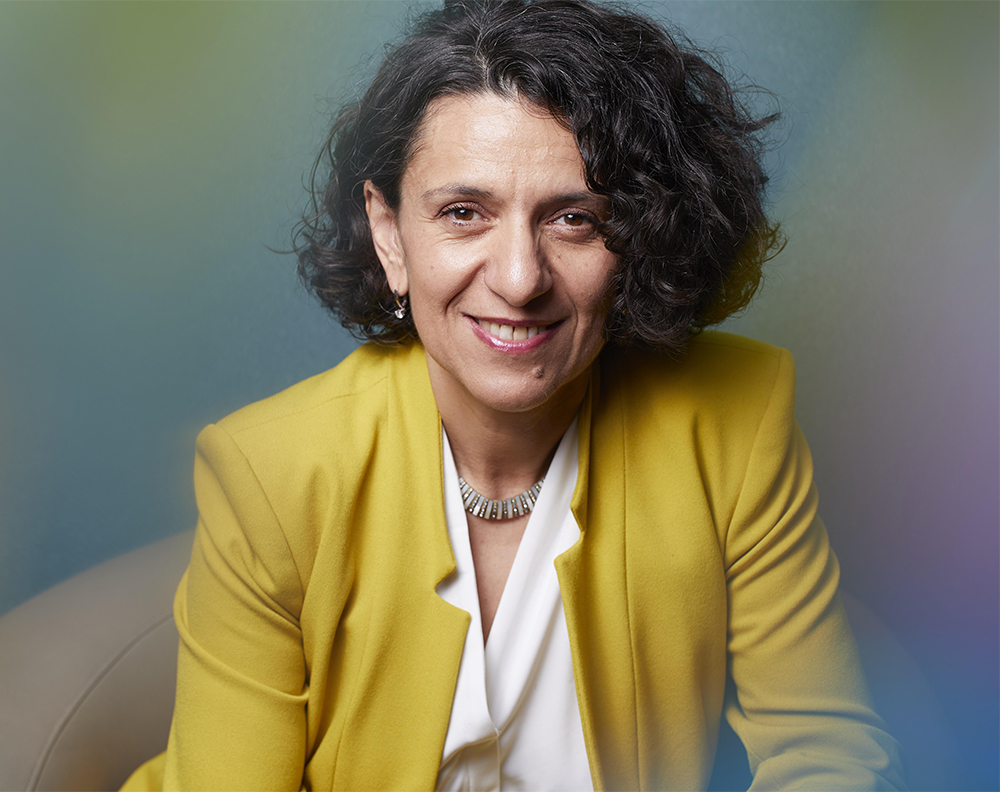
Nonresident Senior Scholar, Russia and Eurasia Program
Anna Ohanyan is a nonresident senior scholar in the Carnegie Russia and Eurasia Program.
Recent Work
Anna Ohanyan
Anna Ohanyan
Carnegie does not take institutional positions on public policy issues; the views represented herein are those of the author(s) and do not necessarily reflect the views of Carnegie, its staff, or its trustees.
It’s true that many Armenians would vote for anyone just to be rid of Pashinyan, whom they blame for the loss of Nagorno-Karabakh, but the pro-Russia opposition is unlikely to be able to channel that frustration into an electoral victory.
Mikayel Zolyan
Montenegro and Albania are frontrunners for EU enlargement in the Western Balkans, but they can’t just sit back and wait. To meet their 2030 accession ambitions, they must make a strong positive case.


Dimitar Bechev, Iliriana Gjoni
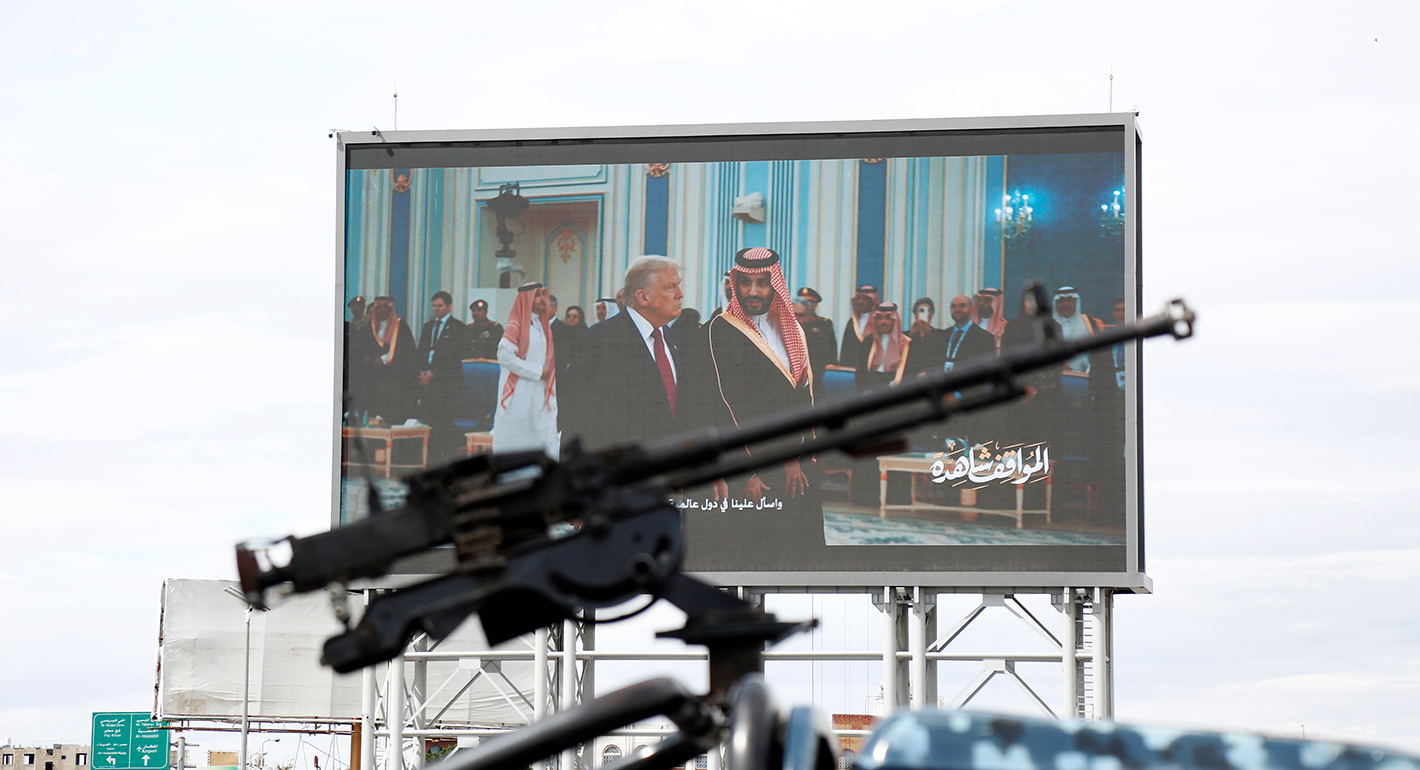
The return of war as the organizing factor in Middle Eastern politics has predictable consequences: governments are prioritizing regime stability and becoming averse to political and social reform.


Sarah Yerkes, Amr Hamzawy
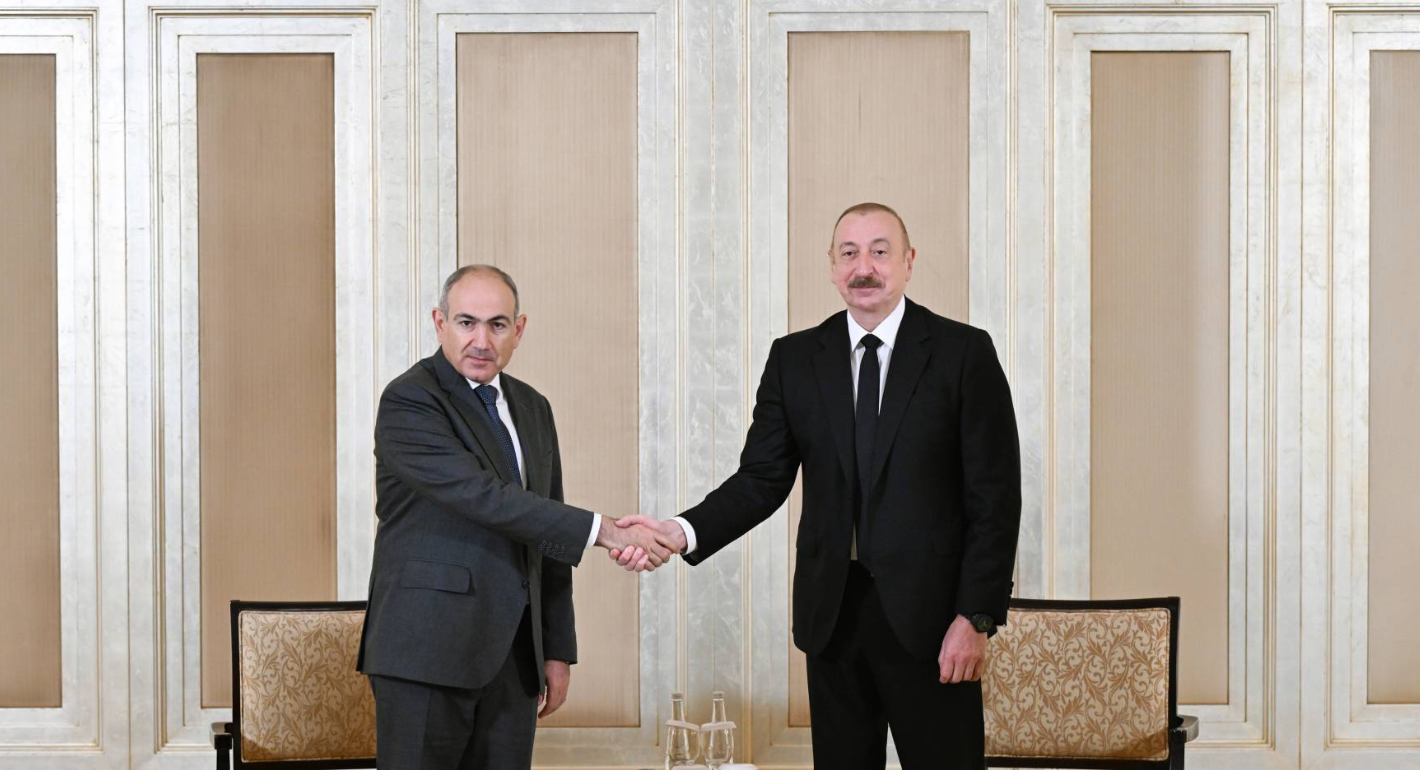
The U.S.-sponsored TRIPP deal is driving the Armenia-Azerbaijan peace process forward. But foreign and domestic hurdles remain before connectivity and economic interdependence can open up the South Caucasus.


Thomas de Waal, Areg Kochinyan, Zaur Shiriyev
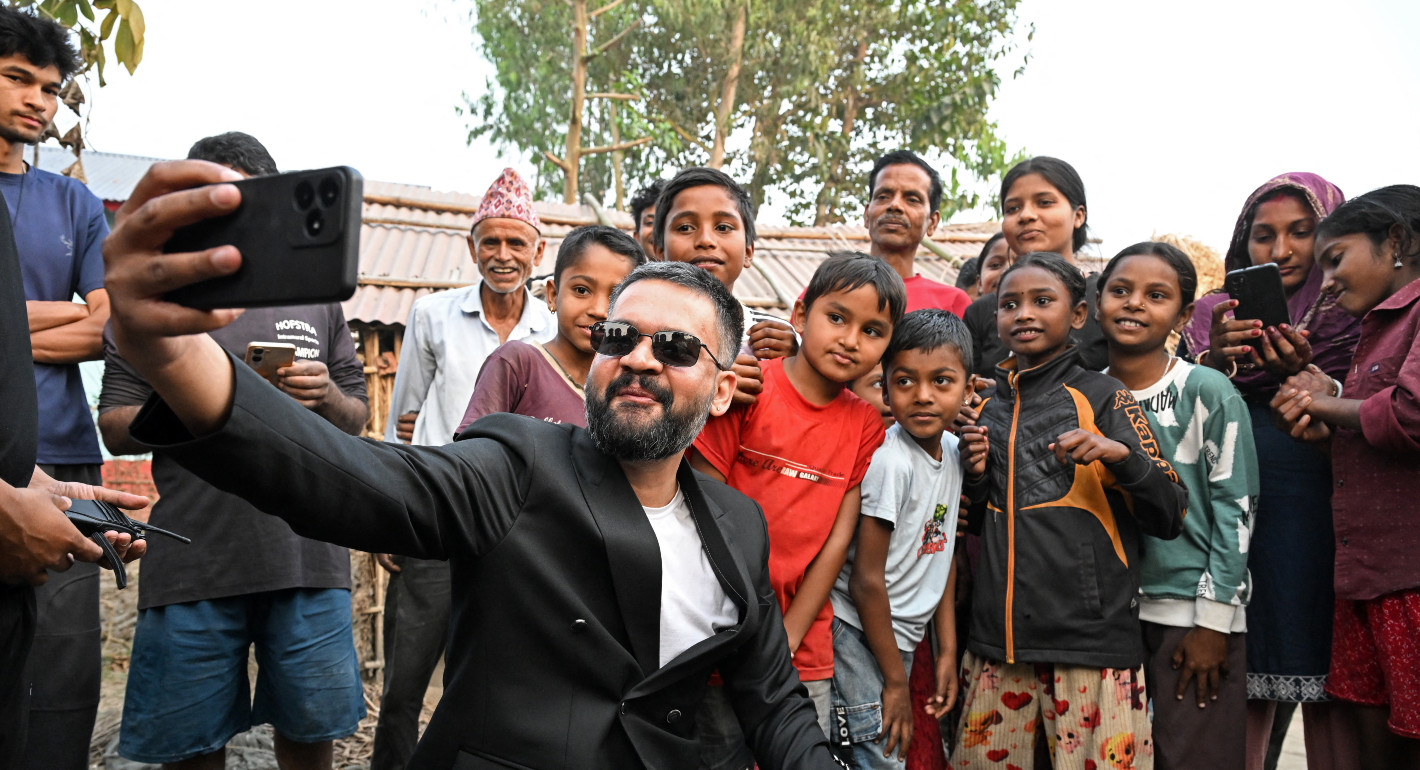
The incoming government has swept Nepal’s election. The real work begins now.
Amish Raj Mulmi