• Research
  • Emissary
  • About
  • Experts
Carnegie Global logoCarnegie lettermark logo
DemocracyIran
  • Donate
{
  "authors": [
    "Mariano-Florentino (Tino) Cuéllar",
    "Aziz Z. Huq"
  ],
  "type": "legacyinthemedia",
  "centerAffiliationAll": "dc",
  "centers": [
    "Carnegie Endowment for International Peace"
  ],
  "collections": [
    "Artificial Intelligence"
  ],
  "englishNewsletterAll": "ctw",
  "nonEnglishNewsletterAll": "",
  "primaryCenter": "Carnegie Endowment for International Peace",
  "programAffiliation": "TIA",
  "programs": [
    "Technology and International Affairs"
  ],
  "projects": [],
  "regions": [
    "North America",
    "United States",
    "Iran"
  ],
  "topics": [
    "Technology"
  ]
}
REQUIRED IMAGE

REQUIRED IMAGE

In The Media

Artificially Intelligent Regulation

The ubiquity of artificial intelligence systems in modern organizations all but guarantees that regulators or the parties they oversee will make use of learning algorithms or novel techniques to analyze data in the process of defining, implementing, or complying with regulatory requirements.

Link Copied
By Mariano-Florentino (Tino) Cuéllar and Aziz Z. Huq
Published on Apr 15, 2022
Program mobile hero image

Program

Technology and International Affairs

The Technology and International Affairs Program develops insights to address the governance challenges and large-scale risks of new technologies. Our experts identify actionable best practices and incentives for industry and government leaders on artificial intelligence, cyber threats, cloud security, countering influence operations, reducing the risk of biotechnologies, and ensuring global digital inclusion.

Learn More

Dædalus

About the Authors

Mariano-Florentino (Tino) Cuéllar

President, Carnegie Endowment for International Peace

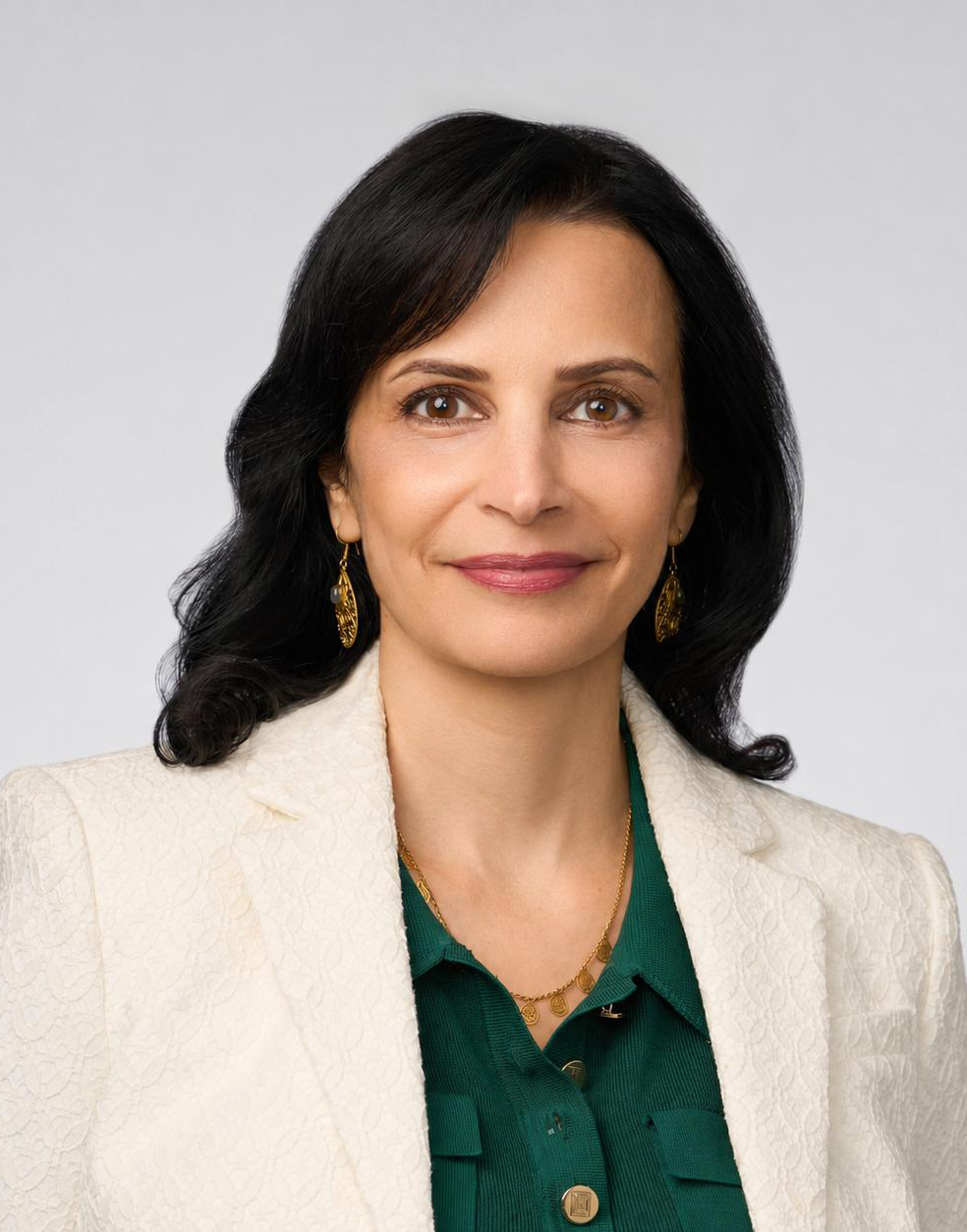
Mariano-Florentino (Tino) Cuéllar is the tenth president of the Carnegie Endowment for International Peace. A former justice of the Supreme Court of California, he has served three U.S. presidential administrations at the White House and in federal agencies, and was the Stanley Morrison Professor at Stanford University, where he held appointments in law, political science, and international affairs and led the university’s Freeman Spogli Institute for International Studies.

Aziz Z. Huq

Authors

Mariano-Florentino (Tino) Cuéllar
President, Carnegie Endowment for International Peace
Mariano-Florentino (Tino) Cuéllar
Aziz Z. Huq
TechnologyNorth AmericaUnited StatesIran

Carnegie does not take institutional positions on public policy issues; the views represented herein are those of the author(s) and do not necessarily reflect the views of Carnegie, its staff, or its trustees.

More Work from Carnegie Endowment for International Peace

  • people looking at damage
    Commentary
    Emissary
    Two Wars Later, Iran’s Nuclear Question Is Still on the Table

    Tehran may conclude that its ability to disrupt the global economy via the Strait of Hormuz provides enough deterrence to begin quietly rebuilding its nuclear program.

      • Jane Darby Menton
      • Mohammad Ayatollahi Tabaar

      Jane Darby Menton, Mohammad Ayatollahi Tabaar

  • Article
    From Labor Scarcity to AI Society: Governing Productivity in East Asia

    The debate over AI and work too often centers on displacement. Facing aging populations and shrinking workforces, East Asian policymakers view AI not as a threat, but as a cross-sectoral workforce strategy.

      Darcie Draudt-Véjares, Sophie Zhuang

  • Article
    Governing AI in the Shadow of Giants: Korea’s Strategic Response to Great Power AI Competition

    In its version of an AI middle power strategy, Seoul is pursuing alignment with the United States not as an endpoint but as a strategy to build industrial and geopolitical leverage. Whether this balance holds remains an open question.

      Darcie Draudt-Véjares, Seungjoo Lee

  • Research
    For People, Planet, and Progress: Perspectives from India's AI Impact Summit

    This collection of essays by scholars from Carnegie India’s Technology and Society program traces the evolution of the AI summit series and examines India’s framing around the three sutras of people, planet, and progress. Scholars have catalogued and assessed the concrete deliverables that emerged and assessed what the precedent of a Global South country hosting means for the future of the multilateral conversation.

      • +3

      Nidhi Singh, Tejas Bharadwaj, Shruti Mittal, …

  • Article
    The Iran War Shows the Limits of U.S. Power

    If Washington cannot adapt to the ongoing transformations of a multipolar world, its superiority will become a liability.

      Amr Hamzawy

Get more news and analysis from
Carnegie Endowment for International Peace
Carnegie global logo, stacked
1779 Massachusetts Avenue NWWashington, DC, 20036-2103Phone: 202 483 7600
  • Research
  • Emissary
  • About
  • Experts
  • Donate
  • Programs
  • Events
  • Blogs
  • Podcasts
  • Contact
  • Annual Reports
  • Careers
  • Privacy
  • For Media
  • Government Resources
Get more news and analysis from
Carnegie Endowment for International Peace
© 2026 Carnegie Endowment for International Peace. All rights reserved.