• Research
  • Emissary
  • About
  • Experts
Carnegie Global logoCarnegie lettermark logo
DemocracyIran
  • Donate
{
  "authors": [
    "Richard Youngs"
  ],
  "type": "legacyinthemedia",
  "centerAffiliationAll": "dc",
  "centers": [
    "Carnegie Endowment for International Peace",
    "Carnegie Europe"
  ],
  "collections": [],
  "englishNewsletterAll": "ctw",
  "nonEnglishNewsletterAll": "",
  "primaryCenter": "Carnegie Europe",
  "programAffiliation": "EP",
  "programs": [
    "Europe",
    "Democracy, Conflict, and Governance"
  ],
  "projects": [],
  "regions": [
    "Europe",
    "Western Europe",
    "Iran"
  ],
  "topics": [
    "EU",
    "Democracy"
  ]
}
REQUIRED IMAGE

REQUIRED IMAGE

In The Media
Carnegie Europe

Can the EU Import Democracy?

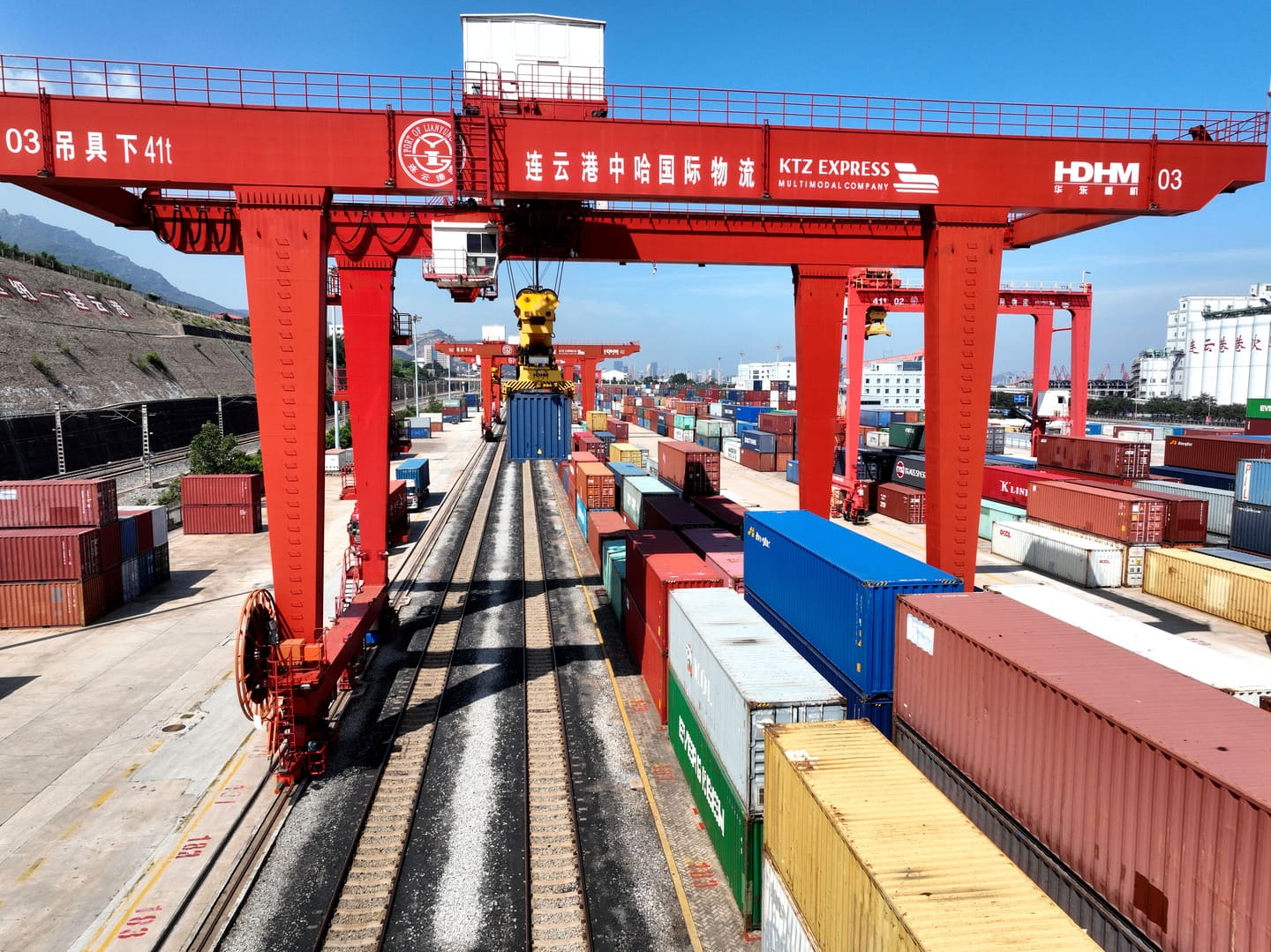
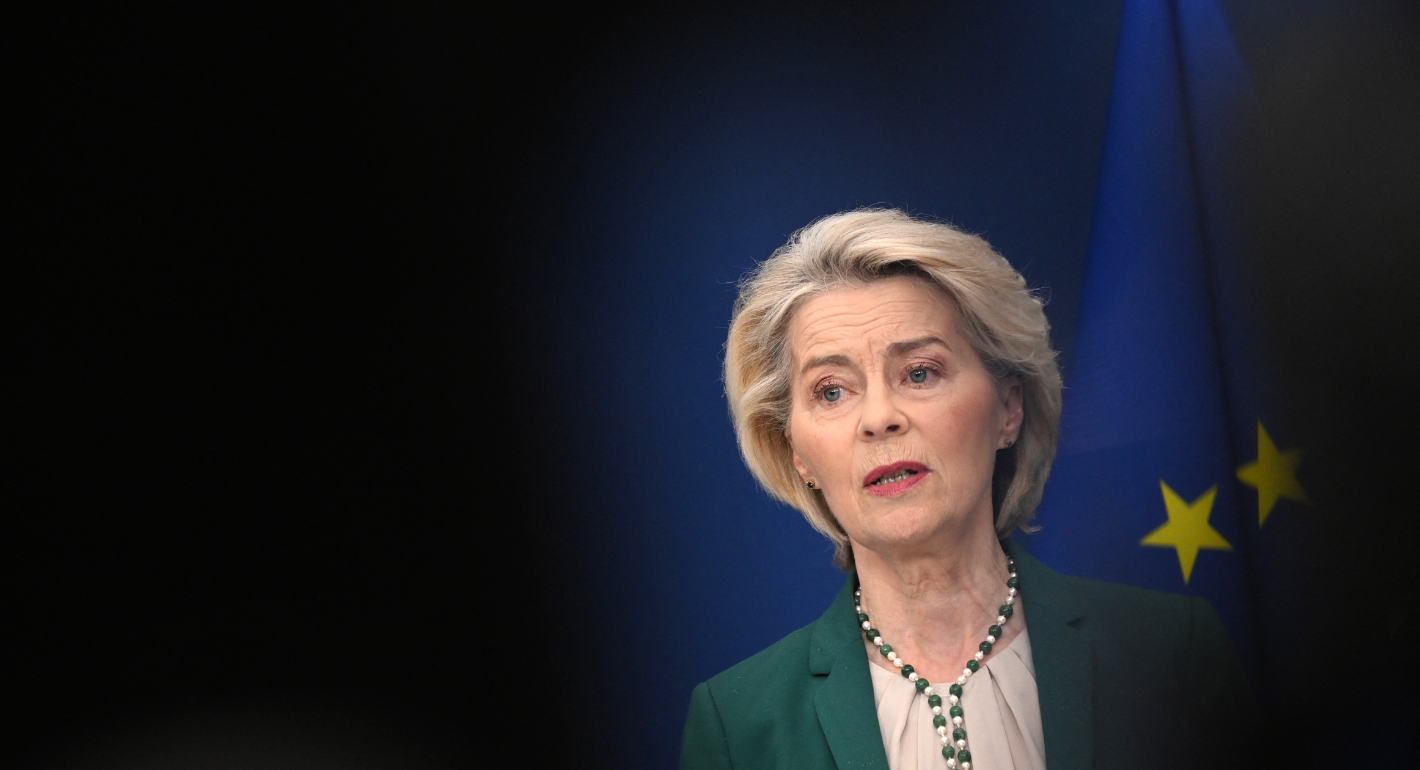
For over two decades, the EU has used a wide range of policy instruments to export democratic practices to third countries. But the bloc should also learn more from democratic innovations around the world, where reformers have long been grappling with anti-democratic trends.

Link Copied
By Richard Youngs
Published on Mar 22, 2023
Program mobile hero image

Program

Europe

The Europe Program in Washington explores the political and security developments within Europe, transatlantic relations, and Europe’s global role. Working in coordination with Carnegie Europe in Brussels, the program brings together U.S. and European policymakers and experts on strategic issues facing Europe.

Learn More
Program mobile hero image

Program

Democracy, Conflict, and Governance

The Democracy, Conflict, and Governance Program is a leading source of independent policy research, writing, and outreach on global democracy, conflict, and governance. It analyzes and seeks to improve international efforts to reduce democratic backsliding, mitigate conflict and violence, overcome political polarization, promote gender equality, and advance pro-democratic uses of new technologies.

Learn More

Journal of Common Market Studies

About the Author

Richard Youngs

Senior Fellow, Democracy, Conflict, and Governance Program

Richard Youngs is a senior fellow in the Democracy, Conflict, and Governance Program, based at Carnegie Europe. He works on EU foreign policy and on issues of international democracy.

    Recent Work

  • Commentary
    The EU Needs a Third Way in Iran

      Richard Youngs

  • Paper
    European Democracy Support Annual Review 2025
      • Elena-Viudes-Egea
      • +6

      Richard Youngs, ed., Elena Viudes Egea, Zselyke Csaky, …

Richard Youngs
Senior Fellow, Democracy, Conflict, and Governance Program
Richard Youngs
EUDemocracyEuropeWestern EuropeIran

Carnegie does not take institutional positions on public policy issues; the views represented herein are those of the author(s) and do not necessarily reflect the views of Carnegie, its staff, or its trustees.
More Work from Carnegie Endowment for International Peace

  • Commentary
    Carnegie Politika
    Russia Is Meddling for Meddling’s Sake in the Middle East

    The Russian leadership wants to avoid a dangerous precedent in which it is squeezed out of Iran by the United States and Israel—and left powerless to respond in any meaningful way.

      Nikita Smagin

  • Man speaking into two mics
    Commentary
    Emissary
    Three Scenarios for the Gulf States After the Iran War

    One is hopeful. One is realistic. One is cautionary.

      • Andrew Leber

      Andrew Leber, Sam Worby

  • Commentary
    Strategic Europe
    The Fog of AI War

    In Ukraine, Gaza, and Iran, AI warfare has come to dominate, with barely any oversight or accountability. Europe must lead the charge on the responsible use of new military technologies.

      Raluca Csernatoni

  • Commentary
    Diwan
    Egypt’s Discrete Role in the Ceasefire with Iran

    Cairo’s efforts send a message to the United States and the region that it still has a place at the diplomatic table.

      • Angie Omar

      Angie Omar

  • Commentary
    Carnegie Politika
    Will Hungary’s New Leader Really Change EU Policy on Russia and Ukraine?

    Orbán created an image for himself as virtually the only opponent of aid to Ukraine in the entire EU. But in reality, he was simply willing to use his veto to absorb all the backlash, allowing other opponents to remain in the shadows.

      Maksim Samorukov

Get more news and analysis from
Carnegie Endowment for International Peace
Carnegie global logo, stacked
1779 Massachusetts Avenue NWWashington, DC, 20036-2103Phone: 202 483 7600Fax: 202 483 1840
  • Research
  • Emissary
  • About
  • Experts
  • Donate
  • Programs
  • Events
  • Blogs
  • Podcasts
  • Contact
  • Annual Reports
  • Careers
  • Privacy
  • For Media
  • Government Resources
Get more news and analysis from
Carnegie Endowment for International Peace
© 2026 Carnegie Endowment for International Peace. All rights reserved.