
• Research
  • Emissary
  • About
  • Experts
Carnegie Global logoCarnegie lettermark logo
DemocracyIran
  • Donate
{
  "authors": [
    "Francis Fukuyama"
  ],
  "type": "legacyinthemedia",
  "centerAffiliationAll": "dc",
  "centers": [
    "Carnegie Endowment for International Peace"
  ],
  "collections": [],
  "englishNewsletterAll": "democracy",
  "nonEnglishNewsletterAll": "",
  "primaryCenter": "Carnegie Endowment for International Peace",
  "programAffiliation": "DCG",
  "programs": [
    "Democracy, Conflict, and Governance"
  ],
  "projects": [],
  "regions": [],
  "topics": [
    "Political Reform",
    "Democracy"
  ]
}
REQUIRED IMAGE

REQUIRED IMAGE

In The Media

Why Middleware Is the Only Solution to Platform Power

In our polarized internet age, neither social media platforms nor the state can be counted on to regulate content. Middleware may be the best approach, argues Francis Fukuyama in his latest blog post.

Link Copied
By Francis Fukuyama
Published on Mar 6, 2023
Program mobile hero image

Program

Democracy, Conflict, and Governance

The Democracy, Conflict, and Governance Program is a leading source of independent policy research, writing, and outreach on global democracy, conflict, and governance. It analyzes and seeks to improve international efforts to reduce democratic backsliding, mitigate conflict and violence, overcome political polarization, promote gender equality, and advance pro-democratic uses of new technologies.

Learn More

American Purpose

About the Author

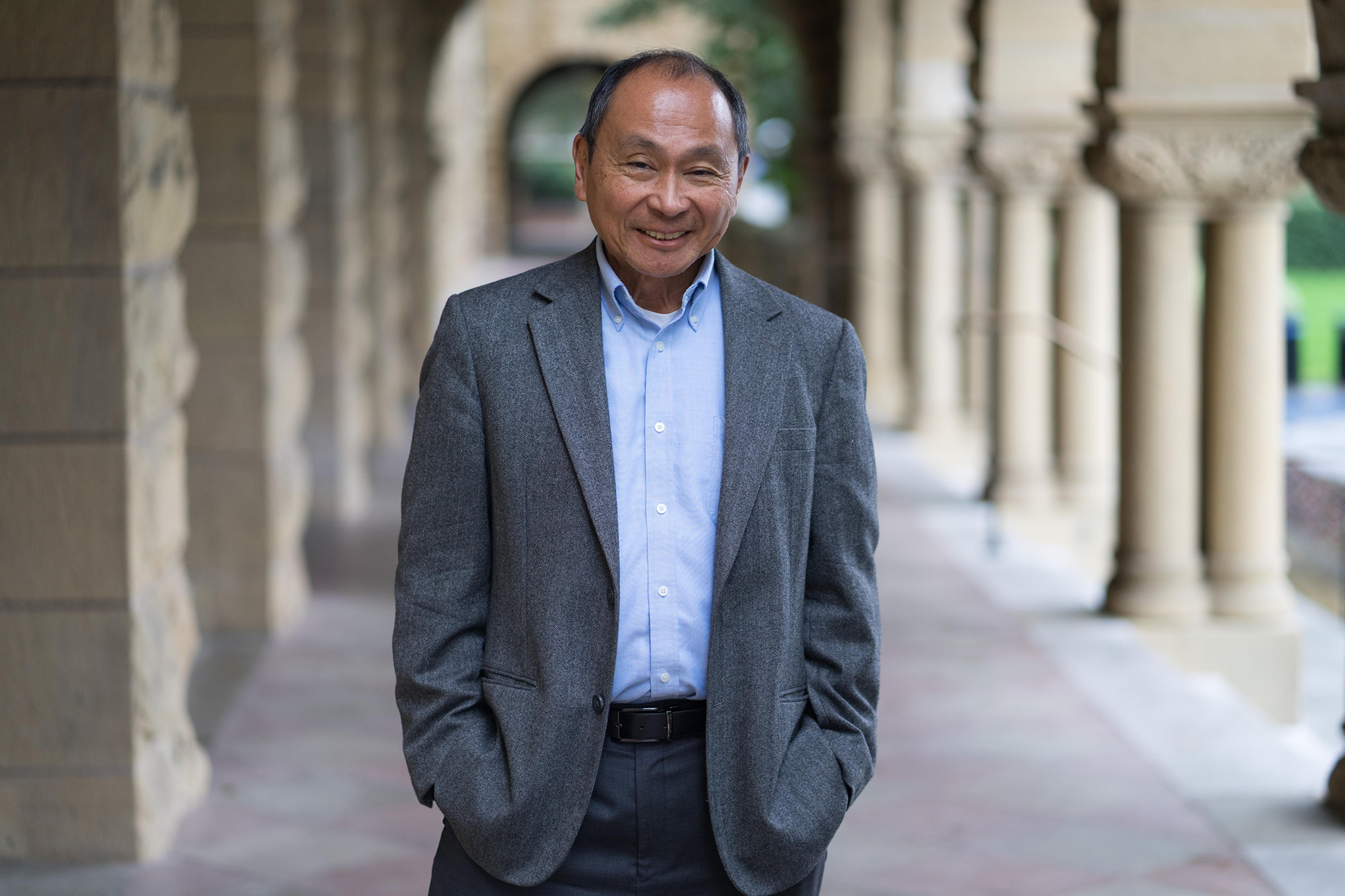
Francis Fukuyama

Nonresident Scholar, Democracy, Conflict, and Governance Program

Francis Fukuyama is a nonresident scholar in Carnegie’s Democracy, Conflict, and Governance Program, where his research focuses on democratization and international political economy.

Francis Fukuyama
Nonresident Scholar, Democracy, Conflict, and Governance Program
Francis Fukuyama
Political ReformDemocracy

Carnegie does not take institutional positions on public policy issues; the views represented herein are those of the author(s) and do not necessarily reflect the views of Carnegie, its staff, or its trustees.

More Work from Carnegie Endowment for International Peace

  • Commentary
    Carnegie Politika
    Will Russia–Armenia Relations Improve Following Pashinyan’s Re-Election?

    For all the menacing rhetoric, the Armenian prime minister remains a leader with whom Putin is prepared to interact: not as an ally, but as a partner, albeit a problematic one.

      • Alexander Atasuntsev

      Alexander Atasuntsev

  • two men sitting next to each other
    Commentary
    Emissary
    Senegal’s Debt Crisis Has Moved Its Leaders from Partners to Rivals

    The impacts of the Faye-Sonko rupture could go well beyond the country’s borders.

      • Dr. Lesley Anne Warner

      Lesley Anne Warner

  • Participants in the 4th Meeting 'In Defense of Democracy' | Pool Moncloa/Fernando Calvo
    Paper
    Post-U.S. International Democracy Support: Aspiration in Search of Substance

    The reinvention of democracy support needs to be carried forward without the clear leadership of one dominant player.

      Richard Youngs, Thomas Carothers

  • Viktor Orban, Prime Minister of Hungary, speaks during a campaign rally of the governing Fidesz Party in Pecel, Hungary, on March 28. The rally is part of the Prime Minister's nationwide campaign trail before the Hungarian General Election scheduled for April 12.
    Paper
    Orbán, Fidesz, and Hungary’s Populist Foreign Policy

    Hungary under Viktor Orbán deployed right-wing populism as a foreign policy strategy, embedding the country in a web of illiberal transnational networks whose legacy will endure even after his April 2026 electoral defeat.

      Zsuzsanna Végh

  • Commentary
    Carnegie Politika
    Who Does Azerbaijan Want to See Win Armenia’s Elections?

    By fueling the arguments of both supporters and opponents of Armenian Prime Minister Nikol Pashinyan, Azerbaijan wants to ensure he is re-elected with a weaker mandate.

      Bashir Kitachaev

Get more news and analysis from
Carnegie Endowment for International Peace
Carnegie global logo, stacked
1779 Massachusetts Avenue NWWashington, DC, 20036-2103Phone: 202 483 7600
  • Research
  • Emissary
  • About
  • Experts
  • Donate
  • Programs
  • Events
  • Blogs
  • Podcasts
  • Contact
  • Annual Reports
  • Careers
  • Privacy
  • For Media
  • Government Resources
Get more news and analysis from
Carnegie Endowment for International Peace
© 2026 Carnegie Endowment for International Peace. All rights reserved.