

Commentary
In an interview, Sergei Melkonian discusses Armenia’s and Azerbaijan’s careful balancing act among the United States, Israel, and Iran.
Armenak Tokmajyan
{
  "authors": [
    "Toby Dalton",
    "Eric Brewer",
    "Kylie Jones"
  ],
  "type": "legacyinthemedia",
  "centerAffiliationAll": "dc",
  "centers": [
    "Carnegie Endowment for International Peace"
  ],
  "collections": [],
  "englishNewsletterAll": "ctw",
  "nonEnglishNewsletterAll": "",
  "primaryCenter": "Carnegie Endowment for International Peace",
  "programAffiliation": "NPP",
  "programs": [
    "Nuclear Policy"
  ],
  "projects": [],
  "regions": [
    "North America",
    "United States",
    "East Asia",
    "South Korea"
  ],
  "topics": [
    "Security",
    "Nuclear Policy"
  ]
}
REQUIRED IMAGE
South Korea has long been on the list of potential over-the-horizon proliferation challenges, but growing debates in Seoul about its nuclear options are quickly moving it toward the front of the U.S. nonproliferation agenda.

Senior Fellow and Co-director, Nuclear Policy Program
Toby Dalton is a senior fellow and co-director of the Nuclear Policy Program at the Carnegie Endowment. An expert on nonproliferation and nuclear energy, his work addresses regional security challenges and the evolution of the global nuclear order.
Eric Brewer
Eric Brewer is deputy vice president at the Nuclear Threat Initiative and has served on the National Security Council and National Intelligence Council.

Kylie Jones
Former Research Assistant, Nuclear Policy Program, Technology and International Affairs Program
Kylie Jones was a research assistant in the Carnegie Nuclear Policy Program and Technology and International Affairs Program.
Carnegie does not take institutional positions on public policy issues; the views represented herein are those of the author(s) and do not necessarily reflect the views of Carnegie, its staff, or its trustees.
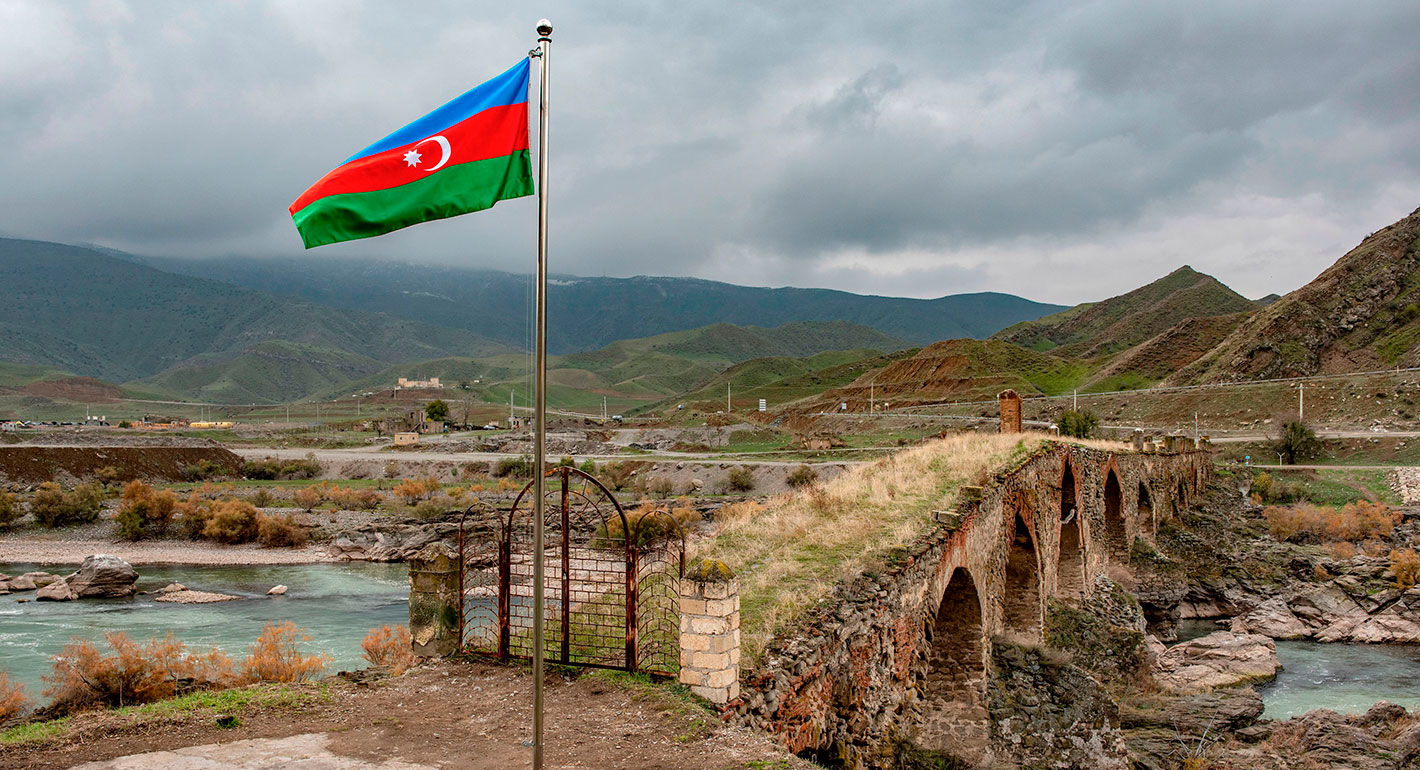
In an interview, Sergei Melkonian discusses Armenia’s and Azerbaijan’s careful balancing act among the United States, Israel, and Iran.

Armenak Tokmajyan
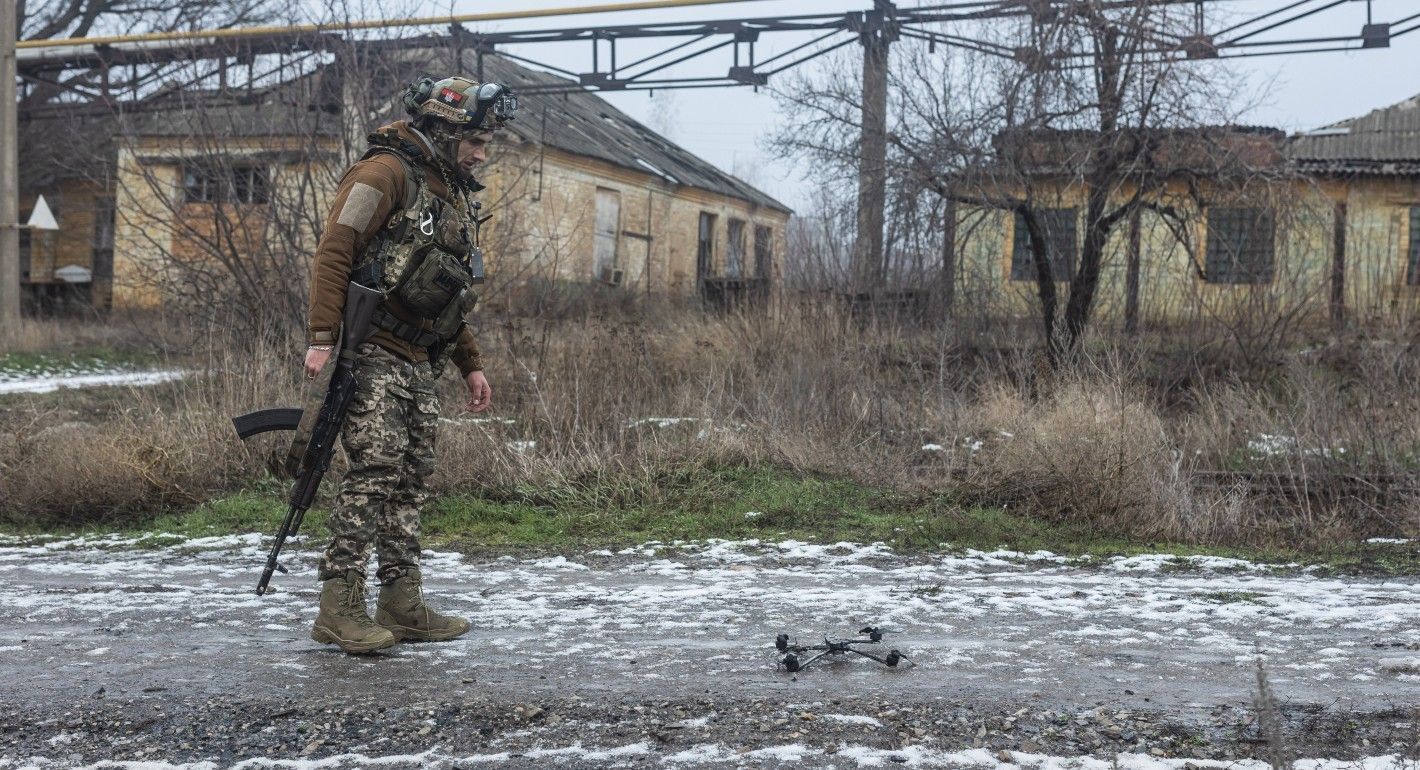
Domestic and international conflicts present myriad challenges for leaders, militaries, and civilians, including the effects of new technological capabilities on the conduct of war, the effectiveness of security strategies, and the intricacies of post-conflict peacemaking. Carnegie scholars provide timely analyses to address these and other related questions.
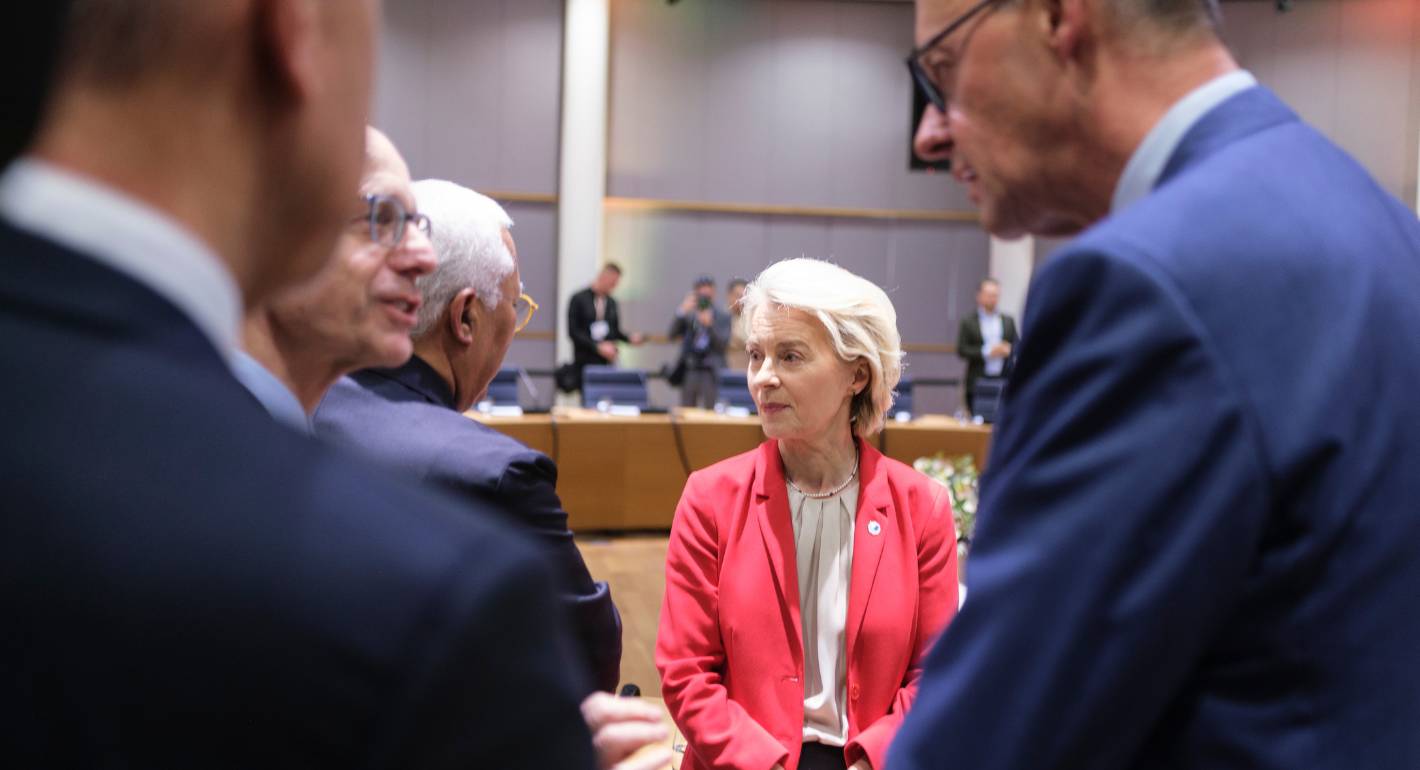
The war in Iran proves the United States is now a destabilizing actor for Europe and the Arab Gulf. From protect their economies and energy supplies to safeguarding their territorial integrity, both regions have much to gain from forming a new kind of partnership together.

Rym Momtaz

The current U.S. indifference to human rights means Astana no longer has any incentive to refuse extradition requests from its authoritarian neighbors—including Russia.

Temur Umarov
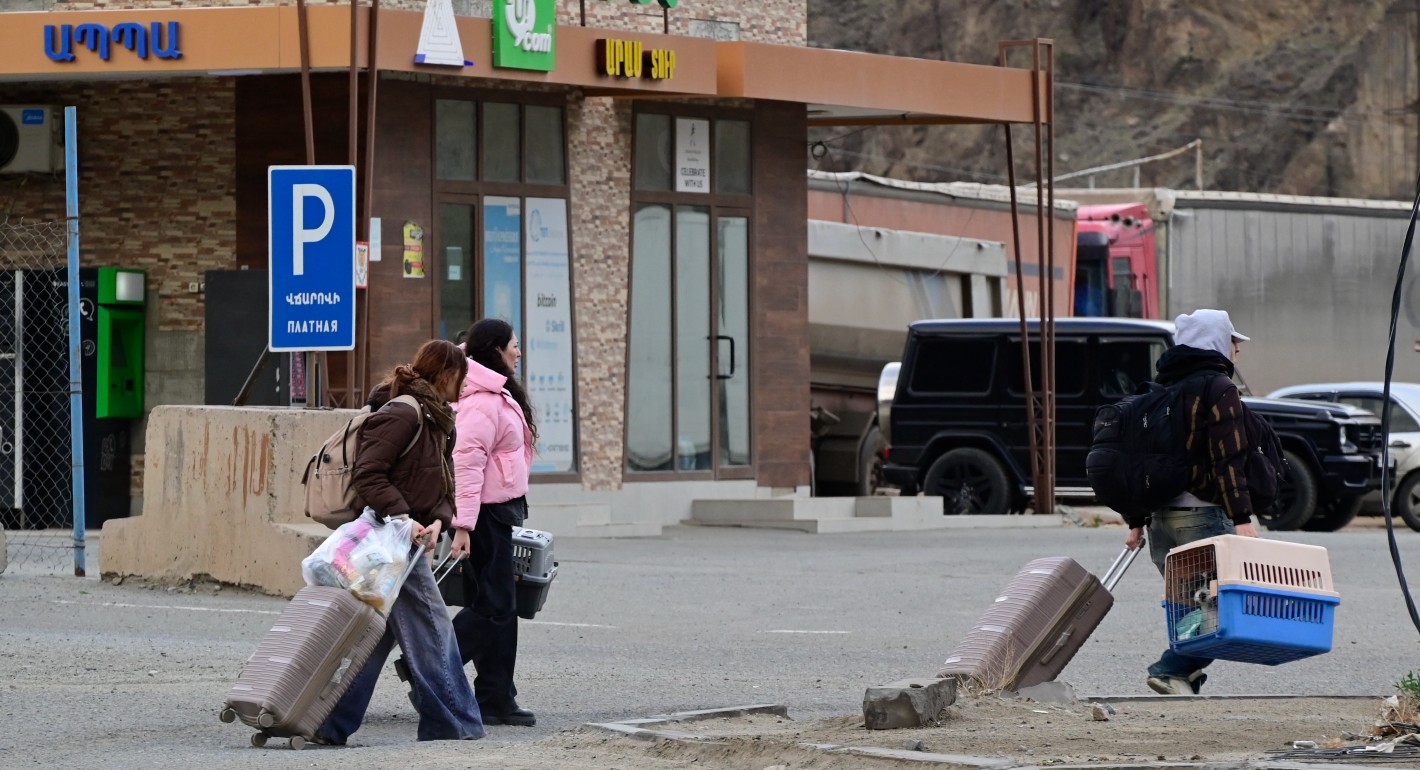
The conflict is threatening stability in Armenia and Azerbaijan.

Zaur Shiriyev
