

Commentary
Dimitar Bechev
{
  "authors": [
    "Dimitar Bechev"
  ],
  "type": "legacyinthemedia",
  "centerAffiliationAll": "dc",
  "centers": [
    "Carnegie Endowment for International Peace",
    "Carnegie Europe"
  ],
  "collections": [
    "Europe’s Eastern Neighborhood",
    "EU Integration and Enlargement"
  ],
  "englishNewsletterAll": "ctw",
  "nonEnglishNewsletterAll": "",
  "primaryCenter": "Carnegie Europe",
  "programAffiliation": "EP",
  "programs": [
    "Europe"
  ],
  "projects": [],
  "regions": [
    "Europe",
    "Eastern Europe",
    "Western Europe"
  ],
  "topics": [
    "Climate Change",
    "Energy"
  ]
}
REQUIRED IMAGE
Progress on the energy transition in the Western Balkans remains slow, despite strong public support and commitment from the EU. This points to a need for countries in the region to recognize the negative influence of external actors.

Senior Fellow, Carnegie Europe
Dimitar Bechev is a senior fellow at Carnegie Europe, where he focuses on EU enlargement, the Western Balkans, and Eastern Europe.
Recent Work
Dimitar Bechev

Miloš Pavković, Fitim Gashi, Iliriana Gjoni, …
Carnegie does not take institutional positions on public policy issues; the views represented herein are those of the author(s) and do not necessarily reflect the views of Carnegie, its staff, or its trustees.

If the Russian-speaking community in Latvia cannot articulate their interests without being seen as disloyal, they could end up embracing a pro-Kremlin agenda.

Sergejs Potapkins

Are Germany’s economic, industrial, and political struggles becoming a liability for the EU’s ability to rise to the geopolitical moment?

Rym Momtaz, ed.
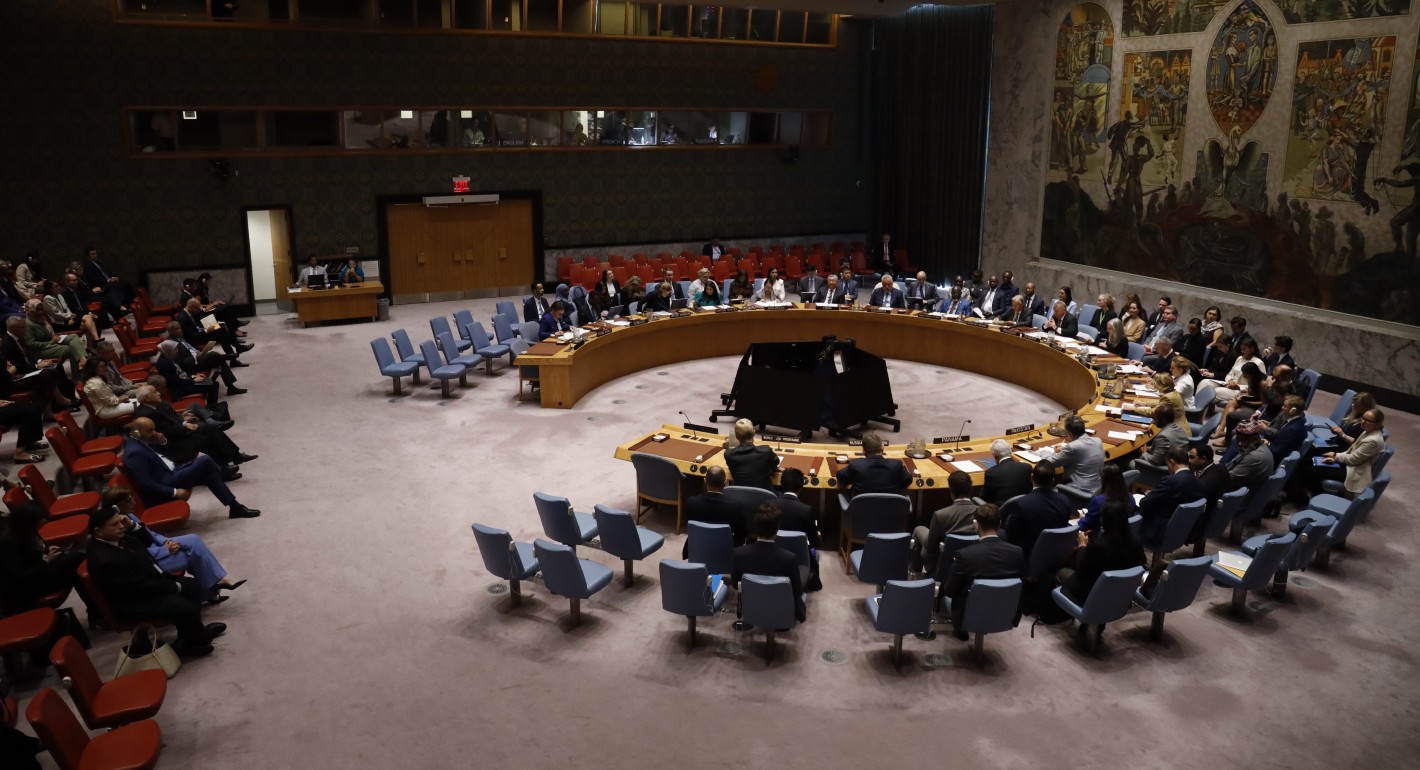
They face an uphill climb, but they could draw on a strategy that other diplomats have used in the past.


Shana Tabak, Alejandro Martin Rodriguez
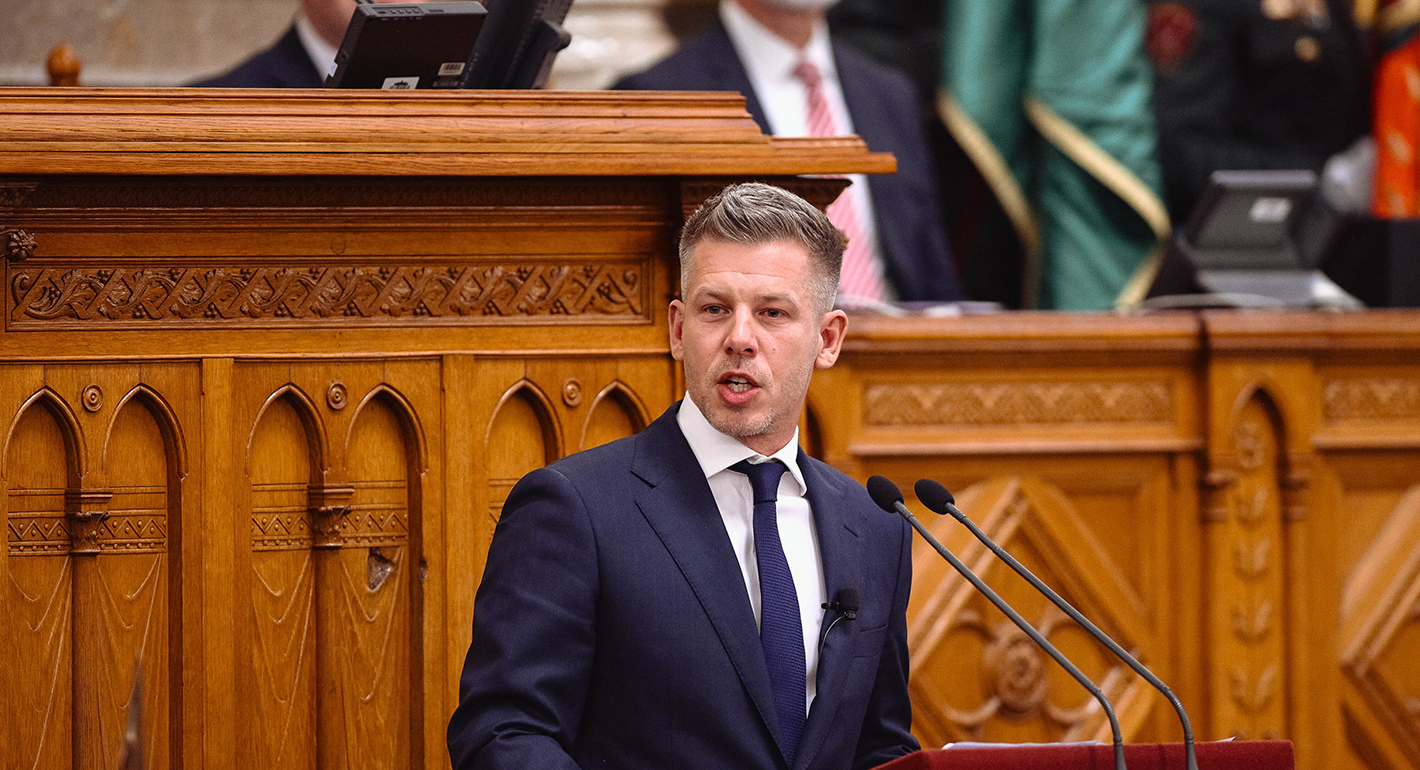
Despite myriad challenges and occasional stumbles, the new Hungarian government is moving ahead with energy and conviction to uproot years of illiberalism and corruption and rebuild Hungarian democracy.

Thomas Carothers

European Commission President Ursula von der Leyen is about to give her annual address on the state of the EU. Here’s what she won’t—but should—say.
Rym Momtaz