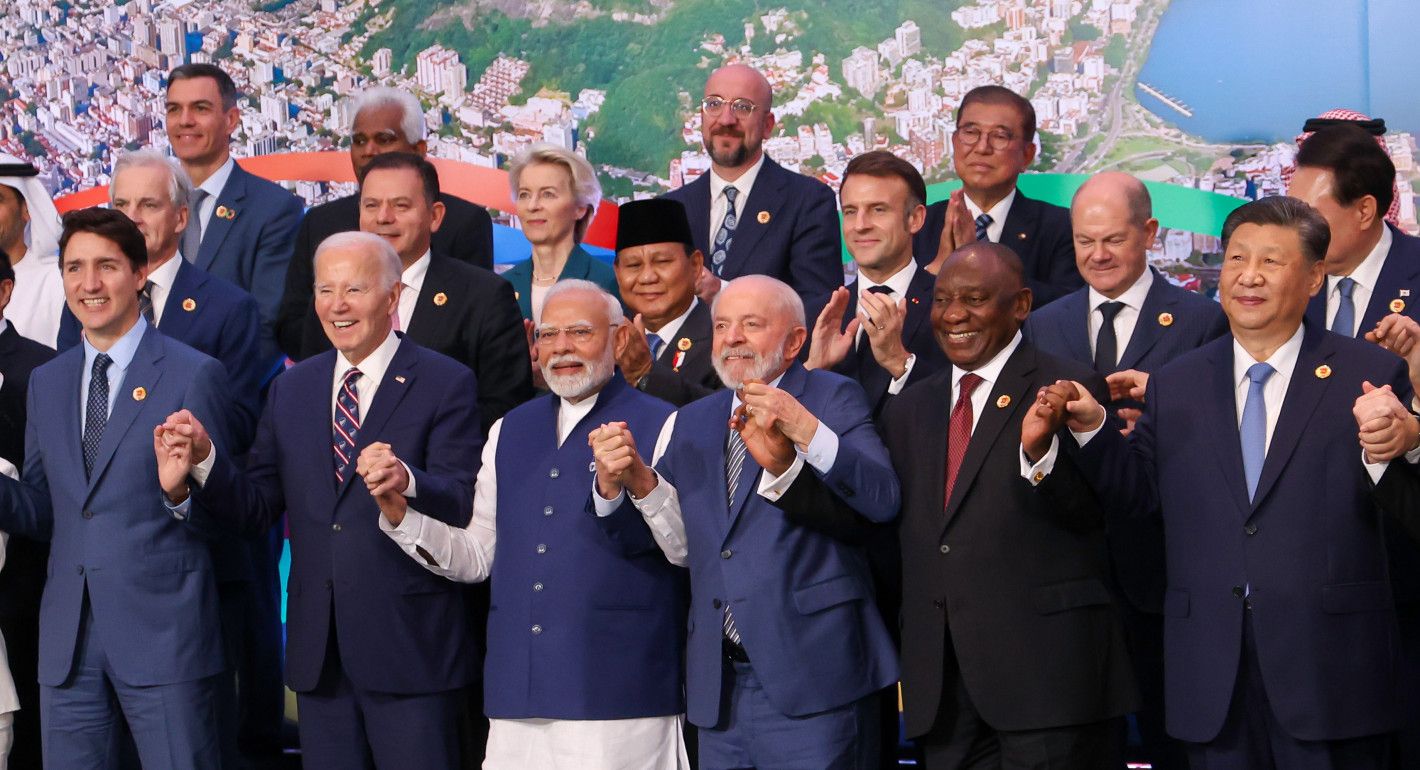
Carnegie’s Global Order and Institutions Program identifies promising new multilateral initiatives and frameworks to realize a more peaceful, prosperous, just, and sustainable world. That mission has never been more important, or more challenging. Geopolitical competition, U.S. retrenchment, populist nationalism, economic inequality, technological innovation, and a planetary ecological emergency are testing established rules and institutions of international order and complicating collective responses to shared global threats. Our mission is to design global solutions to global problems.
With global order in flux, the future of international cooperation depends on the choices governments make. We shape global policymaking by designing novel but practical approaches to collective action that reflect the rise of new powers and the decline of old ones, bridge divides between global North and South, and leverage the capabilities of non-state actors in solving transnational challenges. Our vision is of a world in which peace prevails, international law is respected, fundamental rights are protected, the global economy delivers for all, and humanity lives in balance with nature.