

{
  "authors": [
    "Anders Fogh Rasmussen",
    "Jessica Tuchman Mathews"
  ],
  "type": "event",
  "centerAffiliationAll": "",
  "centers": [
    "Carnegie Endowment for International Peace",
    "Carnegie Europe",
    "Carnegie Russia Eurasia Center"
  ],
  "collections": [
    "Europe’s Eastern Neighborhood"
  ],
  "englishNewsletterAll": "",
  "nonEnglishNewsletterAll": "",
  "primaryCenter": "Carnegie Endowment for International Peace",
  "programAffiliation": "",
  "programs": [],
  "projects": [],
  "regions": [
    "North America",
    "United States",
    "Caucasus",
    "Eastern Europe",
    "Western Europe",
    "Russia",
    "Europe"
  ],
  "topics": [
    "Security",
    "Military",
    "Foreign Policy"
  ]
}
NATO and Russia: A New Beginning
Fri, September 18th, 2009
Brussels
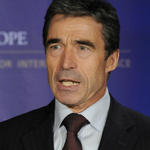
In his first major foreign policy address, the secretary general of NATO, Anders Fogh Rasmussen, called on September 18 for a “genuine, new beginning” in NATO-Russia relations. At an event hosted by Carnegie Europe in Brussels, Rasmussen outlined a new strategic vision for the relationship. NATO and Russia should focus on immediate shared security challenges—including missile defense and terrorism—building mutual understanding through honest dialogue, and planning for long-term threats.
Highlights of his speech include:
Missile Defense: Explore the potential for linking the missile defense systems of the United States, NATO, and Russia.
Terrorism: Update the Joint Action Plan on Terrorism.
Afghanistan: Build on the success of current cooperation to address difficult issues, including how drugs and organized crime fuel international terrorism.
NATO-Russia Council: Revitalize the council as an open and transparent forum for peace and stability in Europe.
Euro-Atlantic Security Structure: Recognize Russia’s concerns about being marginalized in new European security arrangements.
21st Century Challenges: Carry out a joint review of new security challenges facing both sides.
Rasmussen explained, “Russia must realize that NATO is here to stay. Not because we think Russia is an enemy—we do not. But because Allies share common values, and a culture of cooperation we want to preserve.” Rasmussen called for a more realistic outlook from both NATO and Russia and said, “Our ultimate goal must be a relationship that allows us to pursue common interests even when we disagree in other areas.”
Carnegie does not take institutional positions on public policy issues; the views represented herein are those of the author(s) and do not necessarily reflect the views of Carnegie, its staff, or its trustees.
Event Speakers
Anders Fogh Rasmussen
Distinguished Fellow

Mathews is a distinguished fellow at the Carnegie Endowment for International Peace. She served as Carnegie’s president for 18 years.