• Research
  • Emissary
  • About
  • Experts
Carnegie Global logoCarnegie lettermark logo
DemocracyIran
  • Donate
Paper Tigers and Minotaurs: The Politics of Venezuela's Economic Reforms
Book

Paper Tigers and Minotaurs: The Politics of Venezuela's Economic Reforms

Weakened public institutions, military reform, and public opinion in the face of rapid change have opened the door for corruption, inequitable distribution of burdens, and political instability in South America. Countries in the region are facing painful and sometimes dangerous reform.

Link Copied
By Moisés Naím
Published on Jan 1, 1993

Additional Links

Paperback - $5.95

Source: Washington

Based on Moisés Naím's experiences as Minister of Industry in rapidly changing Venezuela and as Executive Director at the World Bank, this book raises questions and explores problems crucial to political and economic reform. Dr. Naím grapples with entrenched interests bent on derailing reform, the corrosive effects of corruption, the inequitable distribution of burdens, political instability brought on by weakened public institutions, military reform, and public opinion in the face of rapid change. After the revolutionary political and economic changes of the 1980s and early 1990s, the countries of South America—and many other countries all over the world—are facing painful and sometimes dangerous reform. Dr. Naím's book tackles the subject of managing that reform.

Advance Praise

“This book is a timely and relevant contribution for rethinking both the content and the process of future reform attempts.”
—Miriam Kornblith, Universidad Central de Venezuela

“The story is well-told and the lessons valuable for those interested in under-standing, as well as making, economic policy."
—Robert Grosse, University of Miami

About the Author

Moisés Naím

Distinguished Fellow

Moisés Naím is a distinguished fellow at the Carnegie Endowment for International Peace, a best-selling author, and an internationally syndicated columnist.

    Recent Work

  • Research
    The World Reacts to Biden’s First 100 Days
      • +10

      Rosa Balfour, Frances Z. Brown, Yasmine Farouk, …

  • Commentary
    View From Latin America

      Moisés Naím

Moisés Naím
Distinguished Fellow
Moisés Naím
North AmericaSouth AmericaTrade

Carnegie does not take institutional positions on public policy issues; the views represented herein are those of the author(s) and do not necessarily reflect the views of Carnegie, its staff, or its trustees.

More Work from Carnegie Endowment for International Peace

  • Commentary
    Carnegie Politika
    Russia’s Coal Industry Is Running on Borrowed Time

    Powerful lobbyists and inertia led to Russia’s coal-mining sector missing an excellent opportunity to solve its structural problems.

      Alexey Gusev
  • Commentary
    Carnegie Politika
    What’s Having More Impact on Russian Oil Export Revenues: Ukrainian Strikes or Rising Prices?

    Although Ukrainian strikes have led to a noticeable decline in the physical volume of Russian oil exports, the rise in prices has more than made up for it.

      • Sergey Vakulenko

      Sergey Vakulenko

  • Shipping port at dawn from above
    Commentary
    Emissary
    The U.S. Export-Import Bank Was Built for a Different Era. Here's How to Fix It.

    Five problems—and solutions—to make it actually work as a tool of great power competition.

      • Afren Akhter

      Afreen Akhter

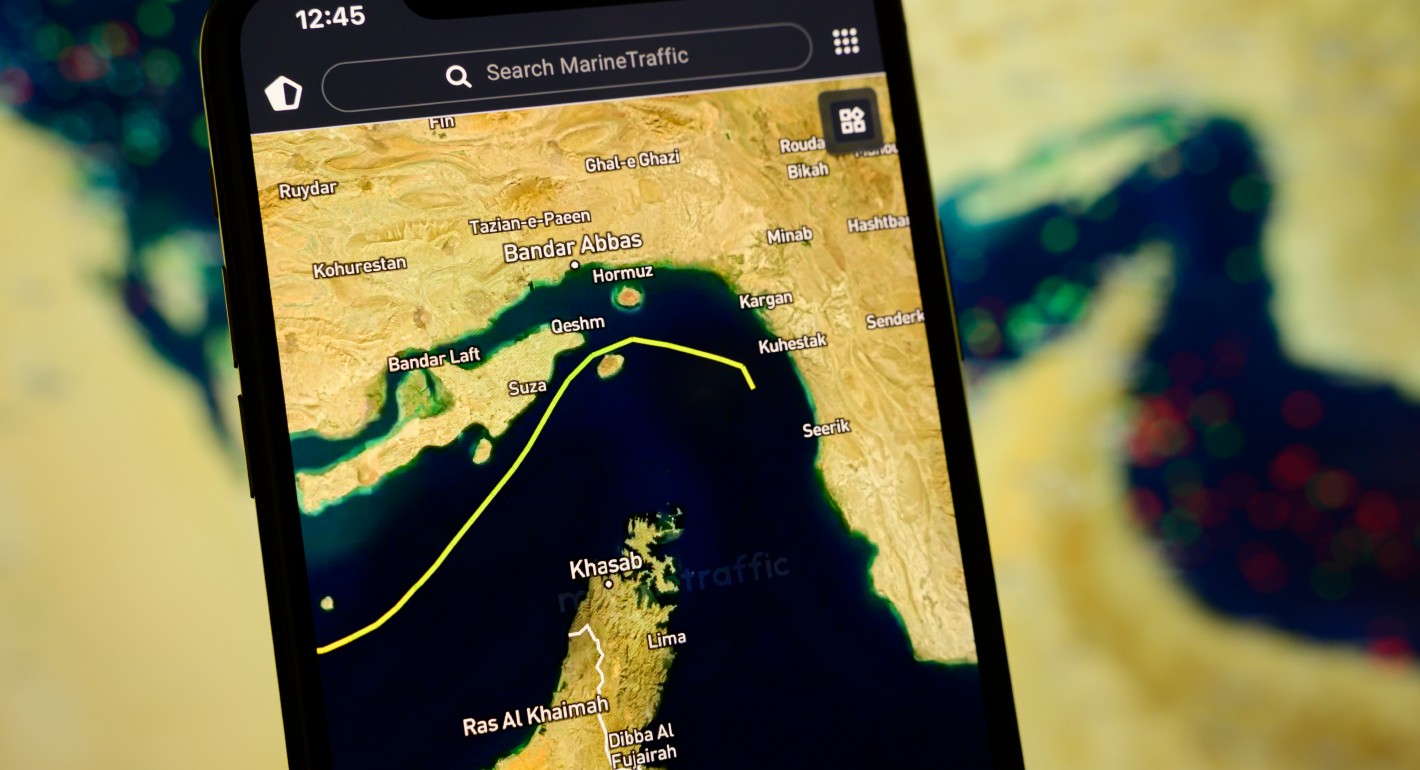
  • Map of Hormuz shipping traffic on a smartphone screen
    Commentary
    Emissary
    “It’s Not Like Turning a Switch On and Off”

    Why the Iran ceasefire isn’t a quick fix to the Strait of Hormuz energy crisis.
      Helima Croft, Aaron David Miller

  • President of Argentina Javier Milei walks among supporters during his arrival to a closing campaign rally ahead the mid-term election on October 23, 2025 in Rosario, Argentina.
    Paper
    Right-Wing Populism and Strategic Realignment: Argentina’s Milei Experiment

    Argentina’s president blends libertarian populism with leader-centric diplomacy, transnational right-wing networks, and selective disengagement from multilateral institutions.
      Federico Merke

Get more news and analysis from
Carnegie Endowment for International Peace
Carnegie global logo, stacked
1779 Massachusetts Avenue NWWashington, DC, 20036-2103Phone: 202 483 7600
  • Research
  • Emissary
  • About
  • Experts
  • Donate
  • Programs
  • Events
  • Blogs
  • Podcasts
  • Contact
  • Annual Reports
  • Careers
  • Privacy
  • For Media
  • Government Resources
Get more news and analysis from
Carnegie Endowment for International Peace
© 2026 Carnegie Endowment for International Peace. All rights reserved.