

Commentary
If the succession process can be carried out as Khamenei intended, it will likely bring a hardliner into power.
Eric Lob

Source: Washington, DC: Carnegie Endowment for International Peace, 1997
Summary
The Arab-Israel peace process has reached a point of no return. The way ahead is fraught with danger, but there is no turning back. Structural as well as ideological obstacles remain to a comprehensive Middle East peace--including major asymmetries between the parties. The two most critical challenges concern violent opposition in the Muslim world and Israel to the peace process and continuing instability in the Persian Gulf. Until Iraq and Iran are reintegrated into a more stable Gulf security system, their behavior poses a constant threat to the region and undermines the potential benefits of an Arab-Israel peace. The study examines arguments as to why the peace process has made so much progress since 1991. It also reviews the challenges ahead and provides a country-by-country analysis of criticisms of the peace process.
ABOUT THE AUTHORS
Geoffrey Kemp, formerly Director of the Endowment's Middle East Arms Control Project, is Director of Regional Strategic Programs at the Nixon Center. Jeremy Pressman is a former Carnegie Project Associate.
"Point of No Return is an extraordinary achievement. It describes and dissects the Middle East conflict both in its whole and in its parts?with complete realism and rare balance. No other work so well succeeds in both getting to the heart of all the issues in Arab-Israeli peacemaking and describing the other conflicts which torment the region and which so condition the outlook for truly comprehensive peace. This book is an authentic tour de force."
Jeremy Pressman
Carnegie does not take institutional positions on public policy issues; the views represented herein are those of the author(s) and do not necessarily reflect the views of Carnegie, its staff, or its trustees.
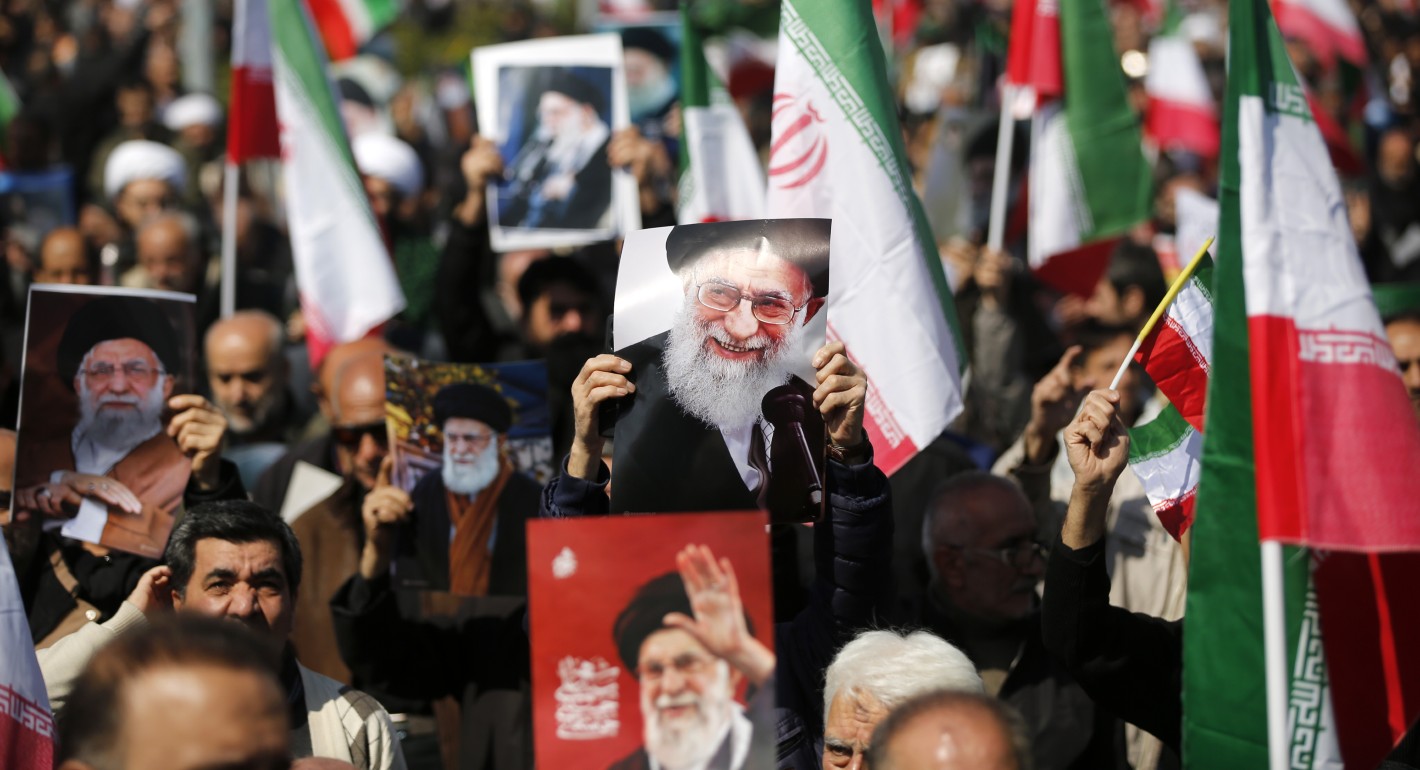
If the succession process can be carried out as Khamenei intended, it will likely bring a hardliner into power.

Eric Lob

Just look at Iraq in 1991.

Marwan Muasher
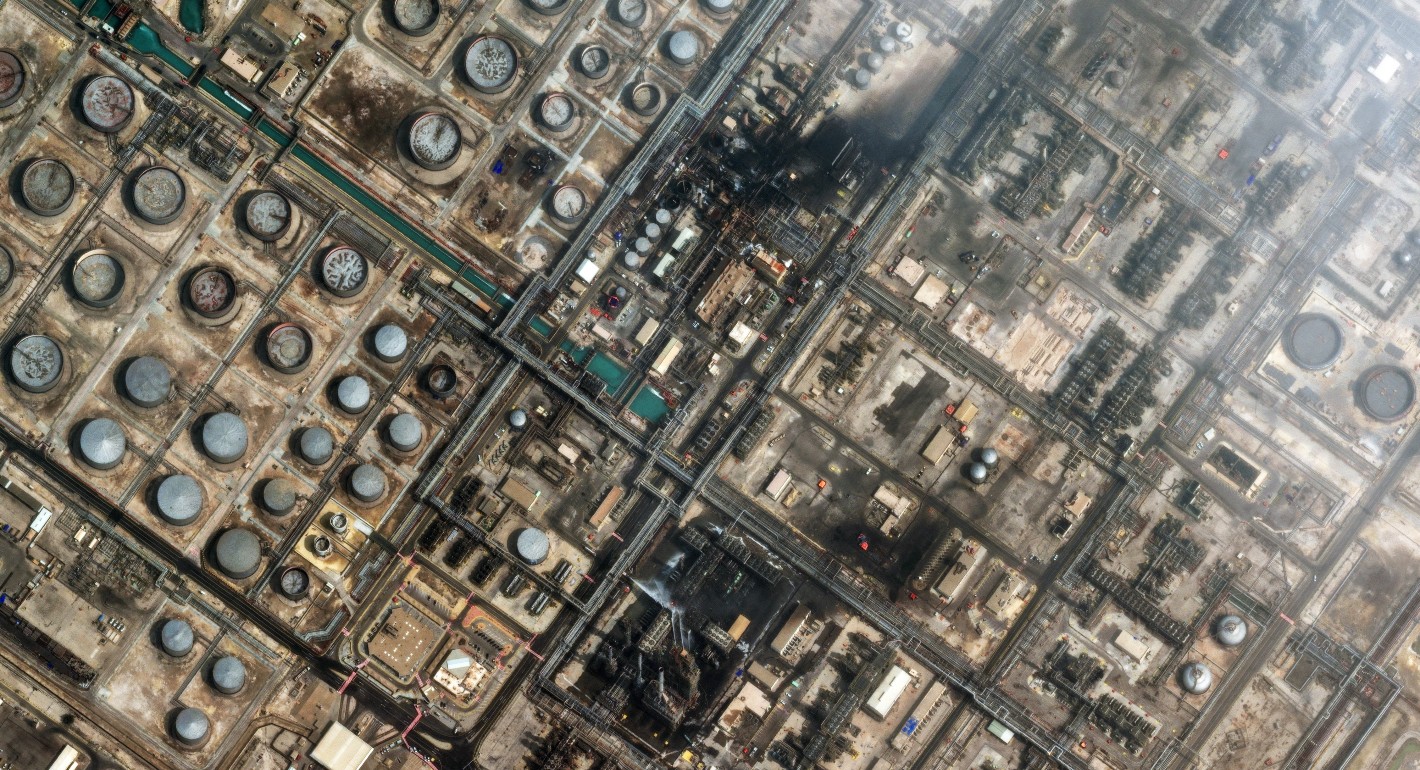
Tehran’s attacks are reshaping the security situation in the Middle East—and forcing the region’s clock to tick backward once again.

Amr Hamzawy
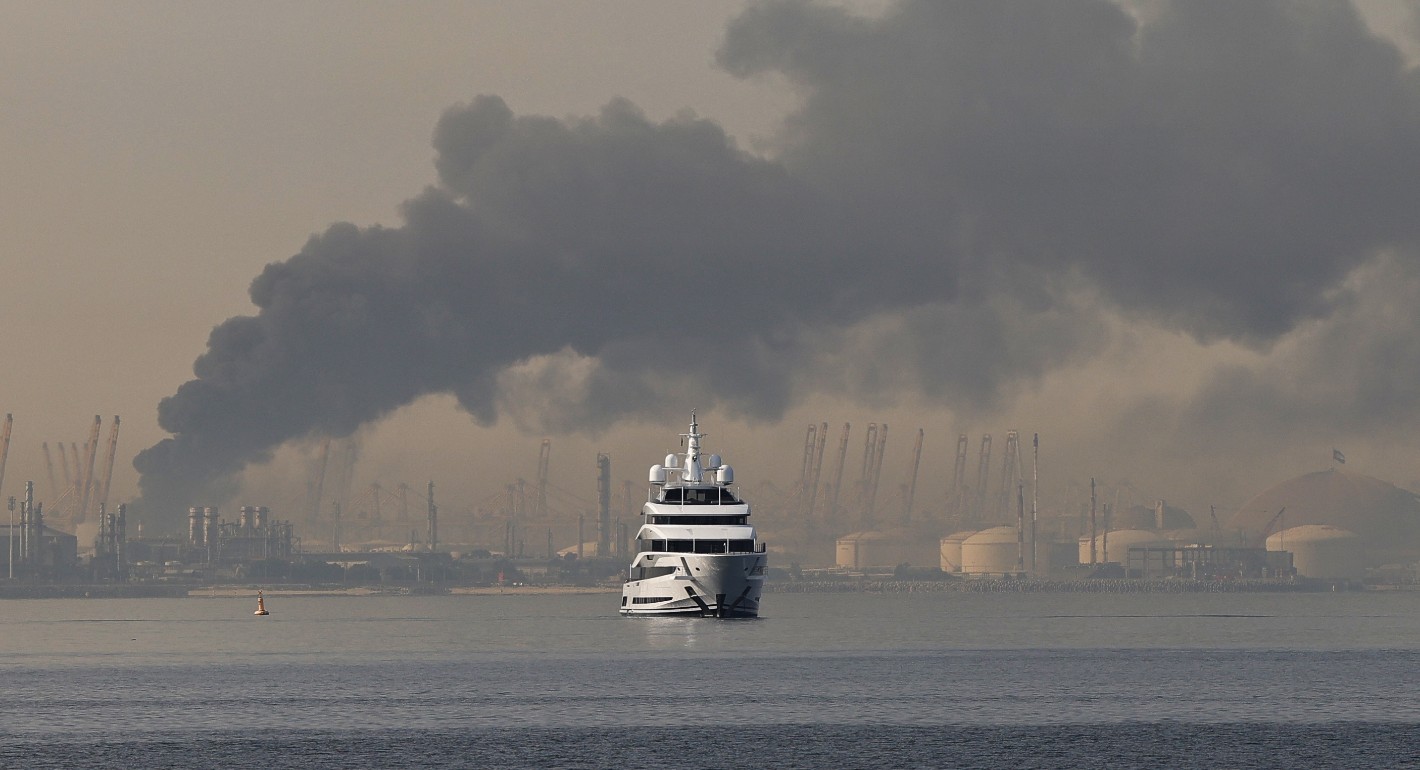
Only collective security can protect fragile economic models.

Andrew Leber
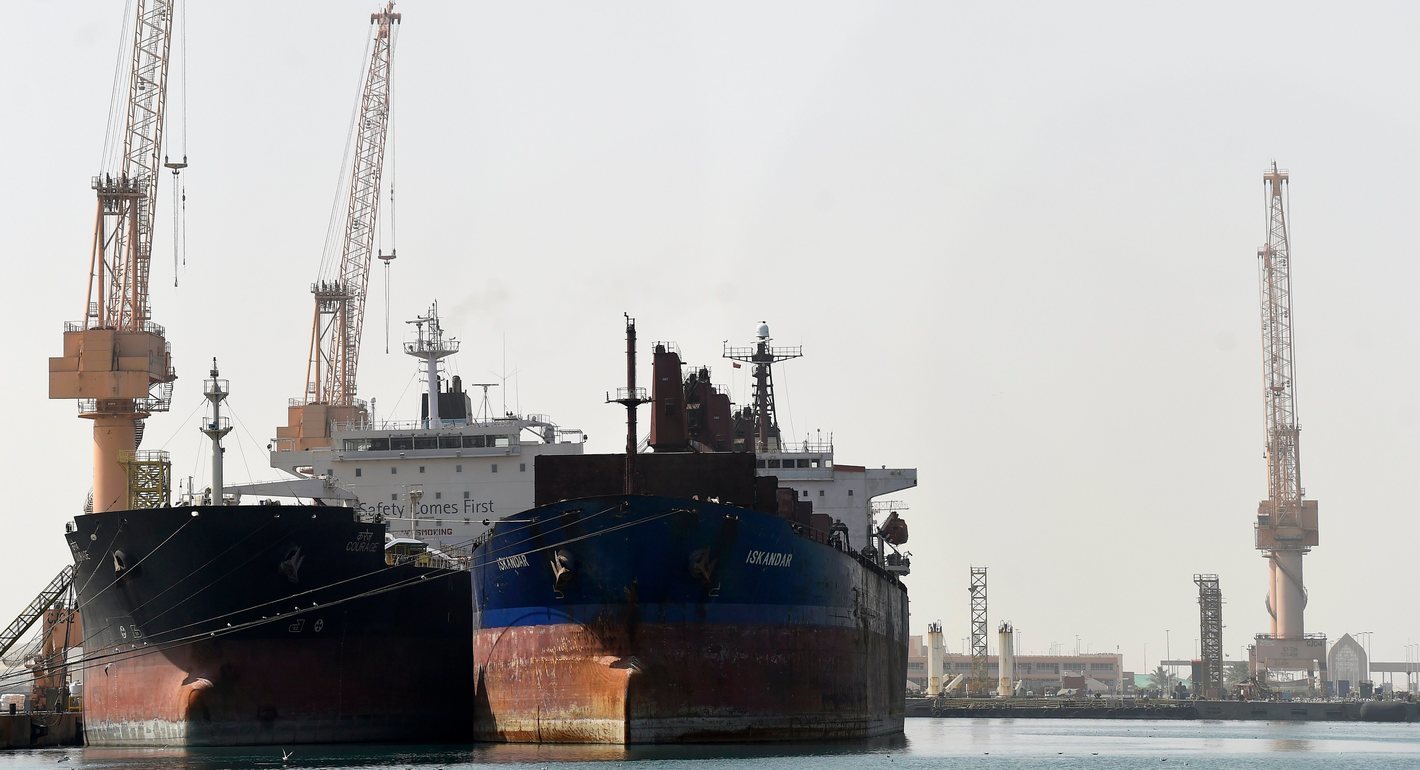
In a volatile Middle East, the Omani port of Duqm offers stability, neutrality, and opportunity. Could this hidden port become the ultimate safe harbor for global trade?
Giorgio Cafiero, Samuel Ramani