

Commentary
This year’s wars have made alternative routes to transit through Russia no less risky for Central Asian countries.
Galiya Ibragimova

REQUIRED IMAGE
Source: Carnegie
Summary
In this paper, we present evidence that among developing countries, those that are resource-abundent invest less in education. We then discuss the economic processes behind this evidence. We describe a virtuous circle in which rising private returns to human capital and other assets lead to increased work effort and higher productivity and lower inequality in the future. With resource abundance, however, governements are tempted to move away from the policies that generate this virtuous circle. Dutch Disease and related effects tend to lower the rate of return to the agricultural and human capital investments available to the poor. Resource rents accumulate in the hands of the government, and/or a small number of businessmen, further reducing the incentives to invest. Staple-trap effects lead to the subsidization of capital, thereby taxing labor. The labor market in the resulting capital-intensive economy offers little benefit for moderate levels of education. The government may try to assuage the poor by directing some proportion of resource rents to populists programs that create new fiscal burdens but that do not enhance productivity. In short, resource abundance tends to break the viruous circle linking education, growth and inequality in several places: the choice of development strategy, the level of inequality, the lack of incentives for investment in education, and the creation of a welfare state. We illustrate this breakdown by contrasting the cases of Korea and Brazil, and, since resource abundance need not be destiny, we conclude with policy lessons for resource-abundant developing economies.
Click on link above for full text of this Carnegie Paper.
Former Senior Associate
Richard Sabot
Carnegie does not take institutional positions on public policy issues; the views represented herein are those of the author(s) and do not necessarily reflect the views of Carnegie, its staff, or its trustees.
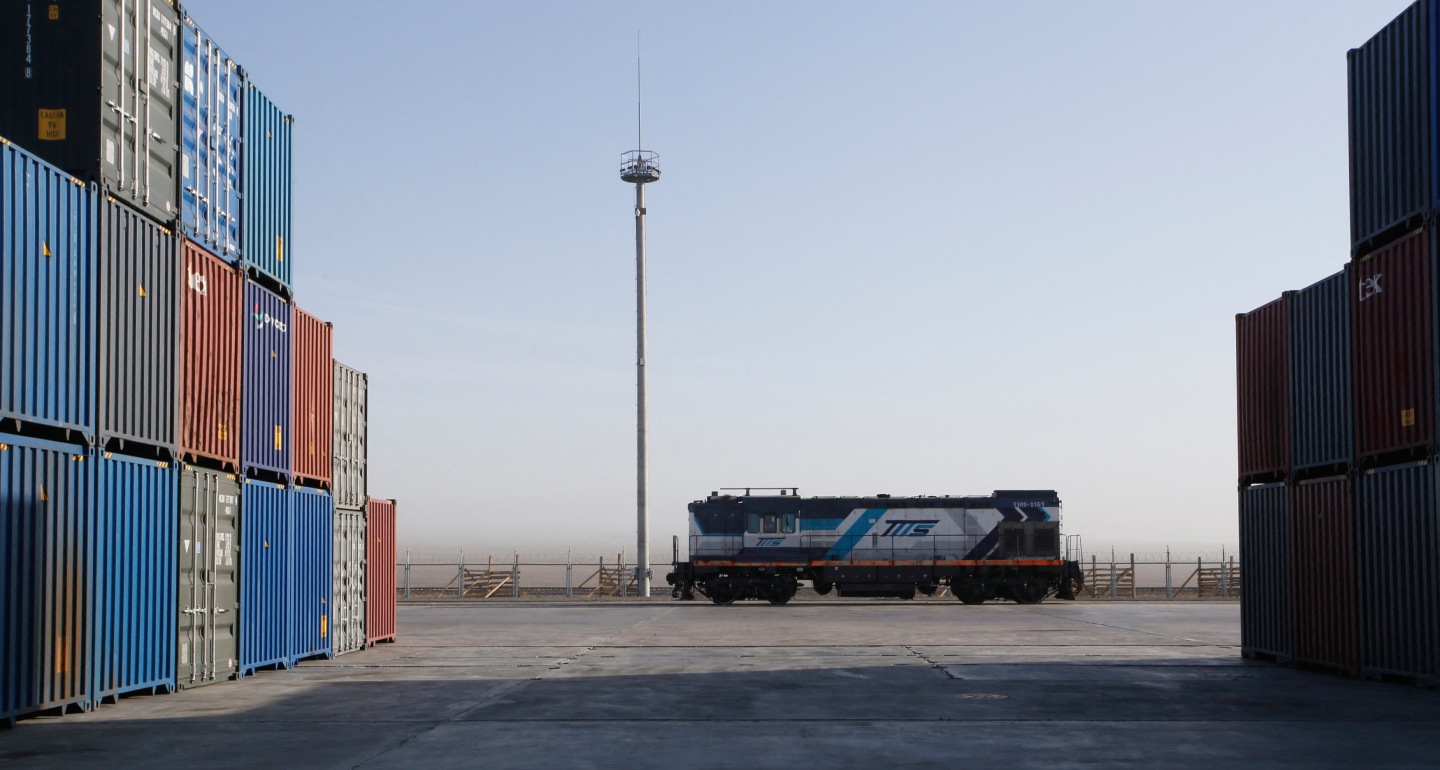
This year’s wars have made alternative routes to transit through Russia no less risky for Central Asian countries.

Galiya Ibragimova
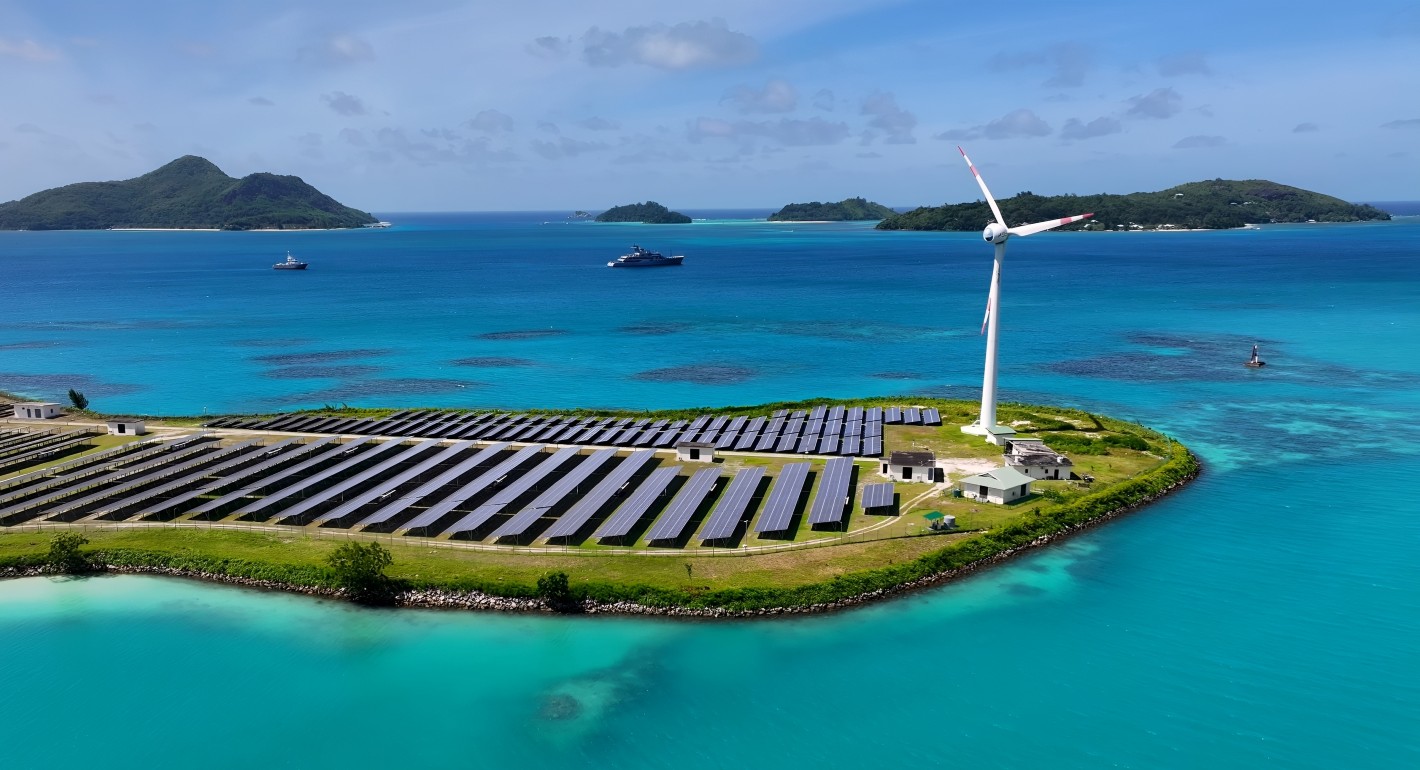
China’s central bank swap lines could help developing world leaders drive their energy transition—if they harness conditionality to protect their interests.
Ebipere K. Clark
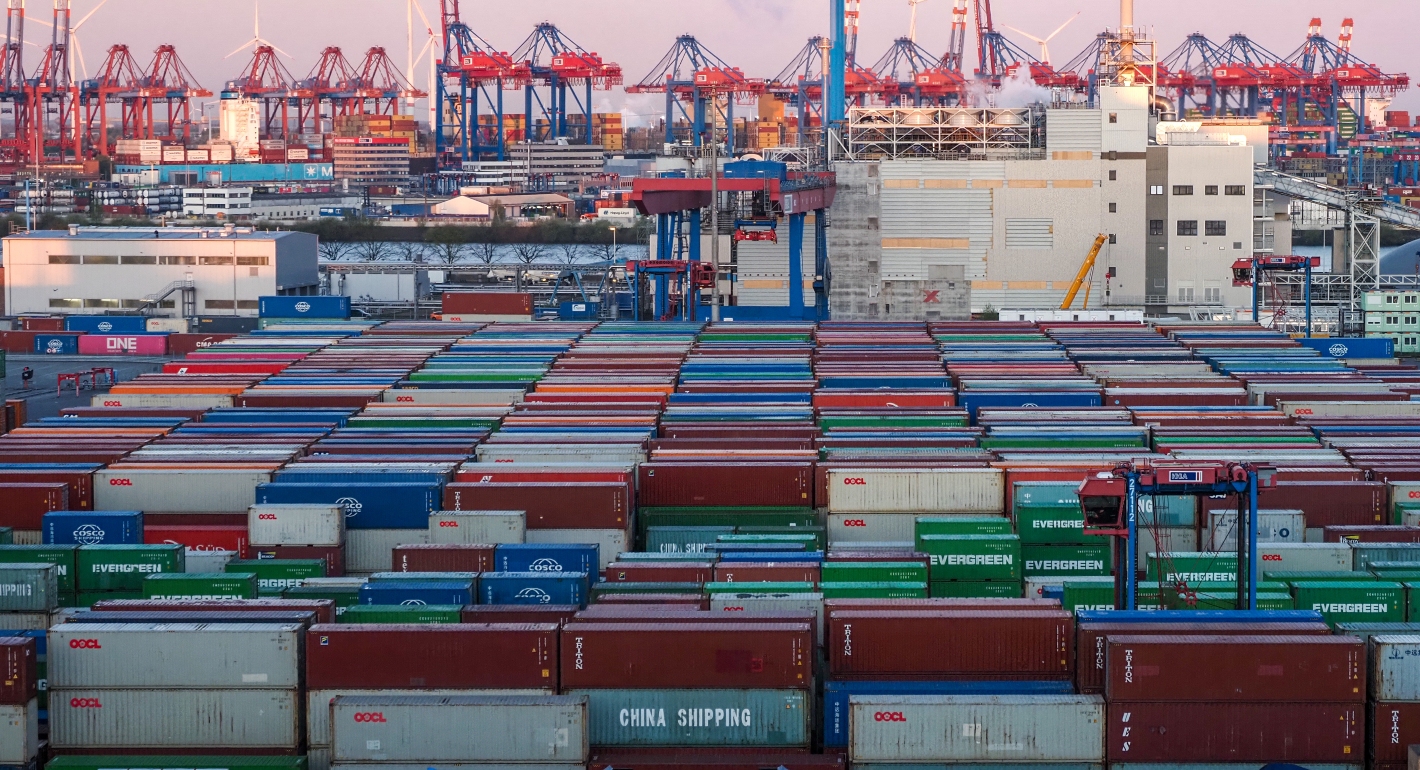
As geopolitical rivalry weaponizes global supply chains, the EU’s true vulnerability lies in emerging-risk imports. For these goods, suppliers are growing more concentrated, substitution more difficult, and political risk is looming.

Sinan Ülgen
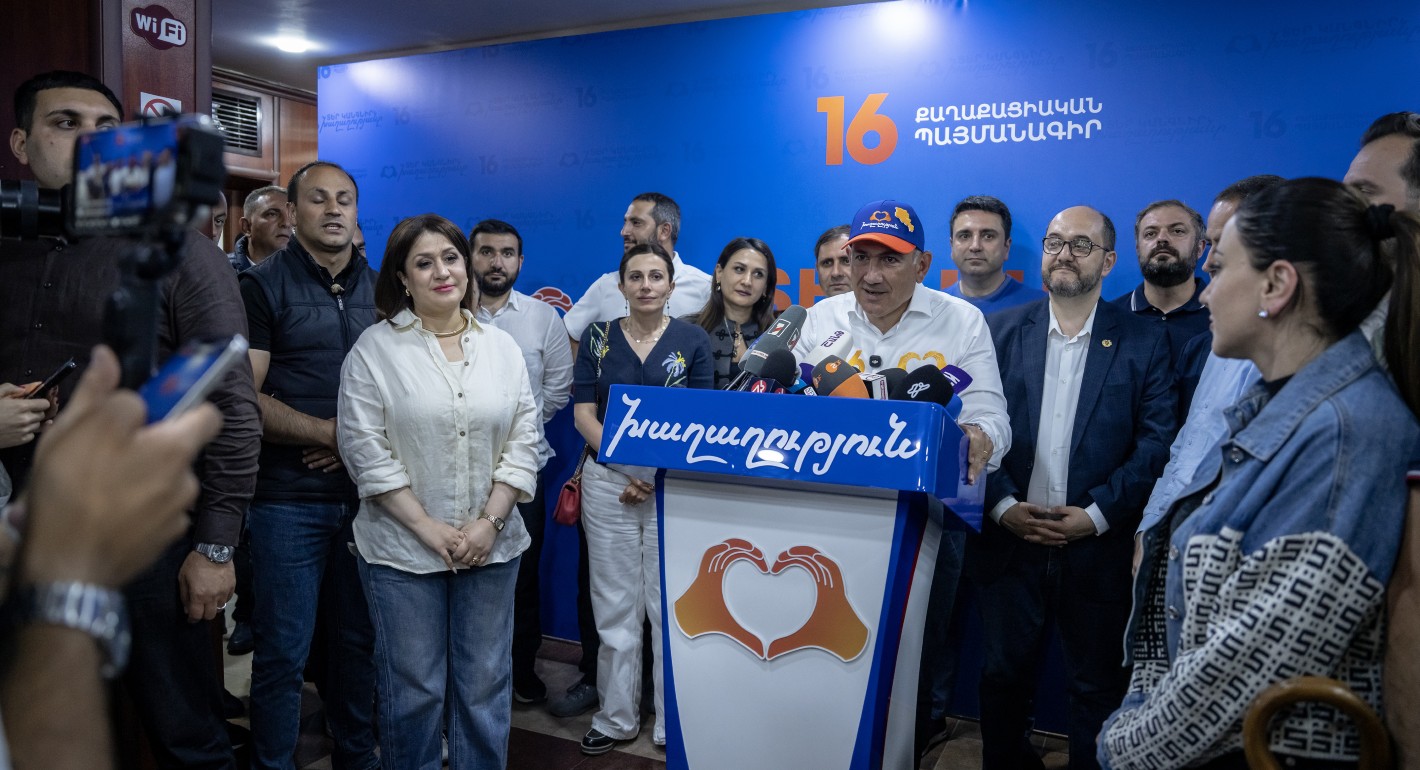
It’s time to build momentum, and Ankara is the venue of the next opportune diplomatic window to do this.

Alper Coşkun, Garo Paylan
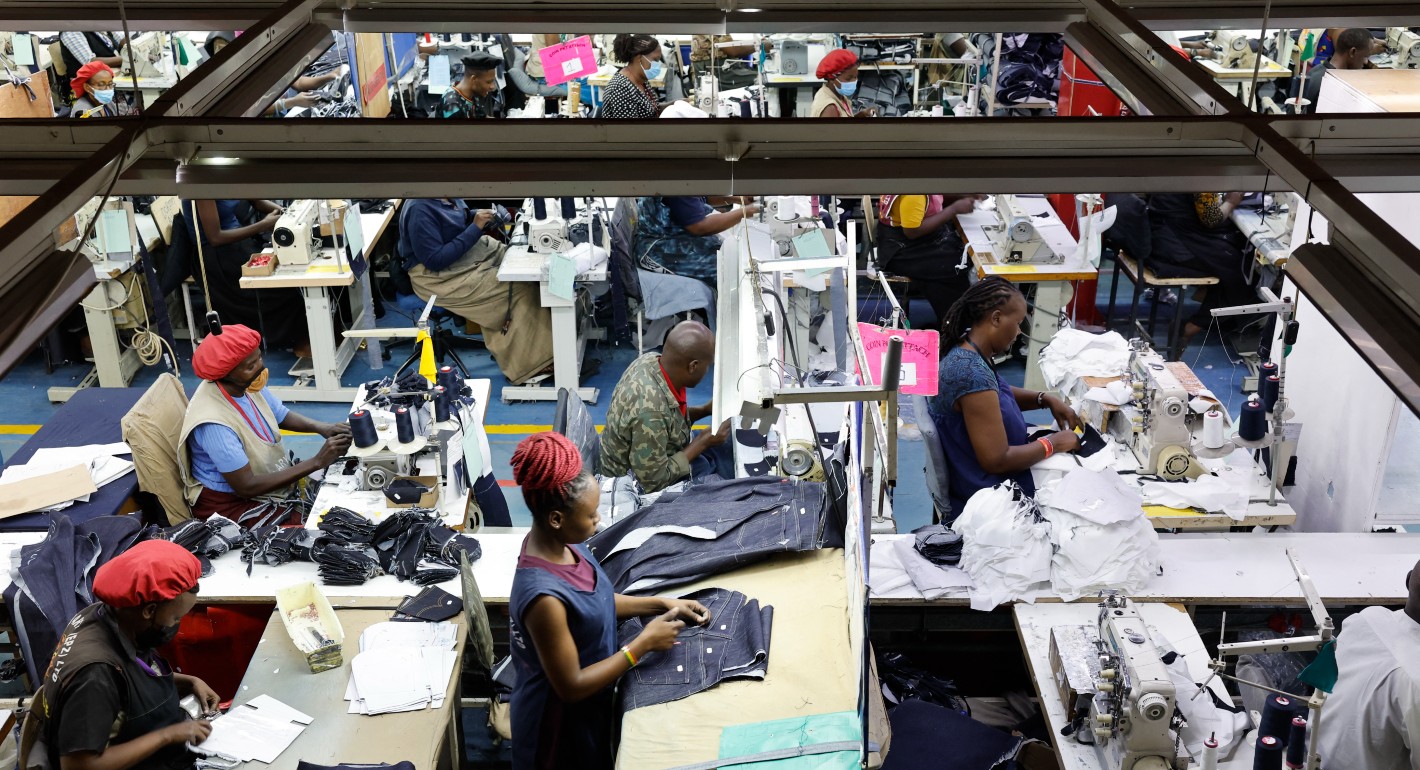
Strengthening U.S.-Africa trade and advancing U.S. interests aren’t conflicting goals.


Tyler Beckelman, Kholofelo Kugler