

Commentary
Rubio’s recent visit brought welcome attention, but more capital requires governance changes that may be a hard sell for regional governments.
Jennifer B. Murtazashvili

REQUIRED IMAGE
Source: Carnegie
Summary
To address drug proliferation and trafficking in the context of non-traditional security threats and to try to find ways out of the potentially explosive situation, the Carnegie Endowment for International Peace sponsored a meeting of representatives of the five Central Asian states, Russia, Azerbaijan, Turkey, the United States, the United Nations Drug Control Program (UNDCP), the Organization for Security and Cooperation in Europe (OSCE), and the Aga Khan Development Network, held in Bishkek, Kyrgyzstan in May 1999. This paper analyzes the situation in the region based on the conference proceedings and aims to raise international awareness of the seriousness of the problem. It also advocates the need for a concerted effort within the region and without to help these countries fight this evil.
Click on link above for full text of this Carnegie Paper.
Former Senior Associate, Russia and Eurasia Program and, Co-director, al-Farabi Carnegie Program on Central Asia
Olcott is professor emerita at Colgate University, having taught political science there from 1974 to 2002. Prior to her work at the endowment, Olcott served as a special consultant to former secretary of state Lawrence Eagleburger.
Former Program Associate
Carnegie does not take institutional positions on public policy issues; the views represented herein are those of the author(s) and do not necessarily reflect the views of Carnegie, its staff, or its trustees.

Rubio’s recent visit brought welcome attention, but more capital requires governance changes that may be a hard sell for regional governments.

Jennifer B. Murtazashvili

Ex-president Gurbanguly Berdimuhamedov remains interested in politics, but his son Serdar, Turkmenistan’s current president, is becoming increasingly independent and willing to break with his father’s legacy. If their covert rivalry goes too far, both risk losing power.

Galiya Ibragimova

In the tenth year of his presidency, President Mirziyoyev’s system is becoming even more personalized than that of his predecessor Karimov.
Galiya Ibragimova

With the growth in points of friction between the great powers, organizations like the SCO will continue to play a role in the strategic adaptation of the smaller powers caught between them.

Temur Umarov
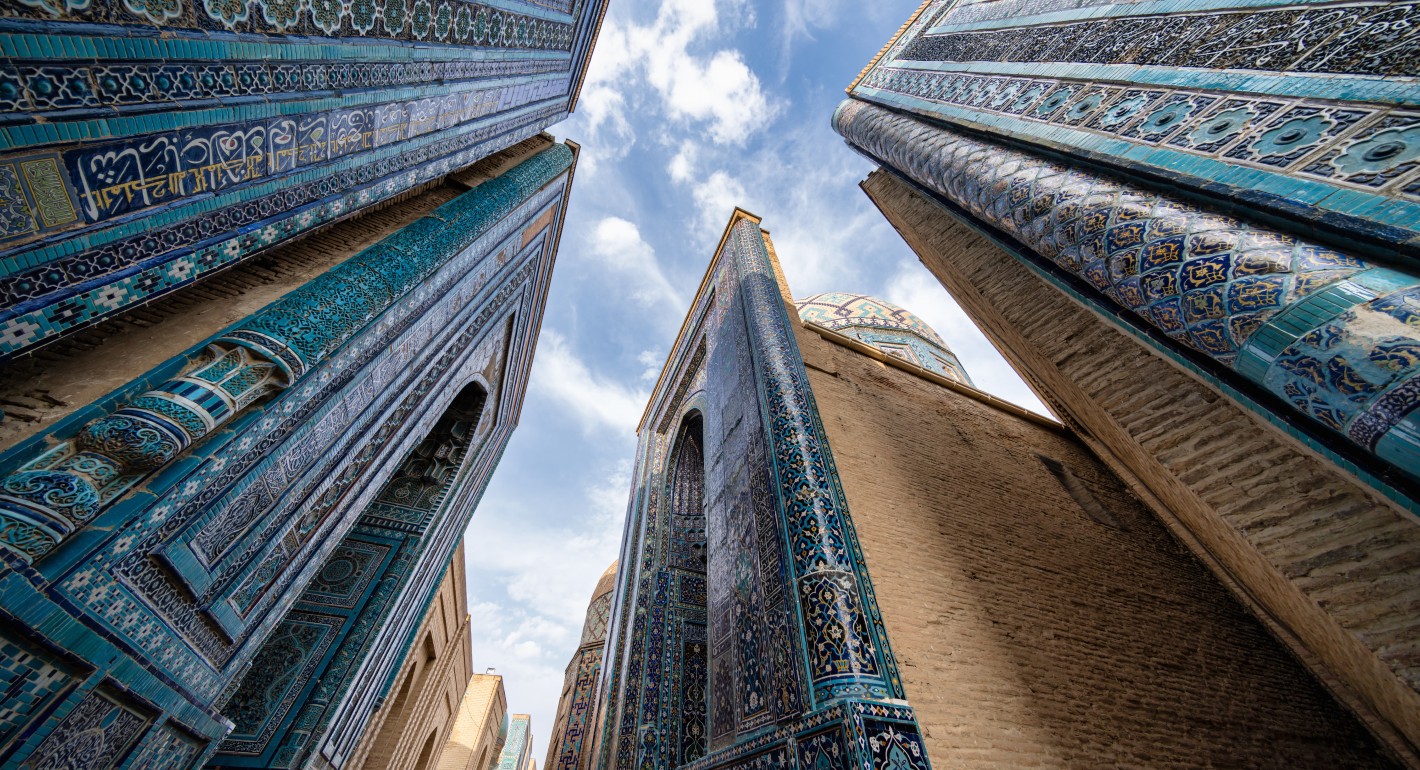
Xi, Putin, and other regional leaders are back-slapping in Bishkek, but the SCO has yet to answer the most serious questions about continental Asia's economic future.

Evan A. Feigenbaum