

Commentary
A leak of Russian gas price data helps establish that China is paying Russia far less than Central Asian countries and Gazprom’s former European customers.
Sergey Vakulenko

Source: Washington, DC: Carnegie Endowment for International Peace, 2000
A report based on the Bangkok meeting of the Carnegie Economic Reform NetworkThe Politics of the Economic Crisis in Asia: Consensus and Controversies offers an assessment of the political economy factors that contributed to the Asian financial crisis and that will shape its recovery. It reports the findings of the Carnegie Economic Reform Network meeting in Bangkok in June 1999, which included former financial Ministers, high ranking regional officials and academics, and staff of the Carnegie Endowment for International Peace.
This publication was prepared by Lesley O'Connell under the direction of Nancy Birdsall. The Background paper on which it is based was prepared by Stephan Haggard, with input before the meeting and revision after by Daniel Morrow, Nancy Birdsall, and David Lipton. 62 pp.
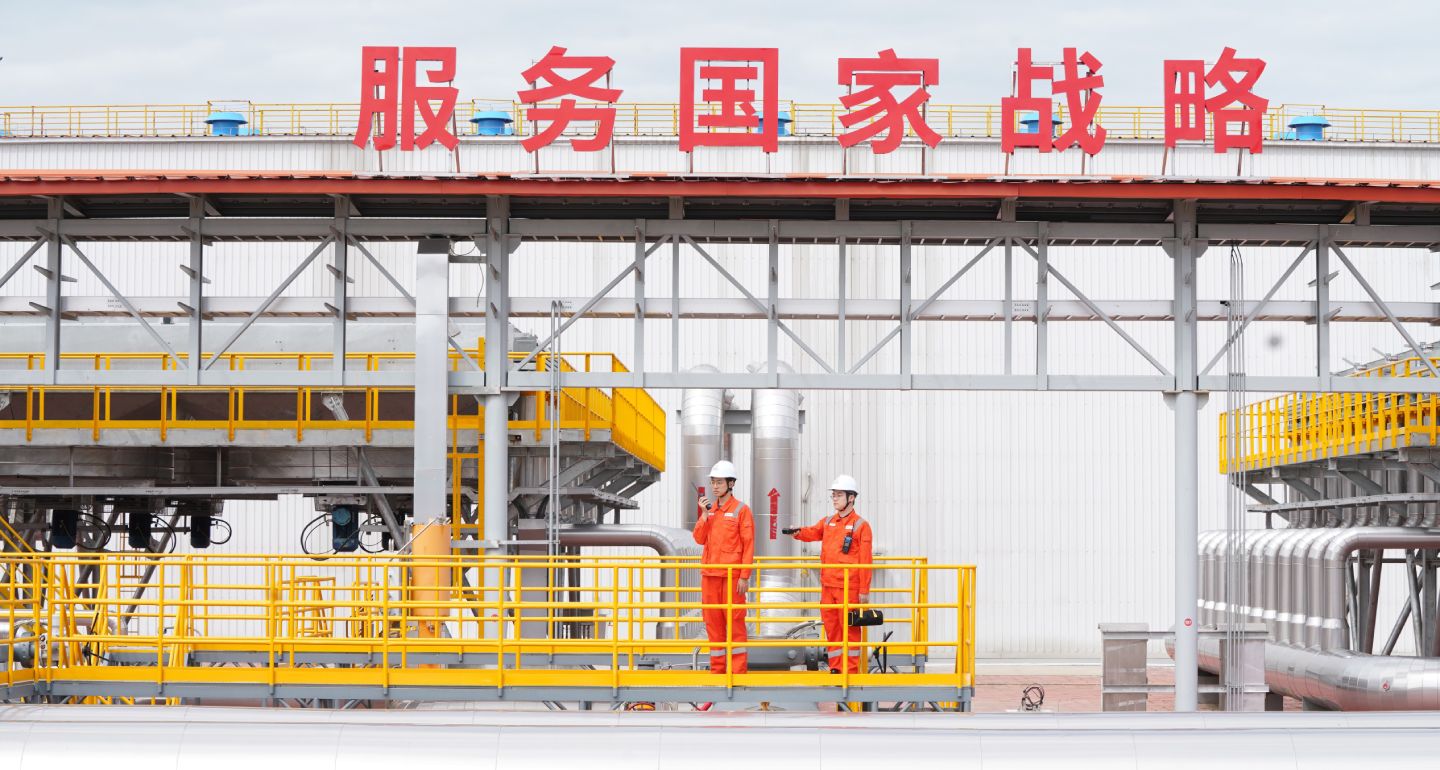
A leak of Russian gas price data helps establish that China is paying Russia far less than Central Asian countries and Gazprom’s former European customers.

Sergey Vakulenko

China’s political future will be shaped between now and next October. As the Communist Party enters its intense “campaign season” to prepare for a major political transition in 2027, reading Beijing's actions and responses may become more difficult as domestic politics weigh on its behavior more than usual.

Damien Ma

Rubio’s recent visit brought welcome attention, but more capital requires governance changes that may be a hard sell for regional governments.

Jennifer B. Murtazashvili

China has showcased its engineering prowess with small modular reactor demonstration projects. But turning these technological achievements into commercial success will be a greater challenge.

Tong Zhao

Despite public disputes over trade and immigration, the strategic partnership’s foundations remain sturdy.

Sameer Lalwani