

Article
Леонид Гозман, Michael McFaul

REQUIRED IMAGE
Source: Carnegie
Summary
A party system is an essential attribute of a democratic policy. No parties, no democracy. Despite the erosion of the influence of parties in old democracies and the difficulties of establishing new parties in new democracies, theorists still agree that parties and a party system are necessary evils for the functioning of representative government. In liberal democracies, parties perform several tasks. During elections, they provide voters with distinctive choices, be they ideological, social, or even ethnic. After elections, parties then represent the interests of their constituents in the formulation (and sometimes implementation) of state policy. The degree of party penetration of state institutions need not correlate directly with a given party?s power over policy outcomes. Empowered by expertise or connections to key decision makers, small parties can have inordinate influence over policy debates, while large parties may suffer the opposite: no expertise, no personal networks, and therefore, little influence over policy. Yet, some degree of representation within the state is usually necessary for a party to influence policy outcomes. In polities with highly developed party systems, parties also perform other functions that can include everything from organizing social life to social welfare.
The crux of party power comes from participation in elections and then winning representation within the state. In pluralist democracies, parties traditionally serve as ?the most important part of the representative structure in complex democratic societies,? aggregating societal interests and then representing those interests within the state. In fact, the degree of party control over the structuring of electoral choices and subsequent party penetration of significant state bodies serve as good proxy measures for party development. Successful parties and developed party systems must be able to influence the structure of the vote, and then win representation within the state in order to influence policy making.
By this set of criteria, party development in Russia has a long way to go. Parties do influence electoral choices in some elections, but not all. And in elections in which parties play a central role, they do not play a monopolistic role in structuring the vote. Subsequently, parties have only penetrated very limited sectors of the Russian state. One area in which parties have succeeded in playing a central role in competing in elections is in the lower house of parliament, the State Duma. Parties have won seats in this legislative organ and have been able to translate their electoral successes into parliamentary power by organizing the internal operation of the Duma in ways that privilege parties. But in every other part of the Russian government?the presidential administration, the federal government, the Federation Council, regional heads of administration, and regional parliaments?parties have played a marginal role in structuring votes and an even lesser role in penetrating or influencing these other governmental entities.
Why? Why have parties been successful in organizing and influencing the work of the State Duma, but enjoyed only very limited success elsewhere? Why has party success within the Duma not stimulated party development elsewhere? Is Russia?s current weak party system a temporary outcome or a permanent feature of Russian politics?
This article argues that parties in Russia are weak because the most powerful politicians in Russia have made choices to make them weak. Cultural, historical, and socio-economic factors play a role in impeding party emergence, but individual decisions?especially decisions about institutional design?are the more proximate and more salient causes of poor party development. The privileged position of parties in the State Duma also resulted from individual choices, but those choices had unintended consequences that did not represent the preferences of the most powerful. As a result, even this oasis of party power may be overrun by anti-party forces. Both the 1999 parliamentary election and the 2000 presidential election suggest that such an assault may occur soon.
To demonstrate the centrality of individual choice and intent in the making and unmaking of Russia?s party system, this paper proceeds as follows. The first section provides a measure of party development. After discussing alternative ways of assessing party strength, this section argues that the electoral and representative roles of parties are the most important indicators of party development. An attempt is then made to quantify the degree of party penetration into Russia?s main political institutions that are filled through popular election. The results are not encouraging for those concerned with party development. Section Two explains the results described in previous section. After exploring the weakness of various structural approaches, the importance of institutional design for both stimulating and stunting party development is highlighted. The electoral rules of the game for all offices and the presidential system are discussed in detail. The third section then pushes the causal arrow back one step further to explain the origins of the institutions described in the previous section. The argument is then made that almost all of the institutional arrangements for choosing elected leaders reflect the preferences of Russia?s most powerful actors, those who have not needed parties to remain in power. The one exception is the electoral law for the State Duma, that is, the one institution that has encouraged party consolidation. In several respects, this law was an accident of history?an accident that is likely to be ?corrected? in the future. The final section offers conclusions.
Click on link above for full text of this Carnegie Paper.

Former Senior Associate
In addition to his role at Carnegie, McFaul is Peter and Helen Bing Senior Fellow at the Hoover Institution and associate professor of political science at Stanford University.
Recent Work
Леонид Гозман, Michael McFaul
Michael McFaul, Sanja Tatic
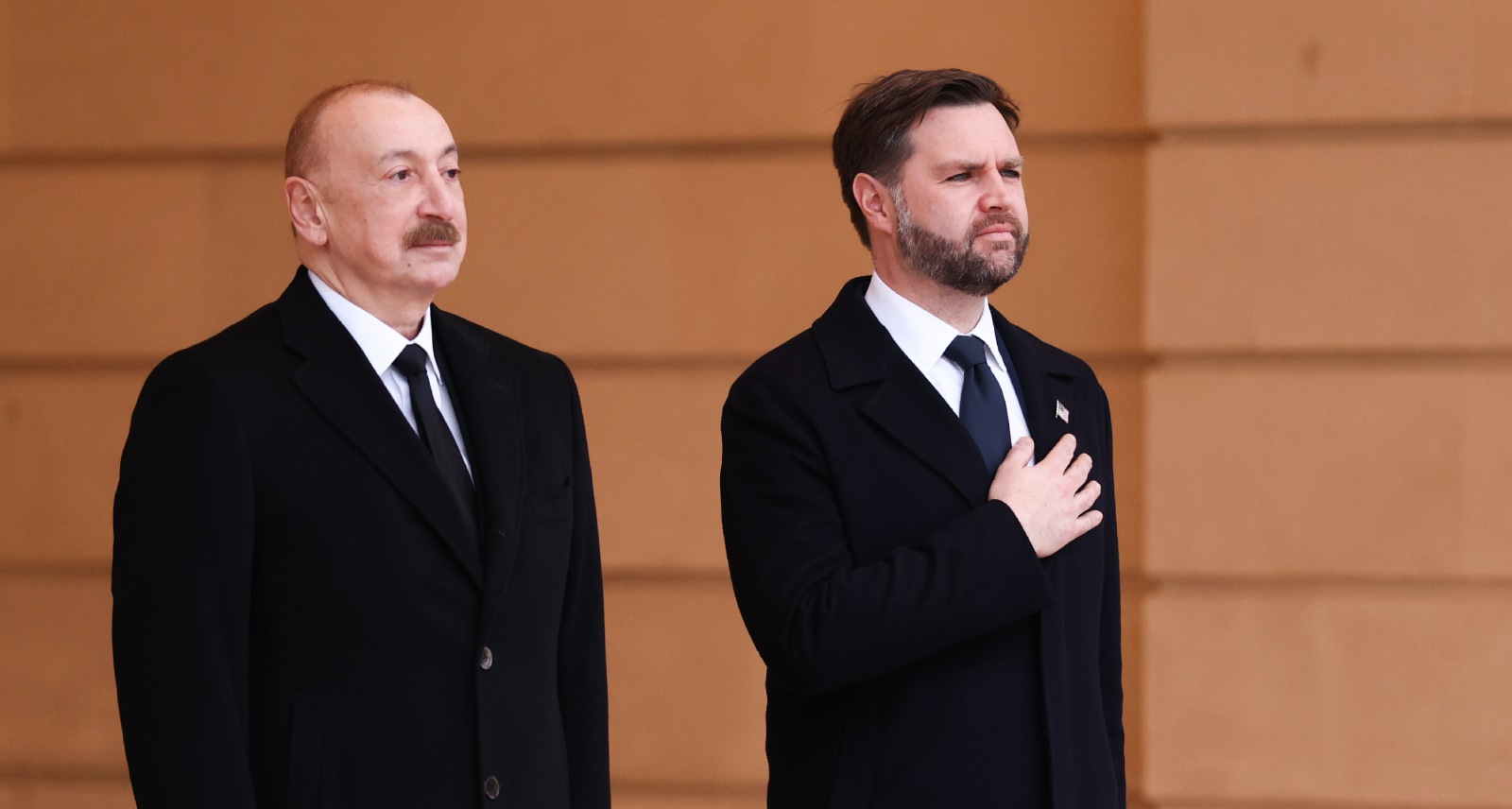
With the White House only interested in economic dealmaking, Georgia finds itself eclipsed by what Armenia and Azerbaijan can offer.

Bashir Kitachaev
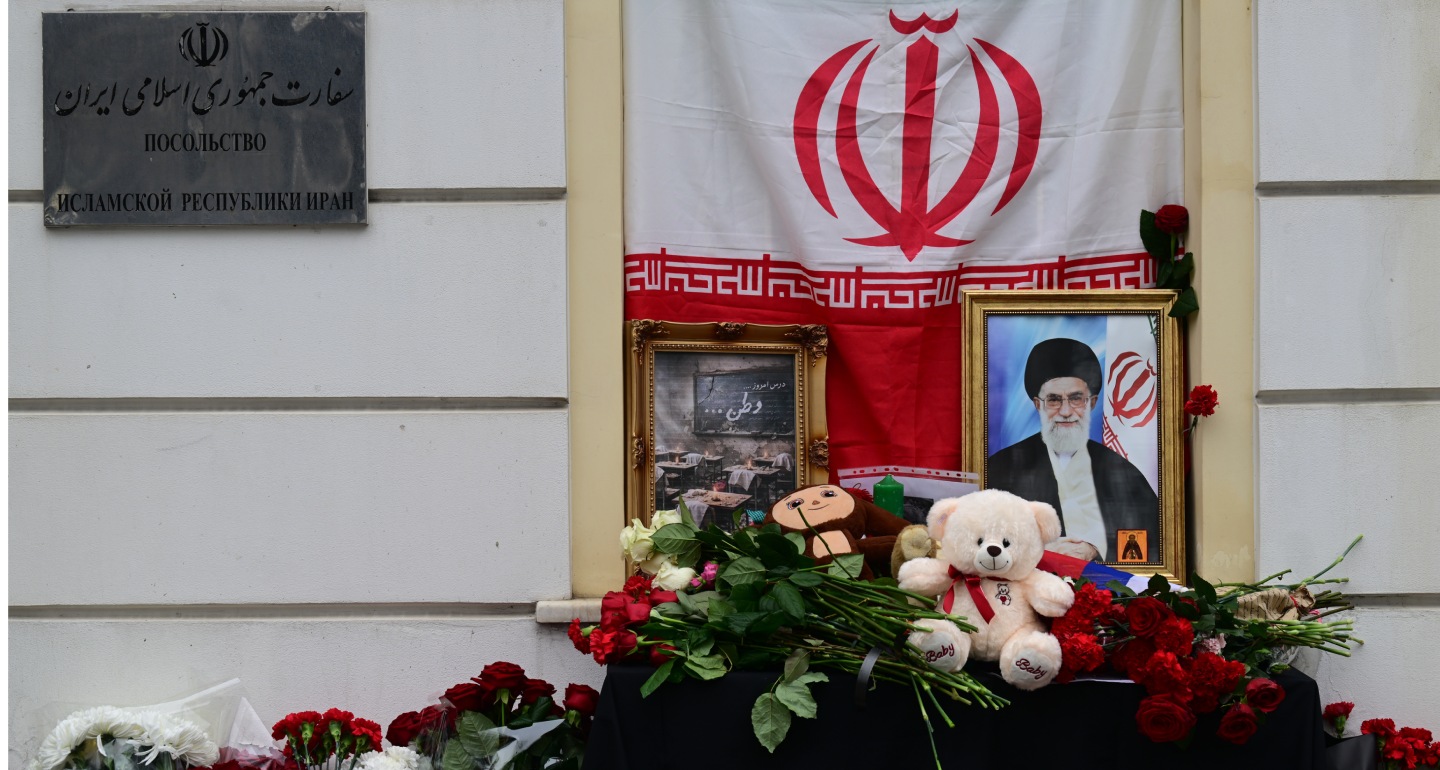
If the regime in Tehran survives, it could be obliged to hand Moscow significant political influence in exchange for supplies of weapons and humanitarian aid.

Nikita Smagin

The interventions in Iran and Venezuela are in keeping with Trump’s strategy of containing China, but also strengthen Russia’s position.

Mikhail Korostikov

Two experts discuss how drone technology is shaping yet another conflict and what the United States can learn from Ukraine.


Steve Feldstein, Dara Massicot
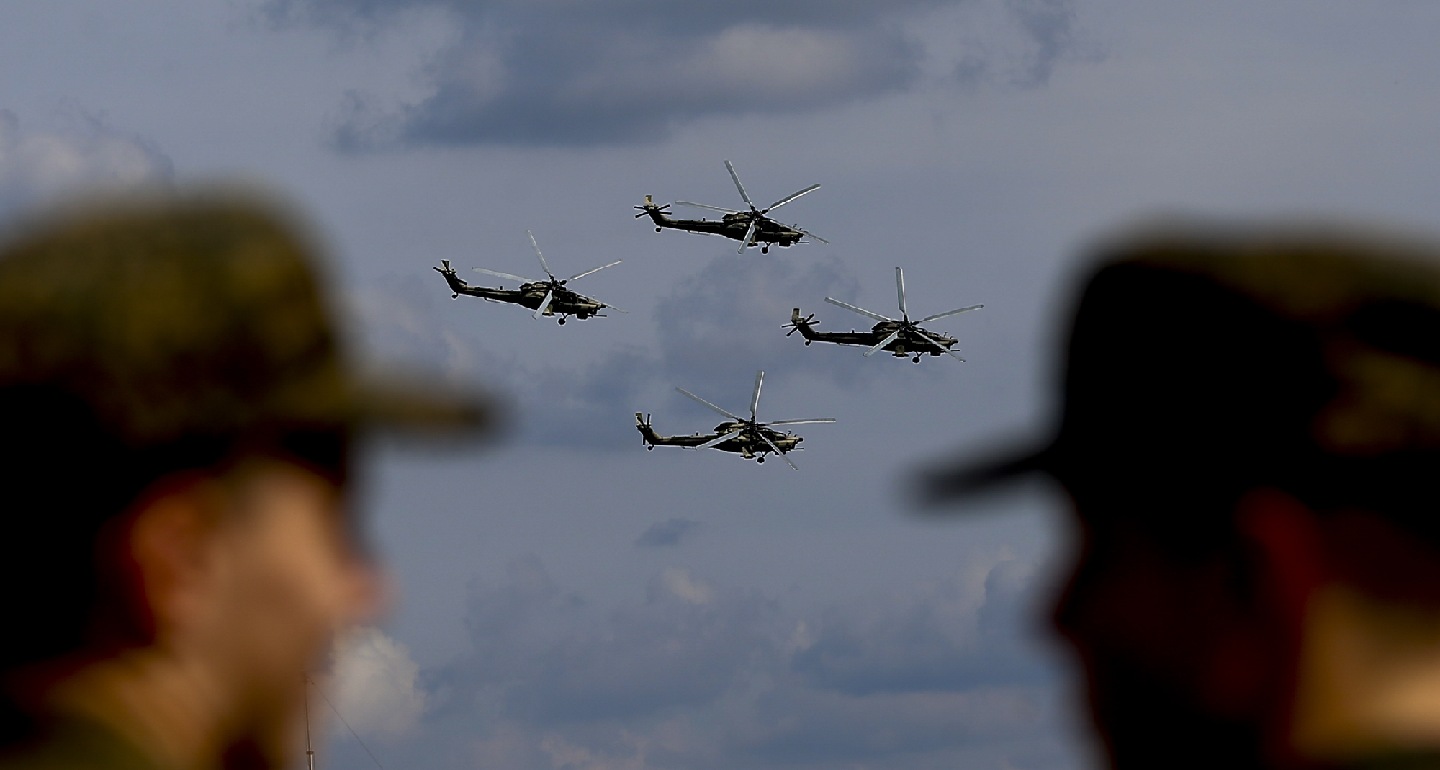
Arms supplies from Russia to Iran will not only continue, but could grow significantly if Russia gets the opportunity.
Nikita Smagin