

Other
Ann M. Florini, Mr. John Audley
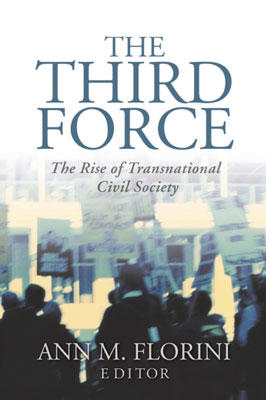
The book's six case studies investigate the role of transnational civil society in the global anti-corruption movement, nuclear arms control, dam-building and sustainability, democracy movements, landmines, and human rights.
Source: Washington

“An excellent, comprehensive, and timely analysis of a phenomenon that could redraw the contours of global governance in inspiring and challenging ways in the twenty-first century.”
—Kumi Naidoo, Secretary General and CEO of CIVICUS: World Alliance for Citizen Participation
“Provides an excellent overview to the issues and trends in the rise of transnational civil society. Policy makers, students, and academics will appreciate the lively prose, diverse and well-documented case studies, lucid conclusions, and useful annotated bibliography.”
—Kathryn Sikkink, University of Minnesota
Former Senior Associate
Recent Work
Ann M. Florini, Mr. John Audley
Ann M. Florini, Yahya A. Dehqanzada
Carnegie does not take institutional positions on public policy issues; the views represented herein are those of the author(s) and do not necessarily reflect the views of Carnegie, its staff, or its trustees.

The books, podcasts, and films that explain the world it made.

Andrew Leber

With the growth in points of friction between the great powers, organizations like the SCO will continue to play a role in the strategic adaptation of the smaller powers caught between them.

Temur Umarov
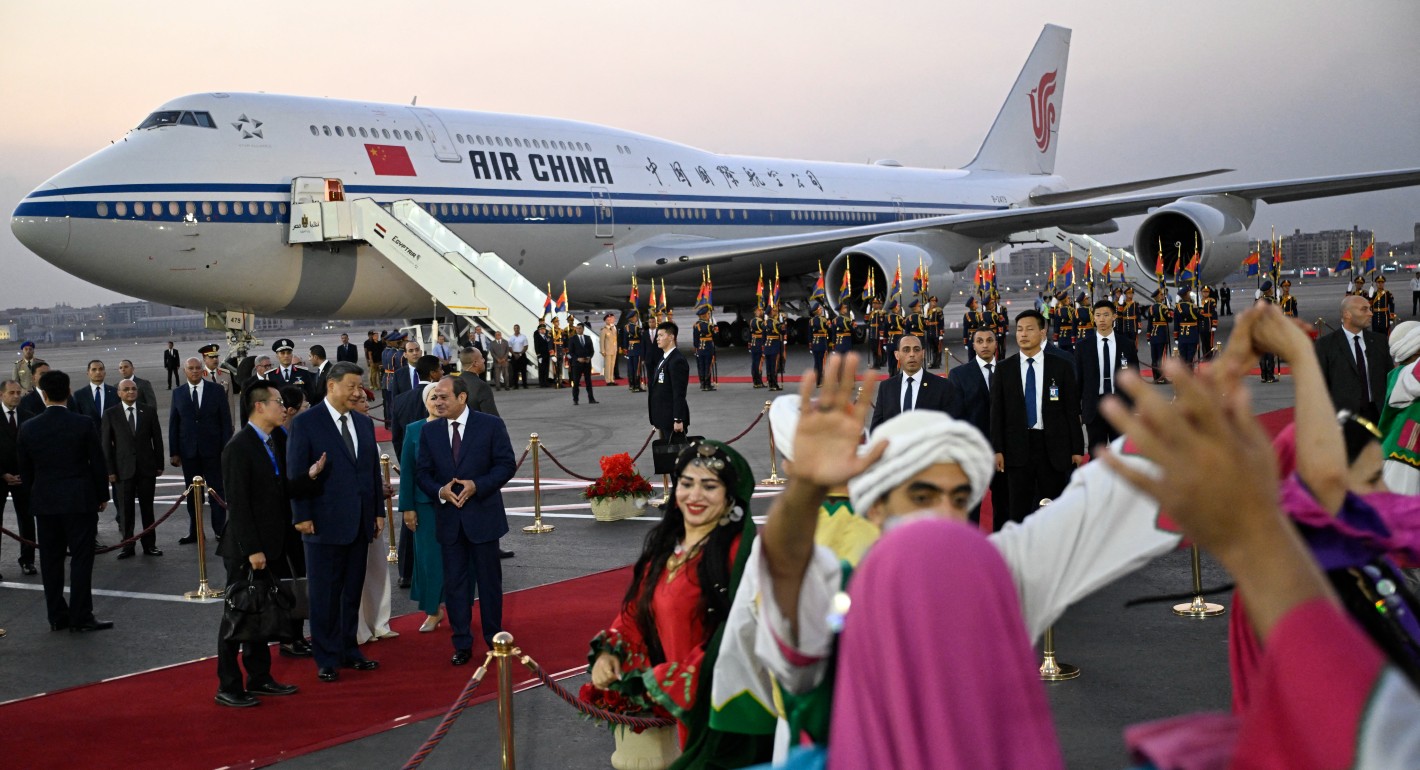
Amid celebrations of bilateral ties was a deeper focus on stability in the Middle East.

Amr Hamzawy
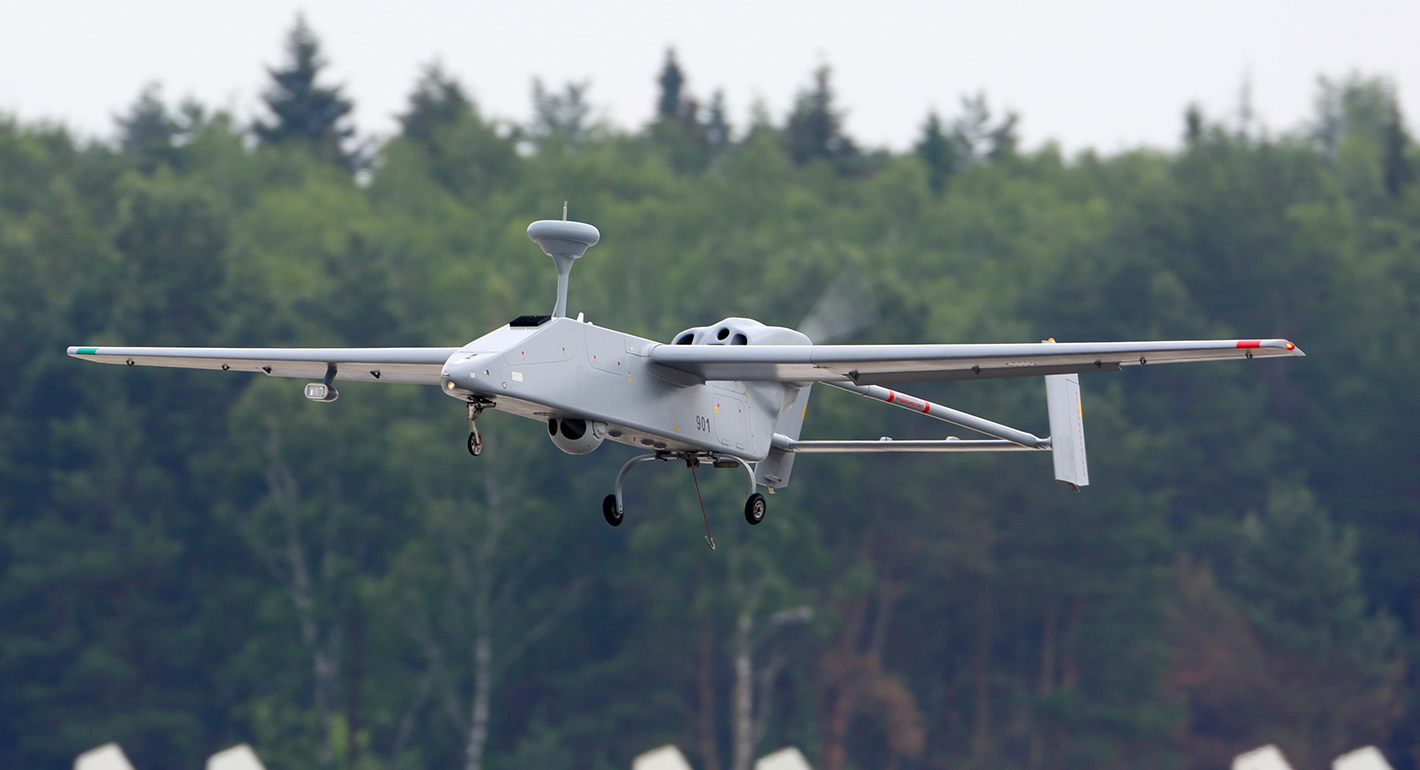
Moscow is testing Europe’s defenses with drone incursions and could decide to use drones against the continent on a much larger scale once the war in Ukraine pauses. European countries will need Kyiv to help them prepare for such a possibility.

Pavlo Zvenyhorodskyi

European states control several Overseas Countries and Territories around the world that carry strategic, economic, and environmental weight. As great powers challenge the rules-based order, defending them is a geopolitical imperative for Europe.

Marc Pierini