• Research
  • Emissary
  • About
  • Experts
Carnegie Global logoCarnegie lettermark logo
DemocracyIran
  • Donate
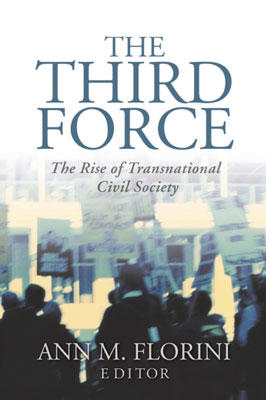
Third Force: The Rise of Transnational Civil Society
Book

Third Force: The Rise of Transnational Civil Society

The book's six case studies investigate the role of transnational civil society in the global anti-corruption movement, nuclear arms control, dam-building and sustainability, democracy movements, landmines, and human rights.

Link Copied
By Ann M. Florini
Published on Oct 2, 2000

Additional Links

Chapter OneTable of ContentsPaperback - $19.95Kindle - $9.99iTunes - $9.99Nook - $10.39

Source: Washington

Transnational networks of civil society groups are seizing an ever-greater voice in how governments run countries and how corporations do business. This volume brings together a multinational group of authors to help policy makers, scholars, corporate executives, and activists themselves understand the profound issues raised. How powerful are these networks? Is their current prominence a temporary fluke or a permanent change in the nature of international power? What roles should they play as the world struggles to cope with the new global agenda? The book's six case studies investigate the role of transnational civil society in the global anti-corruption movement, nuclear arms control, dam-building and sustainability, democracy movements, landmines, and human rights. The conclusion draws out lessons and argues for a new understanding of the legitimate role of transnational civil society.

Advance Praise

“An excellent, comprehensive, and timely analysis of a phenomenon that could redraw the contours of global governance in inspiring and challenging ways in the twenty-first century.”
    —Kumi Naidoo, Secretary General and CEO of CIVICUS: World Alliance for Citizen Participation

“Provides an excellent overview to the issues and trends in the rise of transnational civil society. Policy makers, students, and academics will appreciate the lively prose, diverse and well-documented case studies, lucid conclusions, and useful annotated bibliography.”
   —Kathryn Sikkink, University of Minnesota

About the Author

Ann M. Florini

Former Senior Associate

    Recent Work

  • Other
    Overhauling the WTO: Opportunity at Doha and Beyond

      Ann M. Florini, Mr. John Audley

  • Paper
    No More Secrets?: Policy Implications of Commercial Remote Sensing Satellites

      Ann M. Florini, Yahya A. Dehqanzada

Ann M. Florini
Former Senior Associate
Security

Carnegie does not take institutional positions on public policy issues; the views represented herein are those of the author(s) and do not necessarily reflect the views of Carnegie, its staff, or its trustees.
More Work from Carnegie Endowment for International Peace

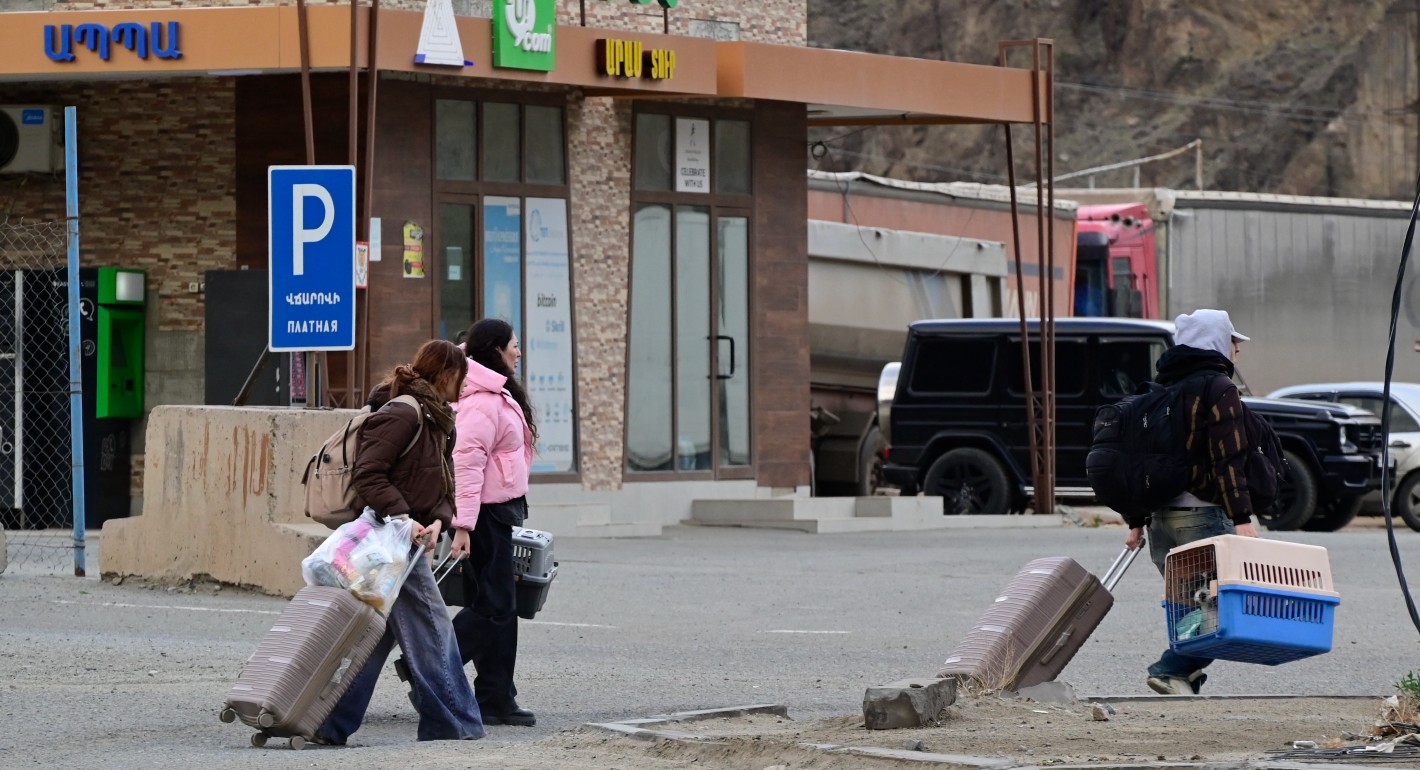
  • people walking with suitcases
    Commentary
    Emissary
    Iran’s Northern Neighbors Are Facing Fallout From the War, Too

    The conflict is threatening stability in Armenia and Azerbaijan.

      Zaur Shiriyev
  • Commentary
    Strategic Europe
    Taking the Pulse: Is France’s New Nuclear Doctrine Ambitious Enough?

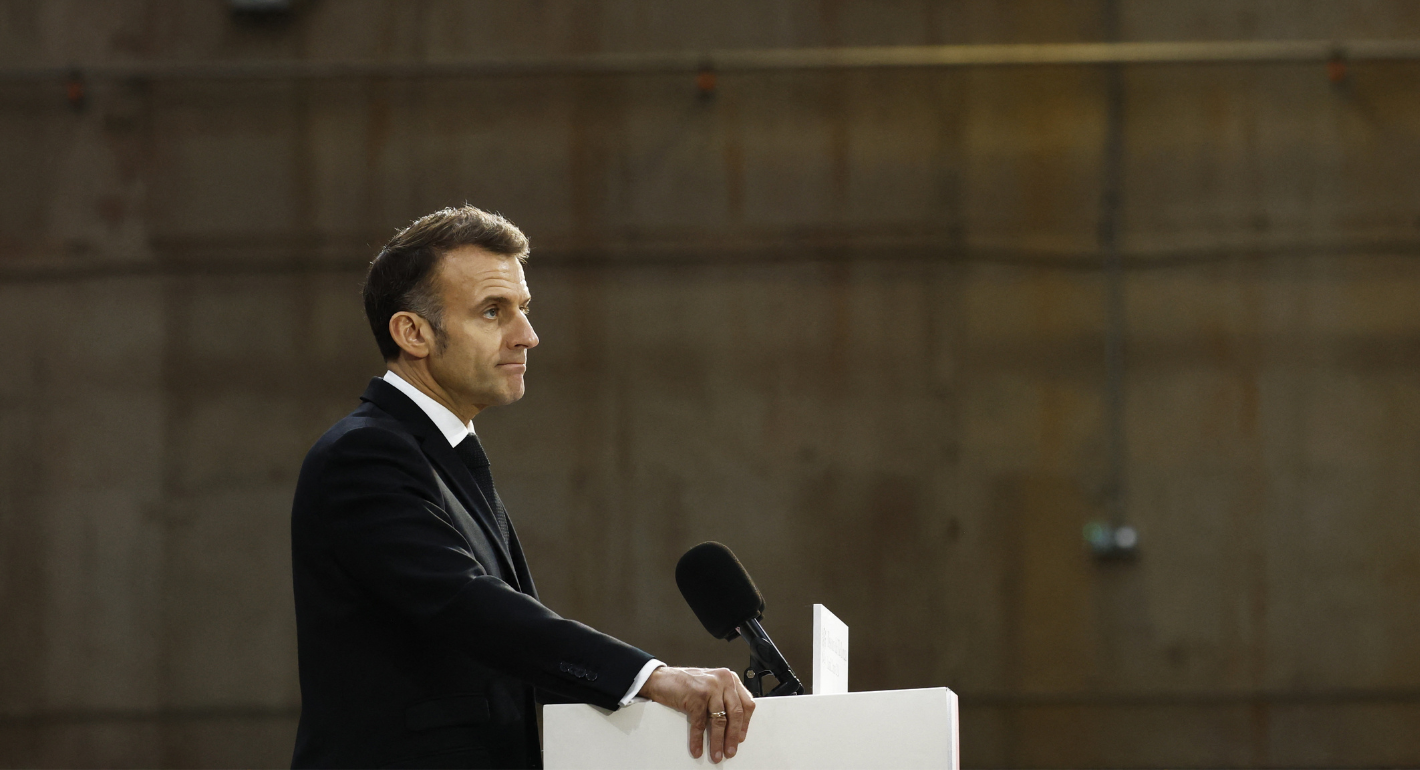
    French President Emmanuel Macron has unveiled his country’s new nuclear doctrine. Are the changes he has made enough to reassure France’s European partners in the current geopolitical context?

      • Rym Momtaz

      Rym Momtaz, ed.

  • Commentary
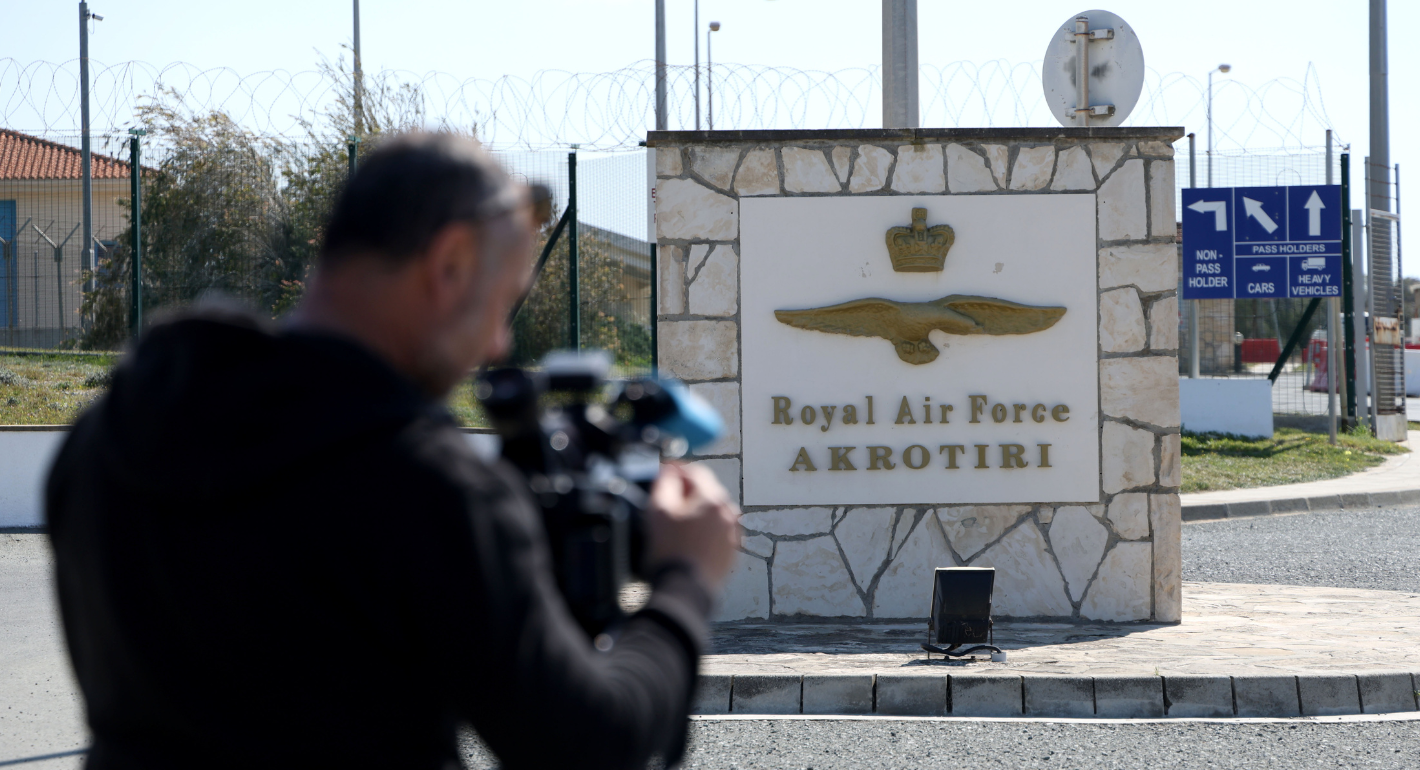
    The Iran War’s Dangerous Fallout for Europe

    The drone strike on the British air base in Akrotiri brings Europe’s proximity to the conflict in Iran into sharp relief. In the fog of war, old tensions in the Eastern Mediterranean risk being reignited, and regional stakeholders must avoid escalation.

      Marc Pierini

  • Commentary
    Carnegie Politika
    Why Are China and Russia Not Rushing to Help Iran?

    Most of Moscow’s military resources are tied up in Ukraine, while Beijing’s foreign policy prioritizes economic ties and avoids direct conflict.   

      • Alexander Gabuev

      Alexander Gabuev, Temur Umarov

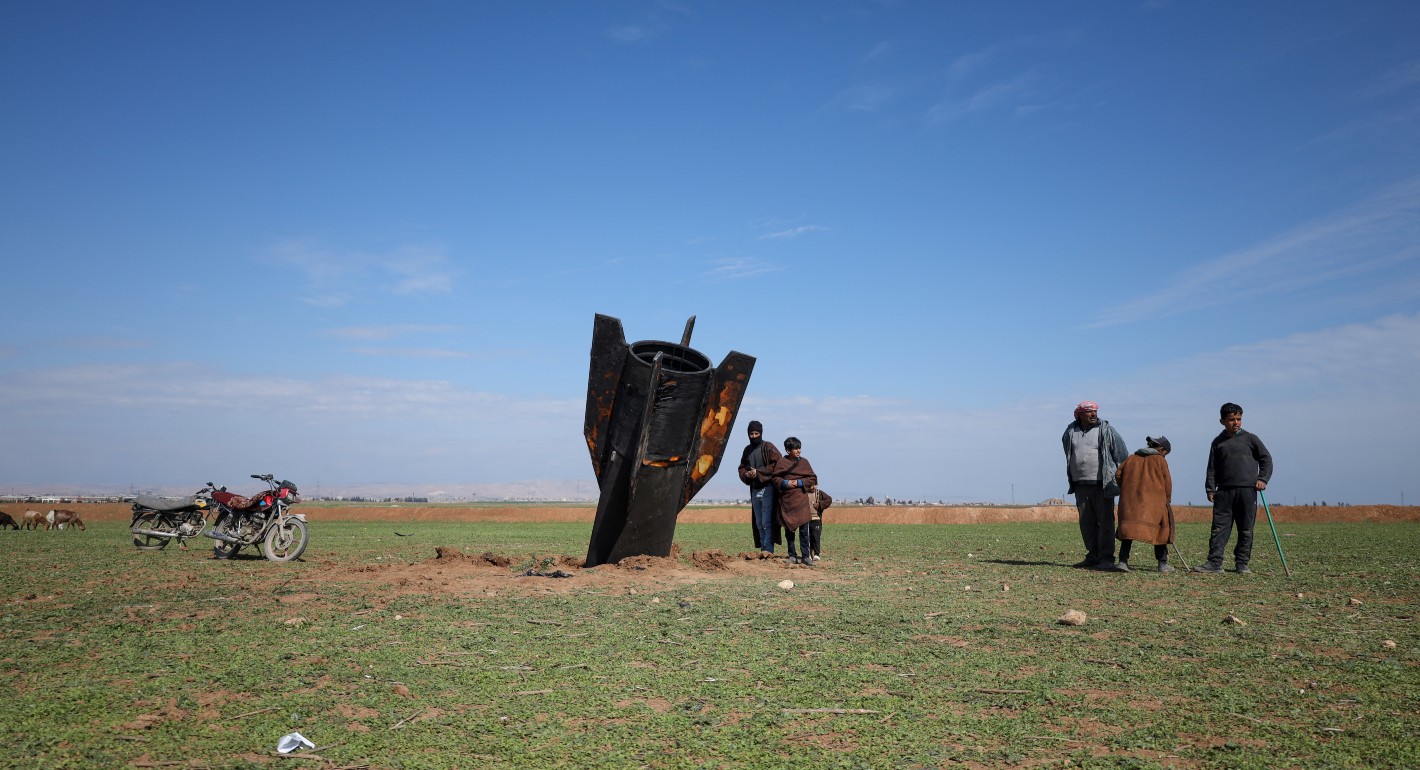
  • A missile tail embedded in the ground in an open field with green ground cover and a blue sky.
    Commentary
    Emissary
    Turkey Has Two Key Interests in the Iran Conflict

    But to achieve either, it needs to retain Washington’s ear.

      Alper Coşkun

Get more news and analysis from
Carnegie Endowment for International Peace
Carnegie global logo, stacked
1779 Massachusetts Avenue NWWashington, DC, 20036-2103Phone: 202 483 7600Fax: 202 483 1840
  • Research
  • Emissary
  • About
  • Experts
  • Donate
  • Programs
  • Events
  • Blogs
  • Podcasts
  • Contact
  • Annual Reports
  • Careers
  • Privacy
  • For Media
  • Government Resources
Get more news and analysis from
Carnegie Endowment for International Peace
© 2026 Carnegie Endowment for International Peace. All rights reserved.