


Commentary
In an interview, Sergei Melkonian discusses Armenia’s and Azerbaijan’s careful balancing act among the United States, Israel, and Iran.
Armenak Tokmajyan

Source: Carnegie
|
|
A Report by the Russian and Eurasian Program of the Carnegie Endowment for International Peace | |
| Format: Paperback, 52pp. | ||
| Pub Date: December 2000 | ||

U.S.-Russian relations are in a period of change. An Agenda for Renewal: U.S.-Russian Relations, produced by the Russian and Eurasian Program of the Carnegie Endowment, sets out an innovative agenda for the renewal of the U.S.-Russian relationship, based on policies that capitalize on areas of mutual interest and affirm the long-term vision of a Russia integrated into Western economic, political, and security structures.
This report is a product of the Russian and Eurasian Program of the Carnegie Endowment for International Peace. The following persons contributed to it through writing or discussion: Anders Åslund, Thomas Carothers, Thomas Graham, Stephen Holmes, Andrew Kuchins, Anatol Lieven, Michael McFaul, Martha Brill Olcott, and Jon Wolfsthal
Carnegie Endowment for International Peace
December 2000 / c. 52 pp.
Carnegie does not take institutional positions on public policy issues; the views represented herein are those of the author(s) and do not necessarily reflect the views of Carnegie, its staff, or its trustees.
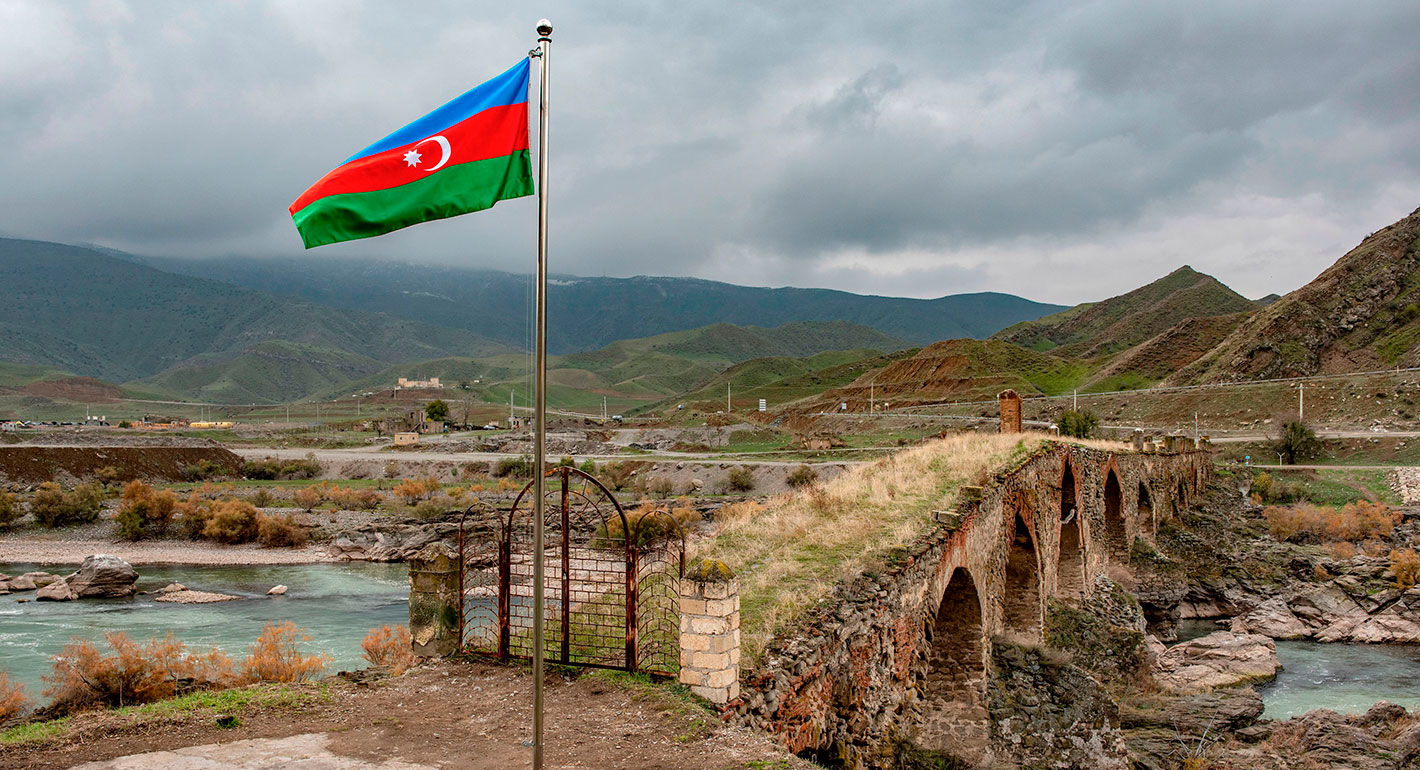
In an interview, Sergei Melkonian discusses Armenia’s and Azerbaijan’s careful balancing act among the United States, Israel, and Iran.

Armenak Tokmajyan
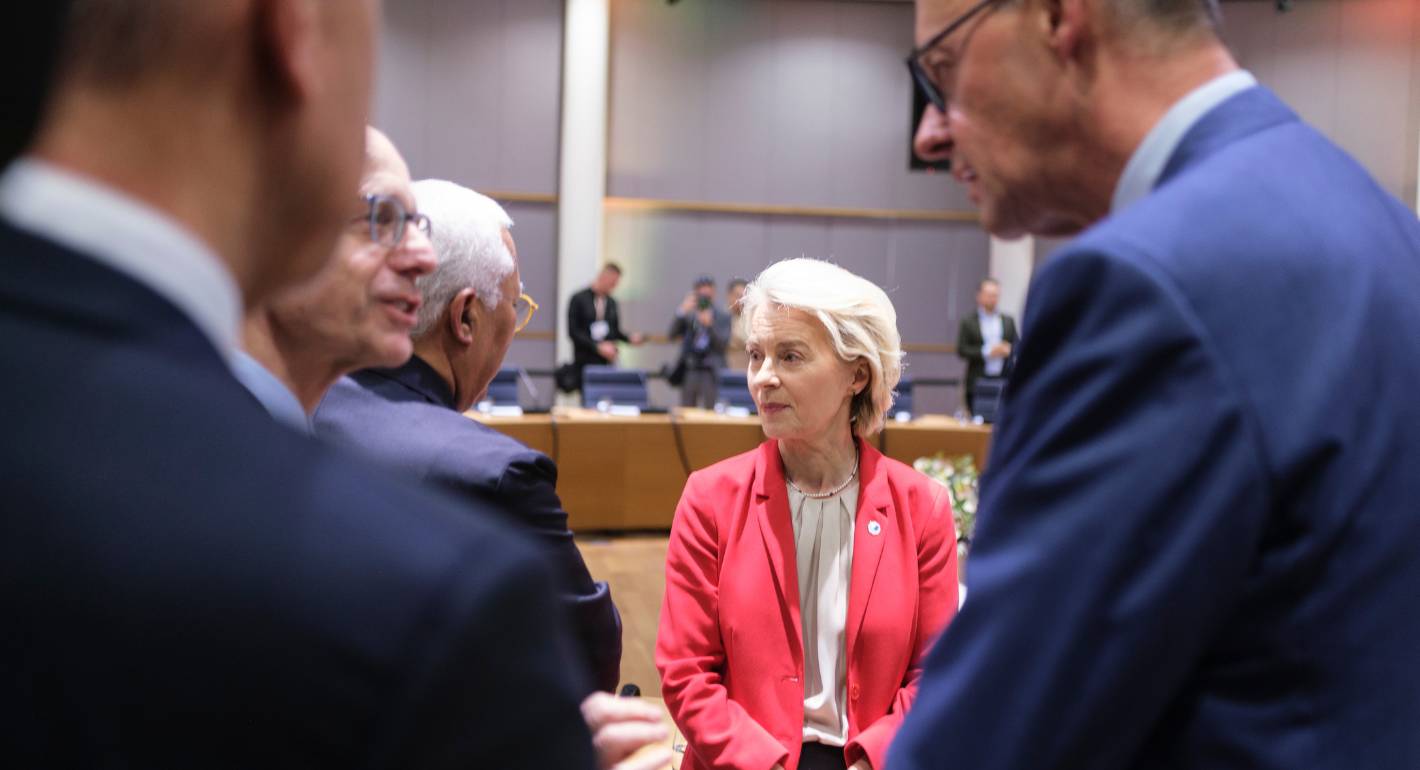
The war in Iran proves the United States is now a destabilizing actor for Europe and the Arab Gulf. From protect their economies and energy supplies to safeguarding their territorial integrity, both regions have much to gain from forming a new kind of partnership together.

Rym Momtaz
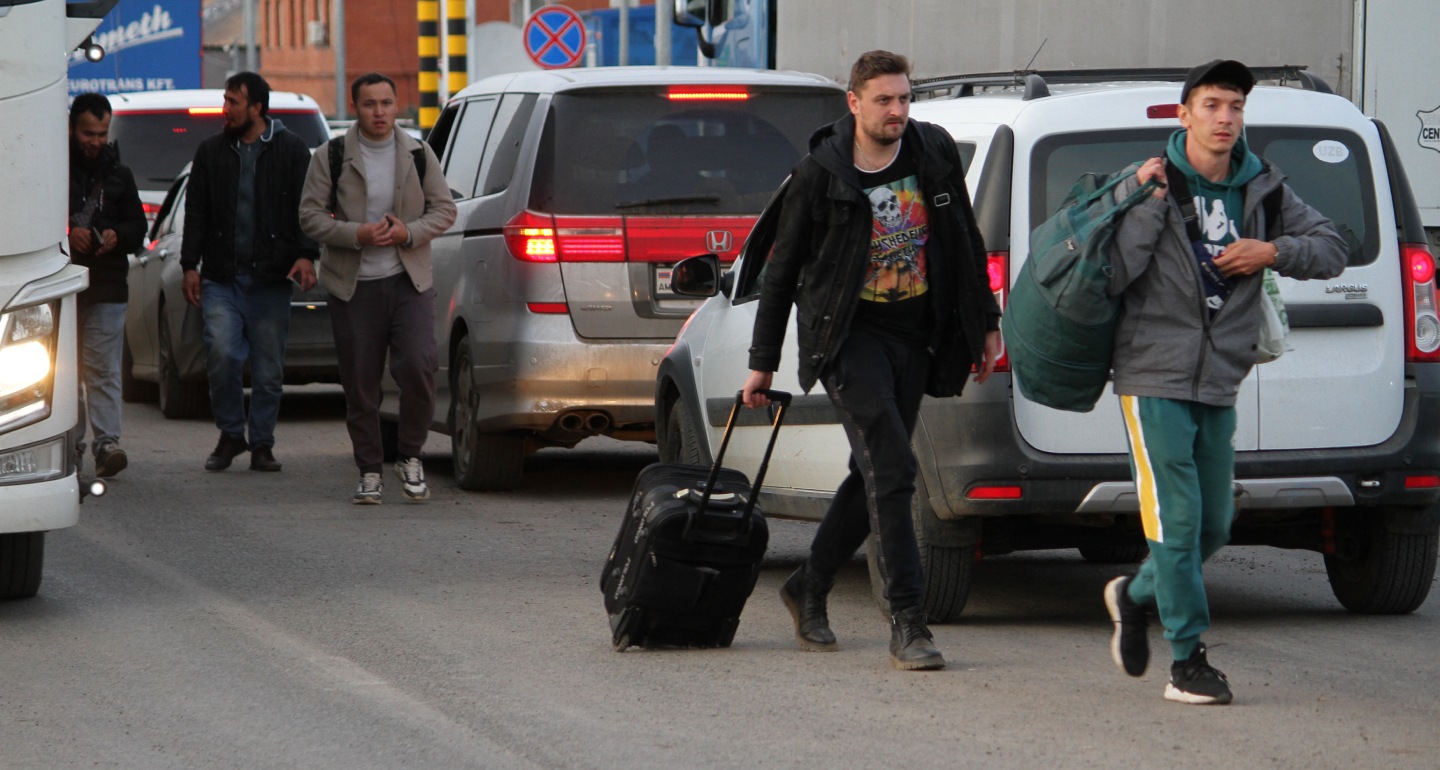
The current U.S. indifference to human rights means Astana no longer has any incentive to refuse extradition requests from its authoritarian neighbors—including Russia.

Temur Umarov
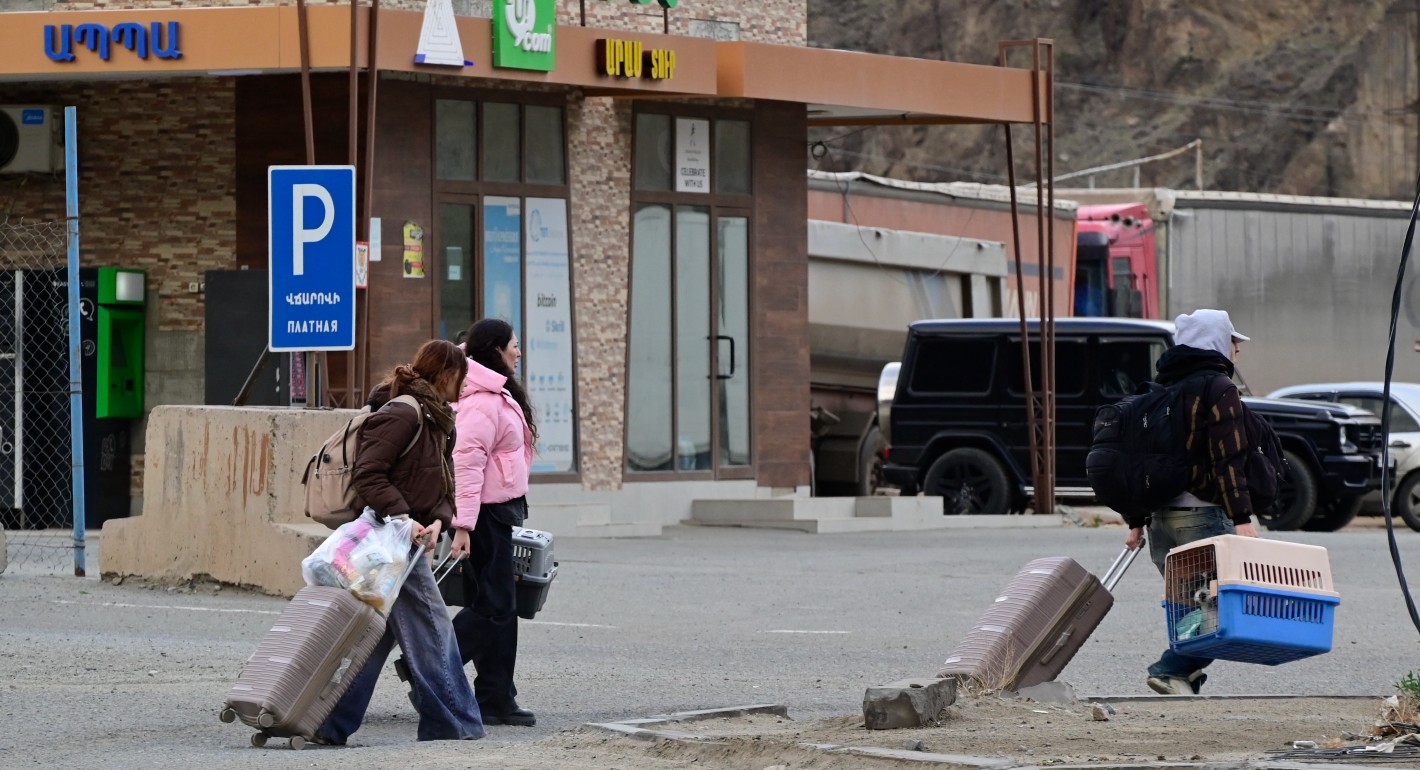
The conflict is threatening stability in Armenia and Azerbaijan.

Zaur Shiriyev
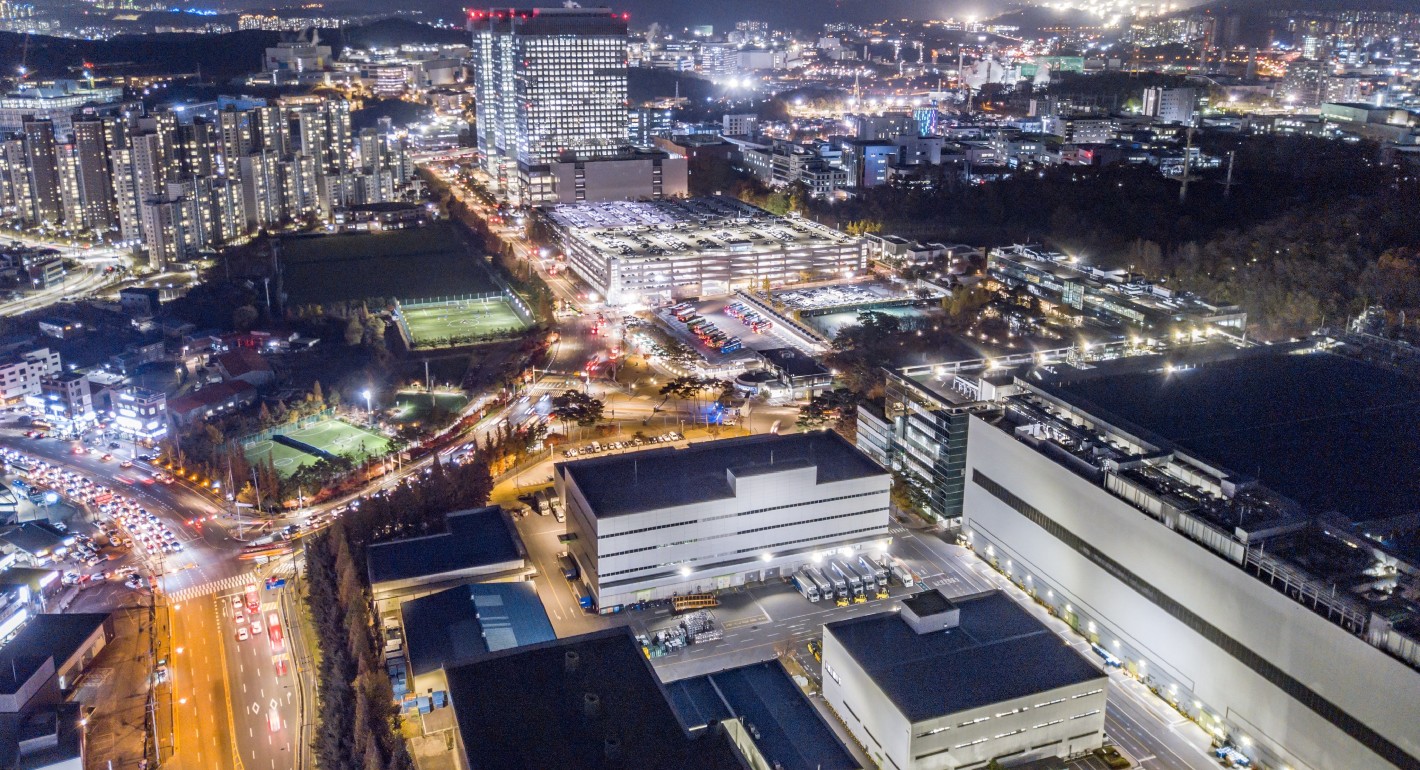
The conflict is exposing the deep energy vulnerabilities of Korea’s chip industry.


Darcie Draudt-Véjares, Tim Sahay