

Commentary
Amid celebrations of bilateral ties was a deeper focus on stability in the Middle East.
Amr Hamzawy
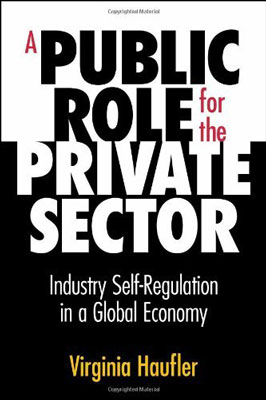
This book explores corporate self-regulation on an international level across three different policy issues—environment, labor, and information privacy.
Source: Washington

Virginia Haufler directed the Project on the Role of the Private Sector in International Affairs at the Carnegie Endowment. She is associate professor at the University of Maryland, College Park.
"Anyone seeking to become better-informed about the changing role of business in the modern world should read this book."
—Debora L. Spar, Harvard Business School
"Breaks new ground in explaining the nature of industry self-regulation in today's globalizing economy. The rich case material makes this book essential reading for understanding the role of business in the 21st century."
—Georg Kell, UN Office of the Global Compact
"Offers a useful framework for assessing the drivers and mechanisms for industry self-regulation and poses a set of questions that policy makers, business leaders, activists, and academics cannot afford to ignore."
—Jane Nelson, International Business Leaders Forum
Former Visiting Scholar
Carnegie does not take institutional positions on public policy issues; the views represented herein are those of the author(s) and do not necessarily reflect the views of Carnegie, its staff, or its trustees.
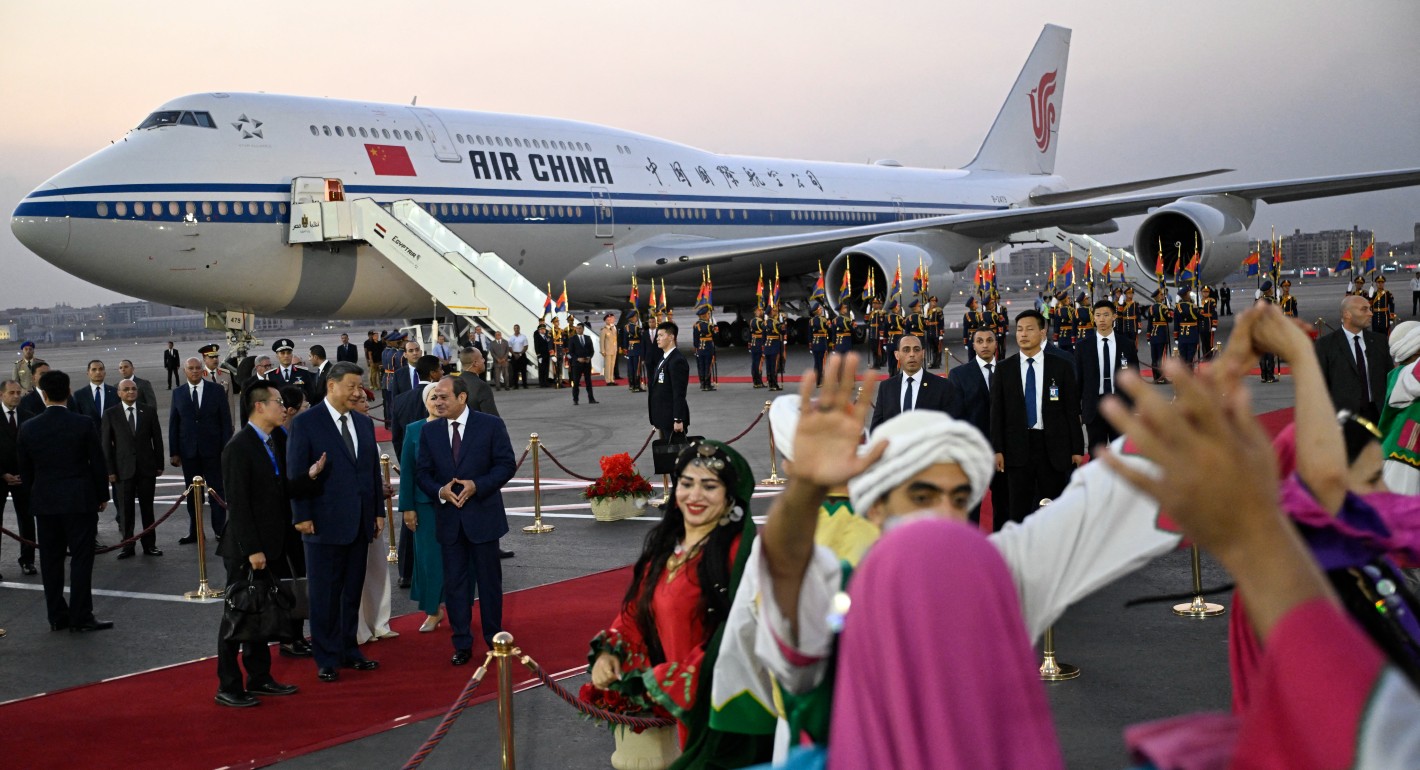
Amid celebrations of bilateral ties was a deeper focus on stability in the Middle East.

Amr Hamzawy

Xi, Putin, and other regional leaders are back-slapping in Bishkek, but the SCO has yet to answer the most serious questions about continental Asia's economic future.

Evan A. Feigenbaum

The conflict has sent economic and political shock waves through a country with no representation at the negotiating table—and Kenya is not alone.

Georgia Schaefer-Brown, Jane Munga

China’s banking crisis in the 2000s was resolved by transferring the costs to households through financial repression—a decision that recapitalized the banks while exacerbating the structural imbalances that continue to shape the Chinese economy today.

Michael Pettis
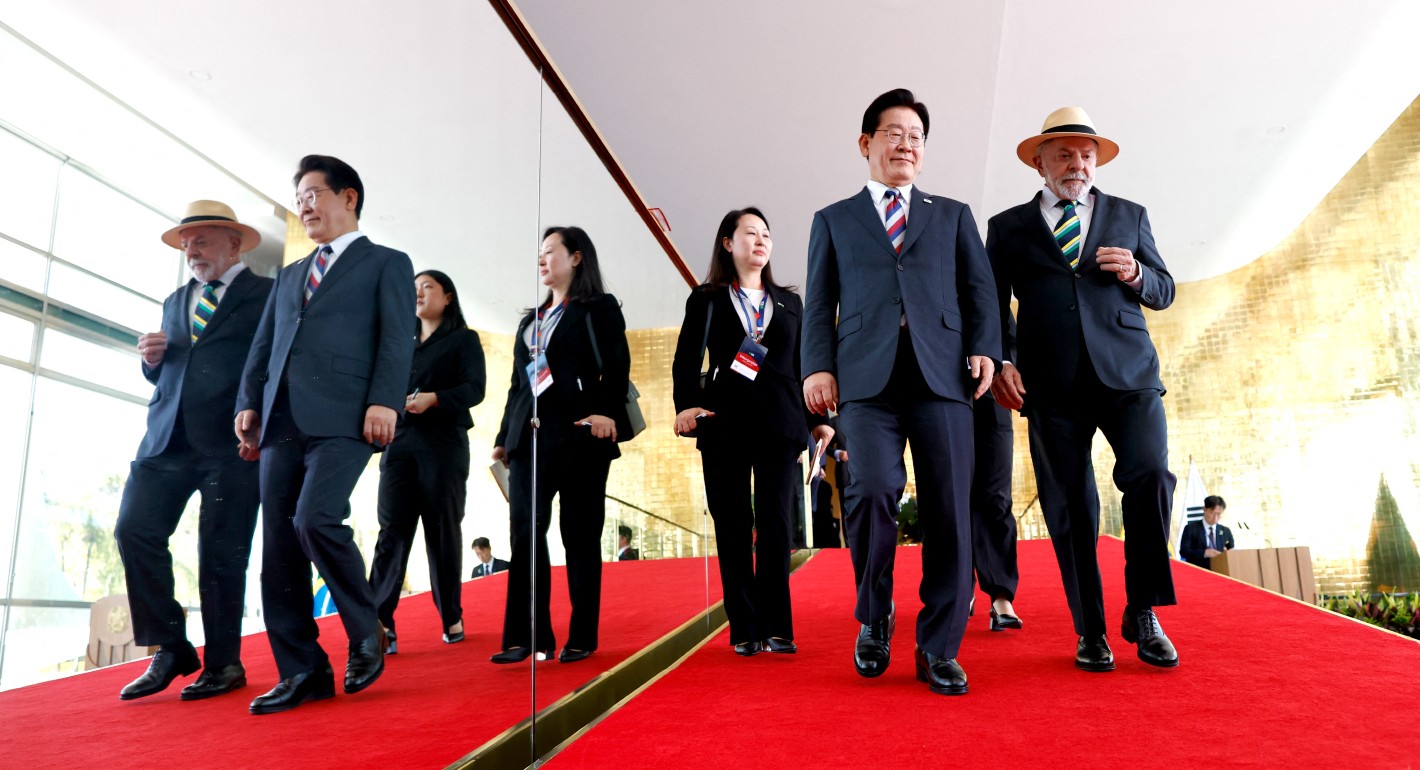
Lee’s tour shows how Seoul is reorganizing its diplomacy away from Pyongyang and toward industrial networks and the geography of the compute economy.

Darcie Draudt-Véjares