

Commentary
The conflict is exposing the deep energy vulnerabilities of Korea’s chip industry.
Darcie Draudt-Véjares, Tim Sahay

Source: Washington, DC: Brookings Institution Press, 2003
About the Authors
Micheal McFaul is a senior associate at the Carnegie Endowment and associate professor of political science at Hoover Institution, Stanford University. He is the author of Between Dictatorship and Democracy: Russian Post-Communist Political Reform and Russia's Unfinished Revolution: Political Change from Gorbachev to Putin.
James M. Goldgeier is director of the Institute for European, Russian and Eurasian Studies at George Washington University, where he is associate professor of political science and international affairs.
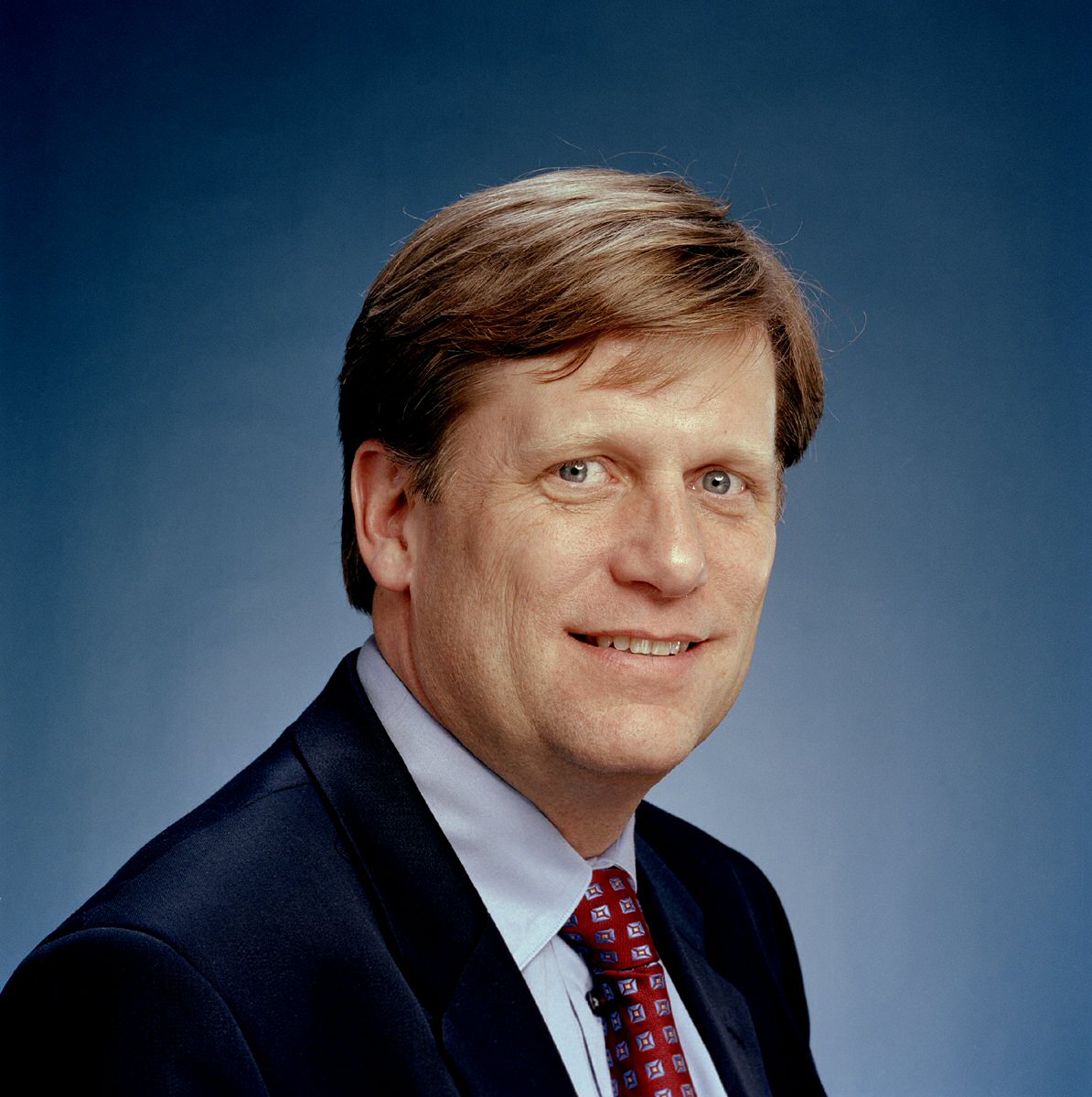
Former Senior Associate
In addition to his role at Carnegie, McFaul is Peter and Helen Bing Senior Fellow at the Hoover Institution and associate professor of political science at Stanford University.
James M. Goldgeier
Carnegie does not take institutional positions on public policy issues; the views represented herein are those of the author(s) and do not necessarily reflect the views of Carnegie, its staff, or its trustees.
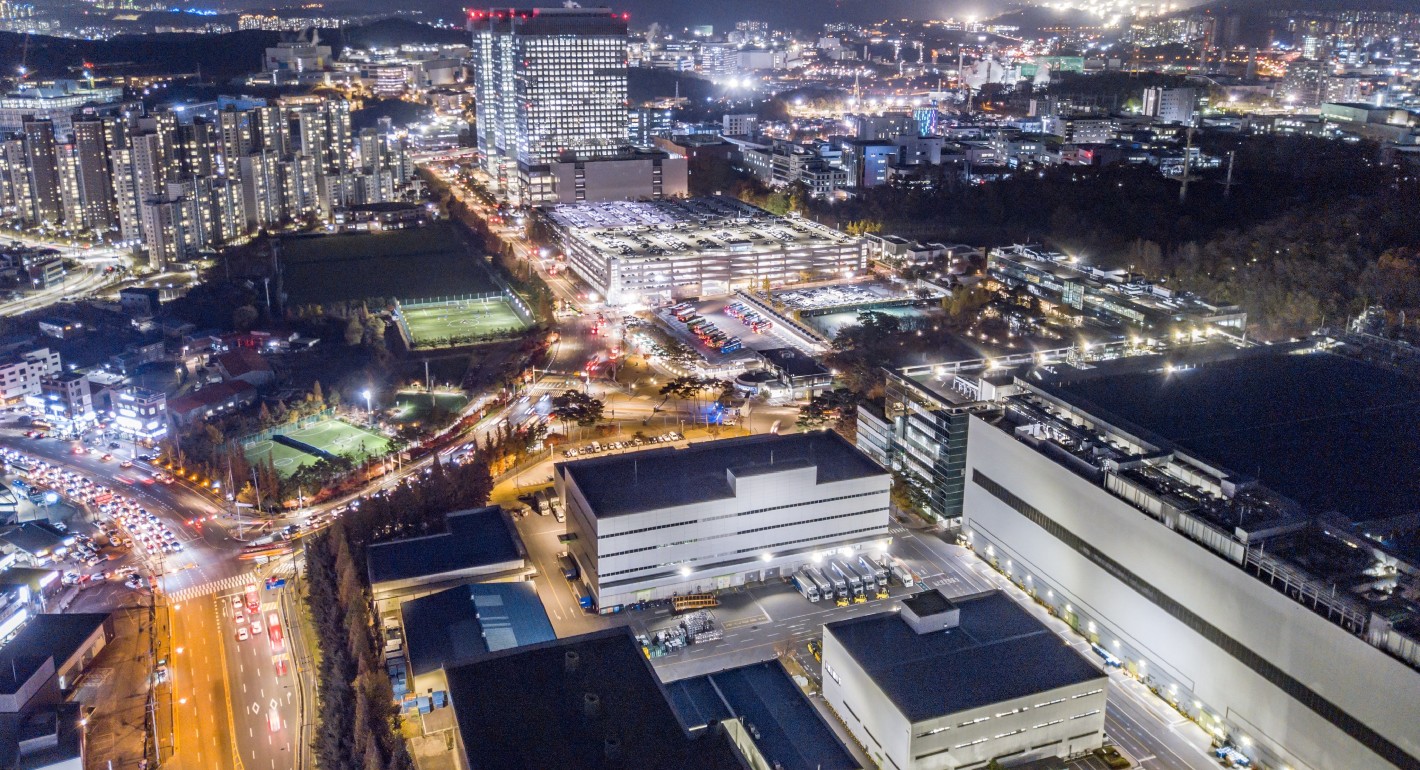
The conflict is exposing the deep energy vulnerabilities of Korea’s chip industry.

Darcie Draudt-Véjares, Tim Sahay
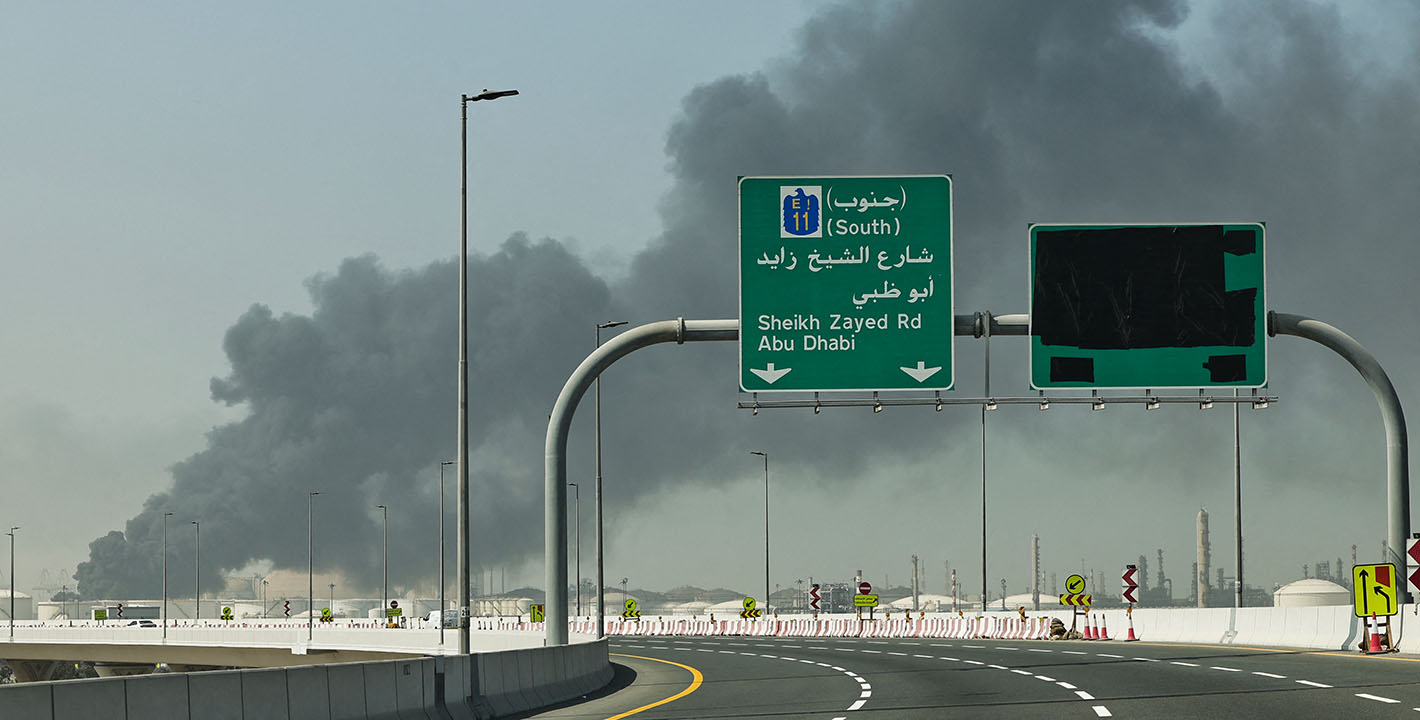
The countries in the region are managing the fallout from Iranian strikes in a paradoxical way.

Angie Omar
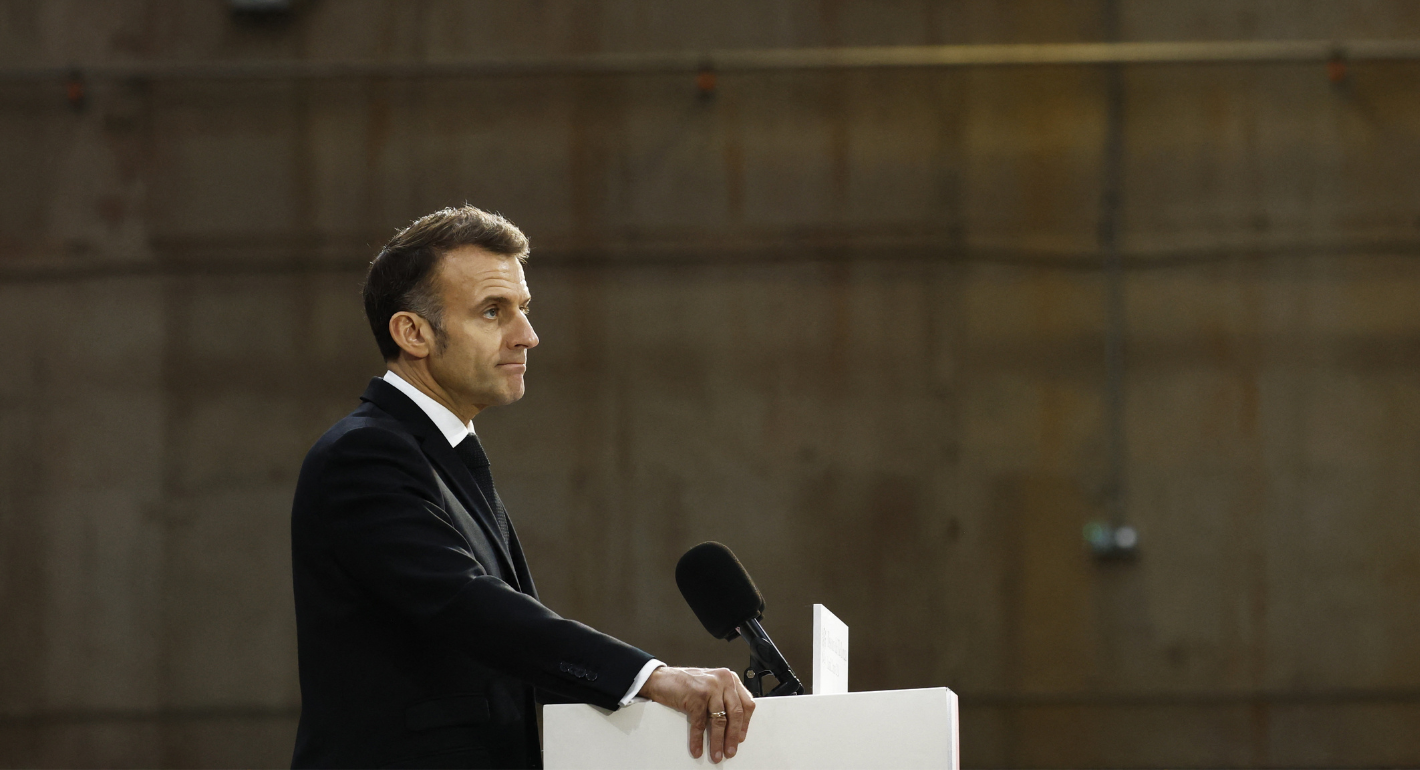
French President Emmanuel Macron has unveiled his country’s new nuclear doctrine. Are the changes he has made enough to reassure France’s European partners in the current geopolitical context?

Rym Momtaz, ed.
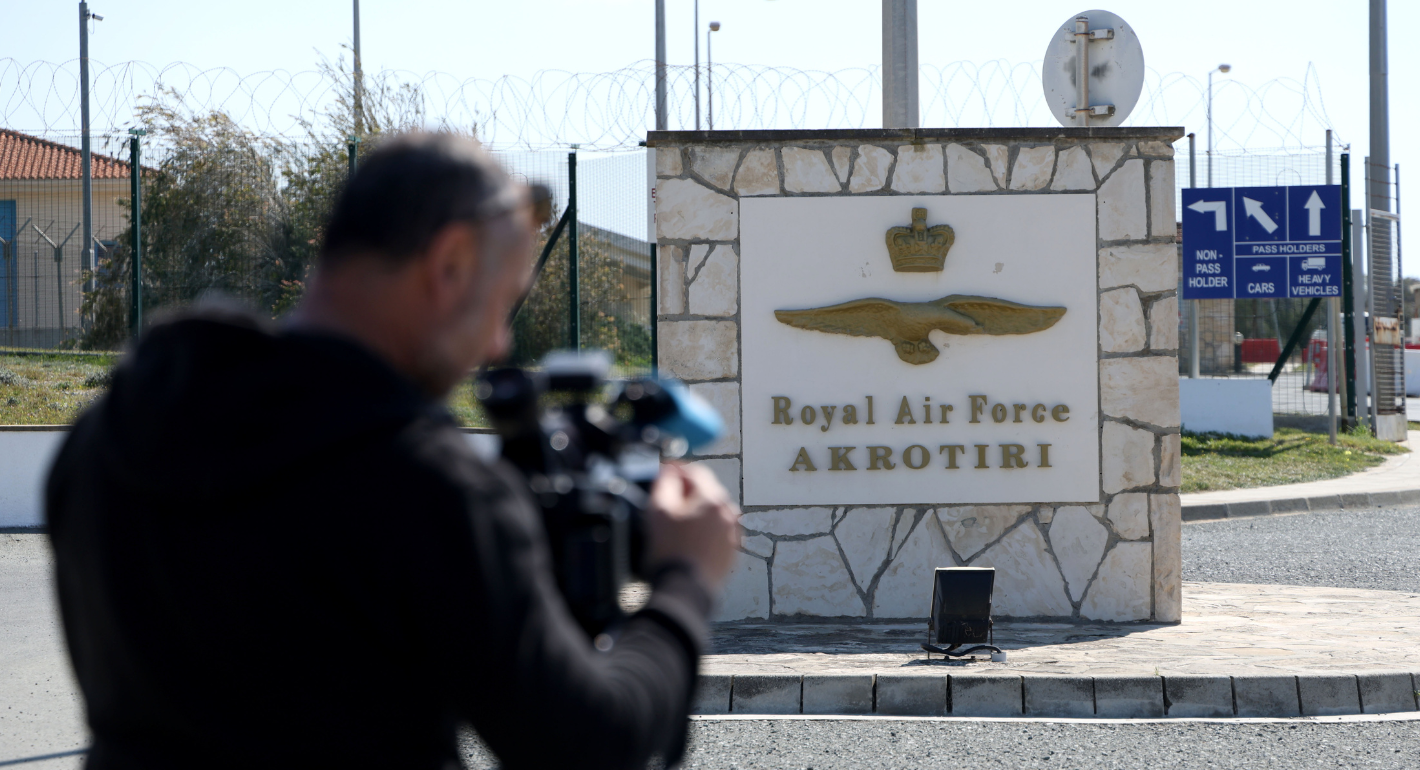
The drone strike on the British air base in Akrotiri brings Europe’s proximity to the conflict in Iran into sharp relief. In the fog of war, old tensions in the Eastern Mediterranean risk being reignited, and regional stakeholders must avoid escalation.

Marc Pierini

In an interview, Hassan Mneimneh discusses the ongoing conflict and the myriad miscalculations characterizing it.

Michael Young