

Article
Thomas Carothers
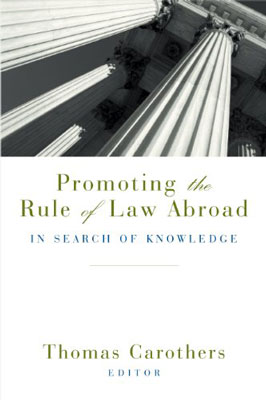
Promoting the rule of law has become a major part of Western efforts to spread democracy and market economics around the world. Although programs to foster the rule of law abroad have mushroomed, well-grounded knowledge about what factors ensure success, and why, remains scarce.
Source: Washington

Contributors
Rachel Kleinfeld (Truman National Security Project), Lisa Bhansali (World Bank), Christina Biebesheimer (World Bank),Wade Channell, Stephen Golub, David Mednicoff (University of Massachusetts, Amherst), Laure-Hélène Piron (Overseas Development Institute), Matthew Spence (Truman National Security Project), Matthew Stephenson (Harvard Law School), and Frank Upham (NYU School of Law).
Thomas Carothers is founder and director of the Democracy and Rule of Law Project at the Carnegie Endowment. He is a leading authority on democracy promotion and democratization worldwide as well as an expert on U.S. foreign policy.
“Once again, as he did with democratization, Thomas Carothers has taken a topic with grand rhetorical appeal that is subject to multiple meanings and brought it down to earth for both scholars and practitioners. This book offers an invaluable cumulation of what is known about promoting the rule of law abroad while raising an essential set of questions to guide further research and practice.”
—Anne-Marie Slaughter, Dean, Woodrow Wilson School of Public and International Affairs
“If you want to understand why promoting the rule of law around the world is both ardently pursued and hotly criticized, read this spirited and sobering book. Carothers's own essays are the gold standard in this field. And he has assembled a group of exceptionally thoughtful practitioners and scholars to explore the entire range of problems confronting international rule-of-law programs. An indispensable work in a field of vital importance.”
—Stephen Holmes, Walter E. Meyer Professor of Law, New York University School of Law
“This volume pays the highest compliment to those who advocate the rule of law as essential for development: it takes their efforts seriously enough to subject them to searching scrutiny. The insightful, accessible analysis it contains will help move rule of law promotion from slogan to reality.”
—Richard Messick, Sr. Public Sector Specialist, The World Bank

Harvey V. Fineberg Chair for Democracy Studies; Senior Fellow, Democracy, Conflict, and Governance Program
Thomas Carothers, a senior fellow in the Carnegie Endowment for International Peace’s Democracy, Conflict, and Governance Program, is a leading expert on comparative democratization and international support for democracy.
Recent Work
Thomas Carothers
Thomas Carothers
Carnegie does not take institutional positions on public policy issues; the views represented herein are those of the author(s) and do not necessarily reflect the views of Carnegie, its staff, or its trustees.

Ex-president Gurbanguly Berdimuhamedov remains interested in politics, but his son Serdar, Turkmenistan’s current president, is becoming increasingly independent and willing to break with his father’s legacy. If their covert rivalry goes too far, both risk losing power.

Galiya Ibragimova

A notable degree of participative democracy has firmly arrived in Europe. But to have more far-reaching impact, democratic deliberation needs to move into a radically new phase.

Richard Youngs
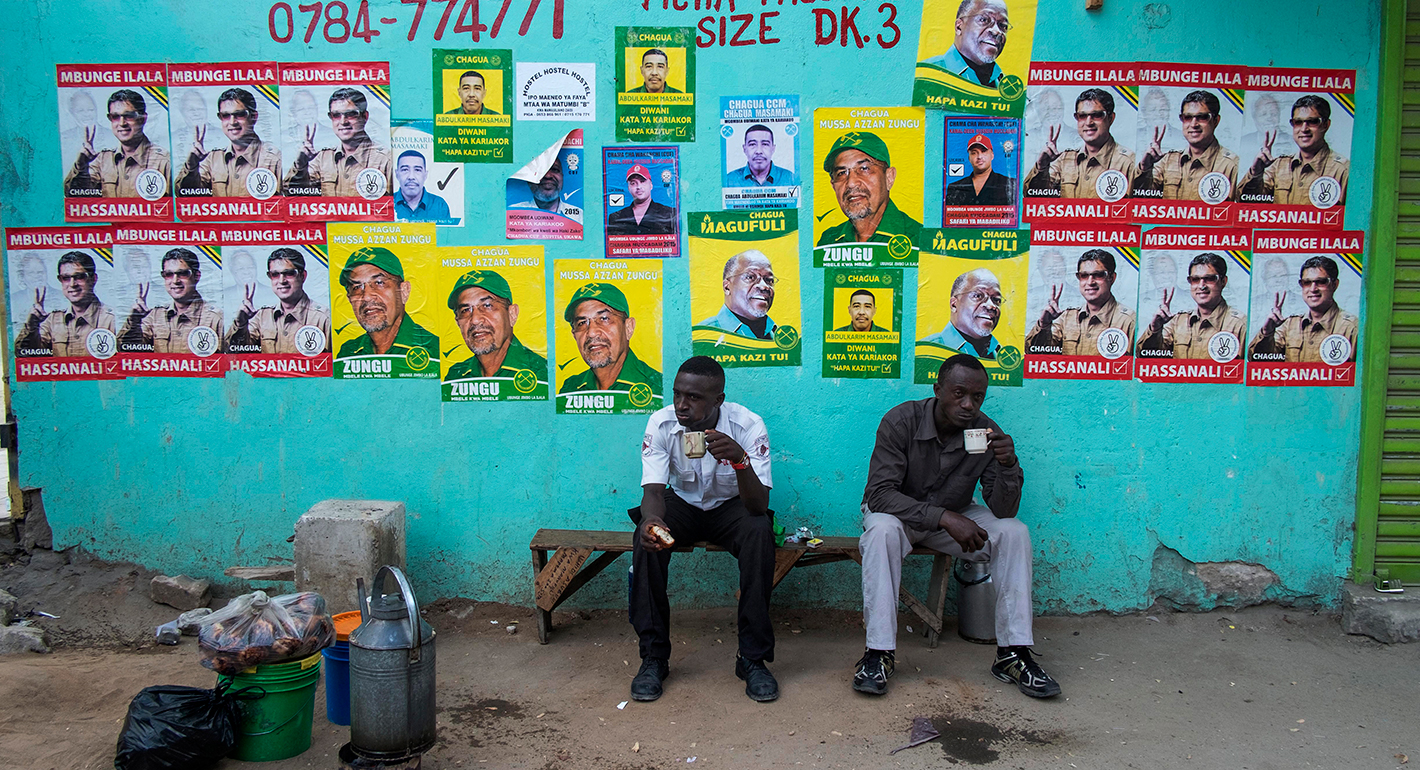
Today’s global democratic recession is partly rooted in a common perception that democracies have a delivery problem, with many citizens in both autocracies and democracies alike now believing that strongmen can achieve better governance outcomes. But a study of four countries in Africa reveals that democratic-leaning governments have demonstrated better governance performance than autocratic governments.


Sarah Yerkes, Natalie Triche, Amr Hamzawy
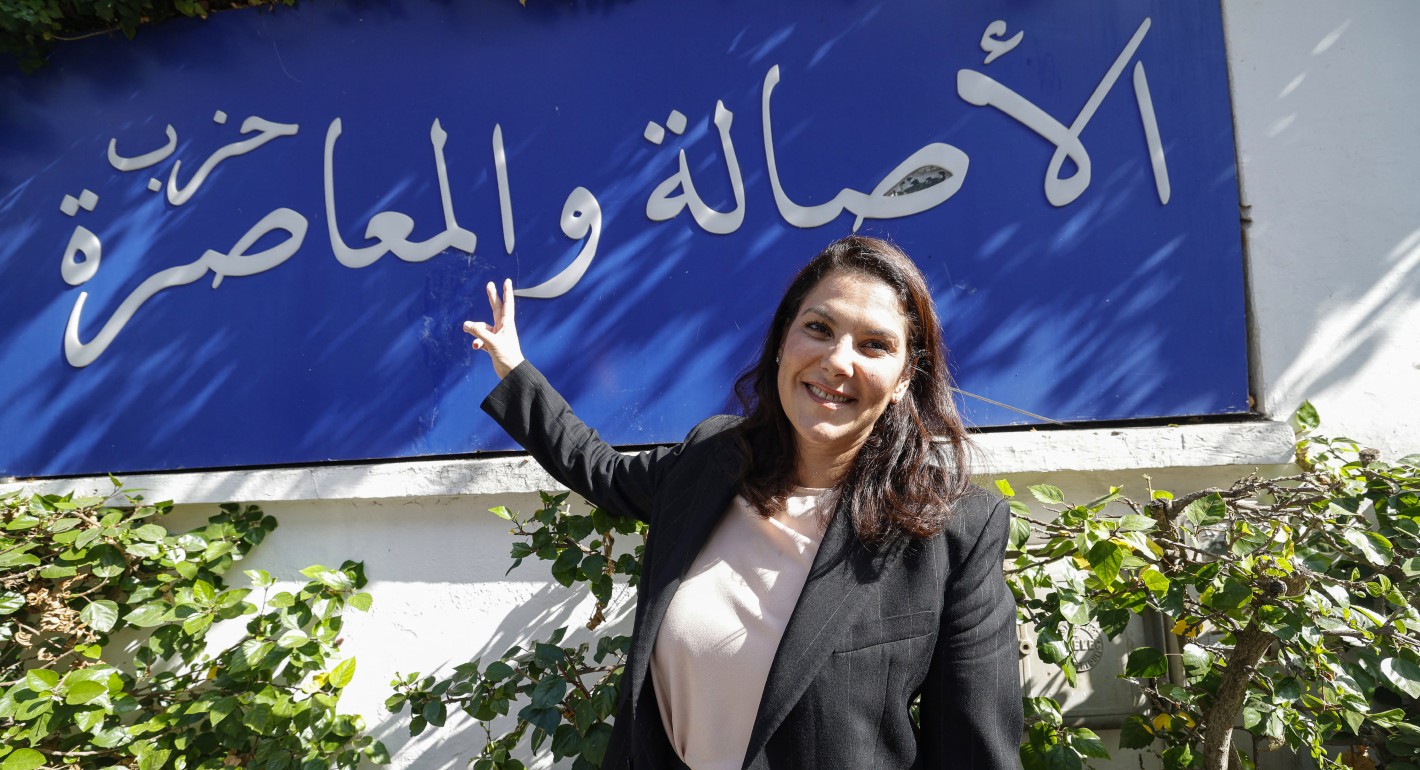
Fatima El Mansouri is the country’s first female prime minister. She’s also a privileged insider in a largely ceremonial position.
Sarah Yerkes

The domestic impacts of how long it is taking to end the war in Ukraine have pushed the French electorate to the political extremes and compromised the country’s diplomatic capacity.

Rym Momtaz