

Commentary
Nikolay Petrov
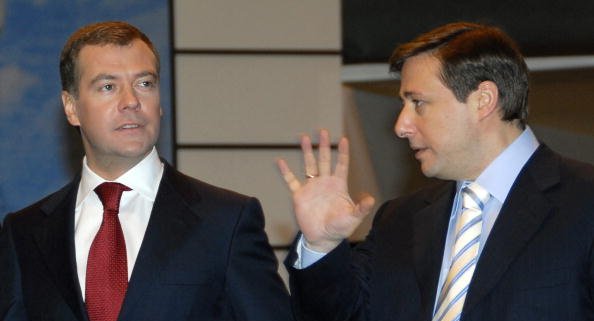
Source: Getty
The appointment of Khloponin as envoy for the new North Caucasus Federal District is an attempt by Moscow to tackle growing instability in the region. But while Khloponin has strong business credentials, he lacks experience in federal governance.
On January 19, 2010, Dmitry Medvedev announced the creation of the new North Caucasus Federal District and appointed Krasnoyarsk governor Alexander Khloponin to be his envoy there. Carnegie Moscow Center expert Nikolay Petrov comments on the decision:
“Alexander Khloponin is the sixth Center’s vicegerent in the Caucasus republics and the first plenipotentiary presidential envoy in Dmitry Medvedev’s newly established North Caucasus Federal District. What is new in this appointment that by combining the posts of presidential envoy and deputy prime minister, Khloponin officially represents the ruling tandem and not just the president.
“This is Moscow’s second attempt to really tackle the problems in the region, where instability has significantly increased of late. The first attempt, which was relatively successful, was Dmitry Kozak’s appointment immediately following the hostage drama in Beslan, but Kozak was recalled to Moscow in 2007.
“The appointment of Khloponin, the young and successful governor of Krasnoyarsk region, who enlarged the region and launched the first big public-private Lower Angara investment project, shows that the choice has been made in favor of the business model of coordinating interests rather than the model of using force to push through change. Khloponin has to his credit his years in business in Interros and Norilsk Nickel, and his extensive contacts among the businessmen and the people in government responsible for financial and economic issues. His disadvantages are that he is unfamiliar with the Caucasus, his image is not sufficiently ‘tough’ for the region, and he lacks experience at federal government level and personal ties with the law enforcement and security forces. This makes Khloponin more efficient in conditions of peace and in situations, where it is possible to plan an orderly strategy.”
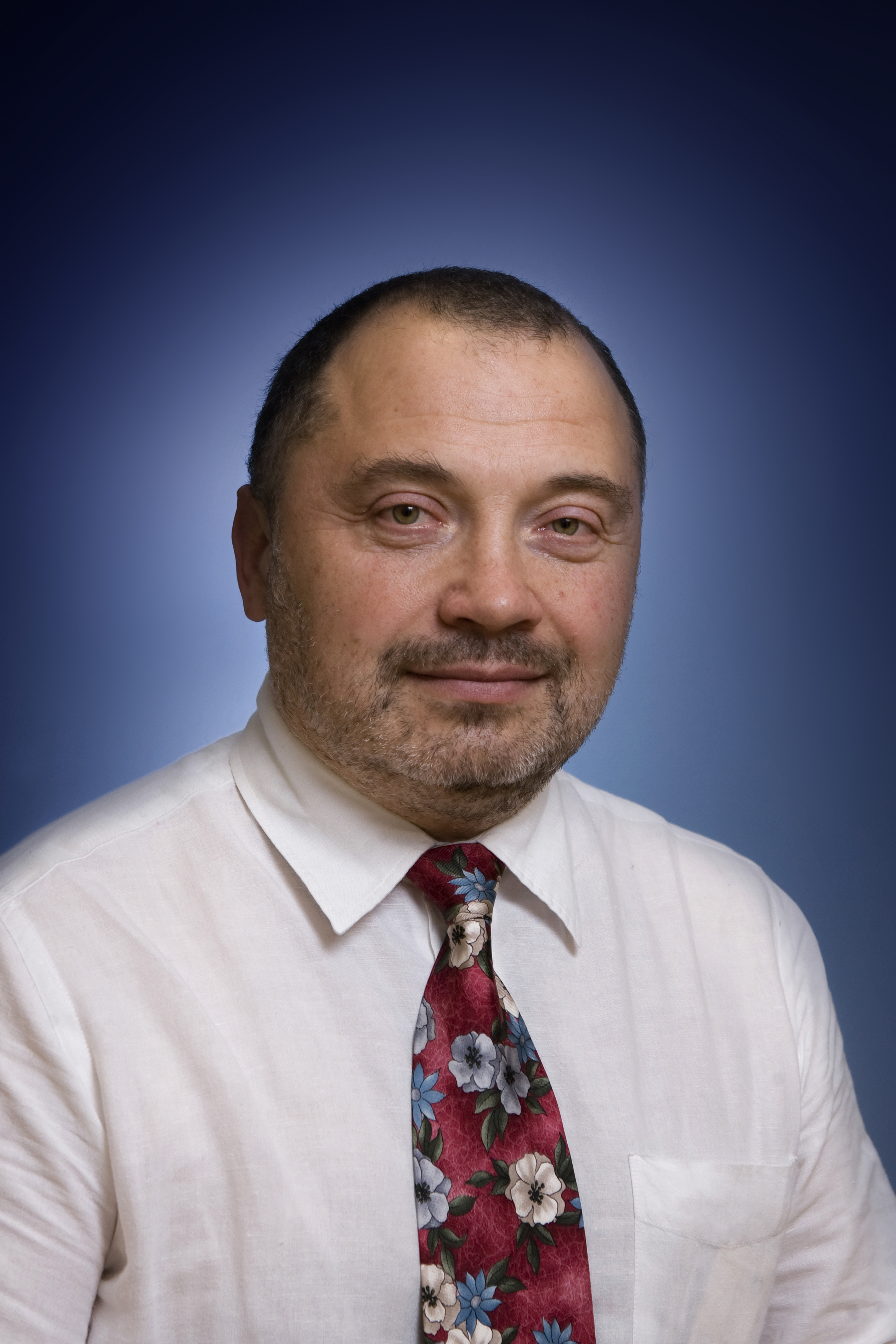
Former Scholar-in-Residence, Society and Regions Program, Moscow Center
Nikolay Petrov was the chair of the Carnegie Moscow Center’s Society and Regions Program. Until 2006, he also worked at the Institute of Geography at the Russian Academy of Sciences, where he started to work in 1982.
Recent Work
Nikolay Petrov
Nikolay Petrov
Carnegie does not take institutional positions on public policy issues; the views represented herein are those of the author(s) and do not necessarily reflect the views of Carnegie, its staff, or its trustees.