

Commentary
Despite public disputes over trade and immigration, the strategic partnership’s foundations remain sturdy.
Sameer Lalwani
Source: Getty
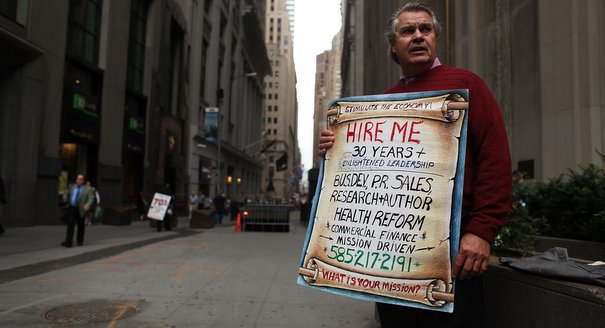
While the economic crisis has caused widespread economic suffering, it appears that democracies, even struggling ones, are demonstrating more resilience to the crisis than many predicted.
When the global economic crisis erupted in late 2008, many observers expressed concern that it would undermine global democracy. The Economist Intelligence Unit, for example, warned that the recession could turn the “recent halt in democratization…into a retreat.” And Larry Diamond wrote concerning democracy that “thanks to the global economic crisis … things may get worse before it gets better.” Now that a year has passed, what does the record show? Although the economic crisis has certainly caused widespread economic suffering, it appears that democracies, even struggling ones, are demonstrating more resilience to the crisis than many predicted.
Democracies certainly did not avoid political consequences of the economic downturn. Frustrated citizens voted out incumbents in more than 35 percent of the elections in 2009, including long-term ruling parties in Iceland, Japan, and El Salvador. Although it is difficult to prove definitively, it is likely that the crisis greatly contributed to popular discontent with incumbents. Moreover, some countries experienced severe political crises caused at least in part because of the global recession. In Latvia, massive street protests over the government’s handling of the downturn forced the prime minister and several other government officials to resign. Greece’s acute fiscal challenges have resulted in widespread public anger and distrust of the government. Yet even in the nations hardest hit by the crisis, democratic institutions have demonstrated resilience. Anger has largely been channeled to the ballot box. When it has spilled into the streets, it has stayed within certain limits.
Democracy did suffer reversals in several places in 2009. In Honduras, accumulated tensions reflecting a deep polarization over basic political visions between the executive and other parts of the political establishment resulted in a coup against President Manuel Zelaya. Similarly, in Madagascar, the legally-elected president was unconstitutionally ousted by a political rival who had gained the support of the army. And in Niger, President Tandja dissolved the National Assembly and announced the assumption of emergency powers in what was widely suspected to be an attempt to illegally extend his rule. The economic crisis did not, however, appear to play a direct or significant role in these political disputes, which instead were rooted in ideological or personalistic frictions.
Why were democracies largely able to weather the storms of the global recession? The most important factor explaining democratic resilience is the inherent nature of democracies themselves. Despite their many imperfections, democratic systems provide citizens at least some ability to express frustration peacefully through open debate and elections. This increases the likelihood that citizens may continue to accept the political system as legitimate even when the economic performance of the country suffers. Autocratic systems, on the other hand, may be more vulnerable to recessions, at least when they have traditionally relied either on successful economic performance or subsidies to the poor for legitimacy. When economic contraction occurs, popular support for the regime can quickly fade. Without the release valve of democratic institutions, autocracies are forced to quell unrest with increasingly heavy-handed tactics, often making the survival of the regime ever more precarious.
Yet like democracies, few autocracies have shown signs of systemic vulnerability as a result of the current economic crisis. Iran has certainly experienced significant internal unrest, but it appears to be more a result of electoral fraud and existing social tensions concerning the nature of the Islamic Republic than because of the economic contraction, although economic factors may have contributed to the impact. Tightening the screws on what political space does exist, and employing other heightened methods of control, seems to be working so far for most autocracies.
The political stability of all types of political systems is somewhat surprising given the high degree of social upheaval that occurred in the wake of the Great Depression in the 1930s. However, a number of factors suggest why this crisis has been less politically disruptive than its predecessor. First, the crisis turned out to be less severe than predicted. Partly due to swift and decisive government action in many nations, the worst potential outcomes of the crisis were averted. It is possible that a more sustained and substantial global economic recession would have overwhelmed the ability of many weak nations to contain social unrest. Second, concerns that the discrediting of U.S-style capitalism would lead to a guilt-by-association discrediting of democracy have proven unfounded. Indeed, despite early bluster, alternatives to capitalism have not gained much traction. Many countries are trying to strengthen their regulatory systems, but are not throwing out capitalism altogether. Third, many governments, including fragile democracies, may have avoided some of the blame for the consequences of the crisis because of its clear origin in the U.S. financial markets. With such a useful bogeyman, weak governments could more ably dampen populist ire.
Ultimately, it may be that one year is too early to accurately measure the full effect of the economic crisis on global democracy. Many of the consequences of the crisis may take longer to surface or are less immediately evident. Economic inequality and government corruption tend to increase during recessions and both weaken the quality of and popular support for democracy. The increased popular dissatisfaction with democracy in Eastern Europe is an example of long-term trouble the recession may exacerbate. In Ukraine, Hungary, and Bulgaria, for example, only 21 percent of the population is satisfied with the way democracy is working in their country, with more than 70 percent in each country naming corruption as a significant problem.
Despite such challenges, global democracy has been less damaged than many would have predicted a year ago. Many fragile democracies will continue to struggle to provide the economic growth and opportunity that citizens desire, but this period of severe economic dislocation and suffering has not, so far at least, produced a negative political tide.
Zachary Davis

Harvey V. Fineberg Chair for Democracy Studies; Senior Fellow, Democracy, Conflict, and Governance Program
Thomas Carothers, a senior fellow in the Carnegie Endowment for International Peace’s Democracy, Conflict, and Governance Program, is a leading expert on comparative democratization and international support for democracy.
Carnegie does not take institutional positions on public policy issues; the views represented herein are those of the author(s) and do not necessarily reflect the views of Carnegie, its staff, or its trustees.
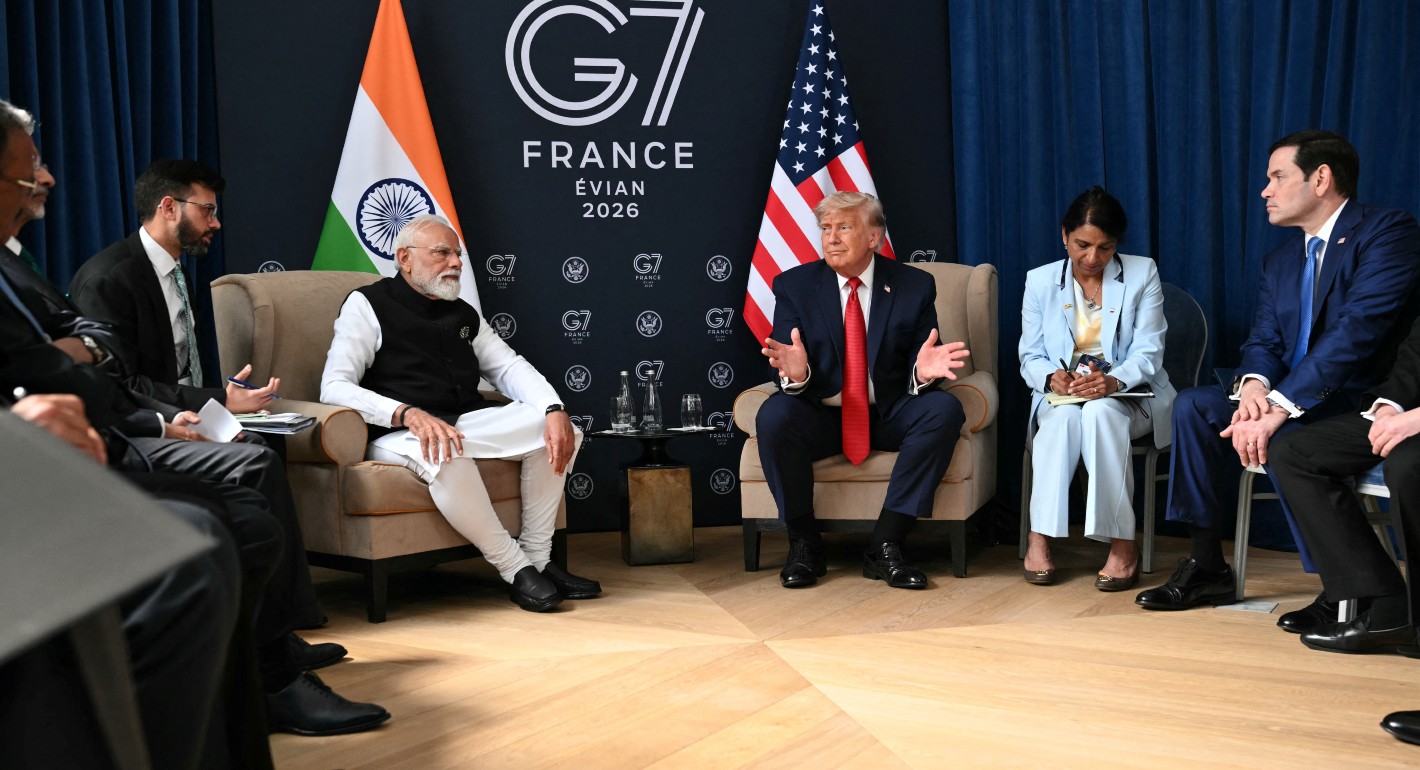
Despite public disputes over trade and immigration, the strategic partnership’s foundations remain sturdy.

Sameer Lalwani
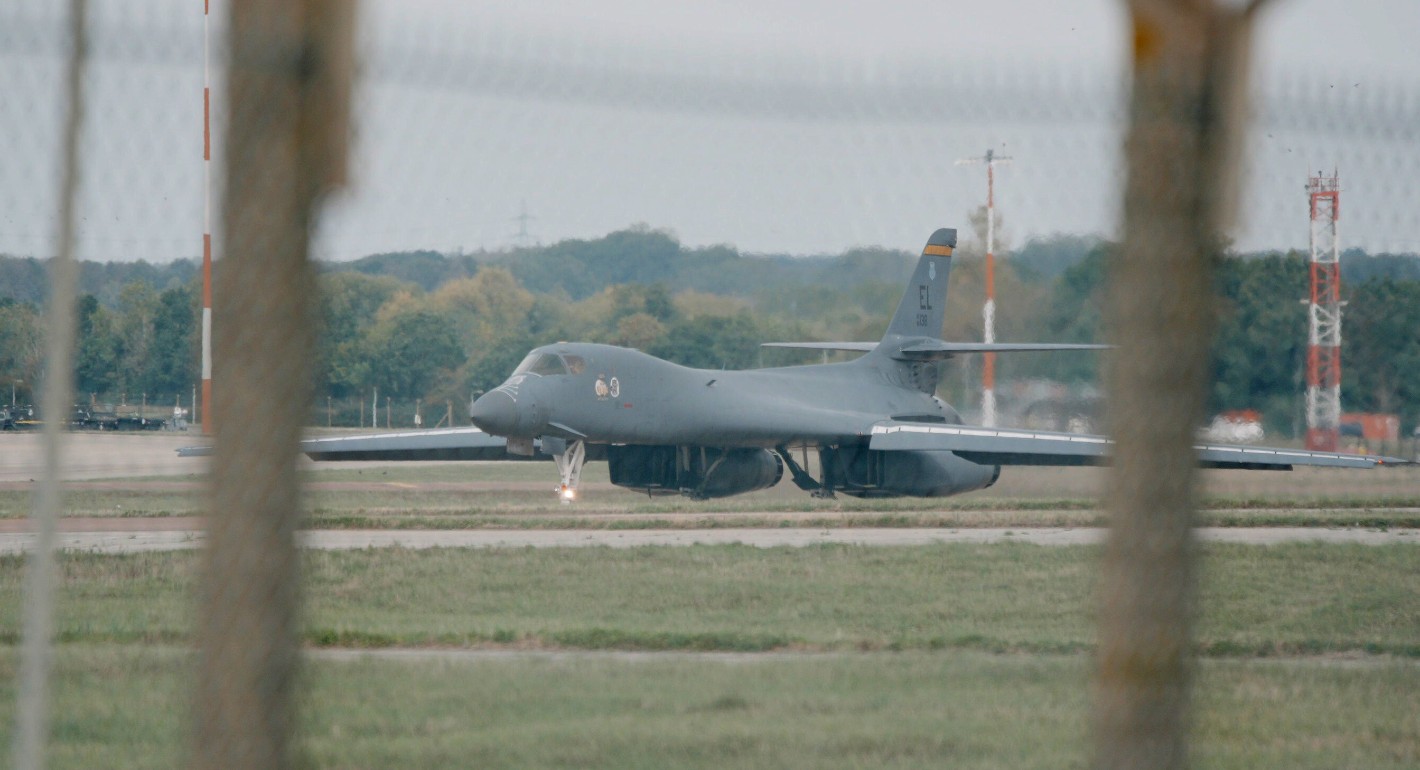
It signals a new era of tech diffusion and warfare.

Steve Feldstein

With its public finances in shambles, the far right polling at 35 percent ahead of the 2027 presidential election, and a growing protest movement, is France’s crisis a threat to the EU’s geopolitical awakening?

Rym Momtaz, ed.

Putin’s conservative staffing policies and search for ever greater control have cemented parliament’s transformation into a bureaucratic appendage of the executive branch.

Andrey Pertsev

Ahead of a tough winter for Ukraine, Donald Trump’s swing back toward Russia bodes ill. But instead of panicking, Kyiv’s European allies are focusing on action.
Rym Momtaz