

Commentary
Nathalie Tocci, Jan Techau
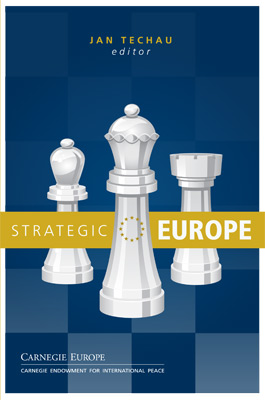
The obvious and often painful mismatch between aspiration and reality in European foreign policy has plagued discourse on European integration during the last decade.
The obvious and often painful mismatch between aspiration and reality in European foreign policy has plagued discourse on European integration during the last decade. Today, the simple truth is that the Lisbon institutions have brought more ambiguity than clarity about Europe’s capacity and role in the world.
In the fall of 2011, Carnegie Europe asked a select group of policymakers, diplomats, academics, think tank experts, and journalists to contribute concise and timely interpretations about what a truly strategic Europe would look like.
The resulting volume looks to reinvigorate the debate about Europe’s global impact with new perspectives, fresh impulses, and thought-provoking ideas on how Europe can better position itself as a strategic player on the world stage.

Director, Europe Team, Eurasia Group
Techau is director with Eurasia Group's Europe team, covering Germany and European security from Berlin. Previously, he was director of Carnegie Europe.
Recent Work

Nathalie Tocci, Jan Techau
Jan Techau
Carnegie does not take institutional positions on public policy issues; the views represented herein are those of the author(s) and do not necessarily reflect the views of Carnegie, its staff, or its trustees.
Why governance of rapidly evolving technology will be distributed and complex.


Stewart Patrick, Scott Singer
It should address the shortcomings of previous crisis communication efforts and adapt to the demands of frontier AI.

Lucy Luo

If the Russian-speaking community in Latvia cannot articulate their interests without being seen as disloyal, they could end up embracing a pro-Kremlin agenda.

Sergejs Potapkins
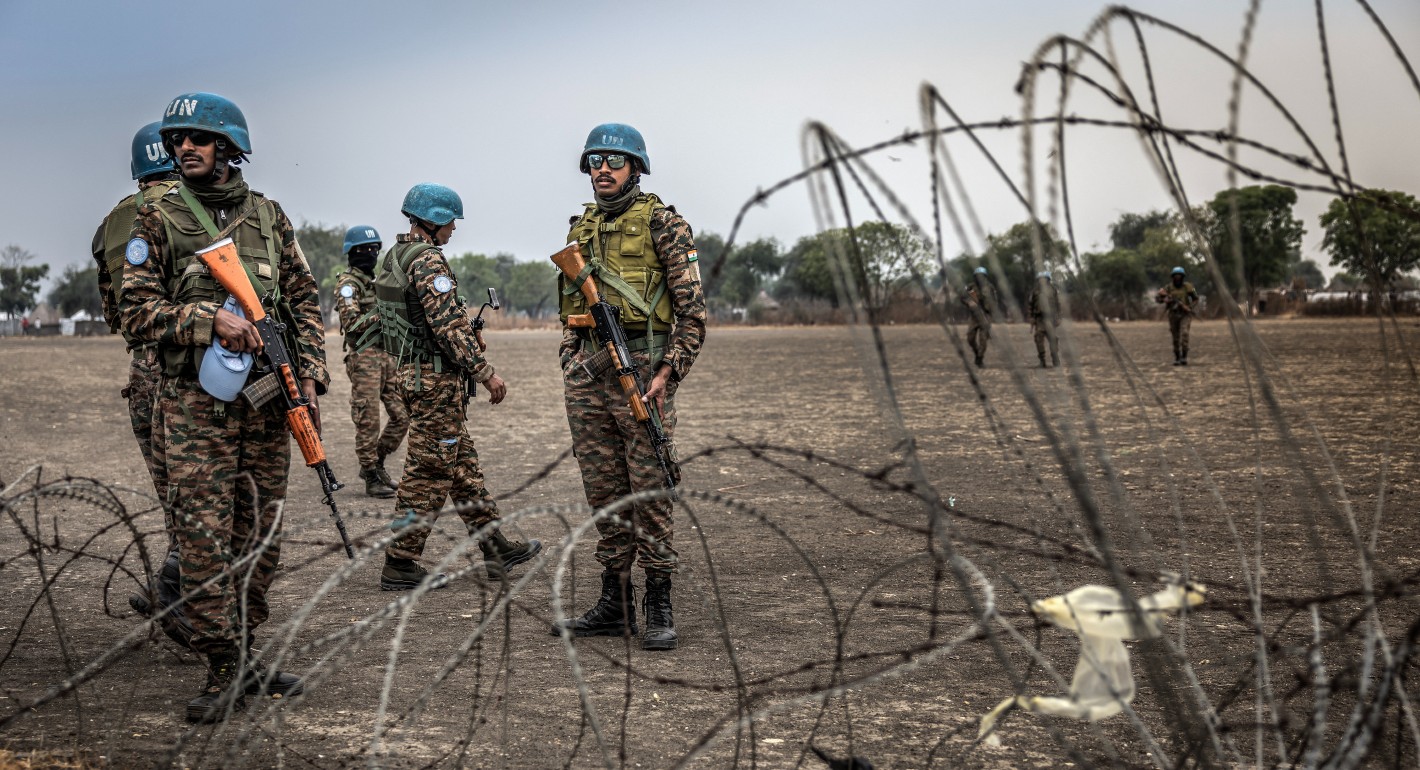
Washington’s decision to support some UN functions while letting others wither is pulling the organization apart at the seams.
Stewart Patrick, Theodore Zaritsky

Are Germany’s economic, industrial, and political struggles becoming a liability for the EU’s ability to rise to the geopolitical moment?

Rym Momtaz, ed.