

Commentary
Scholars from eight Southeast Asian countries provide their takes on the impact of China’s Belt and Road Initiative in their countries for the past decade.
- +5
Pongphisoot (Paul) Busbarat, Alvin Camba, Fadhila Inas Pratiwi, …

Source: Getty
China must redefine key facets of its traditional culture in order to have an effective soft power strategy and greater global influence.
Today, a country’s strength is judged not only by its hard power, which includes material strengths like its economy and military, but also by its soft power, which encompasses the country’s cultural values and systems. In the twentieth century, the United States rose to the status of global superpower and remains the world’s only superpower today. This development is closely tied to its abundance of hard power and well-rounded soft power strategy.
Since the 1980s, China has seen its economy and other material strengths develop rapidly. Now, China is a major economic power. However, China needs to redefine its values so that Chinese culture can flourish and spread throughout the world.
One key value in Chinese culture is harmony. The traditional Chinese concept of harmony is embodied in the classics of the pre-Qin period (200 BC–221 BC), such as The Book of Changes (Yi Jing, 《易经》), The Yellow Emperor’s Inner Classic (Huangdi Neijing, 《黄帝内经》), and Tao Te Ching (Dao De Jing, 《道德经》), as well as Confucian classics like The Analects of Confucius (Lun Yu, 《论语》), The Book of Mencius (Mengzi, 《孟子》), and The Book of Rites (Li Ji, 《礼记》).The traditional Chinese concept of harmony, along with its ideological system, includes both a worldview and a methodology, such as the Tai Chi philosophy and yin-yang dialectic. It also includes a comprehensive value system that advocates maintaining harmony between man and nature, between man and society, between human beings, and between body and mind. It pursues a harmonious state and realm.
In English, harmony means the achievement of accord or agreement without conflict or fighting. I do not think this precisely reflects the meaning of its Chinese equivalent, hexie (和谐). Hexie means a state in which things coordinate with each other appropriately and are well-balanced. For instance, tones arranged appropriately form beautiful music and appropriate seasonings put in a dish make it delicious. Therefore, the exact English word for hexie should be “appropriate,” which could be understood as “reasonable,” “proper,” or “just right.”
This interpretation of harmony does not deny the occurrence of conflict or fighting. When there is a conflict, the cultural value of harmony implies that the conflict should be resolved in a reasonable and appropriate way. When a fight is necessary, harmony dictates that fighting should also be conducted in a reasonable and appropriate way. Therefore, harmony does not mean agreement without conflict but rather maintaining coordination and balance even though diversity and disagreement exist.
Mainstream Chinese cultural values are very different from those of the West. For instance, mainstream Western values emphasize freedom while Chinese values emphasize harmony. For Chinese, however, harmony encompasses freedom, as harmony is a sufficient condition for freedom.
Mainstream Western cultural values stress democracy and use multiparty competition and parliamentary elections as the standard by which to judge whether a country is democratic. Chinese values stress democracy, too, but in Chinese culture, democracy is rooted in the interests of the overwhelming majority of the people and reflected in the way people consider improving their livelihood to be their own responsibility.
Western values also emphasize human rights and equality, while Chinese values emphasize benevolence, righteousness, integrity, inclusiveness, and virtues. Western culture highlights the struggle for success, while Chinese culture underscores self-discipline and social commitment (ziqiang buxi, houde zaiwu, 自强不息,厚德载物). Chinese culture attaches importance to self-cultivation, family bonds, and friendship. All of these Chinese values play an important role in mediating human relations and easing social conflict.
The redefinition of China’s core values system should be guided by the principles of Marxism, including freedom, liberation, and development. It should absorb and further develop the essence of traditional Chinese cultural values while integrating Western values like freedom, democracy, human rights, the rule of law, justice, and equality.
Whether China, an up-and-coming world superpower, can take the moral high ground and develop an advanced modern values system is vital to the development of its soft power. Hexie, benevolence, righteousness, integrity, inclusiveness, self-improvement, and virtues emphasized in traditional Chinese cultural values will provide powerful tools that can be used to contend with the politics of larger powers and contribute to world peace.
This article was published as part of the Window into China series

Zhang Lihua
Former Resident Scholar, Carnegie-Tsinghua Center for Global Policy
Zhang Lihua was a resident scholar at the Carnegie-Tsinghua Center until June 2020.
Carnegie does not take institutional positions on public policy issues; the views represented herein are those of the author(s) and do not necessarily reflect the views of Carnegie, its staff, or its trustees.
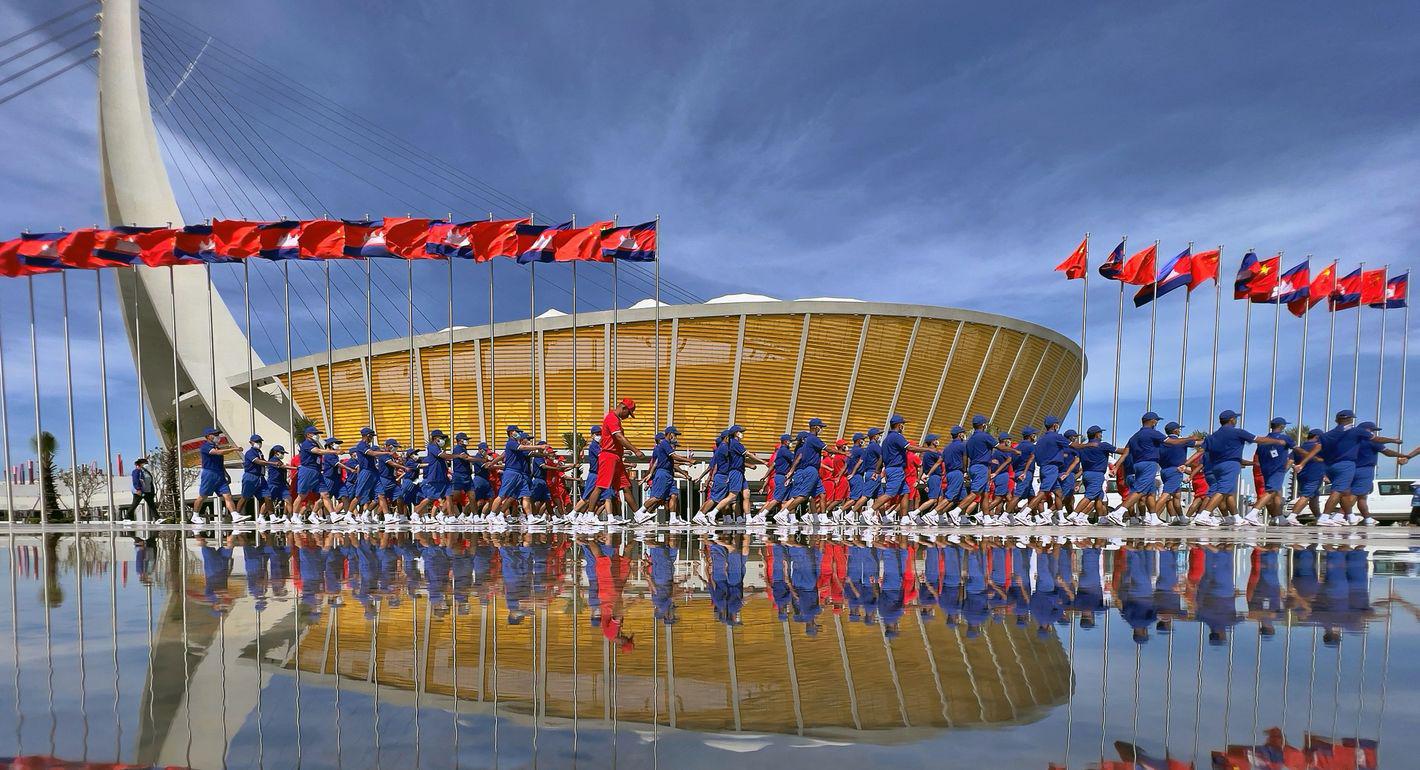
Scholars from eight Southeast Asian countries provide their takes on the impact of China’s Belt and Road Initiative in their countries for the past decade.


Pongphisoot (Paul) Busbarat, Alvin Camba, Fadhila Inas Pratiwi, …
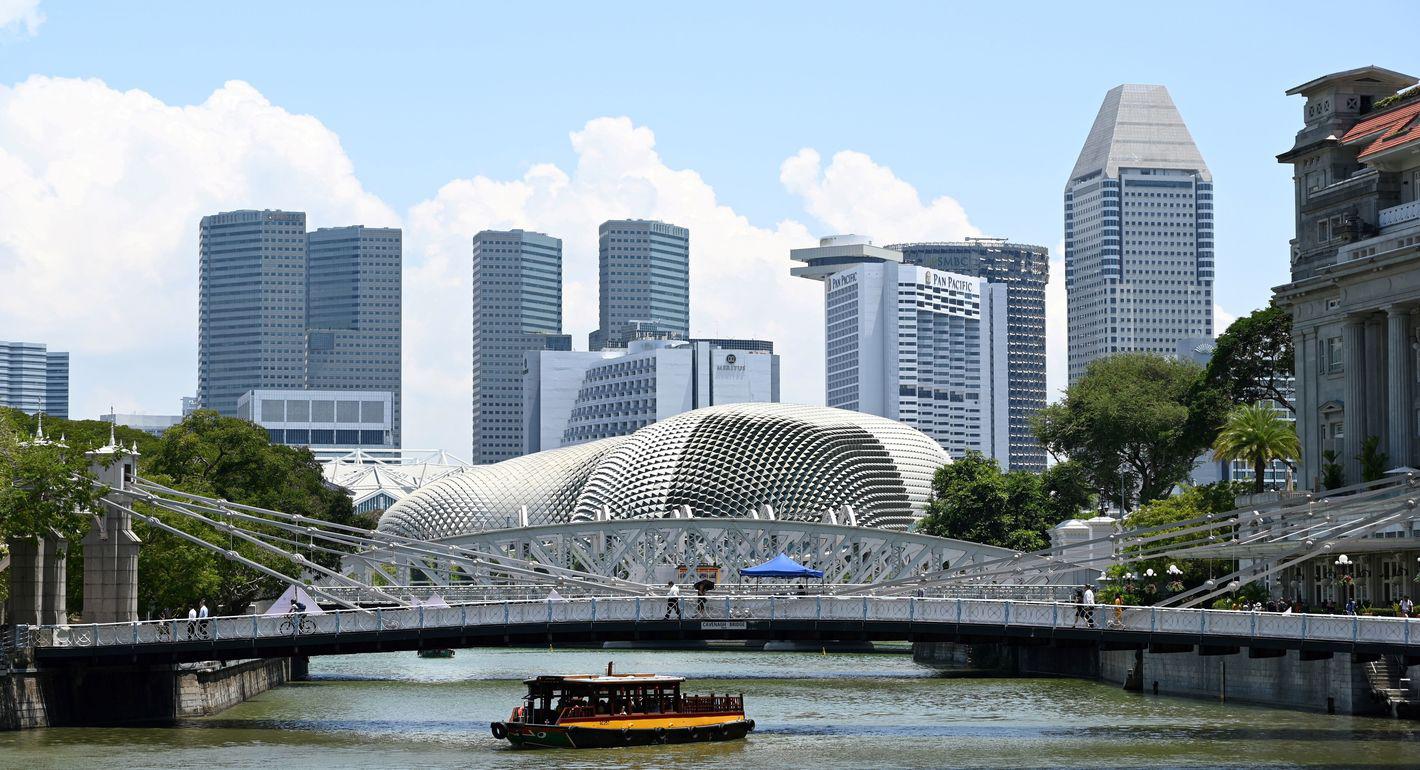
As the world undergoes a new round of fragmentation and major power rivalry that includes the advancing of divergent visions of global order, Singapore is discovering that its interests are increasingly being pulled in different directions.

Chong Ja Ian
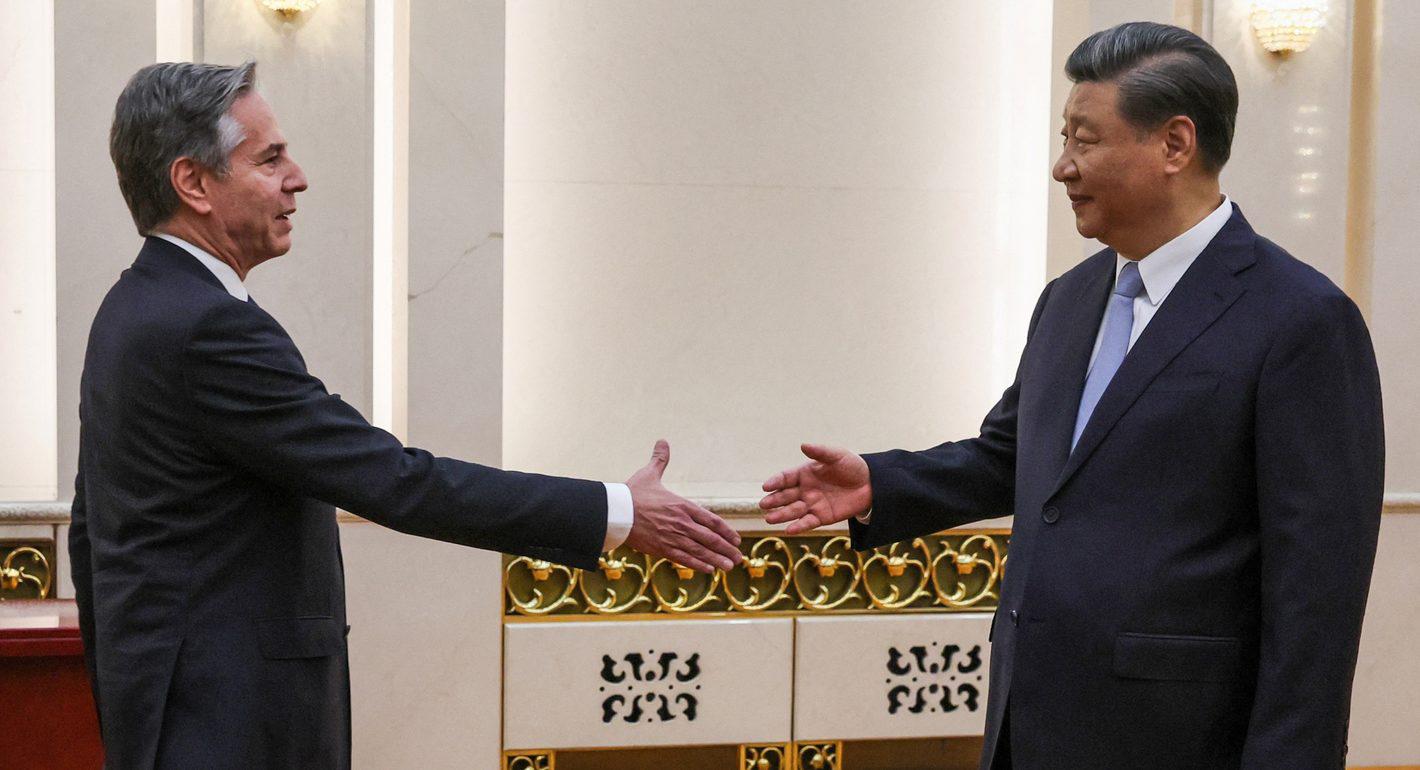
A fragile reconnection in U.S.-China diplomacy presents an opportunity to begin to set the terms of strategic competition.


Paul Haenle, Evan S. Medeiros, Chong Ja Ian, …
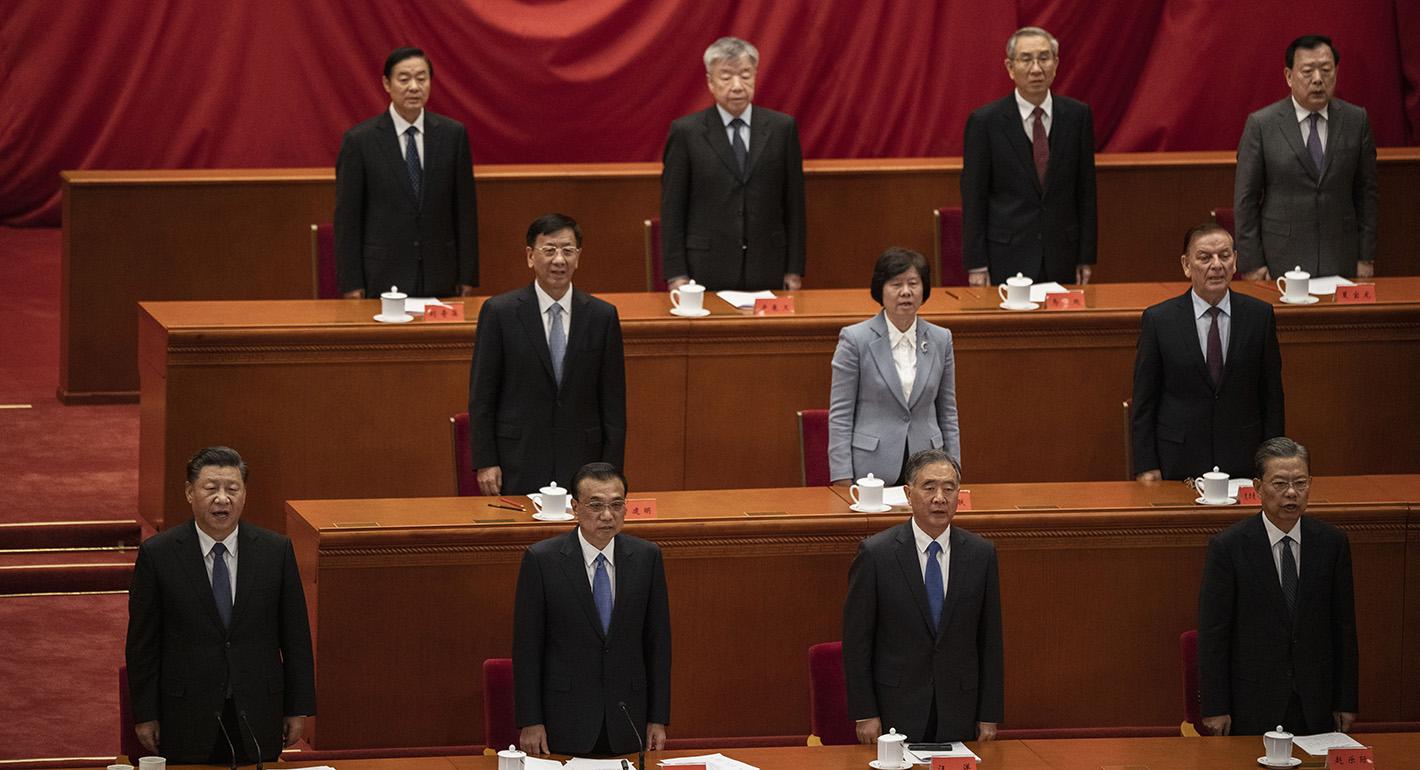
This article distills several potential principles for Beijing to adopt in its competition with the United States, including two each in the following three areas: Marxism, traditional Chinese culture, and China’s historical experiences since 1949.
Jie Dalei
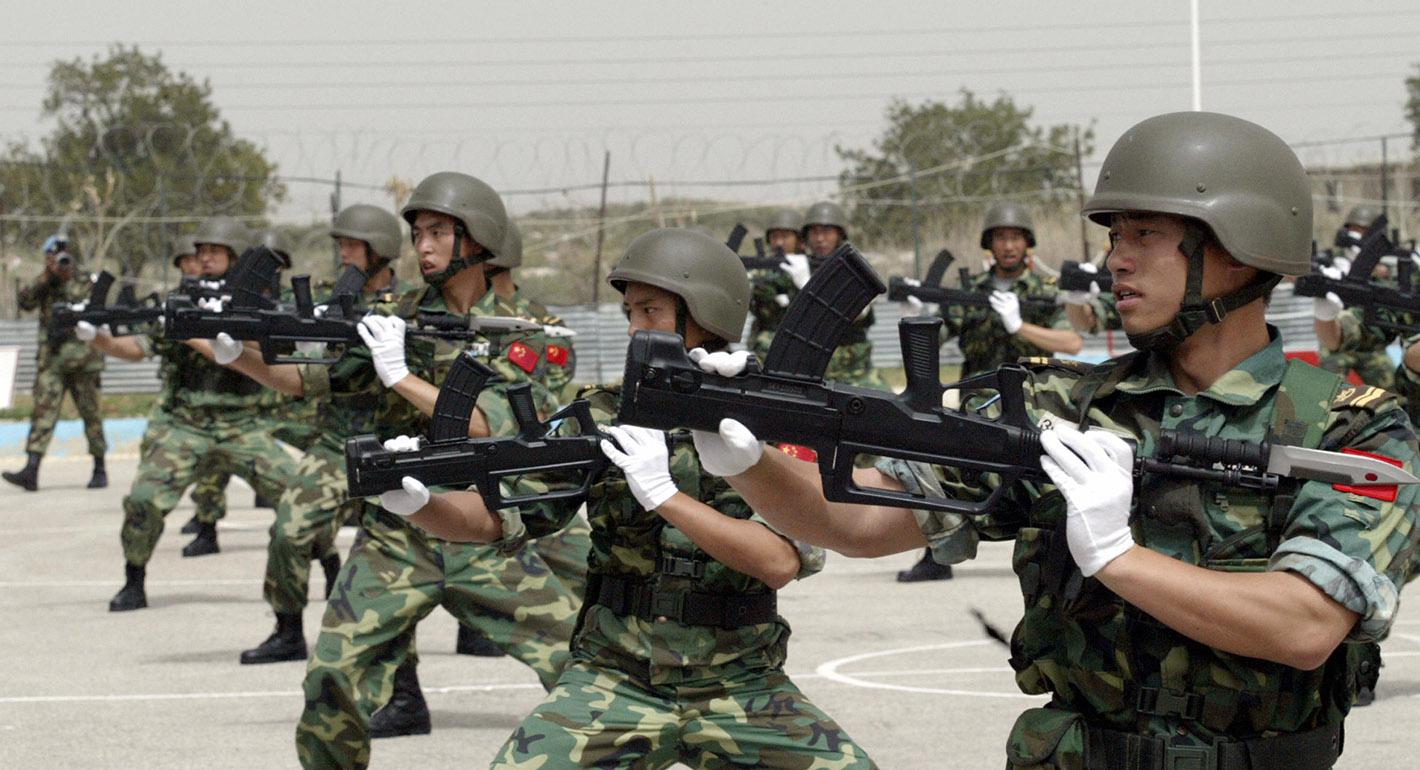
As China’s engagement with African countries has grown over the past several years, Beijing is increasingly turning to security contractors to protect its Belt and Road Initiative projects, citizens, and diplomats.
Paul Nantulya