

Commentary
The countries in the region are managing the fallout from Iranian strikes in a paradoxical way.
Angie Omar
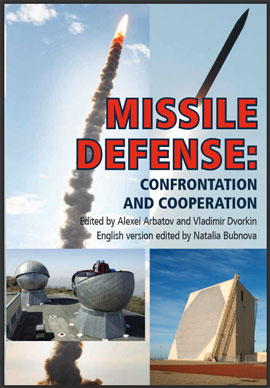
Although the U.S.-Russian recent attempts to agree to a joint missile defense system have failed, the imperatives for such collaboration are increasing. Over the coming decade, the two countries should take steps to integrate missile defense systems into the regimes of nuclear disarmament, nonproliferation, and mutual security.
Source: Carnegie Moscow Center
Missile Defense: Confrontation and Cooperation, a collective study edited by Alexei Arbatov and Vladimir Dvorkin (English version edited by Natalia Bubnova), has been written by leading Russian and foreign experts in the field of missile defense. In examining this complex issue, the authors address its historical evolution and its military technical, strategic, political, and legal aspects.In the last fifty years, the United States and Russia have significantly surpassed the rest of the world in the development of ballistic missile defense (BMD) systems. Although the two countries’ recent attempts to agree to a joint missile defense system have failed, the imperatives for such collaboration are increasing. Over the coming decade, Russia and the United States should take steps to integrate missile defense systems into the regimes of nuclear disarmament, nonproliferation, and mutual security.

Alexey Arbatov
Alexey Arbatov is the head of the Center for International Security at the Primakov National Research Institute of World Economy and International Relations.
Vladimir Dvorkin
Major General Dvorkin (retired) is a chief researcher at the Center for International Security at the Institute of World Economy and International Relations.

Natalia Bubnova
Former Head of Content Production, Moscow Center
Natalia Bubnova was head of content production at the Carnegie Moscow Center. She previously served as deputy director for communications at the Carnegie Moscow Center.
Carnegie does not take institutional positions on public policy issues; the views represented herein are those of the author(s) and do not necessarily reflect the views of Carnegie, its staff, or its trustees.
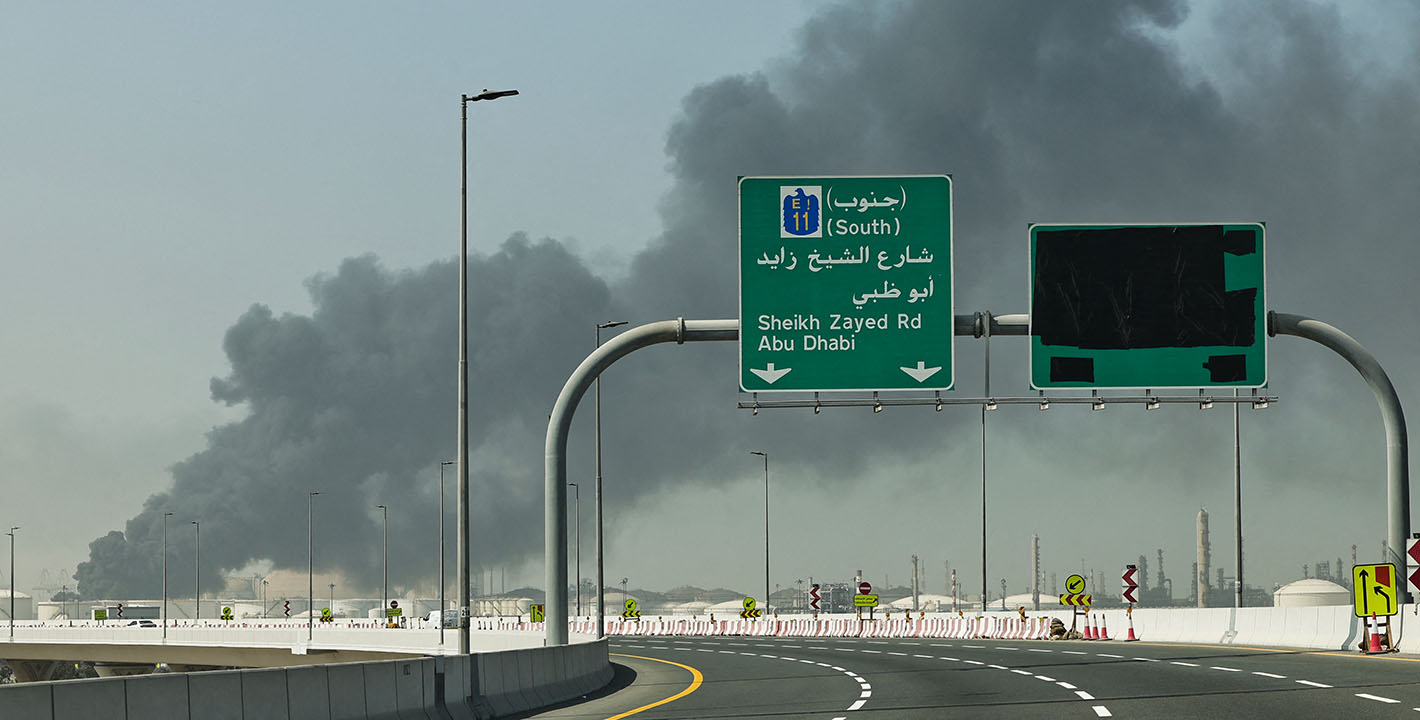
The countries in the region are managing the fallout from Iranian strikes in a paradoxical way.

Angie Omar
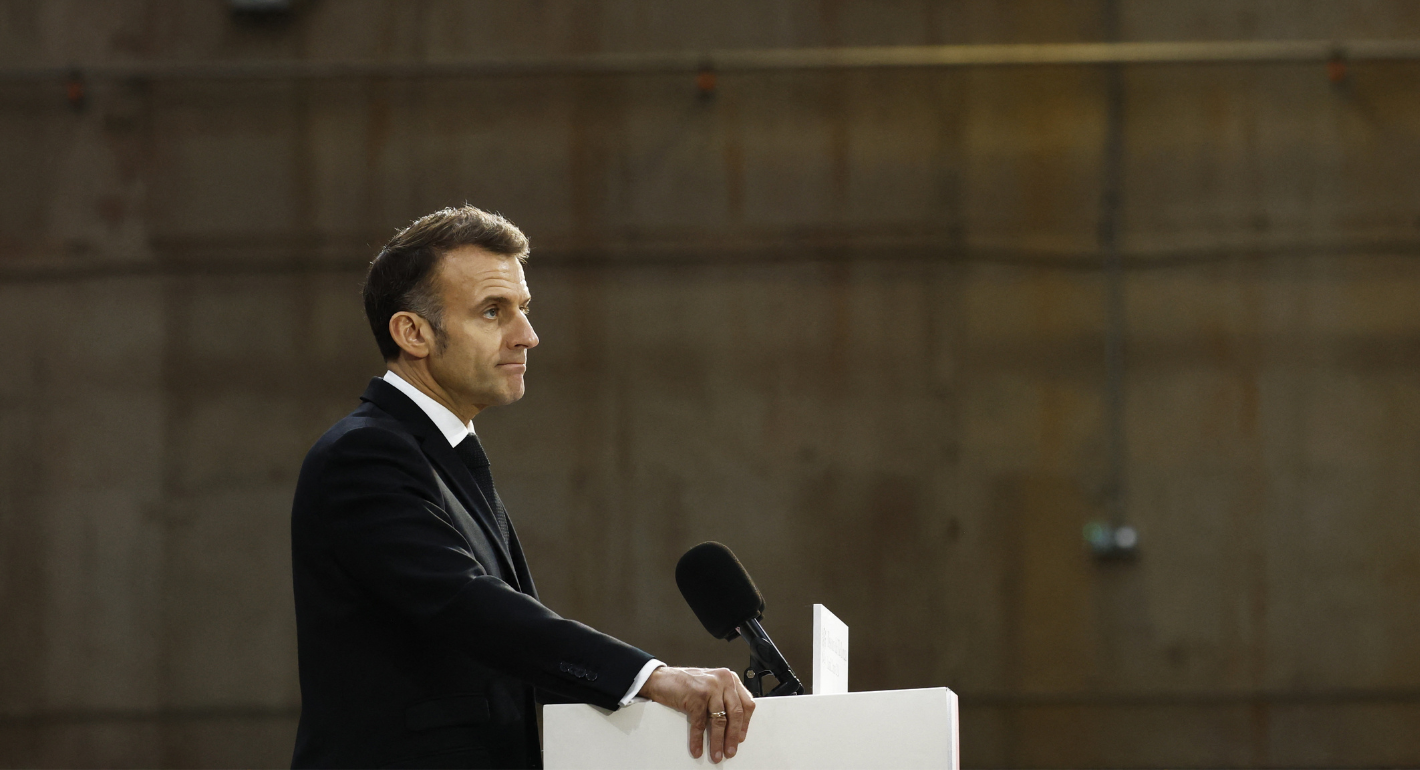
French President Emmanuel Macron has unveiled his country’s new nuclear doctrine. Are the changes he has made enough to reassure France’s European partners in the current geopolitical context?

Rym Momtaz, ed.
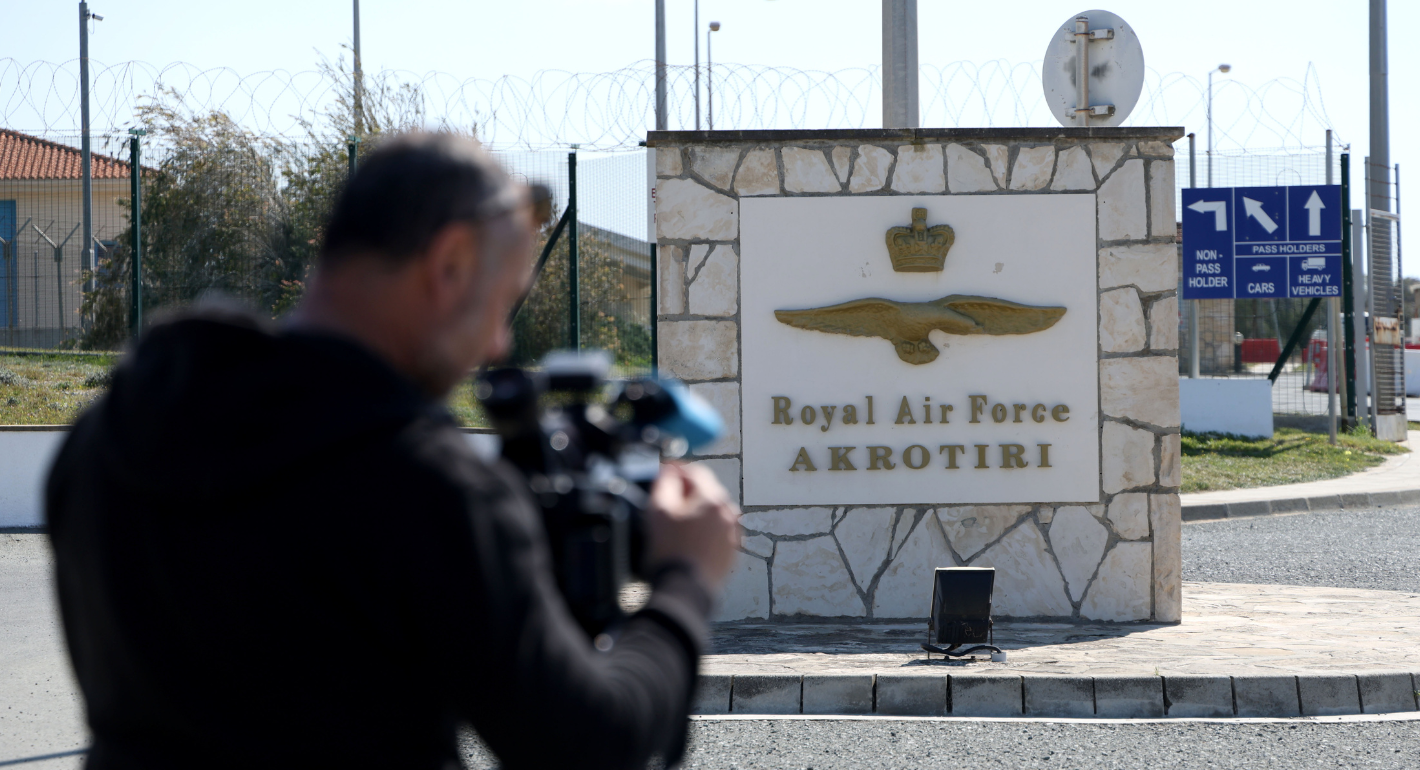
The drone strike on the British air base in Akrotiri brings Europe’s proximity to the conflict in Iran into sharp relief. In the fog of war, old tensions in the Eastern Mediterranean risk being reignited, and regional stakeholders must avoid escalation.

Marc Pierini

In an interview, Hassan Mneimneh discusses the ongoing conflict and the myriad miscalculations characterizing it.

Michael Young

Domestic mobilization, personalized leadership, and nationalism have reshaped India’s global behavior.

Sandra Destradi