

Commentary
Japan’s long-term security policy is driven by concerns about China, and there is little appetite for (or interest in) pursuing a confrontation with Moscow.
James D.J. Brown
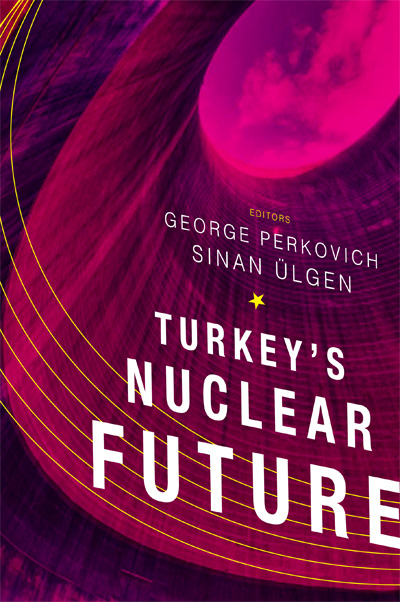
Turkey is a rising economic and political force with the ability to affect dynamics in the greater Middle East, the Caucasus, and Central Asia. To meet its rising energy needs, the country—already an important actor in the international nuclear order—plans to establish nuclear power plants on its territory.
Turkey, with a robust modern economy and growing energy needs, is pursuing a switch to nuclear power. But that shift is occurring in an environment fraught with security challenges: Turkey borders Iraq, Syria, and Iran—all states with nuclear or WMD ambitions or capabilities. As a NATO member, Turkey also hosts U.S. nuclear bombs on its territory, although some question the durability of this relationship.
This dynamic has naturally led to speculation that Turkish leaders might someday consider moving beyond a civilian course to develop nuclear weapons. Yet there has been remarkably little informed analysis and debate on Turkey’s nuclear future, either within the country or in broader international society.
This volume explores the current status and trajectory of Turkey’s nuclear program, adding historical perspective, analytical rigor, and strategic insight.

Japan Chair for a World Without Nuclear Weapons, Senior Fellow
George Perkovich is the Japan Chair for a World Without Nuclear Weapons and a senior fellow in the Carnegie Endowment for International Peace’s Nuclear Policy Program. He works primarily on nuclear deterrence, nonproliferation, and disarmament issues.

Senior Fellow, Carnegie Europe
Sinan Ülgen is a senior fellow at Carnegie Europe in Brussels, where his research focuses on Turkish foreign policy, transatlantic relations, international trade, economic security, and digital policy.
Carnegie does not take institutional positions on public policy issues; the views represented herein are those of the author(s) and do not necessarily reflect the views of Carnegie, its staff, or its trustees.

Japan’s long-term security policy is driven by concerns about China, and there is little appetite for (or interest in) pursuing a confrontation with Moscow.

James D.J. Brown

Russia is testing the waters of NATO’s mutual defense clause. What do strikes in Romanian territorial waters mean for the alliance’s posture toward Moscow?

Dimitar Bechev

China has showcased its engineering prowess with small modular reactor demonstration projects. But turning these technological achievements into commercial success will be a greater challenge.

Tong Zhao
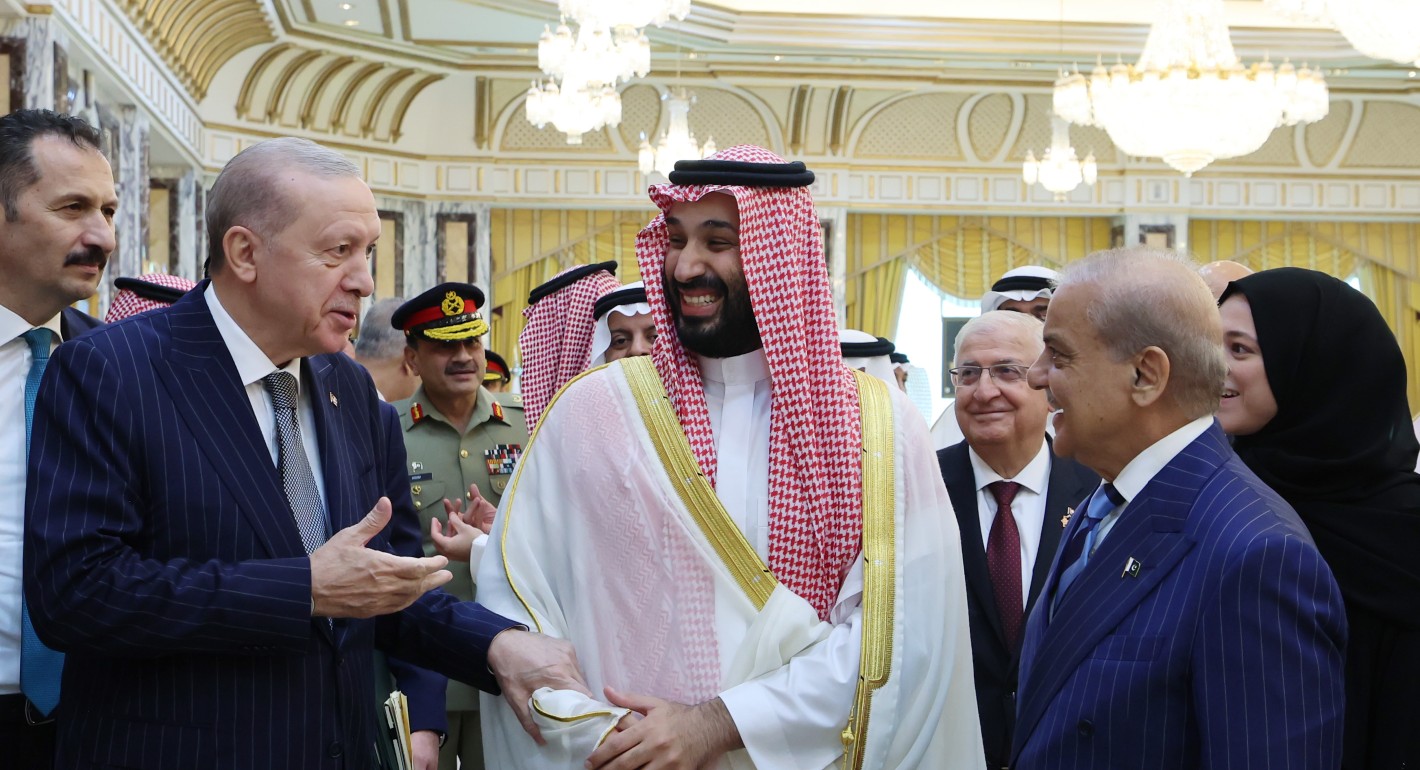
Why Pakistan, Saudi Arabia, and Turkey are joining forces on regional security.


Alper Coşkun, Amr Hamzawy

The truth of the strategic situation is that Europe and Russia are extremely unlikely to be able to “turn the page” on their confrontation within the next two decades.

Arkady Moshes