

Commentary
Richard Youngs
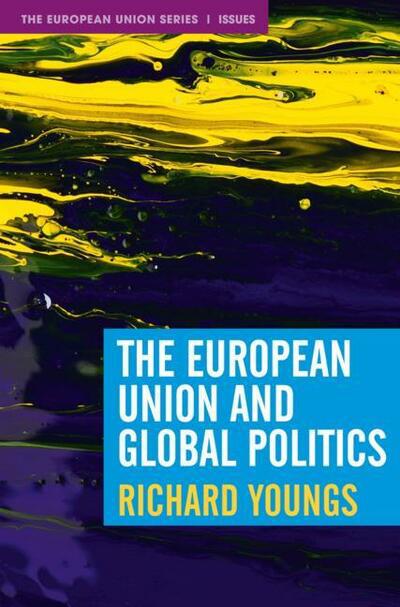
This book unpacks the international challenges facing the EU in recent years—including a weakened global order, a securitized worldview, geo-economic competition, climate change, and conflicts to the east and south—before turning to examine how the union has responded and how the bloc’s core international identity has changed.
Source: Red Globe Press
This new coursebook situates the European Union in a dramatically changed world order. Resisting a more traditional focus on the EU’s sui generis rules and instruments, this innovative new text demonstrates how hard the union must work today to retain its international influence. Taking into account the latest empirical developments, including the spread of war and violence in the East with Ukraine and the ongoing turbulent politics of the Middle East and North Africa, the book stresses how the EU has been forced to act differently. The book adopts a unique outside-in conceptual framework that inverts the way that the EU external action is studied and understood. It unpacks the different international challenges the EU has faced in recent years, including the weakening of global order, the need for more protective security, geoeconomic competition, climate change, and conflicts to its east and south. In each case the book examines how the EU has responded and how its core international identity has changed as a result, assessing whether the union still retains strong global influence.

Senior Fellow, Democracy, Conflict, and Governance Program
Richard Youngs is a senior fellow in the Democracy, Conflict, and Governance Program, based at Carnegie Europe. He works on EU foreign policy and on issues of international democracy.
Recent Work
Richard Youngs


Richard Youngs, Erik Jones, Dan Baer, …
Carnegie does not take institutional positions on public policy issues; the views represented herein are those of the author(s) and do not necessarily reflect the views of Carnegie, its staff, or its trustees.