• Research
  • Emissary
  • About
  • Experts
Carnegie Global logoCarnegie lettermark logo
DemocracyIran
  • Donate
The California Report on Frontier AI Policy
Research

The California Report on Frontier AI Policy

The innovations emerging at the frontier of artificial intelligence are poised to create historic opportunities for humanity but also raise complex policy challenges. As the epicenter of global AI innovation, California has a unique opportunity to continue supporting developments in frontier AI while addressing substantial risks that could have far-reaching consequences for the state and beyond.

Link Copied
By Rishi Bommasani, Scott Singer, Ruth E. Appel, Sarah Cen, A. Feder Cooper, Elena Cryst, Lindsey A. Gailmard, Ian Klaus, Meredith M. Lee, Inioluwa Deborah Raji, Anka Reuel, Drew Spence, Alexander Wan, Angelina Wang, Daniel Zhang, Daniel E. Ho, Percy Liang, Dawn Song, Joseph E. Gonzalez, Jonathan Zittrain, Jennifer Tour Chayes, Mariano-Florentino (Tino) Cuéllar, Li Fei-Fei
Published on Jun 17, 2025
Program mobile hero image

Program

Technology and International Affairs

The Technology and International Affairs Program develops insights to address the governance challenges and large-scale risks of new technologies. Our experts identify actionable best practices and incentives for industry and government leaders on artificial intelligence, cyber threats, cloud security, countering influence operations, reducing the risk of biotechnologies, and ensuring global digital inclusion.

Learn More
Program mobile hero image

Program

Carnegie California

Carnegie California links developments in California and the West Coast with national and global conversations around technology, democracy, and trans-Pacific relationships. At a distance from national capitals, and located in one of the world’s great experiments in pluralist democracy, Carnegie California engages a wide array of stakeholders as partners in its research and policy engagement.


Learn More
Read the Publication

About the Authors

Rishi Bommasani

Scott Singer

Fellow, Technology and International Affairs

Scott Singer is a fellow in the Technology and International Affairs Program at the Carnegie Endowment for International Peace, where he works on global AI development and governance with a focus on China.

Ruth E. Appel

Sarah Cen

A. Feder Cooper

Elena Cryst

Lindsey A. Gailmard

Ian Klaus

Founding Director, Carnegie California

Ian Klaus is the founding director of Carnegie California. He is a leading scholar on the nexus of urbanization, geopolitics, and global challenges, with extensive experience as a practitioner of subnational diplomacy.

Meredith M. Lee

Inioluwa Deborah Raji

Anka Reuel

Drew Spence

Alexander Wan

Angelina Wang

Daniel Zhang

Daniel E. Ho

Percy Liang

Dawn Song

Joseph E. Gonzalez

Jonathan Zittrain

Nonresident Scholar, Technology and International Affairs Program

Jonathan Zittrain is a nonresident scholar in the Technology and International Affairs Program at the Carnegie Endowment for International Peace.

Jennifer Tour Chayes

Mariano-Florentino (Tino) Cuéllar

President, Carnegie Endowment for International Peace

Mariano-Florentino (Tino) Cuéllar is the tenth president of the Carnegie Endowment for International Peace. A former justice of the Supreme Court of California, he has served three U.S. presidential administrations at the White House and in federal agencies, and was the Stanley Morrison Professor at Stanford University, where he held appointments in law, political science, and international affairs and led the university’s Freeman Spogli Institute for International Studies.

Li Fei-Fei

Authors

Rishi Bommasani
Scott Singer
Fellow, Technology and International Affairs
Scott Singer
Ruth E. Appel
Sarah Cen
A. Feder Cooper
Elena Cryst
Lindsey A. Gailmard
Ian Klaus
Founding Director, Carnegie California
Ian Klaus
Meredith M. Lee
Inioluwa Deborah Raji
Anka Reuel
Drew Spence
Alexander Wan
Angelina Wang
Daniel Zhang
Daniel E. Ho
Percy Liang
Dawn Song
Joseph E. Gonzalez
Jonathan Zittrain
Nonresident Scholar, Technology and International Affairs Program
Jonathan Zittrain
Jennifer Tour Chayes
Mariano-Florentino (Tino) Cuéllar
President, Carnegie Endowment for International Peace
Mariano-Florentino (Tino) Cuéllar
Li Fei-Fei
AITechnologySubnational Affairs

Carnegie does not take institutional positions on public policy issues; the views represented herein are those of the author(s) and do not necessarily reflect the views of Carnegie, its staff, or its trustees.

More Work from Carnegie Endowment for International Peace

  • Commentary
    Carnegie Politika
    Is There a Place for Russia in the New Race Back to the Moon?

    Despite having the resources and expertise, the Russian space industry missed the opportunity to offer the United States or China a mutually rewarding partnership in the lunar race.

      Georgy Trishkin

  • Commentary
    Carnegie Politika
    Power, Pathways, and Policy: Grounding Central Asia’s Digital Ambitions

    Central Asia’s digital ambitions are achievable, but only if policy is aligned with the region’s physical constraints.

      Aruzhan Meirkhanova
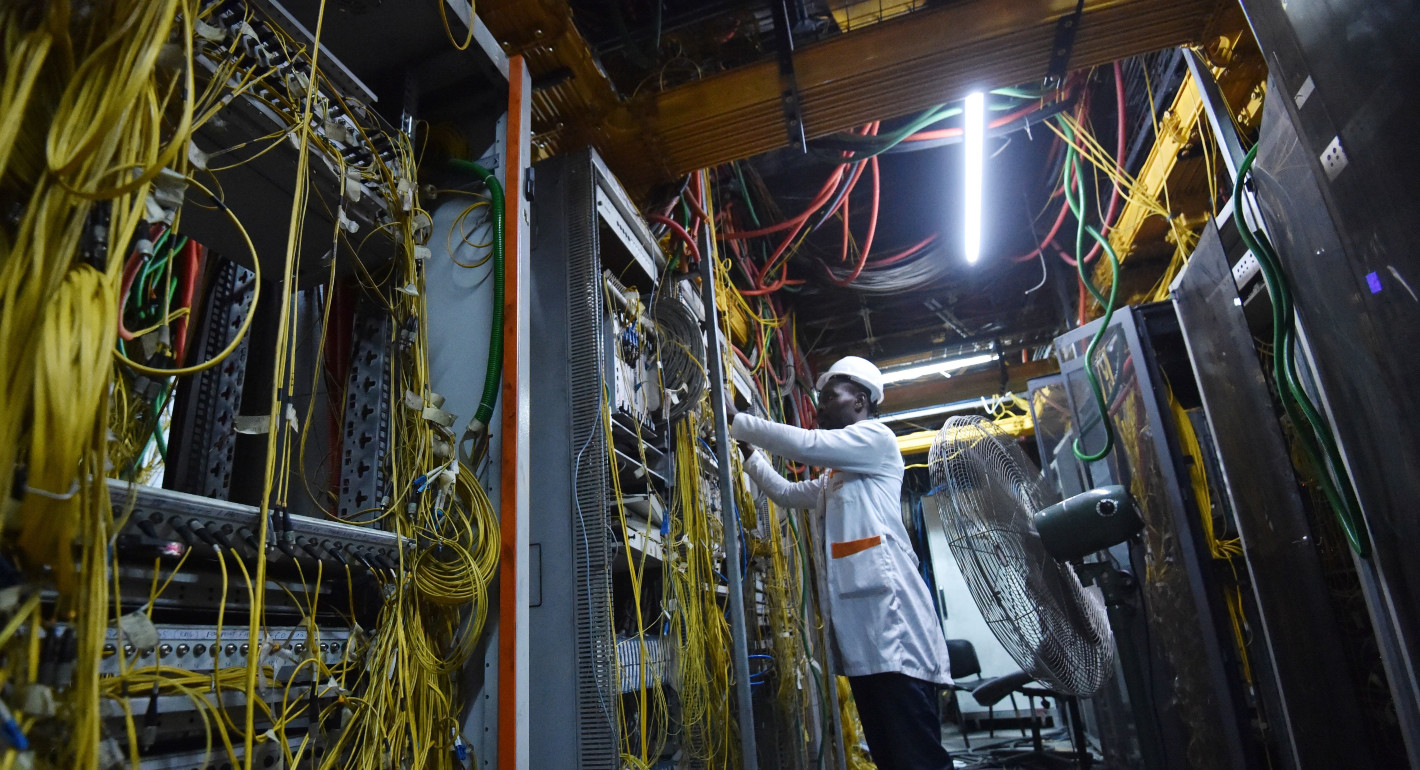
  • Photo of a man conducting repairs in a technical center, surrounded by wires.
    Article
    Africa’s Digital Infrastructure Imperative

    The Africa Technology Policy Tracker reveals policymakers’ priorities for the continent’s digital transformation.
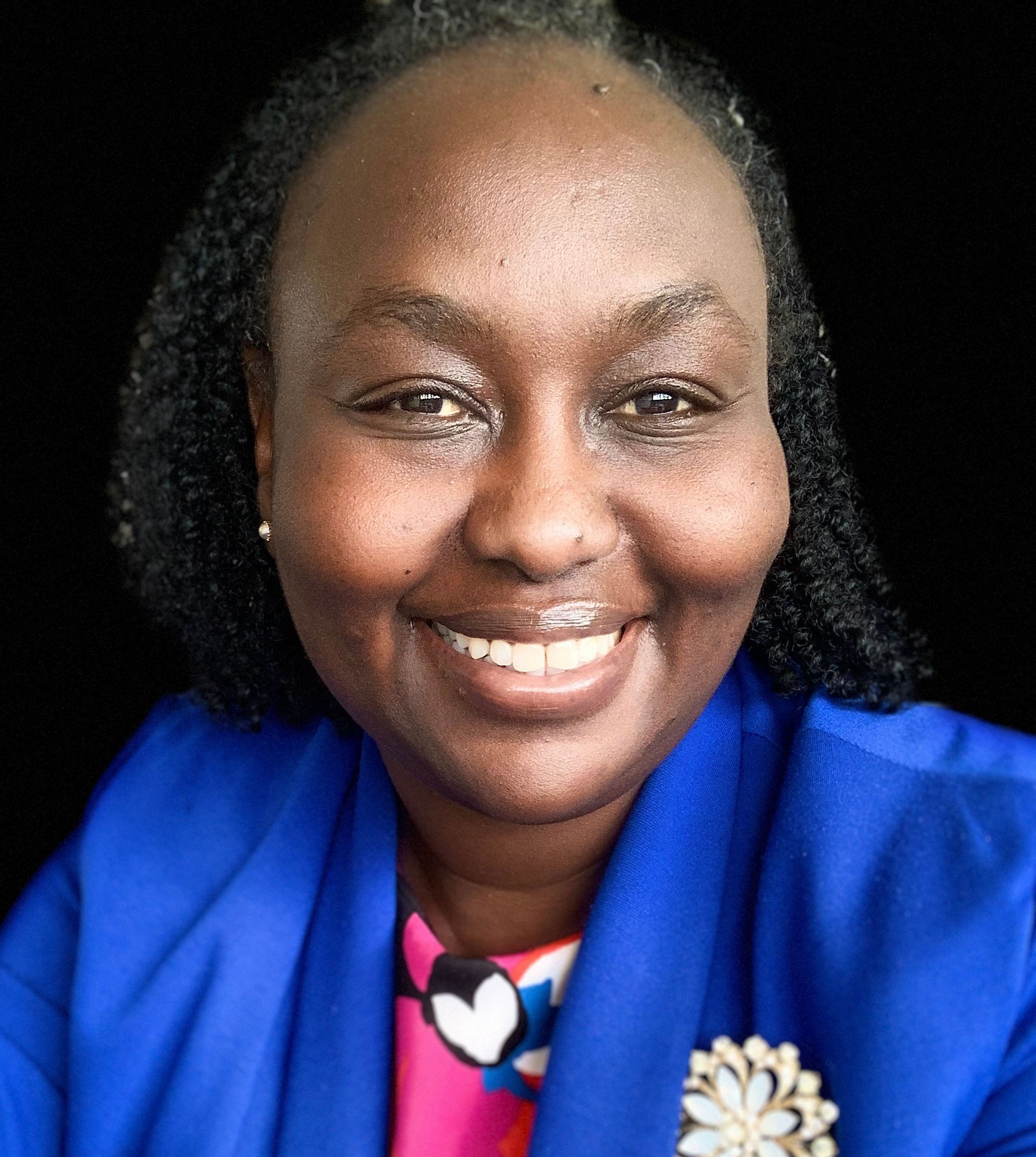
      Jane Munga

  • Commentary
    China’s Energy Security Doesn’t Run Through Hormuz but Through the Electrification of Everything

    Across Asia, China is better positioned to withstand energy shocks from the fallout of the Iran war. Its abundant coal capacity can ensure stability in the near term. Yet at the same time, the country’s energy transition away from coal will make it even less vulnerable during the next shock.


      • Damien Ma

      Damien Ma

  • Commentary
    Carnegie Politika
    Conspiracy Theories Are Eclipsing the Real Dangers of Russia’s Messaging App Max

    The internet is awash not only with instructions from digital security experts, but also with urban legends and conspiracy theories that divert attention away from the real dangers of Max.

      David Frenkel

Get more news and analysis from
Carnegie Endowment for International Peace
Carnegie global logo, stacked
1779 Massachusetts Avenue NWWashington, DC, 20036-2103Phone: 202 483 7600Fax: 202 483 1840
  • Research
  • Emissary
  • About
  • Experts
  • Donate
  • Programs
  • Events
  • Blogs
  • Podcasts
  • Contact
  • Annual Reports
  • Careers
  • Privacy
  • For Media
  • Government Resources
Get more news and analysis from
Carnegie Endowment for International Peace
© 2026 Carnegie Endowment for International Peace. All rights reserved.