
• Research
  • Emissary
  • About
  • Experts
Carnegie Global logoCarnegie lettermark logo
DemocracyIran
  • Donate
Advancing Science- and Evidence-based AI Policy
Research

Advancing Science- and Evidence-based AI Policy

Effectively steering outcomes for and through AI will require thoughtful, evidence-based policy development. Though it may seem self-evident that evidence should inform policy, this is far from inevitable in the inherently messy policy process.

Link Copied
By Rishi Bommasani, Sanjeev Arora, Jennifer Chayes, Yejin Choi, Mariano-Florentino (Tino) Cuéllar, Li Fei-Fei, Daniel E. Ho, Dan Jurafsky, Sanmi Koyejo, Hima Lakkaraju, Arvind Narayanan, Alondra Nelson, Emma Pierson, Joelle Pineau, Scott Singer, Gaël Varoquaux, Suresh Venkatasubramanian, Ion Stoica, Percy Liang, Dawn Song
Published on Jul 31, 2025
Program mobile hero image

Program

Technology and International Affairs

The Technology and International Affairs Program develops insights to address the governance challenges and large-scale risks of new technologies. Our experts identify actionable best practices and incentives for industry and government leaders on artificial intelligence, cyber threats, cloud security, countering influence operations, reducing the risk of biotechnologies, and ensuring global digital inclusion.

Learn More
Read the Publication

About the Authors

Rishi Bommasani

Sanjeev Arora

Jennifer Chayes

Yejin Choi

Mariano-Florentino (Tino) Cuéllar

President, Carnegie Endowment for International Peace

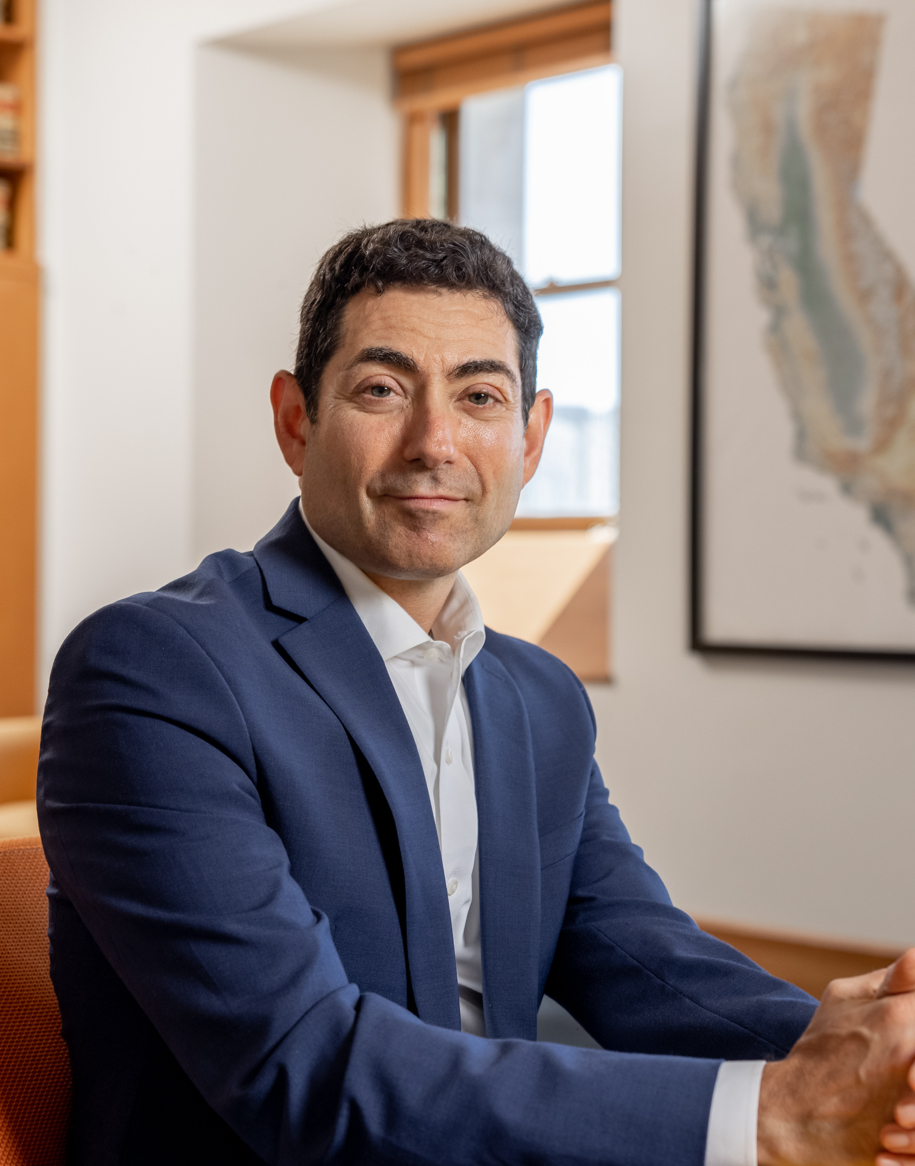
Mariano-Florentino (Tino) Cuéllar is the tenth president of the Carnegie Endowment for International Peace. A former justice of the Supreme Court of California, he has served three U.S. presidential administrations at the White House and in federal agencies, and was the Stanley Morrison Professor at Stanford University, where he held appointments in law, political science, and international affairs and led the university’s Freeman Spogli Institute for International Studies.

Li Fei-Fei

Daniel E. Ho

Dan Jurafsky

Sanmi Koyejo

Hima Lakkaraju

Arvind Narayanan

Alondra Nelson

Emma Pierson

Joelle Pineau

Scott Singer

Fellow, Technology and International Affairs

Scott Singer is a fellow in the Technology and International Affairs Program at the Carnegie Endowment for International Peace, where he works on global AI development and governance with a focus on China.

Gaël Varoquaux

Suresh Venkatasubramanian

Ion Stoica

Ion Stoica

Professor in the EECS Department at the University of California at Berkeley and the Director of Sky Computing Lab

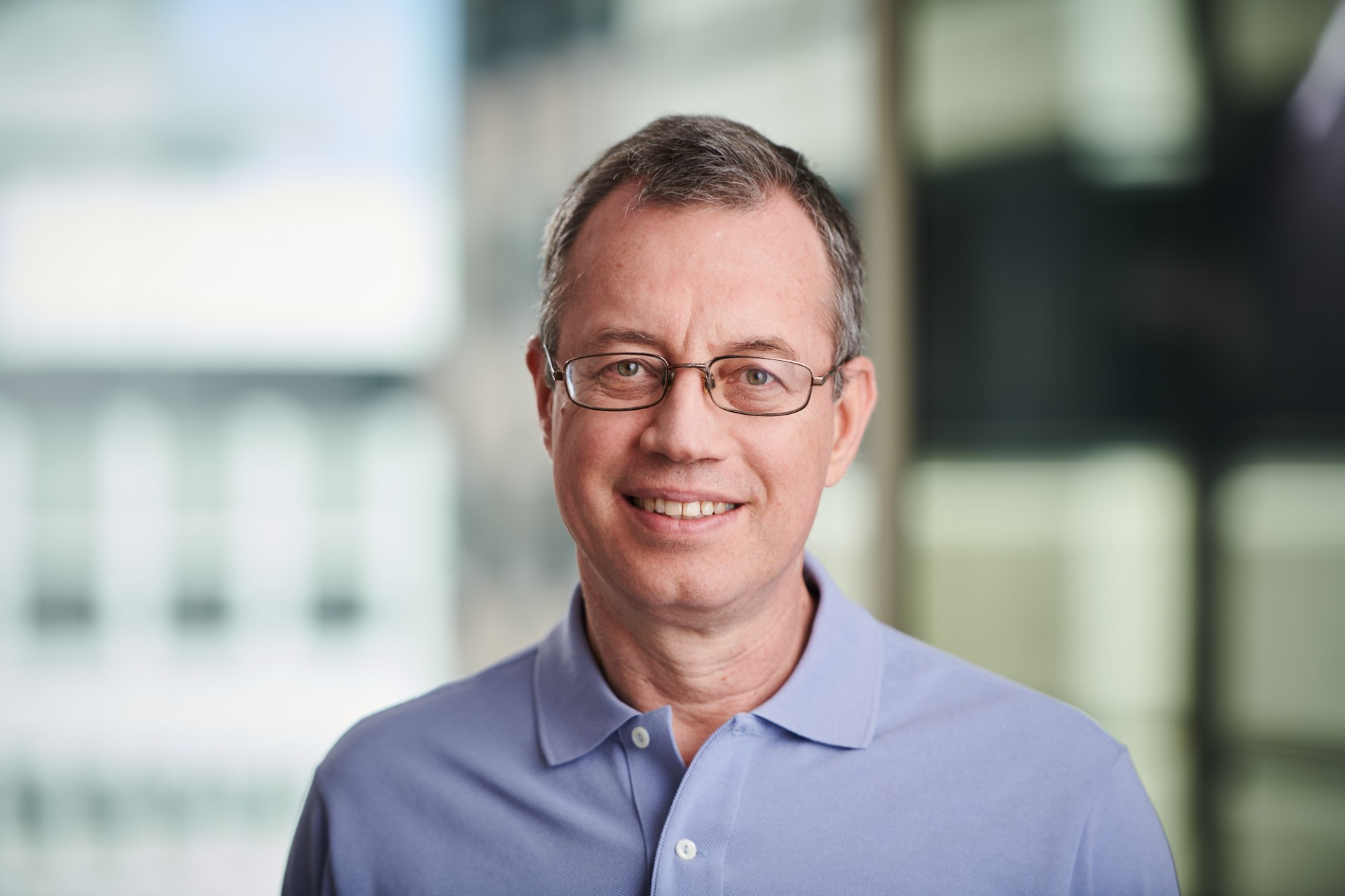
Ion Stoica is a professor in the EECS Department at the University of California at Berkeley, and the Director of Sky Computing Lab. He is currently doing research on cloud computing and AI systems. Current and past work includes ChatBot Arena, vLLM, Ray, Apache Spark, Apache Mesos, Tachyon, Chord DHT, and Dynamic Packet State (DPS). He is a Member of NAE, an Honorary Member of the Romanian Academy, an ACM Fellow and has received numerous awards, including the Mark Weiser Award (2019), SIGOPS Hall of Fame Award (2015), and several "Test of Time" awards. He also co-founded three companies, Anyscale (2019), Databricks (2013) and Conviva (2006).

Percy Liang

Dawn Song

Authors

Rishi Bommasani
Sanjeev Arora
Jennifer Chayes
Yejin Choi
Mariano-Florentino (Tino) Cuéllar
President, Carnegie Endowment for International Peace
Mariano-Florentino (Tino) Cuéllar
Li Fei-Fei
Daniel E. Ho
Dan Jurafsky
Sanmi Koyejo
Hima Lakkaraju
Arvind Narayanan
Alondra Nelson
Emma Pierson
Joelle Pineau
Scott Singer
Fellow, Technology and International Affairs
Scott Singer
Gaël Varoquaux
Suresh Venkatasubramanian
Ion Stoica
Professor in the EECS Department at the University of California at Berkeley and the Director of Sky Computing Lab
Ion Stoica
Percy Liang
Dawn Song
TechnologyAI

Carnegie does not take institutional positions on public policy issues; the views represented herein are those of the author(s) and do not necessarily reflect the views of Carnegie, its staff, or its trustees.

More Work from Carnegie Endowment for International Peace

  • Trump United Nations multilateralism institutions 2236462680
    Article
    Resetting Cyber Relations with the United States

    For years, the United States anchored global cyber diplomacy. As Washington rethinks its leadership role, the launch of the UN’s Cyber Global Mechanism may test how allies adjust their engagement.

      • Christopher Painter

      Patryk Pawlak, Chris Painter

  • High-tech data center with server racks
    Article
    The Architecture of Digital Repression

    Internet service providers can facilitate internet access but also draconian control.

      Irene Poetranto

  • People visit the World Artificial Intelligence Conference (WAIC) at the Shanghai World Expo and Convention Center in Shanghai on July 28, 2025.
    Article
    China’s AI-Empowered Censorship: Strengths and Limitations

    Censorship in China spans the public and private domains and is now enabled by powerful AI systems.

      Nathan Law

  • Commentary
    India Signs the Pax Silica—A Counter to Pax Sinica?

    On the last day of the India AI Impact Summit, India signed Pax Silica, a U.S.-led declaration seemingly focused on semiconductors. While India’s accession to the same was not entirely unforeseen, becoming a signatory nation this quickly was not on the cards either.

      Konark Bhandari

  • exterior of a building with explosion damage
    Commentary
    Emissary
    What We Know About Drone Use in the Iran War

    Two experts discuss how drone technology is shaping yet another conflict and what the United States can learn from Ukraine.

      Steve Feldstein, Dara Massicot

Get more news and analysis from
Carnegie Endowment for International Peace
Carnegie global logo, stacked
1779 Massachusetts Avenue NWWashington, DC, 20036-2103Phone: 202 483 7600Fax: 202 483 1840
  • Research
  • Emissary
  • About
  • Experts
  • Donate
  • Programs
  • Events
  • Blogs
  • Podcasts
  • Contact
  • Annual Reports
  • Careers
  • Privacy
  • For Media
  • Government Resources
Get more news and analysis from
Carnegie Endowment for International Peace
© 2026 Carnegie Endowment for International Peace. All rights reserved.