

Article
Hesham Alghannam
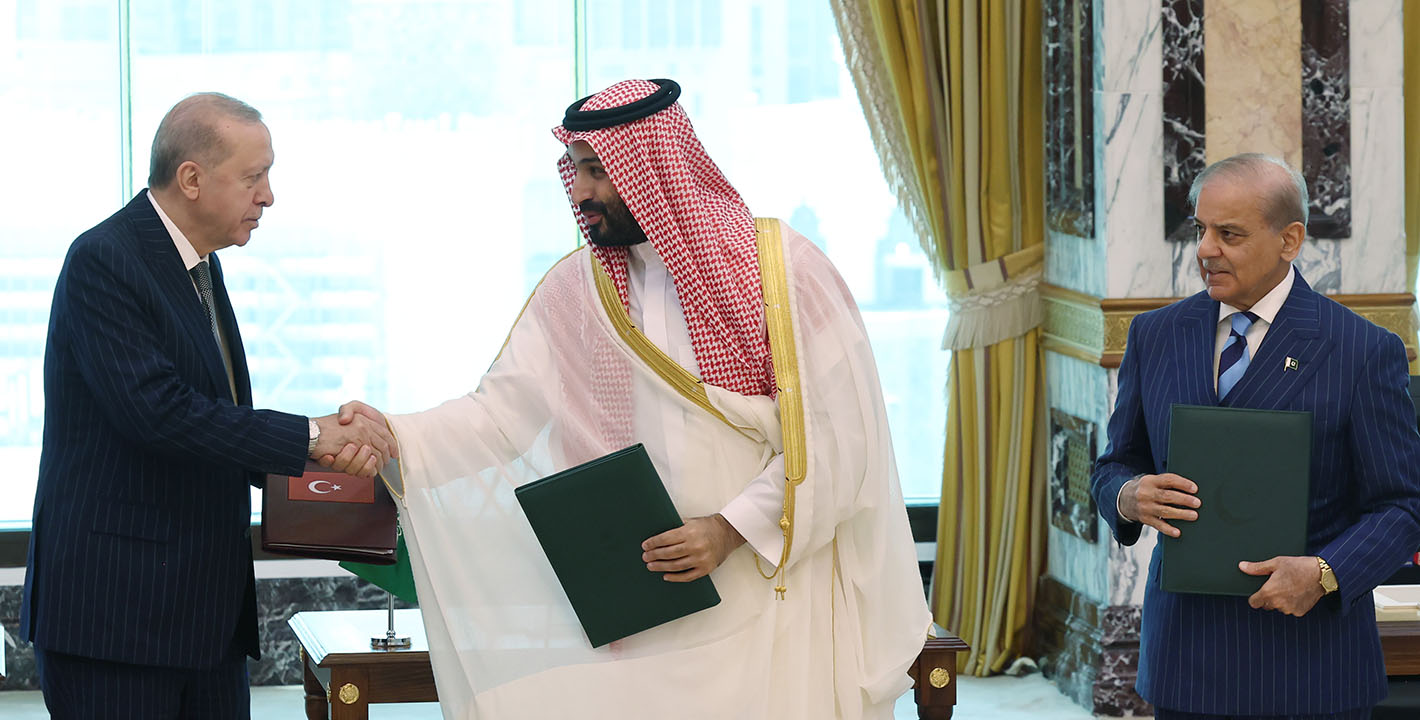
Source: Getty
Through the Beijing and Mecca agreements, Riyadh seeks to shape a Middle Eastern order over which it has greater influence, particularly in times of crisis and conflict.
The U.S. order in the Middle East is changing in a way that worries Saudi Arabia. Although the United States still serves as the essential security guarantor for Saudi Arabia (and the other countries that make up the six-nation Gulf Cooperation Council), its influence is waning noticeably. This reality is highlighted by several regional crises that have left the Gulf states questioning the consistency and predictability of American involvement. These crises gave rise to the China-mediated Beijing agreement between Saudi Arabia and Iran in 2023, and the subsequent Mecca agreement in 2026, a defense pact between Saudi Arabia, Türkiye, and Pakistan. Taken together, the two accords show how Saudi diplomacy is becoming more flexible. Riyadh is no longer treating diplomacy and deterrence as opposite choices. It is choosing both. The underlying objective is to ensure that Saudi Arabia’s security relationships, whether with adversaries or allies, serve its own interests.
Despite the current U.S. war on Iran drawing in Saudi Arabia on the side of the United States, the diplomatic framework established by the Beijing agreement has survived. Mediated by China, it restored diplomatic relations and reopened embassies between the two countries, and as recently as this year, Saudi and Iranian officials met again to reaffirm their commitment to implementing it in its entirety. The agreement’s endurance stems in no small part from the fact that Saudi Arabia remains keen on keeping tensions and conflicts in the region from escalating. This is part of the country’s strategy to ensure that the Gulf does not slide into instability. Though Riyadh will continue to rely in part on the United States as a security guarantor, it wants to cultivate ties with China, an emerging superpower (and major importer of both Saudi and Iranian oil) that can influence decisionmaking in Tehran.
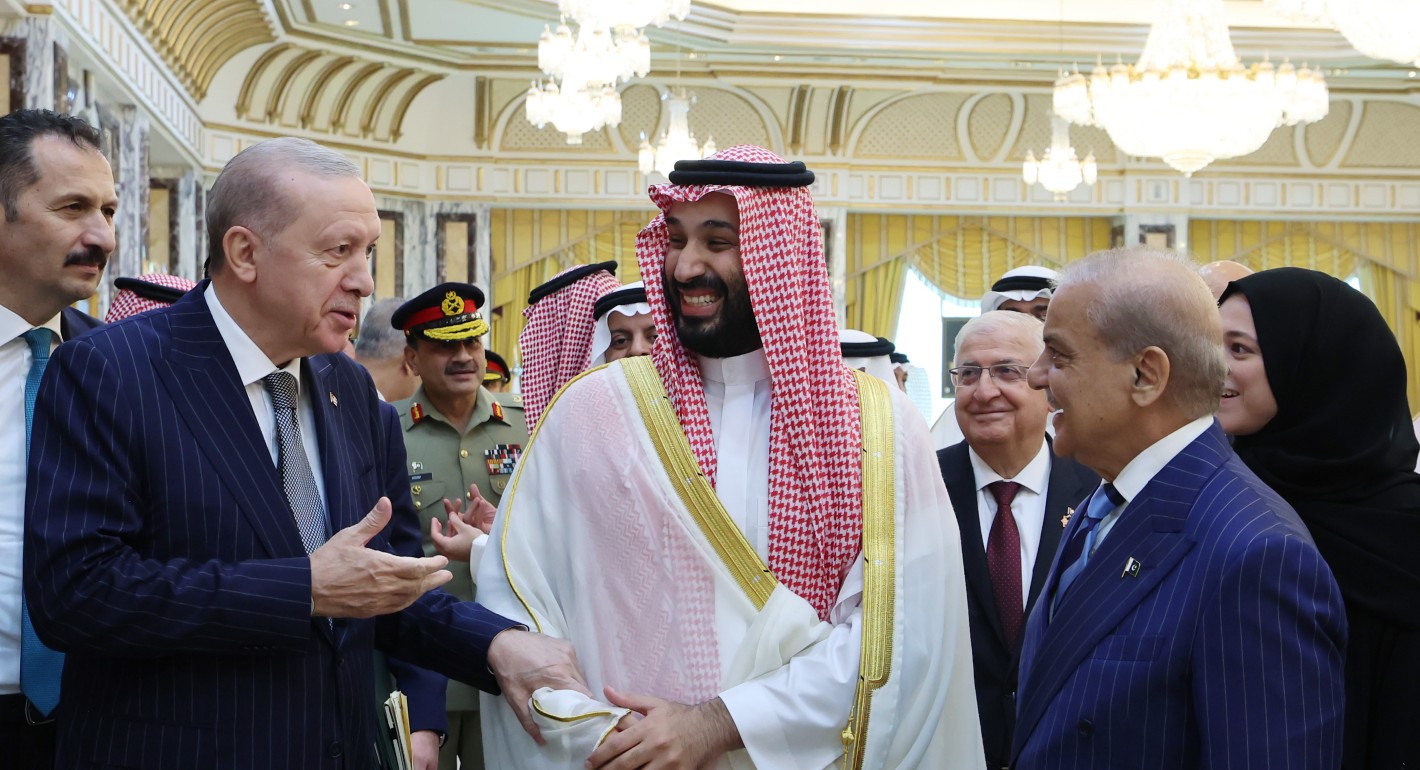
Nevertheless, Saudi Arabia is also looking to enhance its position in the region vis-à-vis Iran itself, preferably via the development of a new regional bloc. The most obvious manifestation of this desire is the recently concluded Mecca agreement. The accord signals the emergence of a mutual defense architecture anchored in Riyadh, where its permanent secretariat will be based, rather than Washington. It brings together top oil exporter Saudi Arabia, military heavyweight Türkiye, and nuclear-armed Pakistan.
For decades, Saudi Arabia managed its rivalry with Iran by avoiding a direct fight. Containment, indirect pressure, and the American security umbrella formed the core of Riyadh’s approach. The underlying calculation was that Saudi Arabia should stay out of a war with Iran, rely on the United States to check major shifts in the regional balance, and use Gulf coordination, economic weight, and diplomacy to limit Iranian influence.
This formula became harder to sustain as Iran extended its reach through allied governments and networks or armed nonstate actors in Iraq, Syria, Lebanon, and Yemen. Riyadh nevertheless held to the position that the costs of confronting Iran directly outweighed any likely gains, and that the U.S. military presence in the Gulf would deter attacks on the kingdom’s vital interests. Policy therefore mixed competition with restraint. Iran was to be contained, not engaged in open war, inside a security order still underwritten only by Washington.
The attacks against the Abqaiq and Khurais Aramco oil facilities on September 14, 2019 exposed the limits of the longstanding Saudi model. In the incident, explosive drones were used to strike these oil facilities. Ansarollah (also known as the Houthis), an armed Yemeni group against which Saudi Arabia and Yemen’s internationally recognized government were engaged in a military campaign since 2015, claimed responsibility. The attacks cut Saudi oil production by about 5.7 million barrels a day; this was more than half of the national output and roughly 5 percent of global supply. A Yemen-only operation was difficult to accept at face value. Indeed, a UN assessment found no evidence that Ansarollah was in possession of the type of weapons used in the attacks, though it did not attribute the strikes to Iran. A later investigation by the United States indicated that the sites were bombed from Iran, something the Iranians denied.
What followed was noteworthy. Saudi Arabia did not retaliate against Iran. And the United States did not respond militarily on the kingdom’s behalf. This was the moment a structural weakness became hard to deny. It had become apparent that a close Saudi partnership with Washington could not prevent a high-impact, asymmetric attack. Nor did it produce an automatic U.S. military response once one had occurred.
The Beijing agreement should be read against this record. Restoring diplomatic ties with Tehran was neither capitulation nor a break with Washington. It was a recalibration—handle part of the rivalry directly, reduce Iran’s incentive to apply pressure through regional partners, and try to insulate Saudi territory, energy infrastructure, and Vision 2030 development projects from regional turmoil. The change was not the abandonment of deterrence, but its widening, from a model centered on external protection and containment toward one that combined military capability, strategic diversification, and direct political management of the Iranian relationship.
When the U.S.-Iran war broke out, several analysts assumed that the Beijing agreement would be the first thing to crack. This did not happen, despite Iran blocking the Strait of Hormuz and launching missiles at Gulf capitals and oil facilities. Instead, Saudi Arabia and Iran demonstrated diplomatic resilience by sustaining foreign minister–level contact throughout the most intense phases of the conflict. By doing so, the two countries preserved crucial channels for deescalation and potential conflict resolution.
A related example of Saudi Arabia’s new orientation was its conviction that there was no military solution to the U.S.-Iranian conflict. To that end, Riyadh denied the United States use of its military facilities and airspace for offensive operations against Iran, and also supported Pakistan’s efforts to negotiate an end to the war. Islamabad’s diplomacy bore fruit in May with a Memorandum of Understanding (MoU) for a U.S.-Iranian ceasefire that was accepted by both sides. Although the MoU subsequently fell through, Saudi Arabia and Iran kept talking. This was in large part due to the Beijing accord, which provided for continued dialogue.
The Mecca agreement takes the logic of the Beijing agreement a step further, but in a different direction. Both reflect the same basic Saudi concern, which is that Riyadh no longer wants its security to depend heavily on a single outside power. The Beijing agreement addressed that problem by attempting to reduce the danger itself. Instead of relying mainly on Washington to contain Iran, the kingdom opened a direct channel with Tehran and used Chinese mediation to lower tensions. Beijing was about making conflict less likely.
The Mecca pact, on the other hand, is about making Saudi Arabia less vulnerable if conflict still breaks out. By drawing Türkiye and Pakistan more closely into its security calculations, Riyadh is widening the range of partners on which it can rely and forging military relationships that do not depend entirely on the United States. This is important due to continued ambiguity from Washington following Iranian missile strikes on energy infrastructure and Gulf cities as part of Iran’s confrontation with the United States. For example, in July 2026, President Donald Trump stated that the United States was “locked and loaded”—but then held off on striking Iran. From the Saudi perspective, this level of uncertainty further threw into question the reliability of the partnership with Washington. In contrast, following heavy Ansarollah drone and missile strikes targeting Saudi cities and infrastructure in October 2026, Pakistan, Türkiye, and Saudi Arabia agreed to coordinate deterrence measures.
Essentially, Saudi Arabia wants to be able to talk to Iran even as it strengthens defense ties with Türkiye and Pakistan. Indeed, October 2026 witnessed the first high-level meeting between representatives of the Mecca agreement countries and those of Iran; significantly, the event took place in Tehran. Similarly, Riyadh wishes to remain closely aligned with the United States while making sure that Washington is not the only pillar of its security. Seen this way, the move from Beijing to Mecca is not a break with Saudi Arabia’s traditional partnerships. Rather, it is an attempt to gain more control over how the kingdom manages risk, both by reducing threats where possible and by preparing more seriously for them where necessary. This approach further demonstrates Saudi Arabia’s efforts to uphold diplomacy and strategic independence in an uncertain regional environment.
Once Saudi Arabia concluded that organizing the Gulf entirely around dependence on the United States was no longer sustainable, the country’s leadership began to formulate a new approach. Maintaining security ties with the United States would be part of this new approach—dispensing with such ties was out of the question—but so would reaching out to China. Both the Beijing and Mecca agreements should be viewed as part of this reorientation.
The Beijing accord showed that Riyadh was prepared to manage its most difficult regional relationship without waiting for Washington to decide when and how engagement with Tehran should take place. Yet this Saudi autonomous streak had limits. Saudi Arabia and Iran had already spent nearly two years in talks hosted by Iraq and Oman, but the final breakthrough came only through Chinese mediation. This suggests that Riyadh wanted the backing of a major power with enough influence in Tehran to help transform dialogue into an actual agreement. The Mecca agreement carries the same search for more room to maneuver into the field of deterrence. Rather than depending almost entirely on the existing U.S.-led security framework, Riyadh joined Türkiye and Pakistan in building an additional collective defense arrangement. Both agreements show Riyadh trying to widen its options, rather than leave its security dependent on a single external relationship.
The Beijing agreement’s foundations may have been diplomatic, but the leverage that made China useful to Saudi Arabia was largely economic. By 2025, China was buying roughly 90 percent of Iran’s oil exports. Riyadh came to realize that Beijing’s ties to Tehran created an effective two-way communication channel through which Chinese economic power could be exerted in a manner that might benefit Saudi Arabia, something that Western capitals could not easily replicate. Aside from depending on China as its main oil customer, Iran is reliant on the country as one of its most important sources of hard currency. This gives Beijing influence over Tehran without requiring it to present itself as a security guarantor, or as another outside power trying to reshape the region.
For Saudi Arabia, that was the attraction. China could raise Saudi concerns with Tehran while remaining a partner to which Iran had strong reasons to listen. Beijing occupied a position that few other powers could match. What made the agreement durable was, in part, how little pressure it placed on the issues most likely to break it. There were no Chinese security guarantees and no formal enforcement mechanism. The agreement restored diplomatic relations, reaffirmed sovereignty and noninterference, and revived earlier Saudi-Iranian agreements on security and economic cooperation. It did not try to settle the deeper rivalry between the two states.
Similarly, neither side had to give up a core strategic position. Iran was not required to dismantle its regional network of armed partners, and Saudi Arabia did not have to weaken its security relationship with the United States. What emerged was narrower, and easier to maintain, which is a channel both sides could use when their interests aligned, without forcing agreement when they did not. That helps explain why the agreement survived the war. Had it required Iran to rein in every allied armed group, or Saudi Arabia to distance itself from the United States, it would have been far more vulnerable once those commitments became difficult to sustain.
Yet just as Saudi Arabia is not willing to give up on its historical security ties to the United States in favor of turning wholly to China, neither is it going to rely entirely on the latter to keep Iran in check. This is why the Mecca agreement sits comfortably alongside the diplomatic track opened through Beijing. Riyadh is not trying to choose between engagement and deterrence. It is trying to use both. An explicitly anti-Iranian bloc would work against much of what Saudi diplomacy has tried to achieve since 2023. It would harden regional divisions and make continued communication with Tehran more difficult. The Mecca framework gives Riyadh more room than that. Saudi Arabia can keep talking to Iran while also building relationships that make military pressure against the kingdom more complicated and potentially more costly.
The difference between the two agreements is just as important as the connection between them. Beijing was an agreement with an adversary, mediated by an outside power, and aimed at managing competition. It did not create a military alliance or a collective-defense obligation. Mecca is different in both purpose and structure. It brings together security partners and is meant to strengthen deterrence, defense coordination, and military cooperation.
The Beijing accord tried to improve Saudi security by lowering the risk of conflict. The Mecca agreement tries to improve it by raising the costs an adversary would face if conflict occurred. Riyadh can talk directly to Tehran while strengthening defense ties with Ankara and Islamabad. It can remain closely aligned with the United States while making sure that Washington is not the only pillar of its security. Seen this way, the move from Beijing to Mecca is not a break with Saudi Arabia’s traditional partnerships. It is an attempt to gain more control over how the kingdom manages risk, both by reducing threats where possible and by preparing more seriously for them where necessary.
The larger pattern, then, is a multi-track strategy. The United States provides military depth. China, through the Beijing agreement, provides access to Iran and a degree of economic leverage. The Mecca accord gives Riyadh the beginnings of a regional framework in which Saudi Arabia has more say over how deterrence is organized. Ultimately, Riyadh’s objective is to shape a regional order in which it has more influence over the rules, relationships, and available responses when crises emerge.
It is likely that Saudi Arabia will continue to maintain its newly strengthened relations with China in order to keep open an indirect channel with Iran. This is the fruit of the Beijing agreement. The relationship with China also grants Saudi Arabia some maneuverability when negotiating with the United States. Specifically, it demonstrates that Riyadh has alternative options for trade, technology, and defense cooperation.
The Mecca agreement also looks likely to hold. However, it has its limits. And should the accord take the form of an anti-Iranian political alliance, it would almost certainly lead to increased tensions with Tehran. This would defeat its purpose. After all, Saudi Arabia wishes to deter Iran—not provoke it.

Nonresident Scholar, Malcolm H. Kerr Carnegie Middle East Center
Hesham Alghannam is a nonresident scholar at the Malcolm H. Kerr Carnegie Middle East Center.
Recent Work
Hesham Alghannam
Hesham Alghannam
Carnegie does not take institutional positions on public policy issues; the views represented herein are those of the author(s) and do not necessarily reflect the views of Carnegie, its staff, or its trustees.

The global hydrocarbon order is changing. Economic diversification and developing productive economies have become essential for Middle Eastern and North African states, requiring them to address social and political challenges and rethink domestic, regional, and global settlements.

Nur Arafeh, Ishac Diwan, Hamza Meddeb, …
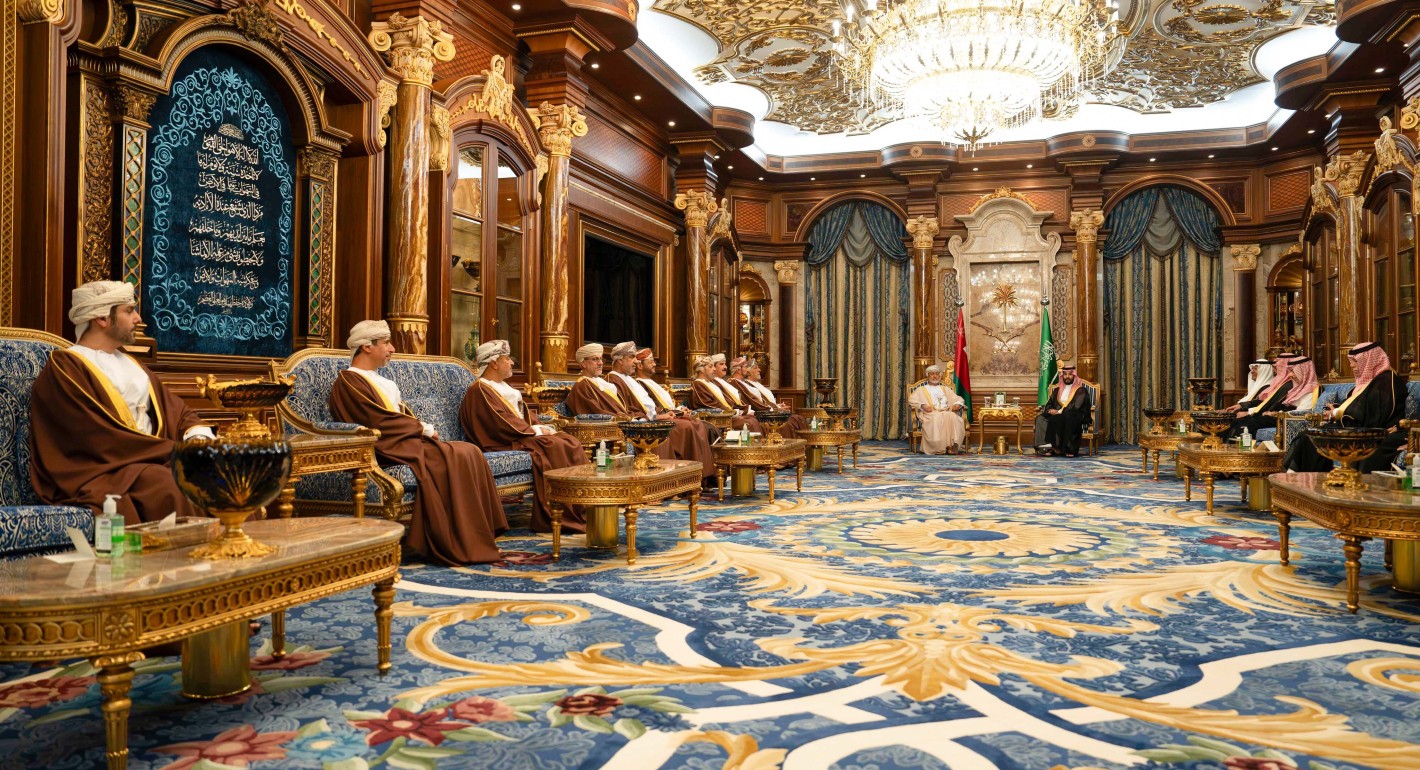
The six GCC members’ unity would be a valued—if not essential—asset for negotiating an end to the simmering regional conflict.

Sam Worby, Andrew Leber
Carnegie’s Middle East Program scholars reflect on the impasse and its potential impacts on the Middle East.


Nathan J. Brown, Alper Coşkun, Amr Hamzawy, …
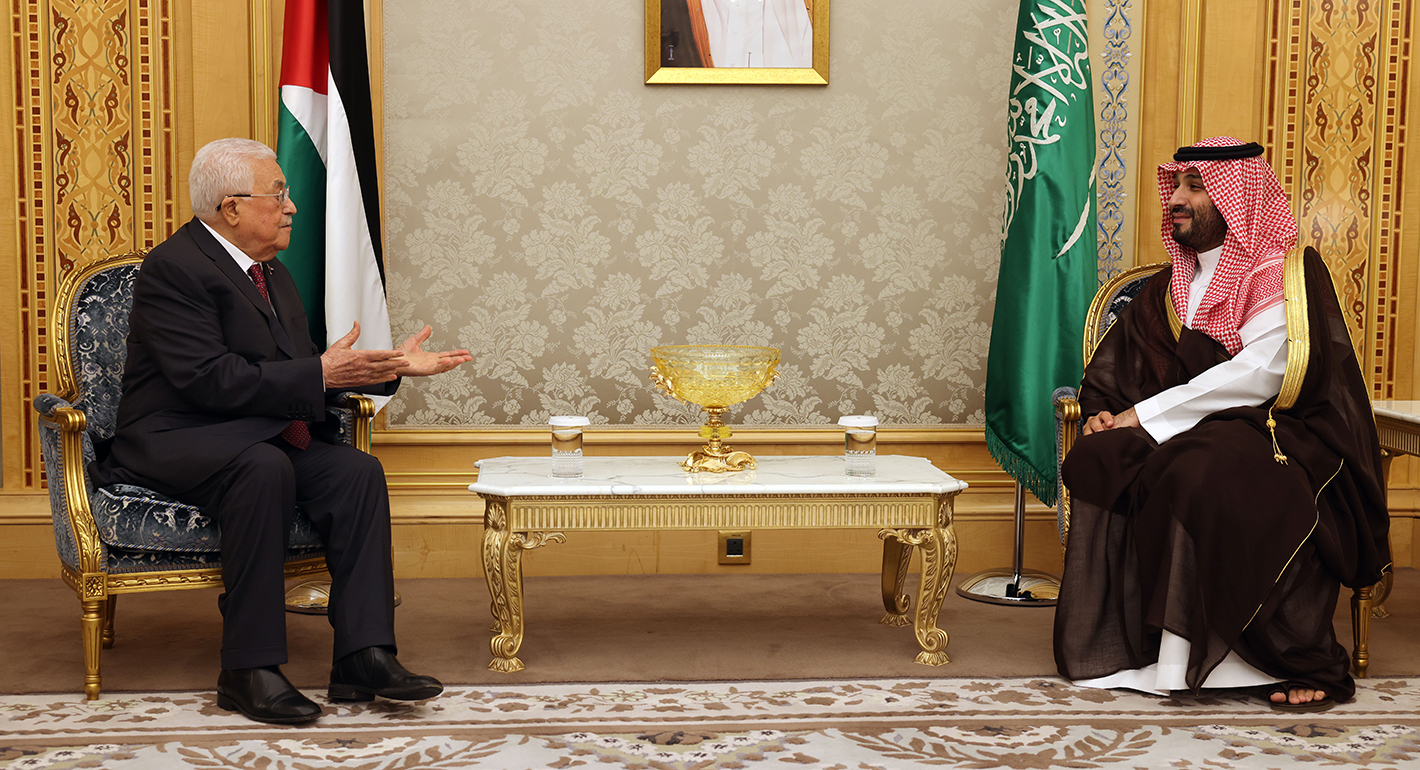
The U.S. midterm elections signal the opening of a narrow window for bold Saudi diplomacy on Palestine.
Andrew Leber, Zaha Hassan
Why Pakistan, Saudi Arabia, and Turkey are joining forces on regional security.
Alper Coşkun, Amr Hamzawy